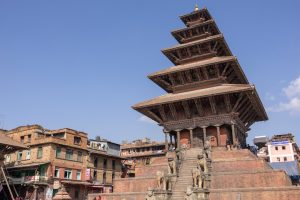
Nepal is like a living, breathing museum of faith where ancient traditions dance together in perfect harmony. This small Himalayan nation, sandwiched between India and China, hosts one of the world’s most fascinating religious landscapes. Here, you’ll find Hindu temples standing side by side with Buddhist stupas, while ancient animistic beliefs continue to thrive in remote mountain villages.
What makes Nepal’s religious scene so captivating isn’t just the diversity – it’s how these different faiths have learned to coexist and even complement each other over centuries. Let’s dive into this incredible spiritual journey and explore how religion shapes everyday life in the land of the Himalayas.
The Religious Makeup of Nepal: By the Numbers
According to the latest census data, Nepal’s religious composition tells an interesting story:
- Hinduism: Approximately 81.3% of the population
- Buddhism: Around 9% of the population
- Islam: About 4.4% of the population
- Indigenous beliefs (Kirat, Bon, etc.): Roughly 3.1% of the population
- Christianity: Nearly 1.4% of the population
- Other religions: Less than 1% of the population
But here’s the thing about Nepal – these numbers don’t tell the whole story. Religious boundaries are often fluid here, and it’s not uncommon to find people practicing elements from multiple traditions simultaneously.
Hinduism in Nepal: More Than Just a Religion
Hinduism isn’t just Nepal’s dominant religion; it’s woven into the very fabric of Nepali society. But Nepali Hinduism has its own unique flavor that sets it apart from its Indian counterpart.
The Roots of Nepali Hinduism
Hinduism arrived in Nepal through various waves of migration from India, particularly from the plains of North India. The religion found fertile ground in the Kathmandu Valley, where it merged beautifully with existing local traditions and beliefs.
What’s fascinating is how Nepali Hinduism adapted to the mountainous terrain and local customs. You’ll find Hindu deities worshipped in ways that reflect the challenges and lifestyle of mountain people – from prayers for safe passage through treacherous mountain paths to rituals ensuring good harvests in terraced fields.
Major Hindu Deities and Practices in Nepal
The Hindu pantheon in Nepal includes all the major deities you’d expect, but with some interesting local twists:
- Shiva: Particularly revered as the lord of the mountains, with Pashupatinath Temple in Kathmandu being one of the most sacred Shiva sites in the world
- Vishnu: Worshipped in various forms, with the famous Budhanilkantha statue showing Vishnu reclining on the cosmic serpent
- Devi/Shakti: The divine feminine energy is especially powerful in Nepal, with goddesses like Kumari (the living goddess) holding special significance
- Ganesh: The elephant-headed deity is everywhere in Nepal, from tiny roadside shrines to elaborate temple complexes
The Living Goddess Tradition
One of Nepal’s most unique Hindu traditions is the Kumari system – the worship of young prepubescent girls as living goddesses. The most famous is the Royal Kumari of Kathmandu, who lives in a special palace and is worshipped by both Hindus and Buddhists. This tradition beautifully illustrates how Nepal has preserved ancient practices that have disappeared elsewhere.
Buddhism in Nepal: The Land of Buddha’s Birth
Here’s something that might surprise you – Nepal is actually the birthplace of Buddhism! Siddhartha Gautama, who later became the Buddha, was born in Lumbini, which is now in southern Nepal. This gives Nepali Buddhism a special significance that goes beyond mere numbers.
The Historical Journey of Buddhism in Nepal
Buddhism in Nepal has had quite a rollercoaster ride through history. After flourishing in the early centuries, it experienced periods of decline and revival. The religion survived mainly in the Kathmandu Valley among the Newari people and in the high Himalayan regions where Tibetan Buddhism took root.
What’s remarkable is how Buddhism in Nepal managed to maintain its identity while coexisting peacefully with Hinduism. In many cases, the two religions influenced each other so much that the boundaries became beautifully blurred.
Different Schools of Buddhism in Nepal
Nepal hosts several Buddhist traditions:
- Theravada Buddhism: More prevalent in the Terai (southern plains) region
- Mahayana Buddhism: Practiced mainly by the Newari people in the Kathmandu Valley
- Tibetan Buddhism (Vajrayana): Dominant in the high Himalayan regions, especially among Sherpa and other mountain communities
Sacred Buddhist Sites in Nepal
Nepal is home to several important Buddhist pilgrimage sites:
- Lumbini: The birthplace of Buddha, now a UNESCO World Heritage Site
- Swayambhunath (Monkey Temple): An ancient stupa in Kathmandu with a fascinating origin legend
- Boudhanath: One of the largest stupas in the world, a center for Tibetan Buddhism
- Namo Buddha: Where the Buddha, in a previous life, offered his body to feed a hungry tigress and her cubs
The Beautiful Blend: Hindu-Buddhist Syncretism
Here’s where Nepal gets really interesting – the way Hinduism and Buddhism have learned to dance together. This isn’t just peaceful coexistence; it’s active collaboration and mutual enrichment.
Shared Deities and Practices
In Nepal, you’ll often find the same deity worshipped by both Hindus and Buddhists, just with different names and stories. For example:
- Ganesha (Hindu) and Vinayaka (Buddhist) are essentially the same elephant-headed deity
- Many Hindu gods are considered protector deities in Buddhism
- Buddhist bodhisattvas are sometimes worshipped as Hindu deities
Festivals That Unite
Some of Nepal’s biggest festivals are celebrated by both Hindu and Buddhist communities. Dashain, the country’s biggest festival, sees Buddhists joining in the celebrations alongside their Hindu neighbors. Similarly, Buddha Jayanti is respected by many Hindu families.
Indigenous and Local Beliefs: The Original Spiritual Landscape
Before Hinduism and Buddhism arrived in Nepal, the land was home to various indigenous spiritual traditions. These haven’t disappeared – they’ve adapted, survived, and in many cases, influenced the major religions.
Kirat Religion: The Ancient Faith of the Hills
The Kirat people, who include ethnic groups like the Rai, Limbu, and Sunuwar, practice one of Nepal’s oldest indigenous religions. Kirat Mundhum combines ancestor worship, nature reverence, and shamanic practices.
Key aspects of Kirat beliefs include:
- Worship of ancestral spirits
- Deep connection with nature and natural elements
- Shamanic healing practices
- Oral traditions passed down through generations
Bon Religion in the Himalayas
In Nepal’s high Himalayan regions, you’ll find traces of Bon, Tibet’s ancient pre-Buddhist religion. While most communities have adopted Tibetan Buddhism, Bon practices often survive as cultural traditions and folk beliefs.
Animism and Nature Worship
Throughout Nepal, especially in rural areas, animistic beliefs persist. People worship trees, rivers, mountains, and other natural features. These practices often get incorporated into Hindu and Buddhist worship, creating a rich tapestry of spiritual expression.
How Religion Shapes Daily Life in Nepal
Religion in Nepal isn’t just about weekend temple visits or annual festivals – it’s part of the daily rhythm of life.
Morning Rituals and Prayers
Walk through any Nepali neighborhood in the early morning, and you’ll witness the spiritual start to the day. Hindu families offer prayers and flowers to their household deities, while Buddhist families might spin prayer wheels or recite mantras. Even in modern urban settings, these traditions persist.
Religious Architecture Everywhere
Nepal’s landscape is dotted with religious structures – from tiny roadside shrines to magnificent temple complexes. What’s beautiful is how these structures reflect the syncretic nature of Nepali spirituality. You might find a Hindu temple with Buddhist prayer flags, or a stupa with Hindu symbols.
Festivals Throughout the Year
Nepal’s calendar is packed with religious festivals, and the country seems to be celebrating something almost every month. These festivals aren’t just religious observances – they’re community celebrations that bring people together regardless of their specific beliefs.
Challenges and Changes in Modern Nepal
Like everywhere else in the world, Nepal’s religious landscape is evolving with modernization and globalization.
Youth and Traditional Beliefs
Younger generations, especially those living in urban areas or abroad, sometimes struggle to connect with traditional religious practices. However, many are finding new ways to engage with their spiritual heritage, often blending traditional beliefs with modern sensibilities.
Religious Conversion and Tension
While Nepal is generally tolerant, there have been some tensions around religious conversion, particularly concerning Christianity and some forms of Buddhism. The government has implemented laws regulating conversion, trying to balance religious freedom with social harmony.
Preserving Indigenous Traditions
There’s growing awareness about the need to preserve indigenous religious traditions. Various organizations and community groups are working to document and maintain practices that might otherwise be lost.
Visiting Religious Sites in Nepal: A Traveler’s Guide
If you’re planning to explore Nepal’s religious sites, here are some practical tips:
Etiquette and Respect
- Dress modestly when visiting religious sites
- Remove shoes before entering temples
- Ask permission before taking photographs, especially of people praying
- Don’t touch religious statues or artifacts unless specifically allowed
- Be quiet and respectful during prayers or ceremonies
Must-Visit Religious Sites
- Kathmandu Valley: Home to seven UNESCO World Heritage Sites, including Pashupatinath and Swayambhunath
- Lumbini: Essential for understanding Buddhism’s origins
- Janakpur: Important Hindu pilgrimage site dedicated to Sita
- Muktinath: Sacred to both Hindus and Buddhists, located in the Himalayas
The Future of Religion in Nepal
Nepal’s religious landscape continues to evolve while maintaining its essential character of tolerance and syncretism. The challenge moving forward is preserving this beautiful diversity while adapting to modern realities.
Climate change is affecting traditional practices tied to agriculture and seasons. Urbanization is changing how festivals are celebrated. Global connectivity is introducing new religious ideas and practices. Yet through it all, Nepal’s fundamental spirit of religious harmony seems to endure.
Conclusion: A Living Laboratory of Faith
Religion in Nepal isn’t just about statistics or historical facts – it’s a living, breathing example of how different spiritual traditions can not only coexist but actually enrich each other. From the ancient chants echoing in Buddhist monasteries to the bells ringing in Hindu temples, from shamanic ceremonies in remote villages to modern spiritual movements in urban centers, Nepal offers a unique window into the beautiful complexity of human faith.
Whether you’re a spiritual seeker, a cultural enthusiast, or simply someone curious about how different beliefs can peacefully share space, Nepal’s religious landscape offers lessons that the world desperately needs. In a time when religious differences often lead to conflict, Nepal shows us another way – a path where diversity is celebrated, where ancient wisdom adapts to modern times, and where the mountains themselves seem to whisper messages of peace and tolerance.
The next time you think about Nepal, remember that you’re not just looking at a beautiful Himalayan country – you’re looking at one of the world’s greatest success stories in religious harmony. And that’s something worth celebrating, don’t you think?