So you’ve caught the travel bug and Nepal is calling your name? Smart choice! This incredible Himalayan nation is like the ultimate playground for backpackers – think towering mountain peaks, ancient temples, friendly locals, and adventures that’ll give you stories for life. But here’s the thing: Nepal isn’t your typical beach vacation destination. It requires a bit more planning and know-how to make the most of your trip.
Don’t worry though – I’ve got your back! Whether you’re dreaming of trekking to Everest Base Camp or just want to explore Kathmandu’s bustling streets, this guide will walk you through everything you need to know for your first backpacking adventure in Nepal.
Table of Contents
Why Nepal Should Be on Every Backpacker’s Bucket List
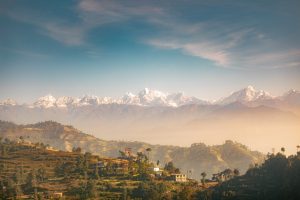
Let’s start with the obvious – the mountains. Nepal is home to eight of the world’s fourteen highest peaks, including Mount Everest. But beyond the epic mountain views, this country offers incredible diversity packed into a relatively small space.
You can explore ancient Hindu and Buddhist temples in Kathmandu, go wildlife spotting in Chitwan National Park, trek through rhododendron forests, and experience some of the warmest hospitality on the planet. Plus, your money goes pretty far here – we’re talking budget-friendly accommodation, meals, and transport that won’t break the bank.
The Best Time to Visit Nepal
Timing is everything when it comes to Nepal. The country has distinct seasons that can make or break your trip:
- October to December: Peak season with clear mountain views, perfect weather, but higher prices and crowds
- March to May: Great weather, blooming rhododendrons, but can get dusty later in the season
- June to September: Monsoon season – expect rain, leeches on trails, but fewer crowds and lush green landscapes
- December to February: Cold but clear views, perfect for lower altitude treks
For beginners, I’d recommend October-November or March-April when conditions are most predictable and comfortable.
Essential Pre-Trip Planning
Visa Requirements and Entry
Good news – getting into Nepal is pretty straightforward for most travelers. You can get a tourist visa on arrival at Tribhuvan International Airport in Kathmandu or at land borders. Here’s what you need to know:
- 15-day visa: $30 USD
- 30-day visa: $50 USD
- 90-day visa: $125 USD
- Bring passport photos and fill out the application form
- Your passport needs at least 6 months validity
Pro tip: You can also apply online through the Department of Immigration’s website to skip some airport queues!
Vaccinations and Health Preparations
Before you pack your bags, make sure you’re up to date on routine vaccines and consider these additional ones:
- Hepatitis A and B: Recommended for all travelers
- Typhoid: Especially if you’re eating street food (which you should!)
- Japanese Encephalitis: If you’re visiting rural areas during monsoon season
- Altitude sickness medication: Consult your doctor about Diamox if you’re planning high-altitude treks
Don’t forget comprehensive travel insurance that covers trekking and helicopter evacuation – trust me, this isn’t the place to skimp on coverage.
Planning Your Nepal Itinerary
How Long Should You Stay?
Nepal rewards those who take their time. Here’s how to make the most of different trip lengths:
- 1 week: Stick to Kathmandu Valley and maybe a short trek like Ghandruk or Nagarkot
- 2 weeks: Add a classic trek like Annapurna Base Camp or explore Pokhara and Chitwan
- 3-4 weeks: Perfect for Everest Base Camp trek plus cultural exploration
- 1+ months: Combine multiple treks, visit remote regions, really immerse yourself
Must-Visit Destinations for First-Timers
Kathmandu: Your likely entry point and a fascinating chaos of temples, markets, and culture. Don’t miss Durbar Square, Swayambhunath (Monkey Temple), and the backpacker hub of Thamel.
Pokhara: The gateway to the Annapurna region with its beautiful lake and mountain views. Perfect for a few days of R&R before or after trekking.
Chitwan National Park: If you want a break from mountains, this UNESCO World Heritage site offers jungle safaris and chances to spot rhinos and tigers.
Annapurna Region: Home to some of Nepal’s most accessible and spectacular treks, perfect for beginners.
Trekking in Nepal: Your Gateway to the Himalayas
Best Beginner-Friendly Treks
Not all treks are created equal. Here are some perfect options for first-time trekkers:
Ghorepani Poon Hill (3-5 days): Short, sweet, and offers incredible sunrise views over the Annapurnas. Perfect if you’re short on time or new to trekking.
Annapurna Base Camp (7-12 days): A moderate trek that takes you into the heart of the Annapurna Sanctuary. Great mix of culture and mountain scenery.
Langtang Valley (7-10 days): Less crowded than Annapurna, closer to Kathmandu, and offers beautiful valley views and Tamang culture.
Everest Base Camp (12-16 days): The ultimate bucket-list trek, but requires good fitness and proper acclimatization.
Trekking Permits and Paperwork
Before you hit the trails, you’ll need some permits. It sounds complicated, but it’s actually pretty straightforward:
- TIMS Card (Trekkers’ Information Management System): Required for most treks, costs around $10-20
- National Park Permits: Varies by region (Annapurna Conservation Area: $30, Sagarmatha National Park: $35)
- Restricted Area Permits: For areas like Upper Mustang or Manaslu (much more expensive)
You can get these in Kathmandu or Pokhara, or your trekking agency can arrange them for you.
Teahouse vs. Camping Treks
Most beginners opt for teahouse trekking – staying in local lodges along the trail. It’s social, you don’t need to carry camping gear, and you get to meet local families. Meals are provided, and you’ll have a bed (albeit basic) each night.
Camping treks offer more flexibility and access to remote areas, but require guides, porters, and all the gear. They’re generally more expensive and better suited for experienced trekkers.
Budgeting for Your Nepal Adventure
Daily Budget Breakdown
Nepal is incredibly budget-friendly, but costs vary significantly based on your style:
Ultra-Budget (Under $15/day):
- Accommodation: $3-8 (basic guesthouses, dorms)
- Food: $5-8 (local restaurants, street food)
- Transport: $2-5 (local buses)
Mid-Range ($25-40/day):
- Accommodation: $10-20 (private rooms, better guesthouses)
- Food: $10-15 (tourist restaurants, variety)
- Transport: $5-15 (tourist buses, domestic flights)
Comfortable ($50+/day):
- Accommodation: $25-50+ (nice hotels, lodges)
- Food: $15-25+ (international cuisine, nicer restaurants)
- Transport: $15+ (private vehicles, flights)
Trekking Costs
Trekking expenses depend on whether you go independent or with a guide:
- Independent trekking: $15-25/day (accommodation, food, permits)
- With guide: Add $15-25/day for guide fees
- With porter: Add $10-15/day for porter fees
- Full package tours: $50-150/day depending on service level
What to Pack for Nepal
Essential Gear for Trekking
Packing for Nepal can be tricky because you might encounter everything from tropical heat to freezing temperatures. Here’s your essential checklist:
Clothing (Layer System):
- Moisture-wicking base layers
- Insulating mid-layers (fleece or down)
- Waterproof shell jacket and pants
- Warm hat and sun hat
- Gloves (liner gloves + warm gloves)
- Trekking pants and shorts
- Underwear and socks (merino wool recommended)
Footwear:
- Broken-in hiking boots
- Comfortable walking shoes for cities
- Sandals or flip-flops
Gear:
- Good quality backpack (40-60L for trekking)
- Sleeping bag (rated for expected temperatures)
- Headlamp and extra batteries
- Water bottles or hydration system
- Water purification tablets or filter
- First aid kit
- Sunglasses and sunscreen (high SPF!)
What You Can Buy in Nepal
Don’t stress about bringing everything from home. Kathmandu and Pokhara have excellent gear shops where you can buy or rent:
- Trekking gear (boots, backpacks, sleeping bags)
- Down jackets and warm clothing
- Rain gear and ponchos
- Trekking poles
- Headlamps and batteries
Plus, buying gear locally supports the economy and you don’t have to lug everything from home!
Cultural Insights and Etiquette
Understanding Nepalese Culture
Nepal is incredibly diverse with over 125 ethnic groups and 123 languages. The majority practice Hinduism, followed by Buddhism, and many traditions blend the two religions beautifully.
Important cultural tips:
- Remove shoes before entering temples and homes
- Don’t point your feet toward people or religious objects
- Use your right hand for eating and greeting
- Dress modestly, especially around religious sites
- Ask permission before photographing people
- Learn basic Nepali greetings – “Namaste” goes a long way!
Tipping Culture
Tipping isn’t mandatory but is appreciated, especially in the service industry:
- Restaurants: 10% if no service charge is included
- Trekking guides: $5-8 per day
- Porters: $3-5 per day
- Drivers: $2-5 per day
Staying Safe and Healthy
Common Health Concerns
Altitude Sickness: The biggest concern for trekkers. Ascend slowly, stay hydrated, and know the symptoms (headache, nausea, fatigue). Don’t ignore warning signs!
Water and Food Safety: Stick to bottled or purified water. Eat hot, freshly cooked food and be cautious with raw vegetables and fruits you can’t peel yourself.
Traveler’s Diarrhea: Almost inevitable for some travelers. Pack oral rehydration salts and basic medications.
Safety Tips
- Register with your embassy if staying long-term
- Keep copies of important documents separately
- Be cautious with political demonstrations
- Use reputable trekking agencies
- Let someone know your trekking itinerary
- Carry emergency contact information
Transportation in Nepal
Getting Around
Domestic Flights: Fast but weather-dependent. Popular routes include Kathmandu-Pokhara and flights to mountain airstrips like Lukla.
Buses: Cheap and adventurous! Tourist buses are more comfortable than local buses but take longer than flights.
Private Vehicles: More expensive but flexible. Great for small groups or if you want to stop along the way.
In Cities: Taxis, rickshaws, and in Kathmandu, ride-sharing apps like Pathao work well.
Accommodation Options
Where to Stay
Guesthouses: Budget-friendly, family-run places. Basic but clean with shared facilities.
Teahouses: Mountain lodges along trekking routes. Simple rooms, communal dining areas.
Hostels: Growing in popularity, great for meeting other travelers.
Hotels: Range from budget to luxury, mainly in cities and tourist areas.
Homestays: Authentic cultural experiences staying with local families.
Making the Most of Your Trip
Essential Experiences
- Watch sunrise from a mountain viewpoint
- Try authentic dal bhat (lentils and rice)
- Visit ancient temples and stupas
- Take a cooking class
- Experience a local festival if your timing is right
- Learn some basic Nepali phrases
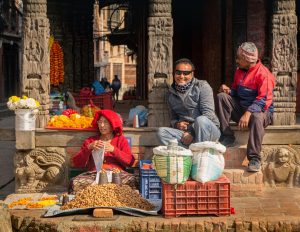
- Shop for handicrafts in local markets
Photography Tips
Nepal is incredibly photogenic, but remember:
- Always ask permission before photographing people
- Some temples prohibit photography
- Mountain weather can change quickly – protect your gear
- Bring extra batteries – cold weather drains them fast
- Consider a polarizing filter for mountain shots
Final Thoughts: Embracing the Nepal Experience
Here’s the thing about Nepal – it’s going to challenge you, surprise you, and probably change you a little bit. The mountains are incredible, sure, but it’s the people you’ll meet, the chai you’ll share, and the sense of accomplishment from pushing your limits that will really stick with you.
Don’t expect everything to go according to plan. Flights get delayed, trails can be muddy, and you might get sick from that questionable momo. But that’s all part of the adventure! Embrace the chaos, stay flexible, and keep a sense of humor.
Most importantly, take time to actually experience Nepal rather than just checking off a bucket list. Sit in a temple courtyard and people-watch. Chat with your teahouse host about their life in the mountains. Learn to play cards with fellow trekkers. These moments between the big adventures are often what you’ll remember most.
Nepal has a way of getting under your skin – don’t be surprised if you find yourself planning your return trip before you’ve even left! The mountains will always be there, but the memories you make and the perspectives you gain will stay with you forever.
So pack that bag, book that ticket, and get ready for the adventure of a lifetime. Nepal is waiting for you, and trust me – you’re going to love every challenging, beautiful, exhausting, amazing minute of it.
Ready to start planning your Nepal adventure? Begin with securing your visa, researching your ideal trekking route, and connecting with other travelers who can share their experiences. The Himalayas are calling – time to answer!