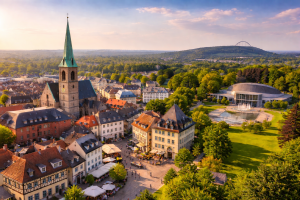
Germany offers an extraordinary blend of medieval charm, modern sophistication, and natural beauty that captivates millions of visitors annually. Whether you’re drawn to fairy-tale castles, world-class museums, vibrant cities, or scenic landscapes, a well-planned 7-day Germany itinerary can provide an unforgettable introduction to this fascinating country.
This comprehensive guide presents the optimal route for first-time visitors, covering Germany’s most iconic destinations while ensuring efficient travel times and maximizing your cultural experiences. From bustling Berlin to romantic Bavaria, you’ll discover the diversity that makes Germany one of Europe’s premier travel destinations.
Planning Your 7-Day Germany Adventure
Best Time to Visit Germany
The optimal time for your German adventure depends on your preferences:
- Spring (April-May): Mild weather, blooming landscapes, fewer crowds
- Summer (June-August): Warm temperatures, long daylight hours, peak tourist season
- Fall (September-October): Pleasant weather, autumn colors, Oktoberfest season
- Winter (November-March): Christmas markets, winter sports, fewer tourists
Transportation Options
Germany’s excellent transportation infrastructure makes traveling between cities convenient and efficient:
- Deutsche Bahn (German Railways): High-speed ICE trains connect major cities
- Car Rental: Provides flexibility for exploring smaller towns and the countryside
- Domestic Flights: Quick connections between distant cities
- Bus Services: Budget-friendly options like FlixBus
Day 1-2: Berlin – Germany’s Dynamic Capital
Begin your German journey in Berlin, a city where history and modernity intersect dramatically. The German capital offers an unparalleled glimpse into the country’s complex past while showcasing its vibrant contemporary culture.
Day 1 Highlights
- Brandenburg Gate: Start at Berlin’s most iconic landmark and symbol of German reunification
- Reichstag Building: Tour the German Parliament building with its stunning glass dome (advance booking required)
- Holocaust Memorial: Pay respects at this moving tribute to Jewish victims of the Holocaust
- Unter den Linden: Stroll down Berlin’s historic boulevard lined with museums and cafes
Day 2 Highlights
- Museum Island: Explore five world-renowned museums including the Pergamon Museum
- East Side Gallery: View the longest remaining section of the Berlin Wall featuring international street art
- Checkpoint Charlie: Visit the famous Cold War crossing point between East and West Berlin
- Berlin Cathedral: Admire the impressive dome and panoramic city views
Where to Stay in Berlin
Consider accommodations in Mitte for proximity to major attractions, or Prenzlauer Berg for a more local atmosphere with excellent restaurants and nightlife.
Day 3: Dresden – The Florence of the North
Travel from Berlin to Dresden (2 hours by train) to discover one of Germany’s most beautifully reconstructed cities. Dresden’s baroque architecture and world-class art collections earned it the nickname “Florence of the North.”
Essential Dresden Experiences
- Frauenkirche: Visit this stunning baroque church, rebuilt after World War II destruction
- Zwinger Palace: Explore this magnificent baroque palace complex housing several museums
- Semperoper: Attend a performance or take a guided tour of this renowned opera house
- Dresden Castle: Discover the residence of Saxon electors and kings
- Elbe River Cruise: Enjoy scenic views of Dresden’s skyline from the water
Day Trip Option
If time permits, consider a half-day excursion to Meissen, famous for its porcelain manufactory and medieval castle, located just 25 minutes from Dresden by train.
Day 4-5: Munich – Bavaria’s Cultural Heart
Journey south to Munich (4.5 hours by train from Dresden), Bavaria’s capital and Germany’s gateway to Alpine culture. Munich perfectly balances traditional Bavarian charm with cosmopolitan sophistication.
Day 4 Highlights
- Marienplatz: Witness the famous Glockenspiel at Munich’s central square
- Viktualienmarkt: Browse this bustling food market featuring local specialties
- Munich Residenz: Tour the former royal palace of Bavarian monarchs
- Hofbräuhaus: Experience authentic Bavarian culture at this world-famous beer hall
- English Garden: Relax in one of the world’s largest urban parks
Day 5 Highlights
- Neuschwanstein Castle Day Trip: Visit the fairy-tale castle that inspired Disney’s Sleeping Beauty Castle (2 hours by train to Füssen)
- Alternative: BMW Museum and Olympic Park: Explore automotive history and Munich’s Olympic legacy
- Alte Pinakothek: Discover one of the world’s finest collections of European paintings
Munich’s Beer Culture
No Munich visit is complete without experiencing traditional beer gardens. Try Augustiner-Bräu, Löwenbräu, or the scenic Chinesischer Turm in the English Garden.
Day 6: Rhine Valley – Romantic Germany
Travel from Munich to the Rhine Valley region (3-4 hours), specifically the stretch between Koblenz and Rüdesheim, recognized as a UNESCO World Heritage site for its cultural landscape of castles, vineyards, and medieval towns.
Rhine Valley Highlights
- Rhine River Cruise: Take a scenic boat trip between Koblenz and Rüdesheim
- Lorelei Rock: Visit the legendary rock formation near St. Goarshausen
- Rüdesheim: Explore this charming wine town and ride the cable car for panoramic views
- Marksburg Castle: Tour one of the Rhine’s best-preserved medieval castles
- Wine Tasting: Sample renowned German Riesling wines in local vineyards
Accommodation Options
Consider staying overnight in Bacharach or Rüdesheim for an authentic Rhine Valley experience, or in Koblenz for better transportation connections.
Day 7: Cologne – Cathedral City and Cultural Hub
Conclude your German adventure in Cologne (1.5 hours from the Rhine Valley), one of Germany’s oldest cities and a major cultural center. Cologne seamlessly blends Roman heritage, medieval architecture, and contemporary art.
Cologne Must-See Attractions
- Cologne Cathedral (Kölner Dom): Marvel at this Gothic masterpiece and UNESCO World Heritage site
- Roman-Germanic Museum: Explore Cologne’s ancient Roman history
- Museum Ludwig: Discover modern and contemporary art, including works by Picasso and Warhol
- Old Town (Altstadt): Wander through historic streets lined with traditional breweries
- Hohenzollern Bridge: Cross this railway bridge adorned with thousands of love locks
Cologne’s Brewery Culture
Experience Cologne’s unique beer culture by trying Kölsch, the city’s light, crisp beer served in small 0.2-liter glasses called “Stange” at traditional breweries like Früh or Peters Brauhaus.
Practical Travel Tips for Your Germany Itinerary
Budgeting Your Trip
Plan your budget with these average daily costs:
- Budget travelers: €50-80 per day (hostels, public transport, self-catering)
- Mid-range travelers: €100-150 per day (3-star hotels, restaurants, attractions)
- Luxury travelers: €200+ per day (4-5 star hotels, fine dining, private tours)
Money and Payments
Germany uses the Euro (€). While card payments are increasingly accepted, many establishments still prefer cash, especially smaller shops and restaurants. ATMs are widely available in cities.
Language and Communication
German is the official language, but English is widely spoken in tourist areas, hotels, and restaurants in major cities. Learning basic German phrases enhances your experience and is appreciated by locals.
Cultural Etiquette
- Germans value punctuality and direct communication
- Tipping is customary (5-10% in restaurants)
- Most shops close on Sundays
- Quiet hours (Ruhezeit) are typically observed from 10 PM to 6 AM
Alternative Route Considerations
Northern Germany Route
For travelers interested in maritime culture and Hanseatic history, consider substituting Dresden and Munich with:
- Hamburg: Germany’s “Gateway to the World” with its historic port
- Lübeck: Medieval Hanseatic city with UNESCO World Heritage status
Romantic Road Alternative
Replace the Rhine Valley day with a drive along the Romantic Road (Romantische Straße), featuring medieval towns like Rothenburg ob der Tauber and Dinkelsbühl.
Packing Essentials for Your German Adventure
Clothing Recommendations
- Comfortable walking shoes for cobblestone streets
- Weather-appropriate layers (Germany’s weather can be unpredictable)
- Waterproof jacket or umbrella
- Formal attire for opera or fine dining experiences
Technology and Documents
- Universal power adapter (Type C and F plugs)
- Portable phone charger
- Valid passport (visa may be required depending on nationality)
- Travel insurance documentation
- Digital copies of important documents
Conclusion: Making the Most of Your Week in Germany
This 7-day Germany itinerary provides an excellent introduction to the country’s diverse offerings, from Berlin’s historical significance to Bavaria’s cultural richness and the Rhine Valley’s romantic landscapes. The suggested route maximizes your time while allowing for spontaneous discoveries that make travel memorable.
Remember that this itinerary serves as a foundation that can be adapted to your interests and travel style. Whether you’re passionate about history, art, cuisine, or architecture, Germany offers endless opportunities for enriching experiences.
Book accommodations and train tickets in advance, especially during peak season, and consider purchasing a German Rail Pass for flexible train travel. Most importantly, remain open to unexpected discoveries and local recommendations that often become the most treasured memories of any German adventure.
Start planning your German journey today, and prepare to be captivated by a country that seamlessly blends its rich heritage with modern innovation, creating an unforgettable travel experience that will leave you planning your return visit.