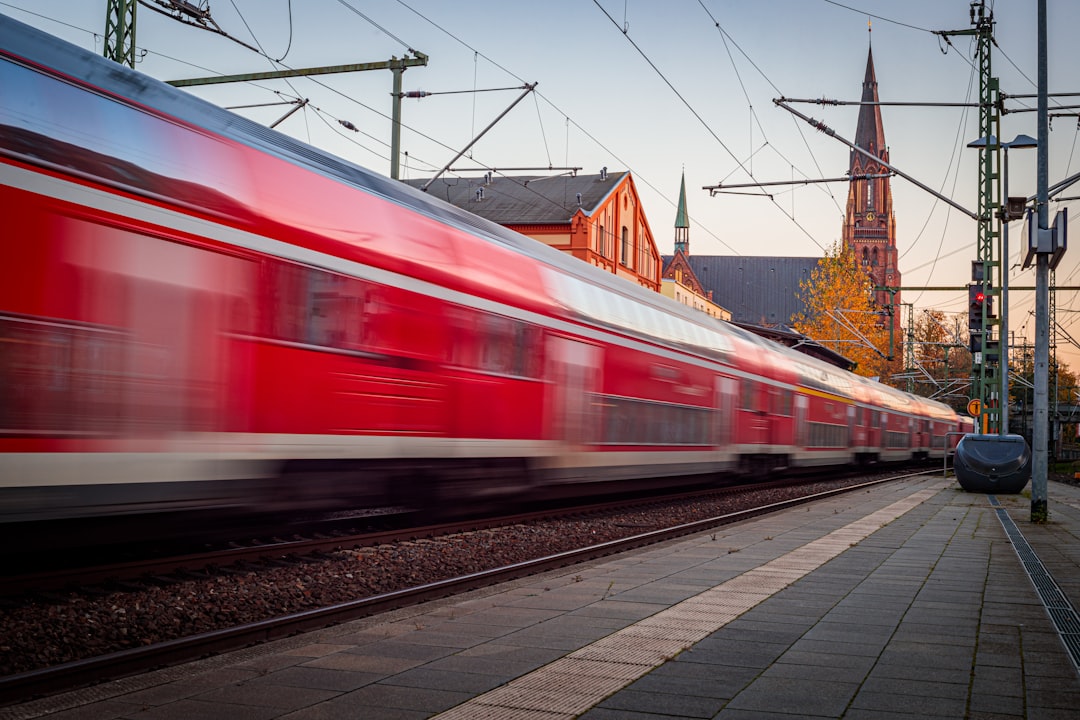
Germany boasts one of Europe’s most efficient and comprehensive rail networks, operated primarily by Deutsche Bahn (DB), the country’s national railway company. Whether you’re a tourist exploring historic cities or a business traveler navigating between meetings, understanding how to effectively use Deutsche Bahn can transform your German travel experience from stressful to seamless.
With over 33,000 kilometers of track connecting virtually every corner of the country, Deutsche Bahn serves more than 5,000 stations daily. This extensive network makes train travel not only practical but often preferable to driving or flying for domestic journeys. This comprehensive guide will equip you with essential knowledge to navigate Germany’s rail system like a seasoned local.
Understanding Deutsche Bahn’s Train Categories
Deutsche Bahn operates various train categories, each designed for specific travel needs and distances. Understanding these categories is crucial for selecting the most appropriate service for your journey.
High-Speed and Long-Distance Trains
ICE (Intercity-Express) represents Deutsche Bahn’s flagship high-speed rail service, connecting major cities at speeds up to 320 km/h. These modern trains feature comfortable seating, onboard restaurants, and free WiFi in first class. ICE trains operate on Germany’s busiest routes, including Berlin-Munich, Hamburg-Frankfurt, and connections to neighboring countries.
IC (Intercity) trains serve medium to long-distance routes, typically connecting regional centers and tourist destinations not covered by ICE services. While slower than ICE trains, IC services offer excellent comfort and reliability for journeys between 100-500 kilometers.
EC (EuroCity) trains provide international connections between Germany and neighboring countries such as Austria, Switzerland, and the Czech Republic. These services maintain high comfort standards while facilitating seamless cross-border travel.
Regional Train Services
RE (Regional Express) trains connect smaller cities and towns with major urban centers, making fewer stops than local trains while maintaining affordable pricing. These services are essential for reaching destinations not served by long-distance trains.
RB (Regionalbahn) operates as local service, stopping at virtually every station along its route. While slower, these trains provide crucial connectivity to small towns and rural areas throughout Germany.
S-Bahn represents suburban rail networks operating in and around major German cities. These frequent services connect city centers with suburbs and airports, functioning similarly to urban metro systems but with longer routes extending into surrounding regions.
Booking Your Deutsche Bahn Tickets
Securing appropriate tickets is fundamental to successful rail travel in Germany. Deutsche Bahn offers multiple booking channels and ticket types to accommodate various travel preferences and budgets.
Online Booking Through DB Navigator App
The DB Navigator mobile application represents the most convenient booking method for most travelers. Available for iOS and Android devices, this comprehensive app allows you to search schedules, compare prices, and purchase tickets directly on your smartphone. The app stores digital tickets, eliminating concerns about losing paper tickets while traveling.
The application also provides real-time updates about delays, platform changes, and alternative routes, making it invaluable for dynamic travel situations. You can save favorite routes, view detailed station maps, and even access offline schedules for areas with limited internet connectivity.
Website Booking and International Options
Deutsche Bahn’s official website (bahn.de) offers identical functionality to the mobile app but with a larger screen interface that some users prefer for complex bookings. The website supports multiple languages and accepts international credit cards, making it accessible for visitors from abroad.
For international travelers, the website provides country-specific versions with localized payment methods and customer service options. This feature is particularly valuable for planning multi-country European rail journeys that extend beyond Germany’s borders.
Station Ticket Machines and Service Centers
Every Deutsche Bahn station features automated ticket machines (Fahrkartenautomat) available in German and English. These machines accept cash, EC cards, and most major credit cards. While slightly more expensive than online bookings for some ticket types, machines are essential for last-minute purchases or when digital booking isn’t possible.
Larger stations maintain staffed service centers (Reisezentrum) where experienced agents can assist with complex bookings, special requirements, or problem resolution. These centers are particularly valuable for travelers needing assistance with accessibility requirements or unusual routing requests.
Ticket Types and Pricing Strategies
Deutsche Bahn employs a sophisticated pricing structure that rewards advance booking while accommodating spontaneous travel needs. Understanding these options can result in significant savings and enhanced travel flexibility.
Flexible Standard Tickets
Flexpreis tickets offer maximum flexibility, allowing travel on any train on your selected route without advance reservations. These tickets typically cost more but provide peace of mind for travelers with uncertain schedules or those who prefer spontaneous departures.
Flexpreis tickets remain valid for one day for journeys under four hours, or until the following day for longer routes. This flexibility makes them ideal for business travelers or anyone whose plans might change unexpectedly.
Advance Purchase Savings
Sparpreis (Saver fare) tickets offer substantial discounts for advance bookings but restrict you to specific trains. These tickets go on sale six months before departure and offer the best value for travelers with fixed schedules.
Super Sparpreis provides even deeper discounts for the most price-conscious travelers willing to accept greater restrictions. These tickets often sell out quickly for popular routes and require booking well in advance.
BahnCard Discount Programs
Deutsche Bahn’s BahnCard system provides percentage discounts on virtually all ticket types for frequent travelers. The BahnCard 25 offers 25% discounts for €56 annually, while BahnCard 50 provides 50% discounts for €230 per year.
For extremely frequent travelers, BahnCard 100 functions as an annual pass, providing unlimited travel on all Deutsche Bahn services for approximately €4,000 annually. This option primarily benefits commuters and business travelers making multiple weekly journeys.
Seat Reservations and Comfort Features
While seat reservations aren’t mandatory for most Deutsche Bahn services, they’re highly recommended for long-distance journeys, especially during peak travel periods such as holidays or major events.
Reservation Process and Benefits
Seat reservations cost €4.50 for standard seats and can be added during ticket purchase or separately through the DB Navigator app. Reservations guarantee your chosen seat and display your name above the seat on digital indicators.
Reserved seats feature color-coded displays showing reservation status for different journey segments. Green indicates availability, red shows reserved sections, and white displays unreserved periods where you may sit temporarily.
Class Selection and Amenities
Second Class (2. Klasse) provides comfortable seating with adequate legroom, power outlets, and access to onboard services. Most travelers find second class entirely satisfactory for journeys under four hours.
First Class (1. Klasse) offers enhanced comfort with wider seats, more legroom, complimentary newspapers, and improved catering options. On ICE trains, first class passengers receive free WiFi and access to exclusive lounges at major stations.
Navigation and Station Information
German railway stations operate with remarkable efficiency and standardization, but understanding their layout and signage systems will enhance your travel experience significantly.
Platform and Track System
Deutsche Bahn stations use the term “Gleis” for tracks/platforms, with digital departure boards (Abfahrtstafel) displaying real-time information about departing trains. These boards show train numbers, destinations, departure times, platform numbers, and any delays or cancellations.
Major stations feature sector markings (A, B, C, etc.) along platforms indicating where different train cars will stop. Your seat reservation will specify both car number and sector, allowing you to position yourself optimally before the train arrives.
Station Facilities and Services
Larger Deutsche Bahn stations function as comprehensive travel hubs featuring restaurants, shops, currency exchange, and tourist information centers. Many stations include DB Lounges for first-class passengers and BahnCard 100 holders, providing quiet workspaces and complimentary refreshments.
Most stations offer left luggage facilities (Gepäckaufbewahrung) and lockers for storing bags during extended stopovers. These services are particularly valuable for travelers exploring cities during layovers or those arriving before hotel check-in times.
Mobile Technology and Digital Services
Deutsche Bahn has embraced digital transformation, providing travelers with sophisticated mobile tools that simplify every aspect of rail travel throughout Germany.
DB Navigator Advanced Features
Beyond basic booking functionality, the DB Navigator app includes augmented reality features for navigation within large stations. Point your smartphone camera at station areas to receive directional overlays guiding you to platforms, services, or exits.
The app’s journey planning algorithm considers real-time delays and automatically suggests alternative routes when disruptions occur. This proactive approach helps minimize travel delays and reduces stress during complicated journeys.
WiFi and Connectivity
ICE trains provide free WiFi in first class, while second-class passengers can access basic internet services. Regional trains increasingly offer WiFi, though coverage and speed may vary depending on route and infrastructure.
Most major stations feature free WiFi in waiting areas and platforms, allowing travelers to stay connected while awaiting departures or during extended layovers.
Special Services and Accessibility
Deutsche Bahn demonstrates strong commitment to accessibility and passenger assistance, ensuring rail travel remains available to travelers with diverse needs and requirements.
Accessibility Features
Modern Deutsche Bahn trains include wheelchair-accessible cars with designated spaces, accessible restrooms, and audio-visual announcements for passengers with hearing or vision impairments. Platform access typically features tactile guidance systems and elevator access to all levels.
The DB Navigator app includes accessibility filters allowing travelers to search for barrier-free routes and stations. This feature considers elevator availability, platform heights, and assistance requirements when suggesting optimal travel options.
Family and Group Travel
Deutsche Bahn offers family compartments on long-distance trains, providing enclosed spaces with children’s entertainment options and additional luggage storage. These compartments can be reserved in advance and offer a more controlled environment for families traveling with young children.
Group bookings for six or more travelers receive automatic discounts and can access special group reservations ensuring all passengers sit together during their journey.
Practical Travel Tips and Best Practices
Successful Deutsche Bahn travel relies on understanding both official procedures and practical strategies developed through experience. These insights can significantly improve your rail travel efficiency.
Timing and Punctuality
Deutsche Bahn maintains impressive punctuality statistics, but arriving at platforms 5-10 minutes before departure ensures adequate time for finding your car and seat. Long-distance trains typically arrive 5-10 minutes before departure, providing time for passenger boarding and luggage storage.
During peak travel periods, particularly Friday evenings and Sunday afternoons, allow extra time for crowded stations and potential delays. Major events or weather disruptions can create system-wide impacts requiring schedule flexibility.
Luggage and Storage
Deutsche Bahn trains accommodate standard luggage without weight restrictions, but storage space varies by train type and occupancy levels. Overhead racks handle smaller bags, while larger suitcases fit in designated areas near car entrances or behind the last row of seats.
For valuable items, consider keeping them within sight rather than storing them in distant luggage areas. While theft is uncommon, maintaining awareness of personal belongings ensures peace of mind during your journey.
Regional Integration and Connecting Transportation
Deutsche Bahn’s network extends beyond trains, integrating seamlessly with local public transportation systems throughout Germany. Understanding these connections maximizes your mobility options and often provides cost savings.
Local Transportation Integration
Many Deutsche Bahn tickets include local public transportation within departure and arrival cities, allowing seamless transitions from trains to buses, trams, or subway systems. This integration eliminates the need for separate local transportation tickets and simplifies urban navigation.
The City-Ticket option, included with many long-distance tickets, provides unlimited local transportation on the day of travel in over 130 German cities. This benefit often saves money and eliminates the complexity of purchasing separate urban transportation passes.
Airport Connections
Deutsche Bahn directly serves many German airports through dedicated rail connections. Frankfurt Airport features an integrated long-distance train station enabling direct connections to major cities without entering the terminal area.
Other airports, including Munich, Berlin, and Hamburg, offer efficient rail connections through S-Bahn or regional services, typically providing faster and more economical transportation than taxis or rental cars for city center destinations.
Cost Management and Budget Travel Strategies
Rail travel in Germany can accommodate various budget levels through strategic planning and understanding of Deutsche Bahn’s pricing structure. Implementing these strategies can result in significant savings without sacrificing travel quality.
Advance Booking Optimization
Sparpreis tickets typically offer the best value for planned journeys, but prices fluctuate based on demand and availability. Booking immediately when advance tickets become available (six months prior) usually secures the lowest fares.
For flexible travel dates, use Deutsche Bahn’s calendar view to compare prices across multiple days. Traveling on Tuesday through Thursday often provides lower fares than weekend departures, while early morning or late evening trains may offer additional savings.
Multi-Journey Passes and Regional Options
For extensive regional exploration, consider Länder-Tickets (state tickets) that provide unlimited regional train travel within specific German states for one day. These passes accommodate up to five travelers and often cost less than individual tickets for multiple stops.
The Deutschland-Ticket, a nationwide monthly pass for local and regional transportation, costs €49 monthly and includes all regional trains, S-Bahn, buses, and trams throughout Germany. This option benefits travelers planning extended regional exploration or those making multiple journeys within a month.
Conclusion
Mastering Deutsche Bahn’s rail network opens up efficient, comfortable, and environmentally sustainable travel throughout Germany and beyond. From high-speed ICE connections between major cities to regional services reaching charming small towns, the system provides comprehensive coverage supporting diverse travel needs.
Success with Deutsche Bahn requires understanding the various train types, booking strategies, and practical navigation techniques outlined in this guide. By leveraging digital tools like the DB Navigator app, taking advantage of advance booking discounts, and familiarizing yourself with station procedures, you’ll transform rail travel from a potential challenge into a seamless and enjoyable experience.
Whether you’re planning a business trip between German commercial centers, exploring the country’s rich historical and cultural offerings, or using Germany as a base for broader European rail adventures, Deutsche Bahn’s extensive network and professional service standards ensure reliable transportation that often surpasses alternative travel methods in both convenience and environmental responsibility.