Dresden, often called the “Florence on the Elbe,” stands as one of Germany’s most magnificent cities, where baroque splendor meets centuries of compelling history. This Saxon capital captivates visitors with its meticulously reconstructed old town, world-class museums, and architectural marvels that tell the story of European grandeur, wartime destruction, and remarkable resilience.
Whether you’re drawn by the golden dome of the Frauenkirche, the opulent treasures of the Green Vault, or the romantic views along the Elbe River, Dresden offers an unforgettable journey through art, culture, and history that spans from medieval times to the modern era.
Dresden’s Historical Significance
Dresden’s history stretches back over 800 years, but its golden age began in the 18th century under the rule of Augustus the Strong, Elector of Saxony and King of Poland. This period transformed Dresden into a center of European culture and politics, earning it the nickname “Elbflorenz” (Florence on the Elbe) due to its artistic and architectural achievements.
The Rise of Baroque Dresden
Under Augustus the Strong and his son Augustus III, Dresden became a showcase of baroque architecture and court culture. The rulers invested heavily in grand palaces, churches, and cultural institutions, attracting artists, architects, and intellectuals from across Europe. This period saw the construction of many of Dresden’s most famous landmarks, including the Zwinger Palace and the Catholic Court Church.
World War II and Reconstruction
The bombing of Dresden on February 13-14, 1945, remains one of the most controversial events of World War II. The Allied air raids destroyed much of the historic city center, including the baroque masterpieces that had defined Dresden’s skyline for centuries. However, the city’s remarkable reconstruction efforts, particularly after German reunification, have restored many of its architectural treasures to their former glory.
Must-Visit Baroque Architectural Marvels
Frauenkirche (Church of Our Lady)
The Frauenkirche stands as Dresden’s most iconic symbol and a testament to the city’s resilience. Originally built between 1726 and 1743, this Protestant church was completely destroyed in 1945 and remained in ruins throughout the Communist era as a war memorial. The painstaking reconstruction, completed in 2005, used original stones wherever possible, creating a patchwork effect that tells the story of destruction and renewal.
Visitors can climb to the church’s dome for panoramic views of the city, or attend one of the regular concerts that showcase the building’s exceptional acoustics. The interior features a stunning altar and pulpit, recreated according to historical designs.
Zwinger Palace
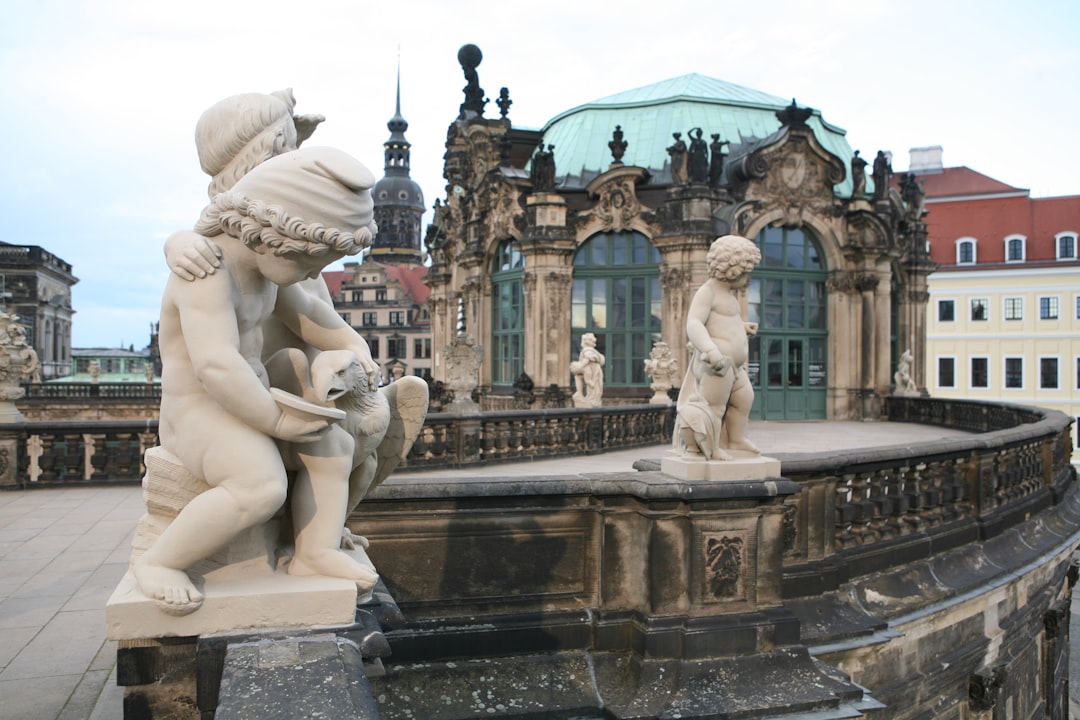
The Zwinger represents the pinnacle of baroque architecture in Dresden and serves as one of Europe’s finest palace complexes. Built between 1710 and 1728, this masterpiece features ornate pavilions, galleries, and courtyards adorned with sculptures, fountains, and decorative elements that exemplify the extravagance of the Saxon court.
The complex houses several world-renowned museums:
- Old Masters Picture Gallery – featuring works by Raphael, Vermeer, and Canaletto
- Dresden Porcelain Collection – showcasing Meissen porcelain and Asian ceramics
- Mathematical-Physical Salon – displaying historical scientific instruments
Dresden Royal Palace (Residenzschloss)
The Dresden Royal Palace served as the residence of Saxon electors and kings for over 400 years. This architectural complex combines Gothic, Renaissance, and baroque elements, reflecting its long construction history. The palace houses multiple museums, including the famous Green Vault treasure chamber.
Semperoper (Semper Opera House)
The Semperoper, designed by architect Gottfried Semper, stands as one of the world’s most beautiful opera houses. Originally opened in 1841 and rebuilt after fires and bombing, this neo-Renaissance masterpiece hosts the Saxon State Opera and the Dresden Philharmonic Orchestra. The building’s Italian Renaissance-inspired facade and opulent interior make it a must-see attraction, whether you attend a performance or take a guided tour.
World-Class Museums and Cultural Treasures
Green Vault (Grünes Gewölbe)
The Green Vault represents one of Europe’s most spectacular treasure chambers, housing the collection of Saxon rulers accumulated over centuries. Divided into the Historic Green Vault and the New Green Vault, this museum showcases jewelry, precious objects, and artistic masterpieces that demonstrate the wealth and power of the Saxon court.
Highlights include:
- The world’s largest green diamond
- Elaborate golden coffee service
- Intricate ivory and amber carvings
- The famous “Moor with Emerald Cluster” figurine
Note: Advance booking is essential for the Historic Green Vault due to limited daily admissions.
Dresden State Art Collections
Dresden’s State Art Collections comprise multiple museums housing extraordinary works spanning various periods and styles. The Old Masters Picture Gallery features masterpieces by European masters, while the New Masters Gallery showcases 19th and 20th-century art. The Sculpture Collection and the Coin Cabinet round out this comprehensive artistic treasure trove.
German Hygiene Museum
The unique German Hygiene Museum offers an fascinating exploration of the human body, health, and society. This interactive museum, established in 1912, features engaging exhibits on anatomy, medical history, and contemporary health issues, making it particularly appealing to families and visitors interested in science and medicine.
Essential Dresden Neighborhoods to Explore
Altstadt (Old Town)
Dresden’s Altstadt contains the city’s most famous landmarks and represents the heart of baroque Dresden. This UNESCO World Heritage area encompasses the Frauenkirche, Zwinger, Royal Palace, and Semperoper, all within walking distance of each other. The carefully reconstructed buildings and cobblestone streets create an atmosphere that transports visitors back to Dresden’s golden age.
Neustadt (New Town)
The Neustadt district offers a vibrant contrast to the historic old town, featuring colorful buildings, trendy cafes, boutique shops, and lively nightlife. This area survived the 1945 bombing relatively intact, preserving its 18th and 19th-century architecture. The Hauptstraße serves as the main shopping and dining thoroughfare, while side streets reveal charming courtyards and artistic installations.
Loschwitz
Loschwitz provides a more residential perspective of Dresden, known for its villas, gardens, and scenic location along the Elbe River. This district features the famous “Blue Wonder” bridge and offers access to funicular railways that climb to elevated viewpoints overlooking the city and river valley.
River Elbe and Scenic Highlights
Elbe River Cruises
The Elbe River provides a unique perspective on Dresden’s skyline and surrounding landscape. River cruises offer comfortable ways to see the city’s baroque silhouette from the water, with various options ranging from short city tours to full-day excursions to nearby destinations like Meissen or Saxon Switzerland.
Brühl’s Terrace
Brühl’s Terrace, known as the “Balcony of Europe,” offers one of Dresden’s most romantic promenades. This elevated walkway along the Elbe provides stunning views of the river, the Neustadt district, and the surrounding countryside. The terrace connects several important buildings and serves as a popular gathering place for both locals and visitors.
Practical Travel Information
Best Time to Visit Dresden
Dresden welcomes visitors year-round, but different seasons offer distinct experiences:
- Spring (April-May): Mild weather, blooming gardens, fewer crowds
- Summer (June-August): Warm temperatures, outdoor festivals, longest daylight hours
- Fall (September-October): Pleasant weather, autumn colors, harvest festivals
- Winter (November-March): Christmas markets, indoor cultural activities, possible snow creating magical atmosphere
Getting Around Dresden
Dresden’s compact city center makes walking the most enjoyable way to explore the main attractions. The city also offers excellent public transportation:
- Trams: Extensive network covering the entire city
- Buses: Complement tram routes and serve suburban areas
- Dresden City Card: Provides public transport access and museum discounts
- Bicycle rental: Popular option with dedicated cycling paths
Where to Stay
Dresden offers accommodation options for every budget and preference:
- Luxury hotels: Historic properties in converted palaces or modern establishments with spa facilities
- Boutique hotels: Unique properties in the Neustadt district with artistic flair
- Budget options: Hostels and pension houses providing clean, comfortable accommodations
- Location recommendations: Stay in Altstadt for sightseeing convenience or Neustadt for nightlife and local atmosphere
Dining and Local Cuisine
Dresden’s culinary scene combines traditional Saxon dishes with international influences:
- Traditional specialties: Sauerbraten, Saxon potato soup, Eierschecke (layered cake)
- Fine dining: Michelin-starred restaurants showcasing modern German cuisine
- Casual options: Traditional breweries, international cuisines, street food markets
- Local beverages: Saxon wines, local beers, traditional schnapps
Day Trip Opportunities
Meissen
Meissen, located 25 kilometers northwest of Dresden, offers visitors the chance to explore the birthplace of European porcelain. The historic town features a well-preserved medieval center, cathedral, and the famous Meissen Porcelain Manufactory, where visitors can watch artisans create delicate pieces using centuries-old techniques.
Saxon Switzerland National Park
Saxon Switzerland provides outdoor enthusiasts with dramatic sandstone formations, hiking trails, and scenic viewpoints. The park’s unique landscape inspired Romantic painters and continues to attract nature lovers seeking adventure beyond Dresden’s urban attractions. The Bastei Bridge offers the most famous viewpoint and photography opportunities.
Events and Festivals
Dresden hosts numerous events throughout the year that celebrate its cultural heritage:
- Dresden Music Festival (May-June): Classical music performances in historic venues
- Striezelmarkt (November-December): One of Germany’s oldest Christmas markets
- Long Night of Museums (twice yearly): Extended museum hours with special exhibitions
- Dresden Festival of Culture (summer): Outdoor performances and cultural events
Conclusion
Dresden masterfully combines historical significance with contemporary vitality, offering visitors an unparalleled journey through European baroque architecture and Saxon culture. From the golden dome of the Frauenkirche to the treasures of the Green Vault, from scenic Elbe River views to the vibrant Neustadt district, Dresden provides experiences that satisfy diverse interests and create lasting memories.
The city’s remarkable reconstruction story adds depth to every visit, reminding travelers of the power of cultural preservation and community determination. Whether you’re admiring masterpieces in world-class museums, strolling along baroque terraces, or enjoying Saxon cuisine in historic settings, Dresden proves that some destinations transcend typical tourism to become transformative cultural experiences.
Plan your Dresden adventure to include sufficient time for both major attractions and spontaneous discoveries. This baroque jewel on the Elbe continues to reveal new facets with each visit, ensuring that Dresden remains not just a destination, but a place that captures hearts and minds long after departure.