The Berlin Wall stands as one of history’s most powerful symbols of division, oppression, and ultimately, the triumph of freedom over tyranny. For 28 years, this concrete barrier physically and ideologically divided not just a city, but an entire world. Today, visitors to Berlin can explore the remnants of this iconic structure and gain profound insights into one of the 20th century’s most significant chapters.
Whether you’re a history enthusiast, a student of the Cold War era, or simply curious about this pivotal moment in human history, understanding what to see and where to go will enhance your Berlin experience immeasurably. This comprehensive guide will take you through the Wall’s complex history and direct you to the most significant sites that preserve its legacy today.
The Historical Context: Why the Berlin Wall Was Built
To fully appreciate what you’ll see in modern Berlin, it’s essential to understand the circumstances that led to the Wall’s construction. Following World War II, Germany was divided among the victorious Allied powers, with Berlin—despite being deep within Soviet-controlled East Germany—also split into four occupation zones.
Post-War Division and Rising Tensions
The ideological differences between the Western Allies and the Soviet Union quickly became apparent. While the Western sectors embraced democratic principles and market economics, the Soviet sector implemented communist governance. This fundamental divide created two distinct societies within a single city.
By the 1950s, East Germans were fleeing to the West in alarming numbers—approximately 2.7 million people between 1949 and 1961. Most escaped through Berlin, where crossing between sectors was still relatively easy. This mass exodus threatened the very existence of East Germany, prompting desperate action from the communist government.
The Night That Changed History
On August 13, 1961, East German authorities began erecting barbed wire barriers that would eventually become the Berlin Wall. Within days, families were separated, friends were divided, and a city that had endured so much was torn apart once again. The initial barriers evolved into an increasingly sophisticated fortification system that would define Berlin for nearly three decades.
What the Berlin Wall System Actually Looked Like
Many visitors to Berlin today are surprised to learn that the “Berlin Wall” was actually a complex border fortification system, not just a single wall. Understanding this system helps you better appreciate what remains today and what has been lost to time.
The Components of the Border System
The complete border fortification included several elements:
- The Front Wall: The outer barrier facing West Berlin, often covered in graffiti
- The Death Strip: A heavily monitored no-man’s land between the two main barriers
- The Inner Wall: The barrier facing East Berlin, typically higher and more formidable
- Watchtowers: Strategically positioned observation and guard posts
- Anti-vehicle barriers: Tank traps and other obstacles to prevent vehicle escapes
- Patrol roads: Routes for border guards to monitor the perimeter
The wall itself evolved through several iterations, with the final version standing 3.6 meters (12 feet) high and extending 155 kilometers (96 miles) around West Berlin, with 43 kilometers (27 miles) dividing the city itself.
Major Berlin Wall Sites You Can Visit Today
While much of the Berlin Wall was demolished following German reunification, several significant sections and sites have been preserved or memorialized. Here are the most important locations for understanding the Wall’s impact and legacy.
East Side Gallery: The World’s Longest Open-Air Art Gallery
Located along Mühlenstraße in Friedrichshain, the East Side Gallery represents the longest remaining section of the Berlin Wall at 1.3 kilometers (0.8 miles). Following the Wall’s fall, 118 artists from 21 countries transformed this stretch into a powerful artistic statement about freedom, unity, and hope.
What to see: Famous murals include Dmitri Vrubel’s “My God, Help Me to Survive This Deadly Love” (depicting the kiss between Brezhnev and Honecker) and Birgit Kinder’s “Test the Rest” (showing a Trabant car breaking through the wall). The gallery runs from Ostbahnhof to Oberbaumbrücke and is accessible 24 hours a day.
Visitor tip: Visit early morning or late afternoon for the best lighting for photography and to avoid crowds. The nearby Warschauer Straße station provides easy public transport access.
Berlin Wall Memorial (Gedenkstätte Berliner Mauer)
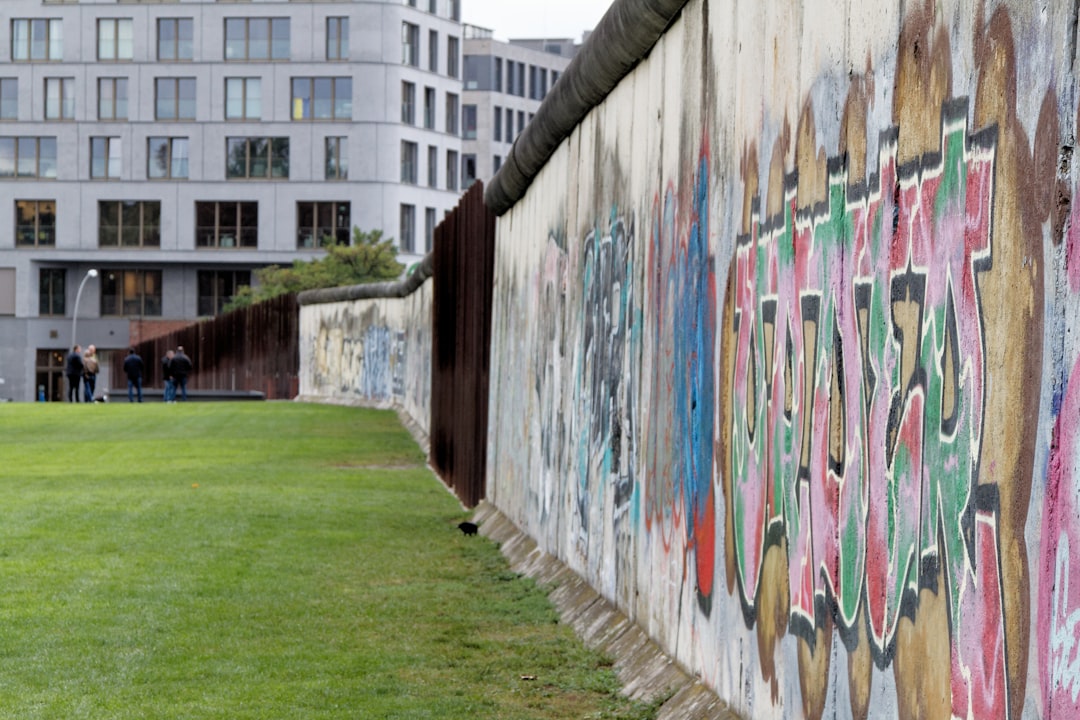
The official Berlin Wall Memorial on Bernauer Straße offers the most comprehensive and authentic experience of what the border fortifications actually looked like. This site preserves the last piece of the Wall with the complete border strip.
Key features include:
- A 70-meter preserved section showing the full border installation
- The Documentation Center with observation deck and exhibition
- The Chapel of Reconciliation
- The Window of Remembrance honoring Wall victims
- Original watchtower and guard positions
The memorial provides crucial context about daily life along the border and the human cost of division. The Documentation Center offers free admission and houses extensive archives about the Wall’s history.
Checkpoint Charlie: The Famous Border Crossing
Perhaps the most famous crossing point between East and West Berlin, Checkpoint Charlie served as the primary border crossing for Allied personnel, diplomats, and tourists during the Cold War. While the original checkpoint was removed in 1990, a replica guardhouse and signs now mark the location.
The adjacent Mauermuseum (Wall Museum) houses one of the world’s most extensive collections of artifacts related to the Berlin Wall, including ingenious escape devices and vehicles used by those attempting to flee East Germany.
Notable exhibits include: Hot air balloons, modified cars, and other creative escape methods used by East Germans seeking freedom. The museum also documents the October 1961 tank standoff that brought the world to the brink of nuclear war.
Potsdamer Platz: From No Man’s Land to Modern Metropolis
Today’s bustling Potsdamer Platz was once bisected by the Berlin Wall and remained a desolate wasteland for decades. Now a gleaming commercial district, it demonstrates how dramatically Berlin has transformed since reunification.
A double row of cobblestones in the pavement marks the former path of the Wall through this area. The nearby Topography of Terror exhibition, built on the former site of the SS and Gestapo headquarters, provides additional historical context about Nazi and East German surveillance states.
Lesser-Known but Significant Berlin Wall Sites
Mauerpark: From Death Strip to Cultural Hub
This popular park in Prenzlauer Berg was once part of the death strip. Today, it’s known for its Sunday flea market and karaoke sessions, representing Berlin’s transformation from division to vibrant cultural center. A small section of the original wall remains, now covered in constantly changing graffiti.
Invalidenfriedhof Cemetery
This historic cemetery was divided by the Berlin Wall, with graves on both sides of the border. Today, visitors can see where families were separated from their ancestors’ final resting places, adding a deeply personal dimension to the Wall’s impact.
Palace of Tears (Tränenpalast)
The former border crossing at Friedrichstraße station, nicknamed the “Palace of Tears” for the emotional farewells that took place here, now houses a permanent exhibition about divided Germany. The preserved departure hall provides a tangible sense of what border crossings felt like during the Cold War.
Stories of Escape and Resistance
Understanding the human stories behind the Berlin Wall brings its history to life. Over the Wall’s 28-year existence, more than 5,000 people successfully escaped from East to West Berlin, while at least 140 people died attempting to cross the border.
Famous Escape Attempts
Some of the most remarkable escape stories include:
- The Hot Air Balloon Escape (1979): Two families built a hot air balloon and floated over the Wall to freedom
- Tunnel 57: The longest escape tunnel, which helped 57 people reach the West in 1964
- The Checkpoint Charlie Tank Standoff: A tense 16-hour confrontation in 1961 that nearly triggered World War III
- Chris Gueffroy’s Tragic Story: The last person shot while trying to escape, just months before the Wall fell
These stories, documented at various memorial sites throughout Berlin, illustrate the desperate measures people took to escape oppression and reunite with loved ones.
The Fall of the Berlin Wall
The Peaceful Revolution
The Berlin Wall’s fall on November 9, 1989, didn’t happen overnight. It resulted from mounting pressure throughout the 1980s, including:
- Mikhail Gorbachev’s reforms in the Soviet Union
- Increasing protests in East Germany
- The opening of borders between Hungary and Austria
- A mistaken announcement about border openings
That historic night, thousands of East and West Berliners gathered at the Wall, demanding its opening. Border guards, overwhelmed and lacking clear orders, eventually opened the checkpoints, leading to spontaneous celebrations that lasted for days.
Planning Your Berlin Wall Tour
Recommended Itinerary
For a comprehensive Berlin Wall experience, consider this suggested route:
Morning: Start at the Berlin Wall Memorial on Bernauer Straße for historical context and authentic remnants.
Midday: Visit Checkpoint Charlie and the Wall Museum for Cold War tensions and escape stories.
Afternoon: Explore the East Side Gallery for artistic interpretation and the longest remaining section.
Evening: End at Potsdamer Platz to see how Berlin has transformed since reunification.
Transportation and Practical Information
Berlin’s excellent public transportation system connects all major Wall sites. The Berlin WelcomeCard provides unlimited public transport and discounts to many attractions. Most outdoor Wall remnants are accessible 24/7, while museums typically open from 10 AM to 6 PM.
Best times to visit: Early morning or late afternoon offer the best lighting for photography and fewer crowds. Winter visits provide a more somber, reflective atmosphere that matches the Wall’s serious historical significance.
Educational Resources and Guided Tours
Guided Tour Options
Several tour companies offer specialized Berlin Wall tours:
- Walking tours: Typically 3-4 hours covering major sites with historical commentary
- Bike tours: Cover more ground and follow the Wall’s former path
- Audio guides: Available at most sites for self-guided exploration
- Private tours: Customizable experiences for deeper historical exploration
Digital Resources
The Berlin Wall Foundation offers an excellent app called “The Berlin Wall” that provides GPS-guided tours, historical photos, and audio commentary at significant locations. The app includes augmented reality features that show how locations appeared during the Wall’s existence.
The Berlin Wall’s Contemporary Relevance
More than three decades after its fall, the Berlin Wall remains relevant as borders, walls, and divisions continue to shape global politics. The lessons learned from Berlin’s division and reunification offer valuable insights into conflict resolution, human rights, and the power of peaceful resistance.
Modern Berlin serves as a living testament to reconciliation and the possibility of overcoming even the most entrenched divisions. The city’s transformation from a divided Cold War flashpoint to a unified, vibrant capital demonstrates that walls—both physical and metaphorical—can indeed fall.
Conclusion: Understanding History Through Preservation
Visiting the remnants of the Berlin Wall today offers more than just a historical lesson—it provides a profound experience that connects us to one of the 20th century’s most significant events. From the artistic expressions at the East Side Gallery to the preserved authenticity of the Berlin Wall Memorial, each site tells part of a larger story about human resilience, the cost of division, and the ultimate triumph of freedom.
As you explore these sites, remember that the Berlin Wall’s history is not just about concrete and barbed wire—it’s about the millions of people whose lives were affected by its existence and the courage of those who never stopped believing in the possibility of reunification. The preservation of these sites ensures that future generations will continue to learn from this crucial chapter in human history.
Whether you spend a day or several days exploring Berlin Wall sites, you’ll gain invaluable insights into Cold War history and a deeper appreciation for the freedoms we often take for granted. The Wall may have fallen, but its lessons remain more relevant than ever in our interconnected yet often divided world.