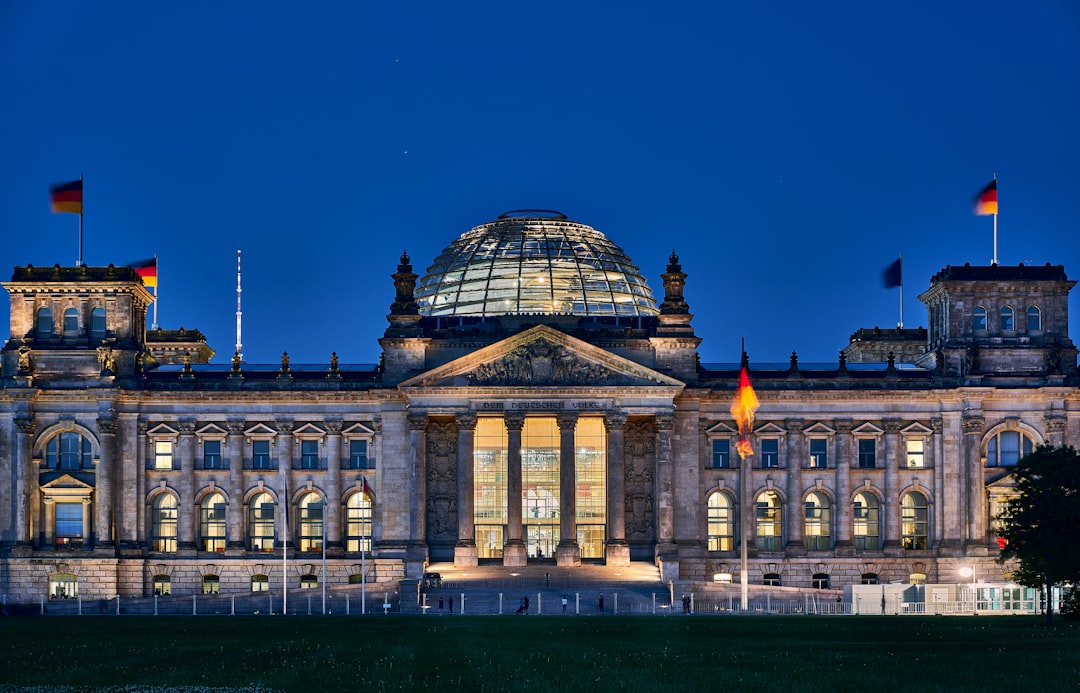
Germany stands as one of Europe’s most culturally rich destinations, housing some of the world’s most prestigious museums and cultural institutions. From ancient artifacts to contemporary art, cutting-edge technology exhibits to historical treasures, German museums offer unparalleled insights into human civilization, scientific advancement, and artistic expression.
This comprehensive guide will navigate you through Germany’s museum landscape, exploring the finest cultural institutions across the country’s major cities. Whether you’re a history enthusiast, art lover, science aficionado, or cultural explorer, Germany’s museums promise extraordinary experiences that will enrich your understanding of both German heritage and global culture.
Berlin: The Cultural Capital’s Museum Treasures
Berlin, Germany’s dynamic capital, hosts an extraordinary concentration of world-renowned museums that reflect the city’s complex history and vibrant cultural scene.
Museum Island (Museumsinsel)
Designated as a UNESCO World Heritage Site, Museum Island represents one of the world’s most significant museum complexes. Located in the heart of Berlin on the Spree River, this cultural ensemble houses five internationally acclaimed museums:
- Pergamon Museum: Home to monumental archaeological reconstructions including the Pergamon Altar, Ishtar Gate of Babylon, and Market Gate of Miletus
- Neues Museum: Features the famous bust of Nefertiti and extensive Egyptian and prehistoric collections
- Altes Museum: Showcases classical antiquities from Greece and Rome in a stunning neoclassical setting
- Bode Museum: Houses Byzantine art, sculptures, and an impressive coin collection
- Alte Nationalgalerie: Displays 19th-century German art including works by Caspar David Friedrich and Adolf Menzel
East Side Gallery and DDR Museum
Berlin’s recent history comes alive through specialized museums that document the city’s division and reunification. The DDR Museum offers an interactive experience of daily life in East Germany, while the East Side Gallery preserves the longest remaining section of the Berlin Wall as an open-air gallery.
German Historical Museum
Located in the historic Zeughaus building, this institution presents 2,000 years of German history through innovative exhibitions and multimedia presentations, providing essential context for understanding contemporary Germany.
Munich: Bavarian Cultural Heritage and Innovation
Munich seamlessly blends traditional Bavarian culture with international art collections and cutting-edge technology museums, creating a diverse cultural landscape.
Deutsches Museum
As one of the world’s largest science and technology museums, the Deutsches Museum offers fascinating insights into human innovation and scientific discovery. Interactive exhibits cover everything from aviation and space exploration to renewable energy and biotechnology.
Kunstareal Munich
Munich’s art district concentrates several major museums within walking distance:
- Alte Pinakothek: Houses one of the world’s finest collections of Old Master paintings, including works by Dürer, Rubens, and Rembrandt
- Neue Pinakothek: Features 19th-century European art with emphasis on German Romanticism and French Impressionism
- Pinakothek der Moderne: Showcases 20th and 21st-century art, design, and architecture
- Museum Brandhorst: Displays contemporary art with notable collections of Cy Twombly and Andy Warhol
BMW Museum and BMW Welt
These adjacent facilities celebrate automotive innovation and design, offering visitors insights into BMW’s history, current production, and future mobility concepts through interactive exhibitions and architectural excellence.
Hamburg: Maritime Heritage and Contemporary Culture
Germany’s principal port city reflects its maritime heritage while embracing contemporary cultural expressions through diverse museum offerings.
International Maritime Museum
Housed in a historic warehouse building, this museum presents 3,000 years of maritime history through ship models, nautical instruments, and interactive exhibits that bring seafaring adventures to life.
Kunsthalle Hamburg
One of Germany’s most important art museums, the Kunsthalle Hamburg spans seven centuries of European art, from medieval altar pieces to contemporary installations, with particular strength in German Romantic painting.
Miniatur Wunderland
While technically a model railway attraction, this facility has evolved into a cultural institution showcasing incredible craftsmanship and engineering, featuring detailed miniature recreations of landscapes and cities from around the world.
Dresden: Baroque Splendor and Artistic Treasures
Dresden’s museum landscape reflects the city’s royal heritage and artistic patronage, housing some of Europe’s most valuable art collections.
Staatliche Kunstsammlungen Dresden
This museum complex encompasses multiple venues showcasing Dresden’s royal collections:
- Green Vault: Contains one of Europe’s richest treasure chambers with baroque goldsmith art and precious stones
- Old Masters Picture Gallery: Features masterpieces by Raphael, Vermeer, and Canaletto in a magnificent baroque setting
- Porcelain Collection: Displays the world’s largest collection of Saxon and East Asian porcelain
- Armory: Showcases ceremonial weapons, armor, and court regalia spanning five centuries
Zwinger Palace
This baroque architectural masterpiece houses several specialized collections including the Mathematical and Physical Salon, featuring historical scientific instruments and clocks.
Cologne: Ancient Heritage and Modern Art
Cologne’s museums reflect its 2,000-year history while embracing contemporary cultural expressions.
Romano-Germanic Museum
Built around the famous Dionysus mosaic, this museum presents Cologne’s Roman heritage through archaeological discoveries that illuminate daily life in ancient Colonia Claudia Ara Agrippinensium.
Museum Ludwig
Renowned for its contemporary art collection, Museum Ludwig houses significant works of Pop Art, Expressionism, and Surrealism, including extensive collections of Picasso and Warhol.
Wallraf-Richartz Museum
This institution showcases medieval to 19th-century European art, with particular emphasis on Cologne School painting and Impressionist works.
Frankfurt: Financial Center’s Cultural Depth
Despite its reputation as a financial hub, Frankfurt maintains a rich museum landscape concentrated along the Museumsufer (Museum Embankment).
Städel Museum
One of Germany’s most prestigious art museums, the Städel presents 700 years of European art history, from medieval manuscripts to contemporary installations, with notable collections of German Expressionism.
German Architecture Museum
This unique institution explores architectural history and contemporary building design through innovative exhibitions that examine the relationship between architecture and society.
Senckenberg Natural History Museum
Famous for its extensive dinosaur collection and meteorite displays, this museum offers comprehensive insights into natural history and biodiversity through engaging, family-friendly exhibitions.
Planning Your German Museum Experience
Museum Passes and Practical Information
Many German cities offer museum passes that provide significant savings and convenient access to multiple institutions. The Berlin Museum Pass, Munich City Tour Card, and similar offerings in other cities can substantially reduce admission costs while providing additional benefits like public transportation.
Best Times to Visit
German museums typically experience lower crowds during weekday mornings and late afternoons. Many institutions offer extended evening hours on specific weekdays, providing quieter viewing experiences and often special programming.
Accessibility and Services
German museums generally maintain high accessibility standards, offering services for visitors with disabilities, multilingual audio guides, and educational programs for diverse audiences.
Conclusion
Germany’s museums represent unparalleled windows into human achievement, artistic expression, and cultural heritage. From Berlin’s Museum Island to Munich’s Kunstareal, from Hamburg’s maritime collections to Dresden’s royal treasures, these institutions offer transformative experiences that illuminate both German culture and global civilization.
Whether your interests lie in ancient history, contemporary art, scientific innovation, or cultural heritage, Germany’s museum landscape provides endless opportunities for discovery and learning. Plan your cultural journey through Germany’s cities to experience these world-class institutions that continue to shape our understanding of art, history, and human achievement.
Begin planning your German museum adventure today, and prepare to be inspired by some of the world’s finest cultural treasures housed in architecturally stunning settings throughout this culturally rich nation.