
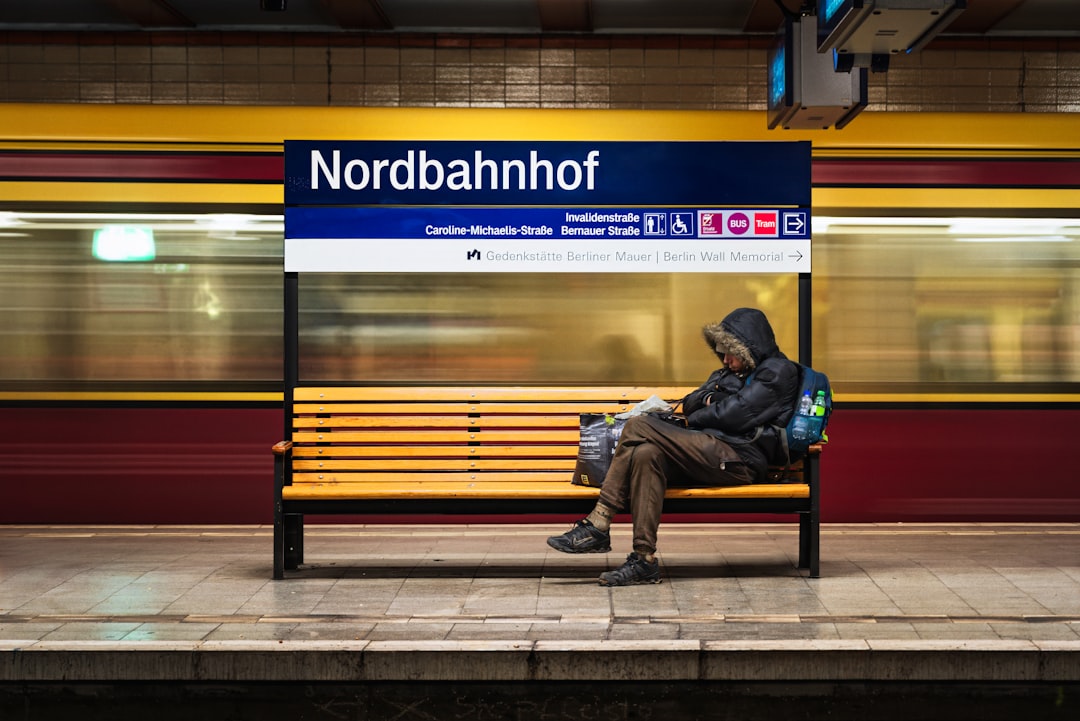
Germany has emerged as one of Europe’s most attractive destinations for digital nomads, offering a perfect blend of excellent infrastructure, vibrant cities, and a high quality of life. With its central location in Europe, robust internet connectivity, and growing remote work culture, Germany presents unique opportunities for location-independent professionals seeking to establish their base in the heart of Europe.
This comprehensive guide will walk you through everything you need to know about living as a digital nomad in Germany, from navigating visa requirements to choosing the perfect city for your remote work lifestyle.
Understanding German Visa Requirements for Digital Nomads
While Germany doesn’t yet offer a specific digital nomad visa, several visa options can accommodate remote workers and freelancers. Understanding these pathways is crucial for planning your stay in Germany.
Tourist Visa (90-Day Rule)
Citizens from many countries, including the US, Canada, Australia, and most EU nations, can enter Germany without a visa for up to 90 days within a 180-day period. This option works well for short-term digital nomads testing the waters or those planning brief work stays.
Key considerations:
- Cannot be extended beyond 90 days
- Technically, you’re not allowed to work for German companies
- Working for foreign clients remotely exists in a legal gray area
- No access to German social services
Freelancer Visa (Freiberufler)
The freelancer visa is ideal for digital nomads with specialized skills in creative fields, consulting, or professional services. This visa allows you to work as a self-employed individual in Germany.
Eligibility requirements:
- Proof of professional qualifications or relevant experience
- Detailed business plan outlining your services
- Financial evidence showing ability to support yourself
- Health insurance coverage
- Clean criminal background check
Job Seeker Visa
This six-month visa allows qualified professionals to search for employment in Germany. While not specifically designed for digital nomads, it can serve as a stepping stone to permanent residency.
Requirements include:
- University degree or equivalent professional qualification
- Proof of financial resources (approximately €5,000)
- Health insurance
- Cannot work during the visa period except in limited circumstances
EU Blue Card
For highly skilled professionals, the EU Blue Card offers a pathway to long-term residency. You’ll need a job offer from a German employer, but many companies now offer remote or hybrid arrangements.
Best German Cities for Digital Nomads
Germany offers diverse urban environments, each with unique advantages for remote workers. Here’s an in-depth look at the top destinations.
Berlin: The Startup Capital
Berlin stands out as Germany’s undisputed digital nomad hub, offering an unmatched combination of affordability, culture, and professional opportunities.
Why Berlin excels for digital nomads:
- Thriving tech scene: Home to numerous startups and international tech companies
- Affordable living: Lower costs compared to other major European capitals
- Vibrant culture: World-class museums, nightlife, and artistic communities
- Excellent coworking spaces: Over 100 coworking facilities throughout the city
- International community: Large expat population and English-friendly environment
Average monthly costs:
- One-bedroom apartment: €800-1,200
- Coworking space membership: €150-300
- Monthly transport pass: €86
- Dining out: €12-25 per meal
Munich: Premium Living with Alpine Access
Munich combines German efficiency with southern European charm, making it attractive for digital nomads seeking a higher-end lifestyle.
Munich’s advantages:
- Economic powerhouse: Strong job market and business opportunities
- Quality of life: Consistently ranked among the world’s most livable cities
- Outdoor access: Close proximity to the Alps for weekend adventures
- Cultural richness: Famous beer gardens, festivals, and Bavarian traditions
- Transport connectivity: Excellent public transportation and airport connections
Average monthly costs:
- One-bedroom apartment: €1,200-1,800
- Coworking space membership: €200-400
- Monthly transport pass: €57
- Dining out: €15-30 per meal
Hamburg: Maritime Charm and Media Hub
Germany’s second-largest city offers a unique blend of maritime culture and modern business opportunities, particularly in media and logistics.
Hamburg highlights:
- Media center: Home to major publishing houses and broadcasting companies
- Port city culture: Rich maritime history and international atmosphere
- Green spaces: Numerous parks and waterways for outdoor activities
- Moderate costs: More affordable than Munich, slightly higher than Berlin
- Growing tech scene: Emerging startup ecosystem and digital innovation
Frankfurt: Financial Hub with Global Connections
As Europe’s financial capital, Frankfurt offers unparalleled business opportunities and international connectivity.
Frankfurt’s strengths:
- Financial sector: Major banks and financial institutions
- International airport: One of the world’s busiest, perfect for travel
- Compact city: Easy to navigate and well-connected
- High salaries: Strong earning potential for professionals
- Multicultural: Highly international business environment
Internet Infrastructure and Coworking Culture
Internet Quality and Reliability
Germany’s internet infrastructure is generally reliable, though speeds can vary by location. Major cities offer excellent connectivity, with average download speeds ranging from 50-100 Mbps in urban areas.
Key considerations:
- Fiber optic networks are expanding but not yet universal
- Mobile internet is reliable with good 4G/5G coverage in cities
- Public WiFi is increasingly available in cafes and public spaces
- Backup internet solutions recommended for critical work
Coworking Space Ecosystem
Germany’s coworking scene has exploded in recent years, with spaces catering to various professional needs and budgets.
Popular coworking chains:
- WeWork: Premium spaces in major cities with global access
- Rocket Internet: Berlin-based with multiple locations
- betahaus: Creative community-focused spaces
- GTEC: Technology and innovation-oriented facilities
- mindspace: Design-forward premium coworking
Cost of Living and Financial Considerations
Understanding the cost of living is crucial for budgeting your digital nomad experience in Germany. Costs vary significantly between cities and lifestyle choices.
Accommodation Costs
Housing represents the largest expense for most digital nomads in Germany. Options range from shared apartments to premium serviced accommodations.
Accommodation types and costs:
- Shared apartment (WG): €400-800 per month
- Studio apartment: €600-1,200 per month
- One-bedroom apartment: €800-1,800 per month
- Serviced apartments: €1,500-3,000 per month
- Co-living spaces: €700-1,500 per month
Daily Living Expenses
Beyond accommodation, digital nomads need to budget for food, transportation, and entertainment.
Monthly expense breakdown:
- Groceries: €200-400
- Dining out: €300-600
- Public transportation: €57-86
- Health insurance: €200-400
- Entertainment: €200-500
- Gym membership: €30-80
Practical Tips for Success as a German Digital Nomad
Language Considerations
While many Germans speak English, especially in major cities and tech sectors, learning basic German significantly enhances your experience.
Language strategies:
- Download language learning apps like Babbel or Duolingo
- Join local German conversation groups
- Consider formal language courses for visa applications
- Practice with German colleagues and neighbors
Banking and Financial Services
Setting up German banking can streamline your financial management and demonstrate local ties for visa purposes.
Banking options:
- N26: Digital-first bank with English support
- Deutsche Bank: Traditional bank with international presence
- Commerzbank: Good for business banking needs
- DKB: Online bank with competitive rates
Healthcare and Insurance
Germany’s healthcare system requires mandatory health insurance for all residents. Digital nomads have several options depending on their visa status.
Insurance types:
- Travel insurance: For short-term stays under 90 days
- Private health insurance: For freelancers and self-employed
- Public health insurance: For employed individuals
- Expat insurance plans: Specialized coverage for international workers
Networking and Professional Development
Digital Nomad Communities
Germany hosts active digital nomad communities that provide support, networking opportunities, and social connections.
Key communities and events:
- Digital Nomad Berlin: Regular meetups and networking events
- Tech Open Air: Annual technology festival in Berlin
- Startup Grind chapters: Present in multiple German cities
- Coworking space events: Regular professional and social gatherings
- Facebook groups: City-specific expat and nomad communities
Professional Development Opportunities
Germany offers numerous opportunities for skill development and career advancement.
Learning and growth options:
- Industry conferences and trade shows
- University continuing education programs
- Professional certification courses
- Startup accelerators and incubators
- Online learning platforms with German content
Cultural Integration and Lifestyle
Understanding German Work Culture
Successfully working with German clients or companies requires understanding local business culture and expectations.
German business culture characteristics:
- Punctuality: Being on time is extremely important
- Direct communication: Germans value honest, straightforward feedback
- Work-life balance: Strong emphasis on personal time and vacation
- Formal introductions: Use titles and last names initially
- Planning orientation: Detailed preparation and organization valued
Social Integration Strategies
Building meaningful connections enhances both personal and professional success in Germany.
Integration approaches:
- Join local sports clubs or hobby groups
- Participate in neighborhood events and festivals
- Volunteer for local organizations or charities
- Take cooking or cultural classes
- Use apps like Meetup or Bumble BFF to find like-minded individuals
Seasonal Considerations and Travel Opportunities
Weather and Seasonal Planning
Germany’s four distinct seasons impact both lifestyle and travel opportunities for digital nomads.
Seasonal overview:
- Spring (March-May): Mild temperatures, longer days, outdoor activities resume
- Summer (June-August): Warm weather, festival season, vacation period
- Autumn (September-November): Comfortable working weather, beautiful foliage
- Winter (December-February): Cold but cozy, Christmas markets, shorter days
European Travel Advantages
Germany’s central location makes it an ideal base for exploring Europe during breaks from work.
Travel benefits:
- Schengen Area access to 26 European countries
- Excellent train connections throughout Europe
- Budget airline hubs in major German cities
- Weekend trip possibilities to neighboring countries
- Cultural diversity within easy reach
Conclusion
Germany offers digital nomads a unique combination of professional opportunities, cultural richness, and high quality of life. While navigating visa requirements requires careful planning, the country’s excellent infrastructure, growing remote work acceptance, and central European location make it an attractive destination for location-independent professionals.
Success as a digital nomad in Germany depends on thorough preparation, cultural adaptation, and leveraging the country’s strengths while understanding its requirements. Whether you choose the startup energy of Berlin, the premium lifestyle of Munich, or the maritime charm of Hamburg, Germany provides a stable and rewarding base for your nomadic journey.
Start planning your German adventure by researching visa options that match your professional situation, connecting with local communities, and preparing for the cultural and linguistic aspects of life in this dynamic European nation. With proper preparation and an open mindset, your digital nomad experience in Germany can be both professionally rewarding and personally enriching.

