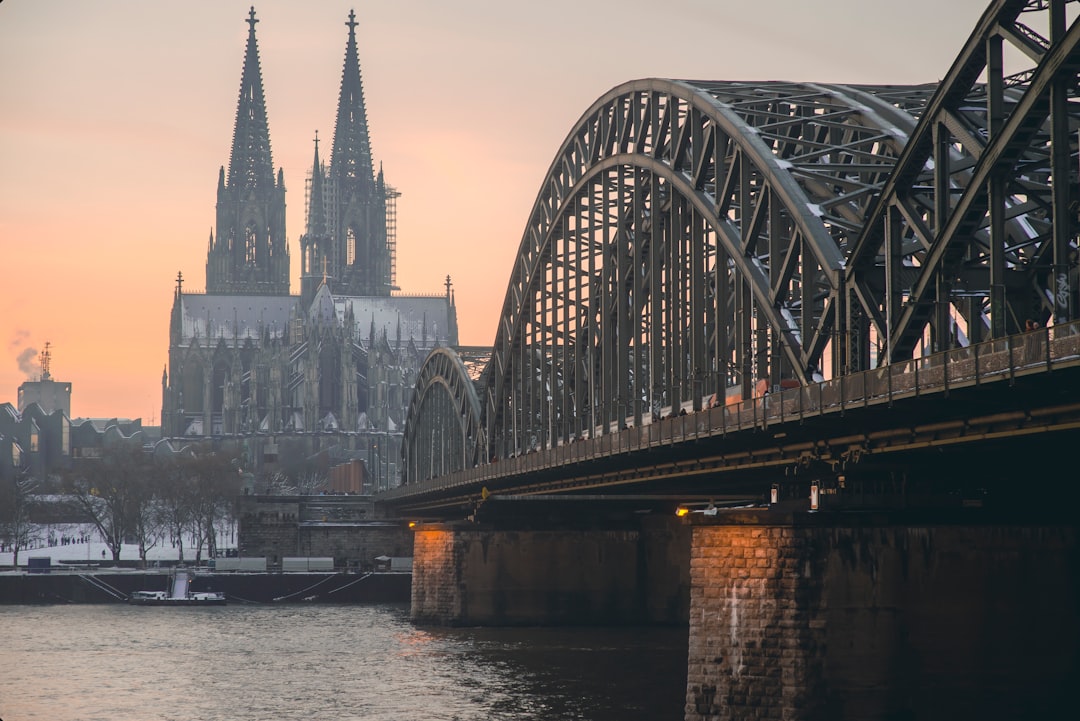
Germany stands as one of Europe’s most fascinating travel destinations, offering a perfect blend of rich history, stunning architecture, vibrant culture, and modern amenities. However, many travelers find themselves wondering about the financial aspects of visiting this Central European powerhouse. Understanding the cost of living in Germany for travelers is crucial for effective budget planning and ensuring you can fully enjoy your German adventure without breaking the bank.
Whether you’re planning a weekend getaway to Berlin, a romantic trip along the Rhine Valley, or an extended exploration of Bavaria’s castles and beer gardens, this comprehensive guide will provide you with detailed insights into every aspect of travel expenses in Germany. From accommodation and dining to transportation and entertainment, we’ll break down the costs to help you create a realistic budget for your German journey.
Understanding Germany’s Economic Landscape for Travelers
Germany operates as Europe’s largest economy and maintains a high standard of living, which directly impacts travel costs. The country uses the Euro (€) as its currency, and prices generally reflect the nation’s prosperity and economic stability. Compared to neighboring countries, Germany sits in the middle range for European travel costs – more expensive than Eastern European destinations but generally more affordable than Switzerland, Norway, or Denmark.
The cost of living varies significantly between different regions and cities. Major metropolitan areas like Munich, Frankfurt, and Hamburg typically command higher prices, while smaller cities and rural areas offer more budget-friendly options. Understanding these regional differences will help you make informed decisions about your travel itinerary and budget allocation.
Accommodation Costs Across Different Options
Budget Accommodation Options
For budget-conscious travelers, Germany offers numerous affordable accommodation choices. Hostels remain the most economical option, with dormitory beds typically ranging from €15-30 per night in major cities and €10-20 in smaller towns. Many German hostels provide excellent facilities including free Wi-Fi, communal kitchens, and organized activities.
Budget hotels and guesthouses offer more privacy while maintaining affordability. Expect to pay €40-70 per night for basic double rooms in cities, with prices dropping to €25-50 in rural areas. These establishments often include breakfast and provide clean, comfortable accommodations with essential amenities.
Mid-Range Accommodation
Mid-range hotels and boutique accommodations typically charge €80-150 per night for double occupancy in major cities. These properties offer enhanced comfort, better locations, and additional services such as room service, fitness centers, and concierge assistance. In smaller cities and towns, similar quality accommodations range from €60-100 per night.
Vacation rentals and apartments have gained popularity among travelers seeking home-like amenities. Platforms like Airbnb offer options ranging from €50-120 per night for entire apartments in cities, with significant savings possible for longer stays or group travel.
Luxury Accommodation
Luxury hotels and resorts in Germany command premium prices, typically starting at €200-300 per night in major cities and reaching €500+ for five-star properties. These establishments offer exceptional service, prime locations, spa facilities, and gourmet dining options.
Food and Dining Expenses
Street Food and Quick Meals
Germany’s street food scene provides excellent value for money. Currywurst, bratwurst, and döner kebabs typically cost €3-6, making them perfect for budget travelers. Bakeries offer fresh pretzels, sandwiches, and pastries for €2-5, providing both convenience and authentic German flavors.
Fast-food chains like McDonald’s or Burger King charge similar prices to other European countries, with meals ranging from €6-9. However, exploring local quick-service options often provides better value and more authentic experiences.
Restaurant Dining
Budget restaurants and gastropubs serve hearty German meals for €8-15. Traditional dishes like schnitzel, sauerbraten, and regional specialties offer excellent portions and authentic flavors. Many restaurants provide lunch specials (Mittagstisch) featuring reduced prices from €6-12.
Mid-range dining establishments charge €15-25 for main courses, offering elevated cuisine and better ambiance. These restaurants often feature regional specialties, craft beers, and professional service.
Fine dining experiences in Germany can range from €40-80+ for multi-course meals, particularly in Michelin-starred establishments or exclusive restaurants in major cities.
Grocery Shopping and Self-Catering
Grocery shopping offers significant savings for travelers with kitchen access. German supermarket chains like Aldi, Lidl, and Rewe provide competitive prices. Basic grocery items include:
- Bread: €1-3
- Milk (1 liter): €0.80-1.20
- Eggs (dozen): €2-3
- Local beer (6-pack): €3-6
- Fresh produce: €1-4 per kilogram
- Cheese and deli items: €5-15 per 250g
Transportation Costs and Options
Public Transportation
Germany boasts one of Europe’s most efficient public transportation systems. Local public transport in major cities costs €2-3.50 for single tickets, with day passes ranging from €6-8. Weekly passes offer better value for extended stays, typically costing €25-35.
Regional trains (RE/RB) connect cities within states and charge distance-based fares. Short journeys of 50-100km typically cost €8-15, while longer regional trips can reach €25-40.
High-speed trains (ICE/IC) provide rapid connections between major cities. Advance booking can secure tickets from €19-29 for popular routes, while last-minute purchases may cost €50-150+ depending on distance and demand.
Transportation Passes and Discounts
The German Rail Pass offers unlimited travel on most trains for periods ranging from 3-15 days. Prices start at approximately €240 for 3 consecutive days, with significant savings for frequent travelers.
Regional day tickets provide excellent value for exploring specific areas. Länder-Tickets allow unlimited regional train travel within individual states for €25-35 per day, accommodating up to 5 travelers.
Car Rental and Fuel Costs
Car rental prices vary seasonally and by vehicle type. Economy cars typically cost €25-45 per day, while larger vehicles or luxury options can reach €60-100+ daily. Fuel costs approximately €1.40-1.60 per liter, and parking in city centers ranges from €1-4 per hour.
Alternative Transportation
Ride-sharing services like Uber operate in major German cities, with typical urban rides costing €8-20. Bike rentals offer an economical and eco-friendly option, typically charging €10-15 per day. Many cities provide excellent cycling infrastructure and bike-sharing programs.
Entertainment and Activity Costs
Museums and Cultural Attractions
Germany’s rich cultural landscape includes numerous world-class museums and historical sites. Museum entrance fees typically range from €8-15, with many offering student discounts or family packages. Major attractions like Neuschwanstein Castle charge €13-15 for standard tours.
Museum passes in cities like Berlin or Munich provide access to multiple institutions for €24-35, offering significant savings for culture enthusiasts. Many cities also designate free museum days or reduced-price evening hours.
Tours and Guided Experiences
Walking tours, particularly free tours with tip-based payments, provide excellent value and local insights. Standard guided tours range from €15-30 per person, while specialized experiences like brewery tours or cooking classes cost €40-80.
Day trips to popular destinations like the Black Forest or Rhine Valley through organized tour companies typically cost €50-120, including transportation and guided commentary.
Nightlife and Entertainment
Germany’s famous beer culture offers affordable entertainment options. Local beer gardens and pubs serve traditional 0.5-liter steins for €3-6. Nightclubs in major cities charge entry fees of €10-20, with drinks priced at €5-10.
Theater performances, concerts, and opera typically range from €25-80 for standard seats, with premium locations commanding higher prices. Many venues offer student discounts or last-minute deals.
Shopping and Souvenir Expenses
Germany offers diverse shopping experiences from luxury boutiques to traditional markets. Souvenir prices vary widely, with small items like postcards or magnets costing €1-5, while quality crafts, beer steins, or traditional clothing range from €20-100+.
Christmas markets, particularly famous in cities like Dresden and Nuremberg, offer unique shopping opportunities. Handcrafted items and seasonal treats typically cost €5-30, providing authentic German experiences.
Tax-free shopping allows non-EU residents to reclaim VAT on purchases exceeding €25, providing savings of approximately 16-19% on eligible items.
Regional Cost Variations
Major Cities
Munich and Frankfurt rank among Germany’s most expensive cities, with accommodation and dining costs typically 20-30% above national averages. Berlin, despite being the capital, offers more reasonable prices, particularly for food and entertainment.
Hamburg and Cologne present moderate pricing, while cities like Dresden and Leipzig in former East Germany provide excellent value with rich cultural offerings at lower costs.
Rural and Small Town Areas
Smaller cities and rural regions offer significant savings across all expense categories. Accommodation costs can be 40-50% lower than major cities, while dining and transportation expenses also decrease substantially. These areas often provide authentic German experiences with fewer crowds and more personal interactions.
Money-Saving Tips for Travelers
Budget Planning Strategies
Advance planning significantly reduces travel costs. Booking accommodations and transportation early, particularly during peak seasons, can save 30-50%. Consider traveling during shoulder seasons (April-May, September-October) for better prices and pleasant weather.
Flexible itineraries allow you to take advantage of last-minute deals and special offers. Many German hotels and restaurants provide mid-week discounts or seasonal promotions.
Free and Low-Cost Activities
Germany offers numerous free attractions including parks, architectural landmarks, and markets. Many cities provide free walking tour options, and churches often welcome visitors without charge. Public beaches along the Baltic and North Sea coasts offer recreational opportunities at no cost.
Happy hour specials and lunch menus provide restaurant experiences at reduced prices. Many establishments offer early evening discounts or special pricing for groups.
Sample Daily Budgets
Budget Travel: €40-60 per day
- Accommodation: €15-25 (hostel dormitory)
- Meals: €15-25 (street food, grocery stores, budget restaurants)
- Transportation: €5-10 (public transport, walking)
- Activities: €5-10 (free attractions, occasional museum)
Mid-Range Travel: €80-120 per day
- Accommodation: €40-60 (private room, budget hotel)
- Meals: €25-40 (mix of restaurants and self-catering)
- Transportation: €10-15 (public transport, occasional taxi)
- Activities: €15-25 (museums, tours, entertainment)
Luxury Travel: €200+ per day
- Accommodation: €100-200+ (upscale hotels)
- Meals: €50-80 (fine dining, quality restaurants)
- Transportation: €20-40 (taxis, rental cars, first-class trains)
- Activities: €30-50+ (premium experiences, guided tours)
Payment Methods and Financial Tips
Germany increasingly accepts card payments, though cash remains important, especially in smaller establishments. ATMs are widely available, but international withdrawal fees can accumulate. Consider travel-friendly bank accounts or prepaid cards to minimize fees.
Tipping practices in Germany involve rounding up bills or adding 5-10% for good service in restaurants. Taxis typically receive small tips, while hotel staff appreciate €1-2 for services.
Conclusion
Understanding the cost of living in Germany for travelers enables you to plan effectively and maximize your experience within your budget. Germany offers options for every financial situation, from budget-conscious backpackers to luxury travelers seeking premium experiences. The key lies in understanding regional variations, taking advantage of money-saving opportunities, and balancing your priorities between accommodation, dining, transportation, and activities.
By planning ahead, remaining flexible, and utilizing the tips outlined in this guide, you can experience Germany’s rich culture, stunning landscapes, and warm hospitality without financial stress. Remember that the best travel experiences often come from authentic interactions with local culture rather than expensive attractions, and Germany provides countless opportunities for meaningful exploration regardless of your budget constraints.
Start planning your German adventure today by creating a detailed budget based on your travel style and priorities. With proper preparation and realistic expectations, your journey through Germany will provide unforgettable memories and excellent value for your investment.