Germany may be renowned for its industrial prowess and cultural heritage, but beneath this reputation lies a country blessed with extraordinary natural beauty. From the dramatic Alpine peaks in the south to the pristine coastal landscapes in the north, Germany offers an impressive array of natural wonders that rival any European destination. With 16 national parks, over 12,000 lakes, and mountain ranges spanning multiple regions, the country presents endless opportunities for outdoor enthusiasts and nature lovers.
Whether you’re seeking tranquil lakeside retreats, challenging mountain hikes, or immersive wildlife experiences, Germany’s diverse ecosystems provide something for every type of nature enthusiast. This comprehensive guide explores the country’s most spectacular lakes, majestic mountains, and protected national parks, offering insights into what makes each destination unique and how to make the most of your visit.
Germany’s Most Beautiful Lakes
Lake Constance (Bodensee): The Swabian Sea
Spanning across Germany, Austria, and Switzerland, Lake Constance stands as one of Central Europe’s largest lakes. With a surface area of 536 square kilometers, this Alpine lake offers crystal-clear waters framed by snow-capped mountains and charming medieval towns. The German shoreline stretches for approximately 173 kilometers, featuring numerous beaches, harbors, and recreational facilities.
The lake’s moderate climate creates ideal conditions for swimming, sailing, and water sports from May through September. Notable German destinations along the lake include Konstanz, with its historic old town, and Lindau, famous for its picturesque harbor entrance guarded by a lighthouse and Bavarian lion statue.
Königssee: Bavaria’s Emerald Jewel
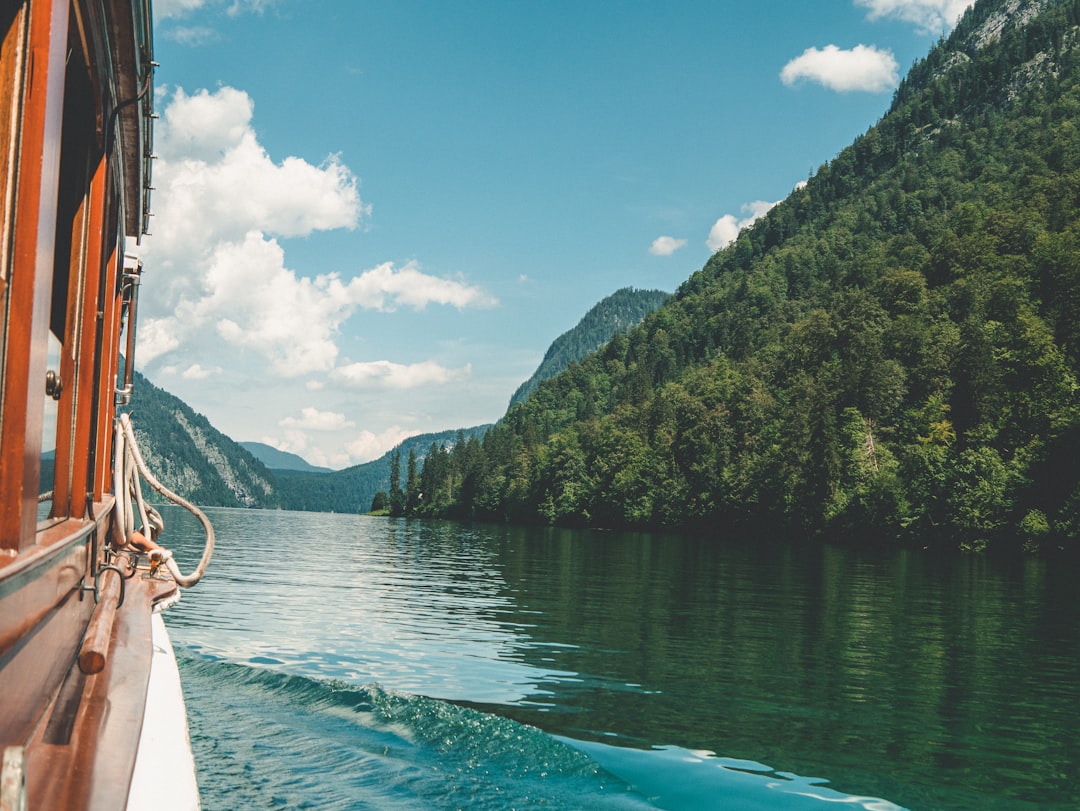
Königssee, located in Berchtesgaden National Park, represents one of Germany’s most pristine Alpine lakes. This glacially-formed lake stretches 7.7 kilometers through a narrow valley surrounded by towering limestone cliffs that rise nearly 2,000 meters above the water surface. The lake’s exceptional water quality and protected status have preserved its natural beauty for generations.
Electric boat tours provide the primary means of exploring Königssee, as combustion engines are prohibited to maintain the lake’s pristine environment. These silent journeys offer passengers the famous echo demonstration at the lake’s narrowest point, where boat captains traditionally play a trumpet or flugelhorn, and the sound reverberates off the surrounding mountains.
Müritz: Heart of the Lake District
Germany’s second-largest lake, Müritz, serves as the centerpiece of Mecklenburg-Vorpommern’s stunning lake district. Covering 117 square kilometers, this shallow lake provides excellent conditions for sailing, fishing, and birdwatching. The surrounding Müritz National Park protects over 100,000 hectares of pristine landscapes, including ancient beech forests and wetlands.
The lake region features more than 1,000 interconnected lakes, creating an extensive network of waterways perfect for multi-day canoe expeditions. Waren (Müritz), the region’s largest town, offers excellent facilities for visitors, including marinas, restaurants, and the informative Müritz Museum.
Chiemsee: Bavaria’s Largest Lake
Known as the “Bavarian Sea,” Chiemsee covers 80 square kilometers in the foothills of the Alps. The lake features three main islands, with Herrenchiemsee housing Ludwig II’s magnificent palace, often called Bavaria’s Versailles. The surrounding landscape combines Alpine foothills with traditional Bavarian countryside, creating picturesque vistas from every angle.
The lake’s thermal springs and mild microclimate support diverse flora and fauna, while numerous beaches and sailing clubs cater to recreational activities. The historic steam paddle-wheeler Ludwig Fessler continues to operate regular services between lakeside towns and islands.
Majestic Mountain Ranges
Bavarian Alps: Germany’s Highest Peaks
The Bavarian Alps form Germany’s most dramatic mountain landscape, featuring the country’s highest peak, Zugspitze, at 2,962 meters. This mountain range extends along the Austrian border, offering world-class hiking, skiing, and mountaineering opportunities. The region encompasses several sub-ranges, including the Wetterstein, Berchtesgaden Alps, and Allgäu Alps.
Garmisch-Partenkirchen serves as the primary gateway to the Zugspitze, accessible via cogwheel train or cable car. The summit provides breathtaking 360-degree views across four countries and features Germany’s highest beer garden, glacier skiing, and research facilities.
Black Forest (Schwarzwald): Rolling Highland Beauty
The Black Forest stretches across 6,000 square kilometers in southwestern Baden-Württemberg, characterized by densely forested hills, traditional villages, and pristine valleys. This low mountain range reaches its highest point at Feldberg (1,493 meters), offering excellent hiking trails and panoramic views.
The region’s cuckoo clock tradition and thermal springs have made it internationally famous, while extensive trail networks cater to hikers of all abilities. The Black Forest High Road (Schwarzwaldhochstraße) provides scenic driving routes through the region’s most beautiful landscapes.
Harz Mountains: Central Germany’s Wilderness
The Harz Mountains represent the highest mountain range in northern Germany, with Brocken peak reaching 1,141 meters. This ancient landscape combines granite peaks, deep valleys, and extensive forests, creating a mysterious atmosphere that has inspired countless German legends and fairy tales.
The historic Harz Narrow Gauge Railway still operates steam trains to Brocken’s summit, while the region offers excellent hiking trails, including portions of the European long-distance path E11. The area’s mining heritage is preserved in numerous museums and historic sites throughout the region.
Saxon Switzerland: Sandstone Wonders
Saxon Switzerland features one of Germany’s most unique mountain landscapes, characterized by dramatic sandstone formations, deep canyons, and natural rock bridges. Located along the Elbe River near Dresden, this region offers spectacular climbing opportunities and scenic hiking trails.
The iconic Bastei Bridge provides one of Germany’s most photographed mountain vistas, while the fortress of Königstein perches dramatically on a sandstone plateau. The area’s unique geology has created a specialized climbing culture with traditional Saxon climbing rules that emphasize environmental protection.
National Parks: Protected Natural Treasures
Berchtesgaden National Park: Alpine Paradise
Berchtesgaden National Park, established in 1978, protects 210 square kilometers of pristine Alpine landscape in southeastern Bavaria. The park encompasses dramatic mountain peaks, pristine lakes, and extensive forests, representing one of Germany’s most biodiverse ecosystems.
The park’s strict conservation policies maintain natural processes while providing carefully managed access for visitors. Key attractions include Königssee, the Watzmann massif, and numerous hiking trails ranging from family-friendly walks to challenging Alpine routes. The park’s visitor center in Berchtesgaden provides comprehensive information about local wildlife, geology, and conservation efforts.
Bavarian Forest National Park: Central Europe’s Green Heart
As Germany’s first national park, established in 1970, Bavarian Forest National Park covers 243 square kilometers along the Czech border. The park’s philosophy of “letting nature be nature” has created a unique wilderness area where natural processes proceed without human intervention.
The park’s extensive trail system includes the Tree Top Walk Bavarian Forest, providing elevated perspectives on the forest canopy. Wildlife viewing opportunities include lynx, capercaillie, and various owl species, while the park’s research programs contribute significantly to forest ecology understanding.
Wadden Sea National Parks: Coastal Wilderness
Three separate Wadden Sea National Parks protect Germany’s North Sea coast, covering over 4,400 square kilometers of tidal flats, islands, and coastal waters. This UNESCO World Heritage site represents one of the world’s most important wetland ecosystems, supporting millions of migratory birds annually.
The parks’ guided mudflat walks provide unique opportunities to explore this dynamic ecosystem during low tide. Visitors can observe seals, diverse bird species, and specialized marine life while learning about tidal influences and coastal dynamics. The parks also protect traditional coastal communities and their cultural heritage.
Eifel National Park: Ancient Landscapes Renewed
Established in 2004, Eifel National Park encompasses 110 square kilometers of ancient volcanic landscape in western Germany. The park’s diverse habitats include beech forests, moorlands, and grasslands, supporting over 2,300 endangered species.
The park’s accessibility features include barrier-free trails and specialized programs for visitors with disabilities. The Wild Cat Trail and various themed walks provide educational experiences about forest ecology, while the park’s astronomical observatory offers unique stargazing opportunities in a certified Dark Sky area.
Planning Your Nature Adventure in Germany
Best Times to Visit
Germany’s diverse landscapes offer year-round opportunities for nature enthusiasts, though timing varies by region and activity. Spring (April-June) provides ideal conditions for hiking, with moderate temperatures and blooming wildflowers. Summer months offer the best weather for lake activities and high-altitude mountain adventures.
Autumn (September-November) presents spectacular foliage displays, particularly in the Black Forest and Bavarian regions, while winter transforms the landscape into a wonderland perfect for skiing, snowshoeing, and winter hiking in properly equipped areas.
Transportation and Accessibility
Germany’s excellent public transportation system provides convenient access to most natural areas. The German Rail Pass offers unlimited travel on trains, while regional bus services connect smaller communities and trailheads. Many national parks provide shuttle services to reduce traffic impact on sensitive areas.
Car rental remains the most flexible option for exploring remote areas, though parking restrictions apply in many protected zones. Bike-friendly infrastructure throughout Germany supports cycling adventures, with dedicated bike paths connecting major natural attractions.
Accommodation Options
Germany offers diverse accommodation options near natural areas, from luxury spa resorts to basic mountain huts. Youth hostels provide budget-friendly options in many national parks, while traditional gasthofs offer authentic regional experiences with local cuisine.
Camping is permitted in designated areas within most national parks, though advance reservations are typically required during peak seasons. Eco-certified accommodations throughout the country demonstrate commitment to sustainable tourism practices.
Conservation and Sustainability
Environmental Protection Efforts
Germany’s commitment to environmental protection extends throughout its natural areas, with strict regulations governing visitor access and land use. National park authorities work continuously to balance conservation goals with public access, implementing carrying capacity limits and seasonal restrictions where necessary.
The country’s renewable energy initiatives increasingly power visitor facilities and transportation systems, while comprehensive recycling programs minimize waste impact in natural areas. Educational programs in schools and communities promote environmental awareness and responsible outdoor ethics.
Responsible Tourism Practices
Visitors can support conservation efforts by following Leave No Trace principles and respecting wildlife viewing guidelines. Staying on designated trails, camping only in permitted areas, and properly disposing of waste help preserve these natural treasures for future generations.
Supporting local businesses, choosing sustainable transportation options, and participating in volunteer conservation programs provide additional ways to contribute positively to Germany’s natural heritage preservation.
Conclusion
Germany’s natural landscapes offer extraordinary diversity and beauty that complement the country’s cultural attractions perfectly. From the pristine Alpine lakes of Bavaria to the dramatic coastlines of the North Sea, these protected areas provide essential habitat for wildlife while offering countless opportunities for outdoor recreation and spiritual renewal.
The country’s commitment to conservation, combined with excellent infrastructure and accessibility, makes Germany an ideal destination for nature lovers of all ages and abilities. Whether you seek adventure on mountain peaks, tranquility beside pristine lakes, or education in world-class national parks, Germany’s natural heritage provides experiences that will create lasting memories and inspire deeper appreciation for our planet’s precious ecosystems.
As you plan your journey through Germany’s natural wonders, remember that these landscapes represent not just destinations, but living ecosystems that require our respect and protection. By visiting responsibly and supporting conservation efforts, you become part of the ongoing story of preserving these magnificent natural treasures for future generations to discover and cherish.