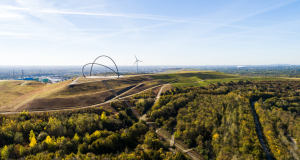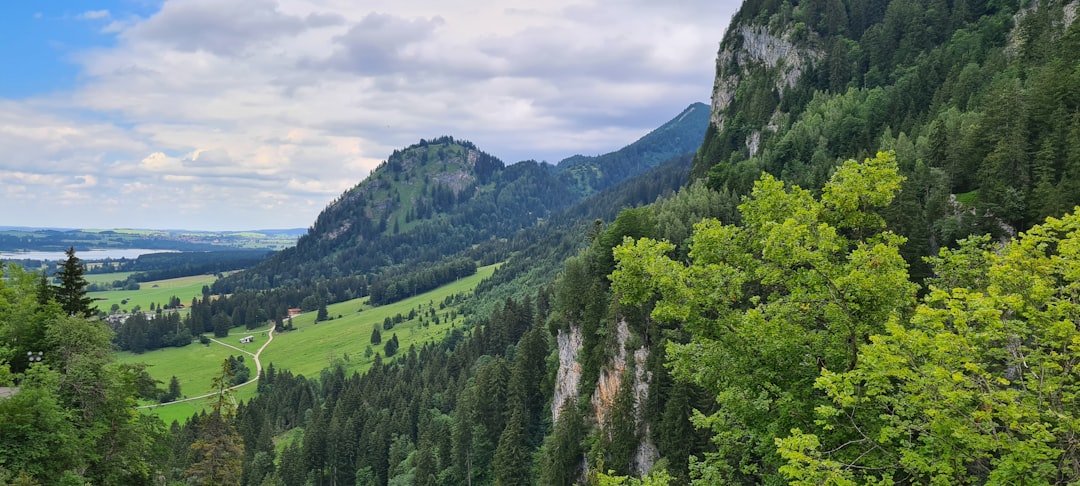
Germany offers some of Europe’s most diverse and spectacular hiking opportunities, from the snow-capped peaks of the Bavarian Alps to the mystical depths of the Black Forest. With over 200,000 kilometers of marked hiking trails traversing varied landscapes, Germany provides exceptional outdoor experiences for hikers of all skill levels. Whether you’re seeking challenging alpine adventures or gentle forest walks, this comprehensive guide will help you discover the country’s finest hiking destinations.
Why Germany is a Hiker’s Paradise
Germany’s geographical diversity creates an extraordinary hiking playground. The country features dramatic mountain ranges, pristine forests, rolling hills, coastal paths, and river valleys, all connected by an exceptionally well-maintained trail network. The German hiking culture emphasizes safety, environmental preservation, and accessibility, making it an ideal destination for international visitors.
The country’s hiking infrastructure is second to none, featuring standardized trail markings, comprehensive signage, and detailed topographic maps. Most trails are meticulously maintained by local hiking clubs and volunteers, ensuring consistent quality and safety standards across all regions.
Top Hiking Regions in Germany
The Bavarian Alps
The Bavarian Alps represent Germany’s crown jewel for mountain hiking enthusiasts. This region offers everything from gentle valley walks to challenging high-alpine routes, with stunning mountain vistas, crystal-clear lakes, and traditional Alpine culture.
Key Highlights:
- Zugspitze area near Garmisch-Partenkirchen
- Berchtesgaden National Park
- Allgäu region including Oberstdorf
- Chiemgau Alps around Chiemsee
The region features numerous mountain huts (Berghütten) providing overnight accommodation and traditional Alpine cuisine, making multi-day treks both comfortable and authentic. Trail difficulty ranges from family-friendly lakeside paths to technical via ferrata routes requiring mountaineering experience.
The Black Forest (Schwarzwald)
The Black Forest captivates hikers with its dense coniferous forests, charming villages, and traditional cuckoo clock workshops. This southwestern region offers extensive trail networks through pristine wilderness areas and cultural landscapes.
Notable Features:
- Westweg long-distance trail (285 kilometers)
- Feldberg summit area
- Wutach Gorge nature preserve
- Traditional Black Forest farmhouses and culture
The Black Forest provides excellent hiking opportunities year-round, with well-marked trails ranging from short circular walks to challenging long-distance routes. The region’s moderate elevation and temperate climate make it particularly suitable for spring and autumn hiking.
Saxon Switzerland National Park
Saxon Switzerland National Park, located near Dresden, features unique sandstone rock formations creating a landscape unlike anywhere else in Germany. The area offers spectacular climbing opportunities alongside traditional hiking trails.
Distinctive Attractions:
- Bastei Bridge and rock formations
- Malerweg (Painter’s Way) long-distance trail
- Königstein Fortress
- Elbe River valley views
Rhine Valley and Moselle Region
The Rhine and Moselle valleys combine spectacular river landscapes with historic castles, vineyards, and cultural heritage sites. These regions offer gentler hiking opportunities with significant historical and cultural interest.
Hiking Highlights:
- Rheinsteig long-distance trail
- Moselle Wine Trail
- Numerous castle ruins and medieval towns
- Vineyard terraces and wine-tasting opportunities
Harz Mountains
The Harz Mountains in central Germany provide excellent hiking opportunities through mixed forests, historic mining areas, and legendary landscapes associated with German folklore. The region features the famous Brocken peak, Germany’s northernmost mountain over 1,000 meters.
Best Hiking Trails by Difficulty Level
Beginner-Friendly Trails
Lake Königssee Circuit, Berchtesgaden: This scenic 7-kilometer trail around Germany’s deepest lake offers stunning alpine views without significant elevation gain. The trail features boat access options and traditional mountain restaurants.
Partnach Gorge, Garmisch-Partenkirchen: A spectacular 1.5-kilometer gorge walk through dramatic limestone formations with waterfalls and narrow canyon passages. The trail requires minimal hiking experience while providing extraordinary natural scenery.
Triberg Waterfalls Trail, Black Forest: An easy 3-kilometer circuit leading to Germany’s highest waterfalls, featuring well-maintained paths and multiple viewing platforms suitable for all ages.
Intermediate Trails
Malerweg Trail, Saxon Switzerland: This 112-kilometer long-distance trail can be completed in sections, offering moderate difficulty with spectacular sandstone rock formations and panoramic viewpoints.
Westweg Section: Pforzheim to Freudenstadt: A 65-kilometer section of the famous Black Forest long-distance trail featuring rolling hills, forest paths, and traditional villages.
Eagle’s Nest Trail, Berchtesgaden: A challenging 6-kilometer hike with significant elevation gain leading to Hitler’s former mountaintop retreat, now offering historical interpretation and alpine views.
Advanced and Expert Trails
Zugspitze Summit via Reintal Route: Germany’s highest peak accessible via a demanding 19-kilometer trail with 2,200 meters elevation gain. This route requires excellent fitness and mountain hiking experience.
Watzmann East Ridge, Berchtesgaden: An extremely challenging alpine route requiring technical climbing skills and mountaineering equipment. This trail is suitable only for experienced climbers with proper training.
Via Ferrata Routes, Allgäu: Multiple assisted climbing routes featuring steel cables, ladders, and bridges attached to rock faces, requiring specialized equipment and technical knowledge.
Essential Hiking Equipment for German Trails
Proper equipment selection depends on your chosen region, season, and trail difficulty. However, certain items remain essential for safe and comfortable hiking throughout Germany.
Basic Equipment List
- Hiking boots: Waterproof, ankle-supporting footwear appropriate for varied terrain
- Weather protection: Waterproof jacket and pants for sudden weather changes
- Navigation tools: Detailed topographic maps, GPS device, or smartphone with offline maps
- Emergency equipment: First aid kit, whistle, emergency shelter
- Hydration and nutrition: Adequate water supply and high-energy snacks
Seasonal Considerations
Spring and Summer: Lightweight clothing with layers, sun protection, insect repellent, and rain gear for afternoon thunderstorms common in mountain regions.
Autumn and Winter: Warm layers, waterproof outer shells, microspikes or crampons for icy conditions, and headlamps for shorter daylight hours.
Trail Safety and Etiquette
German hiking culture emphasizes safety, environmental responsibility, and respect for other trail users. Understanding local customs and safety practices enhances your hiking experience while ensuring positive interactions with local communities.
Safety Guidelines
- Always inform someone of your hiking plans and expected return time
- Check weather forecasts and trail conditions before departure
- Carry emergency communication devices in remote areas
- Stay on marked trails to protect fragile ecosystems
- Be prepared for rapid weather changes, especially in mountain regions
Environmental Etiquette
Germany maintains strict environmental protection standards for natural areas. Follow Leave No Trace principles by packing out all trash, staying on designated trails, and respecting wildlife habitats. Many regions have specific regulations regarding camping, fires, and noise levels.
Best Times to Hike in Germany
Hiking seasons vary significantly across German regions due to elevation and geographical differences. Understanding seasonal conditions helps optimize your hiking experience and safety.
Seasonal Hiking Calendar
Spring (March-May): Lower elevation areas become accessible as snow melts, with wildflowers blooming and moderate temperatures. Higher mountain areas may still have snow and require winter equipment.
Summer (June-August): Peak hiking season with all elevations accessible, longest daylight hours, and warmest weather. However, expect crowds on popular trails and afternoon thunderstorms in mountain regions.
Autumn (September-November): Excellent hiking conditions with cooler temperatures, stunning fall foliage, and fewer crowds. Early season offers stable weather, while late autumn may bring snow to higher elevations.
Winter (December-February): Limited to lower elevations and prepared trails, with beautiful snow-covered landscapes. Many mountain trails become inaccessible or require specialized winter hiking equipment.
Planning Your German Hiking Adventure
Successful hiking trips require careful planning, especially when visiting multiple regions or undertaking long-distance trails. Consider transportation, accommodation, and local services when developing your itinerary.
Transportation Options
Germany’s excellent public transportation system provides access to most hiking areas without requiring rental cars. Regional trains, buses, and cable cars connect major cities to trailheads, making car-free hiking vacations entirely feasible.
Many regions offer special hiking transportation passes providing unlimited travel on public transport and cable cars within designated areas, often including discounts on accommodation and dining.
Accommodation Choices
- Mountain huts: Traditional Alpine accommodation with meals and basic amenities
- Guesthouses and hotels: Comfortable lodging in valley towns and cities
- Camping: Designated campgrounds near popular hiking areas
- Youth hostels: Budget-friendly options in most hiking regions
Cultural Experiences Along German Hiking Trails
German hiking trails often pass through areas rich in cultural heritage, providing opportunities to experience local traditions, cuisine, and history alongside natural beauty.
Traditional mountain huts serve regional specialties including hearty soups, local sausages, and freshly baked bread. Many trails pass historic sites such as medieval castles, abandoned mines, and traditional villages where local customs remain strong.
Regional festivals and events often coincide with hiking seasons, offering authentic cultural experiences including folk music, traditional crafts, and seasonal celebrations.
Conclusion
Germany’s diverse hiking landscapes offer extraordinary opportunities for outdoor enthusiasts of all experience levels. From the dramatic peaks of the Bavarian Alps to the mystical forests of the Black Forest, each region provides unique experiences combining natural beauty with rich cultural heritage.
The country’s exceptional trail infrastructure, safety standards, and environmental protection make it an ideal destination for both novice and experienced hikers. Whether you’re planning a day hike or an extended trekking adventure, Germany’s hiking trails promise unforgettable experiences in some of Europe’s most beautiful landscapes.
Start planning your German hiking adventure today by researching specific trails that match your interests and abilities. With proper preparation and respect for local customs and environments, your hiking experience in Germany will create lasting memories and inspire future outdoor adventures.