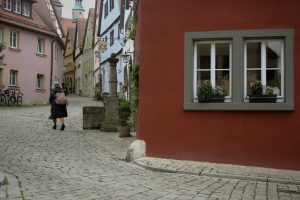
Germany’s strategic location and excellent transportation infrastructure make it a paradise for day trip enthusiasts. Whether you’re based in bustling metropolises like Berlin and Munich or exploring from smaller cities, countless fascinating destinations await within a few hours’ journey. This comprehensive guide explores the most rewarding day trips from Germany’s major cities, offering everything from fairy-tale castles and UNESCO World Heritage sites to pristine natural landscapes and charming medieval towns.
Day Trips from Berlin
Germany’s capital city serves as an excellent base for exploring the country’s rich history and diverse landscapes. The region surrounding Berlin offers remarkable destinations that showcase both the nation’s tumultuous past and its natural beauty.
Potsdam: Prussian Palaces and Gardens
Distance: 35 kilometers (30-45 minutes by train)
Potsdam stands as one of Germany’s most magnificent day trip destinations, featuring the spectacular Sanssouci Palace and its extensive gardens. This UNESCO World Heritage site showcases the grandeur of Prussian royalty through its rococo architecture and meticulously designed landscapes. The New Palace, with its imposing baroque facade, and the Chinese House demonstrate the eclectic tastes of Frederick the Great.
Visitors should allocate at least six hours to explore the palace complex thoroughly. The park covers 290 hectares and includes multiple palaces, temples, and gardens. Pro tip: Purchase tickets online in advance, especially during summer months, as visitor numbers are limited to preserve the delicate interiors.
Spreewald Biosphere Reserve
Distance: 100 kilometers (1.5 hours by train and bus)
The Spreewald offers a unique landscape of waterways, forests, and traditional Sorbian culture. This biosphere reserve features over 200 small channels that can be explored by traditional punt boats called “Kähne.” The region is famous for its pickled cucumbers and provides excellent hiking and cycling opportunities through pristine wetlands.
Sachsenhausen Memorial
Distance: 35 kilometers (45 minutes by S-Bahn)
This former concentration camp serves as a sobering reminder of Germany’s dark historical chapter. The memorial site offers guided tours and educational exhibits that provide essential historical context. While emotionally challenging, it represents a crucial component of understanding German history and serves as a powerful educational experience.
Day Trips from Munich
Munich’s location in southern Bavaria provides access to some of Germany’s most iconic destinations, from Alpine lakes to fairy-tale castles and historic towns.
Neuschwanstein Castle
Distance: 120 kilometers (2 hours by train and bus)
Perhaps Germany’s most famous castle, Neuschwanstein inspired Disney’s Sleeping Beauty Castle and represents the romantic ideals of King Ludwig II. The castle overlooks the village of Hohenschwangau and provides breathtaking views of the surrounding Alpine landscape. Visitors must book timed entry tickets in advance, as this popular destination sells out quickly.
The nearby Hohenschwangau Castle, where Ludwig II spent his childhood, offers additional historical context and stunning neo-Gothic architecture. Allow a full day for this trip to fully appreciate both castles and their magnificent settings.
Salzburg, Austria
Distance: 150 kilometers (1.5 hours by train)
While technically in Austria, Salzburg makes for an exceptional day trip from Munich. This UNESCO World Heritage city features baroque architecture, the birthplace of Mozart, and the stunning Hohensalzburg Fortress. The historic center, with its narrow medieval streets and elegant squares, provides a perfect backdrop for exploring classical music history and Austrian culture.
Rothenburg ob der Tauber
Distance: 180 kilometers (2.5 hours by train)
This perfectly preserved medieval town represents one of Germany’s most photogenic destinations. The complete city walls, traditional half-timbered houses, and Gothic and Renaissance architecture create an authentic medieval atmosphere. The Christmas Market Museum operates year-round, while the Medieval Museum provides insights into daily life during the Middle Ages.
Lake Chiemsee
Distance: 85 kilometers (1 hour by train)
Known as “Bavaria’s Sea,” Lake Chiemsee offers pristine Alpine scenery and Herrenchiemsee Palace, another creation of King Ludwig II. The palace, modeled after Versailles, sits on an island accessible by ferry. The lake provides excellent swimming, sailing, and hiking opportunities, particularly during warmer months.
Day Trips from Hamburg
Germany’s northern gateway provides access to coastal landscapes, historic Hanseatic cities, and unique cultural experiences.
Lübeck
Distance: 65 kilometers (45 minutes by train)
This UNESCO World Heritage city served as the capital of the Hanseatic League and retains its medieval character through impressive brick Gothic architecture. The Holstentor gate, St. Mary’s Church, and the historic Altstadt demonstrate the city’s former wealth and influence. Lübeck is also famous for its marzipan, with several shops offering tastings and demonstrations.
Lüneburg
Distance: 55 kilometers (30 minutes by train)
This charming town features well-preserved medieval architecture and colorful half-timbered houses that tilt at various angles due to the underlying salt deposits. The town’s wealth historically derived from salt trading, and visitors can explore this heritage at the German Salt Museum. The nearby Lüneburg Heath offers excellent hiking and cycling opportunities, particularly beautiful during late summer when the heather blooms.
Helgoland
Distance: Ferry journey of 2.5 hours from Cuxhaven
Germany’s only offshore island offers dramatic red cliffs, duty-free shopping, and excellent bird-watching opportunities. This car-free island provides a unique maritime experience and serves as an important stopover for migrating birds. The journey requires more planning but rewards visitors with spectacular coastal scenery and fresh sea air.
Day Trips from Cologne
Cologne’s central location in North Rhine-Westphalia provides access to historic cities, industrial heritage sites, and beautiful river valleys.
Bonn
Distance: 30 kilometers (20 minutes by train)
Germany’s former capital offers excellent museums, including the Beethoven House where the composer was born, and the House of History which chronicles post-war German development. The city features beautiful riverside walks along the Rhine and the imposing Poppelsdorf Palace with its botanical gardens.
Aachen
Distance: 70 kilometers (1 hour by train)
This historic city near the borders with Belgium and the Netherlands features Charlemagne’s cathedral, a UNESCO World Heritage site, and excellent thermal baths. The Aachen Cathedral Treasury houses one of the most significant collections of church treasures in northern Europe, while the modern Carolus Thermen spa provides relaxation opportunities.
Rhine Valley
Distance: Various points accessible within 1-2 hours
The Middle Rhine Valley, another UNESCO World Heritage site, offers spectacular river scenery, medieval castles, and vineyard-covered hillsides. Key destinations include the Lorelei Rock, Bacharach, and Rüdesheim am Rhein. River cruises provide the most scenic way to experience this romantic landscape, though train connections along both sides of the river offer excellent views as well.
Day Trips from Frankfurt
Frankfurt’s position in the heart of Germany and excellent transportation connections make it an ideal base for exploring diverse regional attractions.
Heidelberg
Distance: 90 kilometers (1 hour by train)
This romantic university town features Germany’s oldest university, impressive castle ruins overlooking the Neckar River, and a charming baroque old town. The castle provides panoramic views and houses the world’s largest wine barrel. The Philosopher’s Walk offers excellent hiking and photography opportunities with stunning views of the city and castle.
Würzburg
Distance: 120 kilometers (1.5 hours by train)
The Würzburg Residence, a UNESCO World Heritage site, showcases exceptional baroque architecture and houses one of the world’s largest ceiling frescoes. The Marienberg Fortress provides panoramic views over the Main River valley, while the city’s location marks the beginning of the Romantic Road tourist route through Bavaria.
Mainz
Distance: 40 kilometers (30 minutes by train)
The birthplace of Johannes Gutenberg offers the fascinating Gutenberg Museum, which displays original Gutenberg Bibles and demonstrates early printing techniques. The impressive Romanesque cathedral and the charming old town provide excellent walking opportunities, while the nearby Rheingau wine region offers excellent vintages for wine enthusiasts.
Day Trips from Dresden
Dresden’s location in eastern Germany provides access to unique landscapes, historic sites, and neighboring Czech destinations.
Meissen
Distance: 25 kilometers (30 minutes by train)
Famous worldwide for its porcelain, Meissen features the original Meissen Porcelain Manufactory where visitors can observe artisans at work and learn about the “white gold” that made the city wealthy. The Gothic cathedral and Albrechtsburg castle demonstrate the city’s long history as a center of power and culture.
Saxon Switzerland National Park
Distance: 50 kilometers (1 hour by train and bus)
This unique landscape of sandstone formations, deep valleys, and pristine forests offers excellent hiking opportunities. The Bastei Bridge provides spectacular views over the Elbe River valley, while the numerous climbing routes attract rock climbing enthusiasts from across Europe. The park extends into Czech Republic, offering additional exploration opportunities for adventurous visitors.
Czech Republic (Český Krumlov or Prague)
Distance: 200 kilometers to Prague (4.5 hours by train)
While requiring an early start, Prague makes for an excellent day trip from Dresden. The journey through the scenic Elbe valley provides beautiful countryside views, and Prague’s UNESCO World Heritage historic center offers unparalleled medieval and baroque architecture.
Practical Tips for German Day Trips
Transportation Options
Germany’s public transportation system excels in connecting cities and towns efficiently. The Deutsche Bahn (DB) operates an extensive rail network that reaches most destinations covered in this guide. Regional day passes often provide excellent value for money, especially when visiting multiple attractions or traveling in groups.
For destinations not directly accessible by train, integrated bus connections typically provide seamless transfers. Many tourist information centers offer combination tickets that include transportation and attraction entries, which can result in significant savings.
Timing and Planning
Most day trips require departure between 8:00 and 9:00 AM to maximize time at the destination. Popular attractions like Neuschwanstein Castle require advance booking, particularly during peak tourist seasons from May through October. Winter visits offer different advantages, including smaller crowds and atmospheric Christmas markets, though daylight hours are limited.
Essential Items to Pack
Comfortable walking shoes remain essential for most destinations, as historic town centers often feature cobblestone streets and uneven surfaces. Weather can change quickly, particularly in mountainous regions, so layered clothing and rain protection prove valuable. A portable phone charger ensures you can access transportation apps and digital tickets throughout the day.
Budget Considerations
Day trip costs vary significantly depending on destination and activities chosen. Transportation typically represents the largest expense, ranging from €20-60 for regional trains. Many attractions offer discounted combination tickets or student rates with proper identification. Lunch at local restaurants generally costs €15-25 per person, though picnicking can substantially reduce expenses while allowing you to enjoy scenic outdoor settings.
Money-saving strategies include:
- Purchasing regional day passes for unlimited transportation
- Checking for museum combination tickets
- Visiting during off-peak seasons for reduced accommodation and attraction costs
- Bringing snacks and drinks to avoid high tourist area prices
- Considering bicycle rentals for short-distance exploration
Conclusion
Germany’s excellent infrastructure and rich cultural landscape make it an exceptional destination for day trips from any major city. Whether you’re drawn to fairy-tale castles, historic towns, natural wonders, or cultural sites, destinations within a few hours’ journey offer experiences that can satisfy any travel interest. The key to successful day trips lies in advance planning, early departures, and choosing destinations that align with your interests and available time.
These carefully selected day trip options provide just a glimpse of Germany’s incredible diversity. Each destination offers unique perspectives on German history, culture, and natural beauty, ensuring that repeat visits will continue to reveal new discoveries. Plan your next German adventure and create unforgettable memories exploring the country’s remarkable heritage and landscapes.