
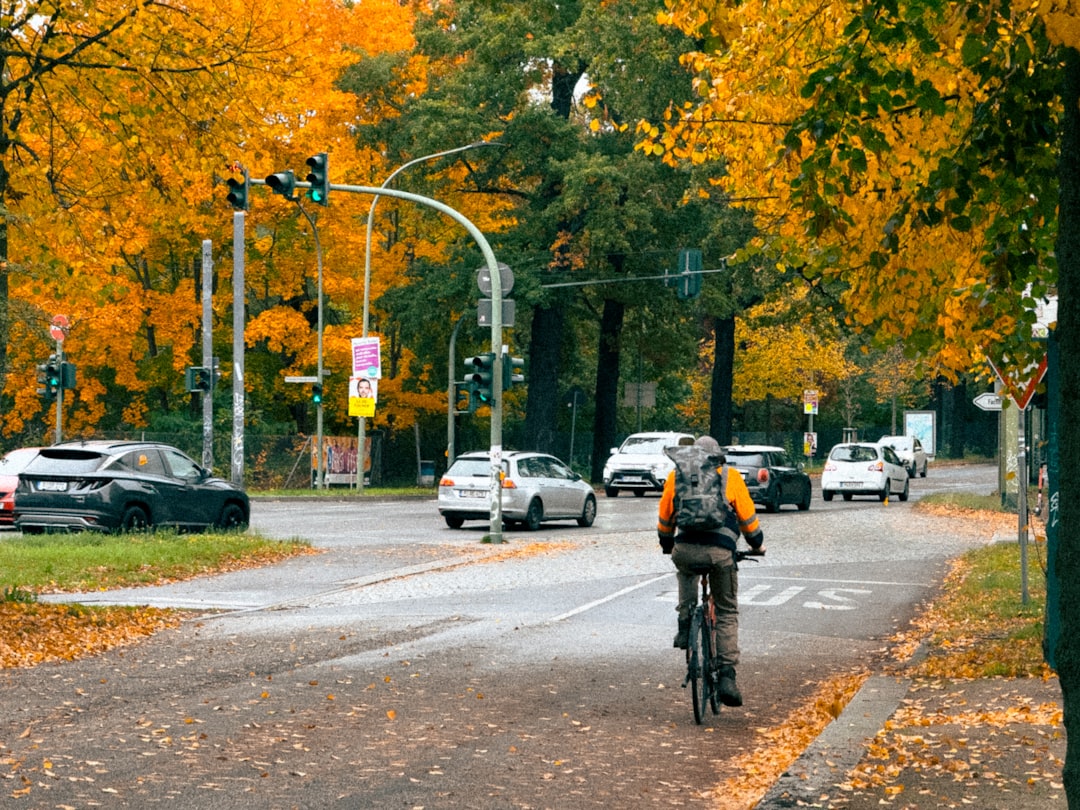
Germany stands as a beacon of environmental consciousness in Europe, making it an ideal destination for travelers seeking to minimize their ecological footprint while experiencing rich culture, stunning landscapes, and historical significance. As climate awareness grows globally, eco-friendly travel has evolved from a niche interest to an essential consideration for responsible tourists.
This comprehensive guide will equip you with everything needed to plan a sustainable journey through Germany, from carbon-neutral transportation options to eco-certified accommodations and environmentally responsible activities that showcase the country’s commitment to green tourism.
Understanding Germany’s Commitment to Environmental Sustainability
Germany’s dedication to environmental protection extends far beyond government policies, permeating every aspect of the tourism industry. The country has implemented the German Sustainable Tourism Certification program, which recognizes businesses demonstrating exceptional environmental stewardship.
The nation’s Energiewende (energy transition) initiative has positioned Germany as a global leader in renewable energy adoption. This commitment translates into numerous opportunities for eco-conscious travelers to experience sustainable tourism firsthand while supporting local communities that prioritize environmental preservation.
Key Environmental Initiatives Impacting Tourism
- Extensive renewable energy infrastructure powering hotels and attractions
- Comprehensive waste reduction and recycling programs
- Protected national parks covering over 0.6% of the country’s land area
- Advanced public transportation networks reducing carbon emissions
- Local food sourcing initiatives supporting regional agriculture
Sustainable Transportation Options Throughout Germany
Transportation represents the largest component of travel-related carbon emissions, making sustainable mobility choices crucial for eco-friendly travel in Germany. Fortunately, the country offers exceptional alternatives to traditional car rentals and domestic flights.
Deutsche Bahn: Germany’s Green Railway Network
Deutsche Bahn (DB), Germany’s national railway company, operates one of Europe’s most extensive and environmentally friendly train networks. The railway system runs entirely on renewable energy for long-distance services, making train travel the most sustainable option for intercity transportation.
Key benefits of choosing rail travel include:
- 100% renewable energy for ICE high-speed trains
- Frequent connections between major cities
- Comfortable seating with onboard amenities
- Central station locations reducing local transportation needs
- Significant carbon footprint reduction compared to flying or driving
Regional and Local Public Transportation
German cities consistently rank among the world’s best for public transportation efficiency and environmental impact. Most urban areas offer integrated transport systems combining buses, trams, underground trains, and suburban railways.
Notable sustainable transport features:
- Electric and hybrid bus fleets in major cities
- Comprehensive bike-sharing programs
- Park-and-ride facilities encouraging multi-modal transportation
- Digital ticketing systems reducing paper waste
- Extensive pedestrian and cycling infrastructure
Cycling Tourism and Bike-Friendly Infrastructure
Germany boasts over 75,000 kilometers of cycling routes, including long-distance paths that traverse diverse landscapes. Cycling tourism allows visitors to explore destinations at a sustainable pace while minimizing environmental impact.
Popular eco-friendly cycling routes include:
- EuroVelo 6: Following the Danube River through southern Germany
- German Fairy Tale Route: Connecting locations from Brothers Grimm stories
- Romantic Road Cycle Path: Scenic route through Bavaria and Baden-Württemberg
- Elbe Cycle Path: River valley cycling through eastern Germany
Eco-Certified Accommodations and Green Hotels
Selecting environmentally responsible accommodations significantly impacts the sustainability of your German travel experience. The country offers numerous eco-certified hotels, guesthouses, and alternative lodging options that prioritize environmental stewardship.
Understanding German Hotel Sustainability Certifications
Several certification programs help identify genuinely sustainable accommodations in Germany:
- Viabono: German sustainable tourism certification focusing on climate protection
- EU Ecolabel: European Union environmental certification for accommodations
- Green Key: International environmental certification program
- DEHOGA Umweltcheck: German Hotel and Restaurant Association environmental assessment
Types of Sustainable Accommodations
Biohotels: Germany pioneered the bio-hotel concept, offering accommodations that prioritize organic food, renewable energy, and natural building materials. These establishments maintain strict environmental standards while providing exceptional comfort.
Farm Stays (Urlaub auf dem Bauernhof): Agricultural tourism options allow visitors to experience rural German life while supporting local farmers who practice sustainable agriculture.
Youth Hostels and Eco-Lodges: Modern German hostels often incorporate environmental best practices, including solar energy, rainwater collection, and locally sourced meals.
Key Features of Green Accommodations
- Renewable energy systems (solar, wind, geothermal)
- Water conservation technologies and greywater recycling
- Organic and locally sourced food options
- Comprehensive recycling and waste reduction programs
- Natural and non-toxic cleaning products
- Energy-efficient lighting and appliances
- Green building materials and sustainable architecture
Sustainable Destinations and Natural Attractions
Germany’s diverse landscapes offer numerous opportunities for eco-friendly exploration, from UNESCO Biosphere Reserves to sustainable tourism destinations that balance visitor access with environmental protection.
National Parks and Protected Areas
Germany’s sixteen national parks provide exceptional opportunities for sustainable nature tourism while supporting conservation efforts and environmental education.
Highlighted Sustainable Destinations:
- Bavarian Forest National Park: Central Europe’s largest continuous forest area with extensive hiking trails and wildlife observation opportunities
- Wadden Sea National Parks: UNESCO World Heritage site supporting sustainable coastal tourism
- Harz National Park: Mountainous region offering eco-friendly hiking and wildlife experiences
- Berchtesgaden National Park: Alpine environment with sustainable mountain tourism initiatives
UNESCO Biosphere Reserves
These designated areas demonstrate sustainable development models while preserving unique ecosystems and cultural landscapes. German biosphere reserves offer educational programs and sustainable tourism activities that support conservation goals.
Sustainable City Tourism
German cities increasingly focus on sustainable urban tourism, implementing measures to reduce visitor impact while enhancing experiences:
- Freiburg: Solar energy capital with extensive green building initiatives
- Heidelberg: Climate-neutral city with comprehensive environmental programs
- Munich: Sustainable urban mobility and green space preservation
- Hamburg: Green capital with innovative water management and sustainable port operations
Local Food and Sustainable Dining Experiences
German cuisine offers numerous opportunities for sustainable dining, with growing emphasis on organic agriculture, local food sourcing, and seasonal menu planning. Understanding local food culture enhances both environmental sustainability and cultural authenticity.
Organic and Regional Food Movement
Germany leads Europe in organic food production and consumption, with over 35,000 organic farms supporting sustainable agriculture. This commitment translates into exceptional organic dining options throughout the country.
Key sustainable dining concepts include:
- Bio-restaurants: Establishments certified for organic food sourcing
- Farm-to-table restaurants: Direct relationships with local agricultural producers
- Slow Food movement: Emphasis on traditional preparation methods and local ingredients
- Vegetarian and vegan options: Growing plant-based dining scene reducing environmental impact
Traditional German Foods with Sustainable Benefits
Many traditional German foods align with sustainable eating principles:
- Seasonal vegetables and preservation techniques: Sauerkraut, pickled vegetables, and root vegetables
- Locally sourced proteins: Regional meat and fish specialties
- Minimal processing: Traditional bread-making and dairy production
- Reduced food waste: Cuisine traditions utilizing entire animals and seasonal abundance
Farmers Markets and Local Food Experiences
German farmers markets (Wochenmärkte) provide opportunities to support local agriculture while experiencing regional food culture. These markets typically feature organic produce, artisanal products, and seasonal specialties.
Responsible Tourism Activities and Cultural Experiences
Sustainable tourism extends beyond transportation and accommodation to encompass respectful cultural engagement and environmentally conscious activities that support local communities.
Cultural Heritage Tourism
Germany’s extensive cultural heritage offers numerous sustainable tourism opportunities that support preservation efforts while providing educational experiences:
- Historic preservation projects: Supporting restoration and maintenance through responsible visitation
- Traditional crafts workshops: Learning regional skills while supporting artisan communities
- Cultural festivals: Participating in local celebrations that maintain traditional practices
- Museum visits: Supporting institutions that preserve and interpret German cultural heritage
Outdoor Recreation and Nature Tourism
Germany’s diverse landscapes support numerous low-impact outdoor activities that allow visitors to experience natural environments while minimizing ecological disruption:
- Hiking and walking tours: Extensive trail networks with environmental interpretation
- Wildlife observation: Responsible viewing opportunities in natural habitats
- Canoeing and kayaking: Water-based activities with minimal environmental impact
- Photography tours: Capturing natural beauty while supporting conservation awareness
Educational and Volunteer Tourism
Participate in meaningful experiences that contribute to environmental conservation and community development:
- Environmental education centers: Learning about German environmental initiatives
- Conservation volunteering: Participating in habitat restoration and wildlife protection projects
- Organic farm experiences: Supporting sustainable agriculture through hands-on participation
- Research and monitoring programs: Contributing to scientific conservation efforts
Practical Tips for Eco-Friendly Travel Planning
Successful sustainable travel requires careful planning and mindful decision-making throughout your journey. These practical recommendations will help minimize your environmental impact while maximizing your German travel experience.
Pre-Travel Planning Considerations
- Offset carbon emissions: Calculate and offset your travel footprint through certified programs
- Pack sustainably: Bring reusable items and eco-friendly personal care products
- Research local environmental policies: Understand recycling, waste disposal, and conservation practices
- Plan longer stays: Reduce transportation impact by spending more time in fewer locations
- Choose direct routes: Minimize connecting flights and unnecessary travel
During Your Visit
- Respect local environmental guidelines: Follow Leave No Trace principles in natural areas
- Support local economies: Purchase from local artisans and environmentally responsible businesses
- Conserve resources: Minimize water and energy consumption in accommodations
- Use public transportation: Take advantage of efficient German transit systems
- Participate responsibly: Choose tour operators with environmental certifications
Technology and Apps for Sustainable Travel
Several digital tools can enhance your eco-friendly German travel experience:
- DB Navigator: Official Deutsche Bahn app for sustainable train travel planning
- Ecosia: Search engine that plants trees while you research travel information
- Too Good To Go: Reduce food waste by purchasing surplus meals from restaurants
- Local transit apps: City-specific applications for public transportation optimization
Budget Considerations for Sustainable Travel
Contrary to common assumptions, eco-friendly travel in Germany can be cost-effective when properly planned. Many sustainable options provide excellent value while supporting environmental and social responsibility.
Cost-Effective Sustainable Choices
- Public transportation passes: Regional tickets offering unlimited travel at reasonable prices
- Youth hostels and eco-lodges: Affordable accommodations with environmental benefits
- Farmers markets: Fresh, local food at competitive prices
- Free outdoor activities: Hiking, cycling, and nature observation requiring minimal expense
- Municipal bike sharing: Inexpensive urban transportation alternative
Investment in Quality Experiences
Some sustainable tourism options may require higher initial investment but provide exceptional value through:
- Enhanced cultural authenticity and local engagement
- Superior environmental and social impact
- Unique experiences unavailable through conventional tourism
- Long-term satisfaction from responsible travel choices
Conclusion
Germany offers exceptional opportunities for eco-friendly travel, combining world-class infrastructure with genuine commitment to environmental sustainability. From renewable energy-powered trains to organic restaurants and certified green accommodations, the country provides comprehensive support for responsible tourism.
Sustainable travel in Germany extends beyond individual choices to encompass meaningful engagement with local communities, support for conservation efforts, and participation in the country’s ongoing environmental initiatives. By choosing eco-friendly options, travelers contribute to Germany’s sustainability goals while experiencing authentic cultural and natural attractions.
The key to successful sustainable travel lies in thoughtful planning, respectful engagement, and recognition that environmental responsibility enhances rather than limits travel experiences. Germany’s commitment to sustainability ensures that eco-conscious travelers will find abundant opportunities to explore this remarkable country while minimizing their environmental impact.
Start planning your sustainable German adventure today by researching eco-certified accommodations, mapping out public transportation routes, and identifying local environmental initiatives that align with your travel interests. Your conscious travel choices support Germany’s environmental leadership while creating memorable experiences that benefit both visitors and local communities.


