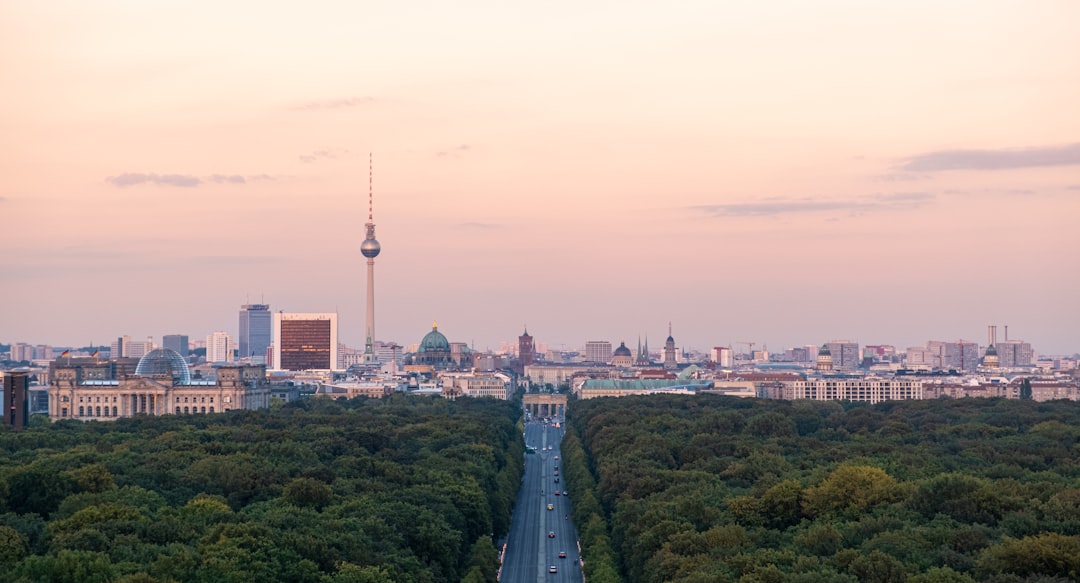
Germany stands as one of Europe’s most captivating destinations, offering visitors a perfect blend of rich history, cutting-edge innovation, stunning landscapes, and vibrant culture. Whether you’re dreaming of exploring medieval castles along the Rhine, savoring authentic Bavarian cuisine in Munich, or experiencing Berlin’s dynamic nightlife, proper planning is essential for a memorable German adventure.
This comprehensive guide addresses the most frequently asked questions about traveling to Germany, providing you with practical insights and expert advice to ensure your journey runs smoothly from start to finish.
Essential Travel Planning Questions
1. Do I Need a Visa to Visit Germany?
Visa requirements for Germany depend on your nationality and the duration of your stay. Citizens from the United States, Canada, Australia, New Zealand, and most EU countries can enter Germany visa-free for tourism purposes for up to 90 days within a 180-day period. However, your passport must be valid for at least three months beyond your planned departure date.
For longer stays, work purposes, or if you’re from a country requiring a visa, you’ll need to apply at a German consulate or embassy in your home country well in advance of your travel dates.
2. What’s the Best Time to Visit Germany?
Germany offers unique experiences throughout the year, making the “best” time highly dependent on your preferences:
- Spring (April-May): Mild weather, blooming flowers, fewer crowds
- Summer (June-August): Warmest weather, outdoor festivals, peak tourist season
- Fall (September-October): Beautiful foliage, Oktoberfest, comfortable temperatures
- Winter (November-March): Christmas markets, winter sports, lower prices
For the ideal balance of good weather and manageable crowds, consider visiting during late spring (May) or early fall (September).
3. How Much Does a Trip to Germany Cost?
Germany is generally more affordable than many Western European countries, but costs vary significantly by region and travel style. Here’s a rough breakdown for daily expenses:
- Budget travelers: €50-70 per day (hostels, public transport, casual dining)
- Mid-range travelers: €100-150 per day (3-star hotels, mix of public transport and taxis, restaurant meals)
- Luxury travelers: €250+ per day (4-5 star hotels, private transport, fine dining)
Major cities like Munich and Frankfurt tend to be more expensive, while smaller towns and eastern German cities offer better value for money.
Transportation and Getting Around
4. What’s the Best Way to Travel Around Germany?
Germany boasts one of the world’s most efficient transportation networks. Your best options include:
Deutsche Bahn (German Railways): The extensive rail network connects major cities with high-speed ICE trains and regional services. Consider purchasing a German Rail Pass for multiple journeys.
Rental Cars: Ideal for exploring rural areas, the Romantic Road, or the Black Forest. Germany’s autobahn system is famous, though speed limits apply in many areas.
Domestic Flights: Practical for long distances, particularly between northern and southern Germany.
Public Transportation: German cities feature excellent bus, tram, and subway systems. Day passes often provide excellent value.
5. Can I Drive on the German Autobahn?
Yes, international visitors can drive on German highways with a valid driving license from their home country (for stays under six months) or an International Driving Permit. While some autobahn sections have no speed limits, many areas enforce restrictions, especially near cities and construction zones. Always observe posted signs and drive responsibly.
6. How Efficient is German Public Transportation?
German public transportation is renowned for its punctuality, cleanliness, and comprehensive coverage. Most major cities operate on integrated ticket systems covering buses, trams, and trains. Purchase tickets before boarding and validate them where required to avoid fines.
Cultural and Practical Considerations
7. What Language Do Germans Speak? Will English Work?
German is the official language, but English proficiency is generally high, especially in major cities, tourist areas, and among younger generations. In rural areas or with older residents, German phrases will be more helpful. Learning basic greetings and polite expressions is always appreciated.
8. What Currency Does Germany Use?
Germany uses the Euro (€). Credit and debit cards are widely accepted, though cash remains popular, particularly for smaller purchases. ATMs are readily available, and most accept international cards with reasonable fees.
9. What Should I Know About German Culture and Etiquette?
Germans value punctuality, efficiency, and direct communication. Key cultural points include:
- Punctuality: Arrive on time for appointments and social gatherings
- Direct communication: Germans tend to be straightforward; don’t take directness personally
- Quiet hours: Observe “Ruhezeit” (quiet hours) typically from 10 PM to 6 AM and Sunday afternoons
- Recycling: Germany takes environmental responsibility seriously; follow local recycling guidelines
- Table manners: Keep hands visible during meals and wait for everyone to be served before eating
10. Is Tipping Expected in Germany?
Tipping (Trinkgeld) is customary but not mandatory. Standard practices include:
- Restaurants: 5-10% for good service, round up to the nearest Euro
- Taxis: Round up the fare
- Hotel staff: €1-2 for bellhops, small amounts for housekeeping
- Tour guides: €2-5 per person for group tours
Food, Dining, and Local Experiences
11. What Are Germany’s Must-Try Foods?
German cuisine extends far beyond stereotypes. Essential dishes include:
- Sauerbraten: Marinated roast beef, often called Germany’s national dish
- Spätzle: Soft egg noodles, particularly popular in southern Germany
- Currywurst: Sliced sausage with curry-spiced tomato sauce
- Pretzel (Brezel): Fresh-baked bread, perfect with mustard or butter
- Regional specialties: Each region offers unique dishes reflecting local traditions
12. What About German Beer Culture?
Germany’s beer culture is legendary, with over 1,300 breweries producing countless varieties. Key points:
- Beer gardens: Outdoor venues where you can bring your own food
- Purity law (Reinheitsgebot): Traditional brewing standards dating to 1516
- Regional varieties: Each region produces distinctive beer styles
- Oktoberfest: World’s largest beer festival, held annually in Munich
13. When Are German Shops and Restaurants Open?
German business hours follow specific patterns:
- Shops: Generally open Monday-Saturday, with limited Sunday hours for tourist areas
- Restaurants: Many close between lunch and dinner (typically 2:30-5:30 PM)
- Sundays: Most businesses close, though restaurants, cafes, and tourist attractions remain open
- Public holidays: Expect closures; plan accordingly
Top Destinations and Attractions
14. Which German Cities Should I Visit?
Germany offers diverse urban experiences:
Berlin: The dynamic capital showcasing history, culture, and nightlife
Munich: Bavarian charm, beer gardens, and proximity to the Alps
Hamburg: Maritime culture, vibrant nightlife, and architectural beauty
Cologne: Roman history, stunning cathedral, and art museums
Dresden: Baroque architecture and cultural renaissance
Frankfurt: Financial center with impressive skyline and museums
15. What Are Germany’s Most Famous Castles?
Germany boasts over 25,000 castles, with these standouts:
- Neuschwanstein Castle: Ludwig II’s fairy-tale creation in Bavaria
- Hohenzollern Castle: Ancestral seat of Prussian royalty
- Heidelberg Castle: Romantic ruins overlooking the Neckar River
- Wartburg Castle: UNESCO World Heritage site with Luther connections
- Eltz Castle: Medieval fortress in the Moselle Valley
16. What Natural Attractions Should I See?
Germany’s natural beauty includes:
- Black Forest: Dense woodlands, traditional villages, cuckoo clocks
- Bavarian Alps: Mountain landscapes, hiking, skiing
- Rhine Valley: River cruises, vineyards, castle-dotted landscapes
- Baltic Sea Coast: Beaches, seaside resorts, historic Hanseatic cities
- Saxon Switzerland: Dramatic rock formations and hiking trails
Practical Travel Tips
17. What Should I Pack for Germany?
Packing depends on the season and planned activities:
- All seasons: Comfortable walking shoes, layered clothing, rain jacket
- Summer: Light clothes, sunscreen, hat
- Winter: Warm coat, gloves, scarf, waterproof boots
- Formal occasions: Business casual or formal wear for upscale restaurants or opera
18. What Electrical Plugs Does Germany Use?
Germany uses Type F electrical outlets (230V, 50Hz). Visitors from North America, UK, and other regions will need a universal adapter. Most modern devices handle the voltage difference, but check your electronics before traveling.
19. Is Germany Safe for Tourists?
Germany is generally very safe for tourists, with low crime rates and excellent emergency services. Standard precautions apply:
- Keep valuables secure in crowded areas
- Be aware of pickpockets in tourist zones
- Emergency number: 112 for police, fire, and medical emergencies
- Pharmacies (Apotheke) are widely available for minor health issues
20. How Should I Handle Medical Emergencies?
Germany has excellent healthcare standards. EU citizens should carry a European Health Insurance Card. Non-EU visitors should have comprehensive travel insurance. For non-emergencies, visit a doctor’s office (Arztpraxis) or pharmacy (Apotheke).
Seasonal Considerations
21. What Are Germany’s Christmas Markets Like?
German Christmas markets (Christkindlmärkte) are magical winter experiences running from late November through December. Famous markets include Dresden’s Striezelmarkt, Cologne’s market, and Nuremberg’s Christkindlesmarkt. Expect traditional crafts, mulled wine (Glühwein), roasted almonds, and festive atmosphere.
22. When Is Oktoberfest and What Should I Know?
Oktoberfest runs for 16 days from mid-September to early October in Munich. Key tips:
- Book accommodations months in advance
- Traditional clothing (Lederhosen/Dirndl) enhances the experience
- Arrive early to secure beer hall seats
- Food is available and encouraged alongside beer consumption
- Expect crowds and higher prices during this period
23. What Summer Festivals Should I Consider?
Germany hosts numerous summer festivals:
- Rock am Ring/Rock im Park: Major music festivals
- Wagner Festival Bayreuth: Opera celebration
- Rhine in Flames: Spectacular fireworks along the Rhine River
- Local wine festivals: Celebrating regional vintages
Budget and Money Matters
24. How Can I Save Money While Traveling in Germany?
Budget-conscious travelers can employ several strategies:
- Use public transportation passes: Day or week passes offer significant savings
- Eat at local bakeries and markets: Fresh, affordable meals
- Book accommodations in advance: Early booking discounts
- Visit free attractions: Many parks, churches, and viewpoints cost nothing
- Take advantage of happy hours: Restaurants often offer early dinner specials
- Consider staying in smaller cities: Lower costs with easy day trip access to major destinations
25. What About Tax-Free Shopping?
Non-EU visitors can claim VAT refunds on purchases over certain amounts. Look for “Tax Free Shopping” signs, keep receipts, and process refunds at the airport before departure. The refund typically ranges from 7-19% depending on the purchase amount.
Conclusion
Germany offers an incredible diversity of experiences, from world-class museums and historic landmarks to natural beauty and cultural celebrations. By understanding these essential travel considerations, you’ll be well-prepared to make the most of your German adventure.
Remember that preparation enhances enjoyment, so research your specific destinations, learn a few German phrases, and remain open to the unexpected discoveries that make travel truly memorable. Germany’s efficient infrastructure, welcoming people, and rich cultural offerings ensure that your visit will be both smooth and unforgettable.
Whether you’re planning a short city break or an extended exploration of German culture and landscapes, this guide provides the foundation for an exceptional journey through one of Europe’s most fascinating countries.