
France has maintained its position as the world’s most visited country for decades, and 2026 is no exception. With over 90 million international arrivals annually, France continues to captivate travelers from every corner of the globe. But what makes this European nation so irresistibly attractive to tourists? The answer lies in a perfect combination of rich history, diverse landscapes, culinary excellence, world-class infrastructure, and an unmatched cultural heritage that few countries can rival.
From the romantic streets of Paris to the sun-soaked beaches of the French Riviera, from the snow-capped peaks of the Alps to the rolling vineyards of Bordeaux, France offers an extraordinary diversity of experiences within a relatively compact geographical area. This comprehensive guide explores the multifaceted reasons behind France’s enduring appeal and why it continues to set the gold standard for international tourism in 2026.
The Foundation of French Tourism Excellence
France’s tourism supremacy didn’t happen overnight. The country has been systematically building and refining its tourism infrastructure for over a century, creating a foundation that continues to attract millions of visitors year after year.
Strategic Geographic Advantage
France’s location in Western Europe provides unparalleled accessibility to major tourist markets. Situated at the crossroads of Europe, the country serves as a natural gateway between Northern and Southern Europe, making it an ideal destination for multi-country European tours. The nation’s diverse geographical features – from Mediterranean coastlines to Atlantic shores, from Alpine peaks to pastoral countryside – offer something for every type of traveler within a single destination.
The hexagonal shape of metropolitan France, affectionately called “L’Hexagone” by locals, encompasses an impressive variety of climates and landscapes. This geographic diversity means that visitors can experience beach holidays, mountain adventures, wine country tours, and urban cultural experiences all within the same trip, maximizing the value proposition for international tourists.
Exceptional Transportation Infrastructure
France boasts one of the world’s most sophisticated transportation networks, making travel within the country seamless and efficient. The TGV (Train à Grande Vitesse) high-speed rail system connects major cities with remarkable speed and comfort, while the extensive highway network provides excellent road connectivity throughout the nation.
Paris serves as a major international aviation hub, with Charles de Gaulle Airport ranking among the world’s busiest and most connected airports. The city’s two additional airports, Orly and Beauvais, provide additional capacity and route options for budget-conscious travelers. Regional airports throughout France offer direct connections to major European cities, making France accessible from virtually any starting point in Europe.
Iconic Landmarks and Cultural Attractions
France is home to some of the world’s most recognizable and visited landmarks, many of which have become synonymous with tourism itself. These iconic attractions serve as powerful magnets that draw millions of visitors annually.
Paris: The City of Light
Paris alone attracts over 30 million visitors annually, making it one of the most visited cities globally. The Eiffel Tower, arguably the world’s most famous landmark, continues to captivate visitors with its iron lattice elegance and panoramic city views. The tower’s recent renovations and enhanced lighting systems have only added to its appeal in 2026.
The Louvre Museum remains the world’s most visited museum, housing treasures like the Mona Lisa and Venus de Milo. Its iconic glass pyramid entrance and vast collection of over 380,000 objects spanning ancient civilizations to 1848 provide an unmatched cultural experience. The museum’s digital innovations and virtual reality experiences have enhanced visitor engagement while preserving its classical appeal.
Other Parisian attractions that contribute to France’s tourism dominance include:
- Notre-Dame Cathedral: Despite recent restoration work, this Gothic masterpiece continues to attract millions of visitors
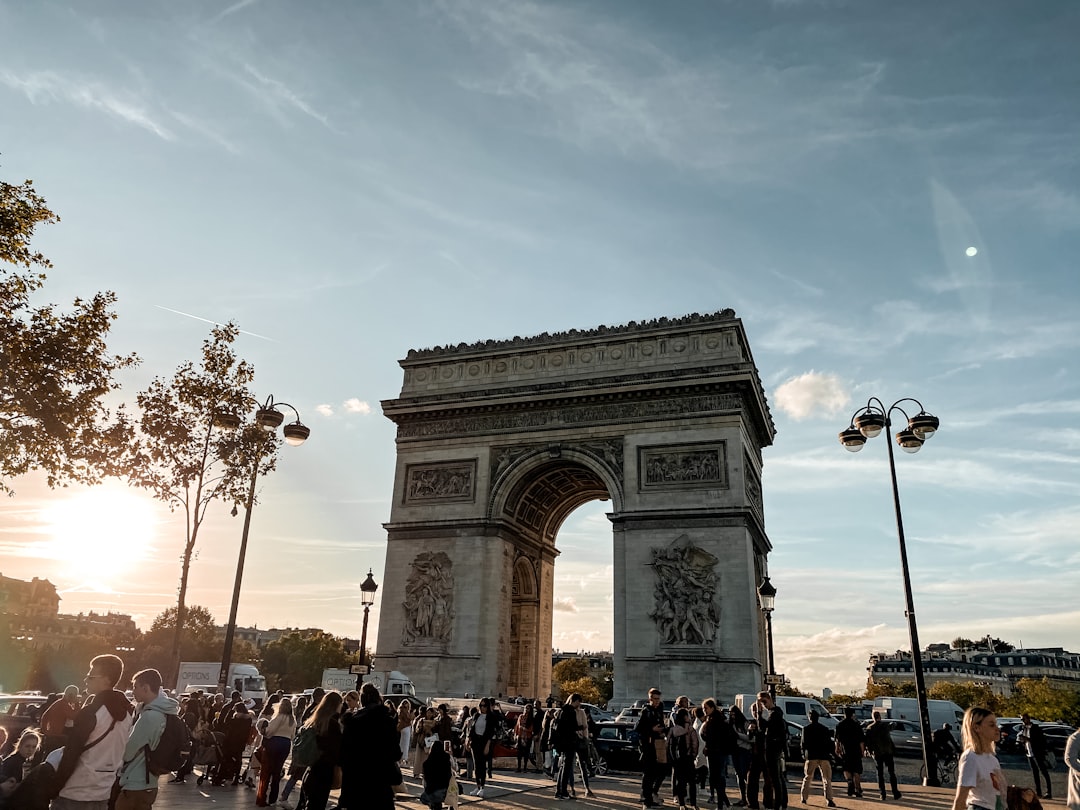
- Arc de Triomphe: Standing majestically at the western end of the Champs-Élysées
- Sacré-Cœur Basilica: Offering breathtaking views over the Montmartre district
- Palace of Versailles: A testament to French royal grandeur and architectural excellence
- Musée d’Orsay: Housing the world’s finest collection of Impressionist paintings
Regional Treasures Beyond Paris
While Paris is undoubtedly a major draw, France’s regional attractions provide depth and diversity to the tourism experience. The Loire Valley enchants visitors with its Renaissance châteaux, including Chambord, Chenonceau, and Amboise. These architectural marvels, set against picturesque river valleys and manicured gardens, offer a glimpse into France’s royal heritage.
The French Riviera (Côte d’Azur) continues to epitomize luxury and glamour. Cities like Nice, Cannes, and Monaco attract high-end tourists seeking sophisticated Mediterranean experiences. The region’s combination of stunning coastlines, luxury shopping, world-class restaurants, and prestigious events like the Cannes Film Festival maintains its status as a premier destination for affluent travelers.
Culinary Excellence and Gastronomic Tourism
French cuisine is internationally recognized as one of the world’s finest, and this culinary reputation significantly contributes to the country’s tourism appeal. In 2026, gastronomic tourism represents a growing segment of France’s visitor market, with food-focused travel experiences becoming increasingly popular.
UNESCO-Protected Culinary Heritage
In 2010, French gastronomy was inscribed on UNESCO’s Representative List of the Intangible Cultural Heritage of Humanity, officially recognizing its cultural significance. This designation has elevated French cuisine from mere food to a cultural experience that tourists actively seek.
France’s culinary landscape encompasses:
- Michelin-starred restaurants: France leads the world with over 630 Michelin-starred establishments
- Traditional bistros and brasseries: Offering authentic French dining experiences at accessible prices
- Local markets: Providing fresh, regional ingredients and cultural immersion
- Wine regions: From Bordeaux to Burgundy, offering world-class viticulture experiences
- Specialty food products: Cheese, bread, pastries, and confections with protected designation of origin
Regional Culinary Diversity
Each French region offers distinct culinary traditions that provide unique motivations for travel. Provence attracts food lovers with its herb-infused Mediterranean cuisine and lavender-honey specialties. Normandy draws visitors seeking apple-based dishes, Calvados, and exceptional dairy products. Alsace offers a unique Franco-German culinary fusion, while Lyon maintains its reputation as France’s gastronomic capital with its traditional “bouchons” and innovative restaurants.
The rise of culinary tourism has led to the development of specialized food and wine tours, cooking classes, and gastronomic festivals throughout France. These experiences allow visitors to engage with French culture on a deeper level, creating memorable connections that extend far beyond typical sightseeing activities.
World-Class Hospitality and Tourism Infrastructure
France’s tourism success is built upon decades of investment in hospitality infrastructure and service excellence. The country offers accommodation options ranging from budget hostels to luxury palatial hotels, ensuring that travelers of all economic levels can experience French hospitality.
Accommodation Excellence
France’s hotel industry sets global standards for quality and service. The country is home to numerous luxury hotel brands that have become synonymous with excellence, including Accor, Four Seasons, and Le Bristol. These establishments provide not just accommodation but immersive luxury experiences that justify premium pricing and attract high-spending international tourists.
Beyond luxury hotels, France offers diverse accommodation options:
- Châteaux hotels: Historic castles converted into luxury accommodation
- Boutique hotels: Unique, design-focused properties offering personalized service
- Vacation rentals: From Parisian apartments to countryside cottages
- Eco-lodges: Sustainable accommodation options in natural settings
- Budget options: Hostels, budget hotel chains, and camping facilities
Professional Tourism Services
France has cultivated a highly professional tourism services sector, with trained guides, tour operators, and hospitality staff who understand international visitor expectations. The country’s tourism education programs produce skilled professionals who can communicate in multiple languages and provide culturally sensitive service to diverse international clienteles.
The French Government Tourist Office maintains offices worldwide, actively promoting France as a destination through sophisticated marketing campaigns and partnerships with international travel companies. This professional approach to destination marketing has helped maintain France’s competitive edge in the global tourism market.
Cultural Heritage and Artistic Legacy
France’s rich cultural heritage extends far beyond its famous monuments and museums. The country has played a central role in the development of Western art, literature, philosophy, and music, creating a cultural depth that intellectually curious travelers find irresistible.
Artistic and Literary Connections
France has been home to some of history’s most influential artists, writers, and thinkers. The Impressionist movement was born in France, and visitors can follow in the footsteps of Monet, Renoir, and Cézanne through museums, studios, and the landscapes that inspired their masterpieces.
Literary tourism thrives in France, with visitors seeking connections to famous French authors like Victor Hugo, Marcel Proust, and Simone de Beauvoir. Shakespeare and Company bookstore in Paris has become a pilgrimage site for book lovers, while various literary festivals throughout the country celebrate France’s ongoing contribution to world literature.
Living Cultural Traditions
French culture is not merely historical but vibrantly alive. The country maintains strong traditions in:
- Fashion and luxury goods: Paris remains a global fashion capital
- Cinema: The birthplace of cinema continues to influence global filmmaking
- Music: From classical to contemporary, France maintains a rich musical heritage
- Philosophy and intellectual discourse: French cafés and salons continue intellectual traditions
- Craftsmanship: Traditional artisans maintain centuries-old techniques
Seasonal Appeal and Year-Round Accessibility
One of France’s key advantages as a tourism destination is its year-round appeal. Unlike many countries that experience significant seasonal fluctuations in visitor numbers, France offers compelling reasons to visit during every season.
Four-Season Tourism Strategy
Spring (March-May) brings mild weather and blooming countryside, ideal for outdoor activities and garden visits. Summer (June-August) is peak season for beach destinations, festivals, and outdoor dining. Autumn (September-November) offers harvest season experiences, particularly in wine regions, with comfortable temperatures for city exploration. Winter (December-February) provides Christmas market experiences, Alpine skiing, and cozy indoor cultural activities.
This seasonal diversity allows France to maintain high tourism levels throughout the year, maximizing the utilization of its tourism infrastructure and providing consistent employment for tourism-sector workers.
Climate and Weather Advantages
France’s temperate climate, with Mediterranean influences in the south and oceanic conditions in the west, provides generally pleasant weather conditions for tourism activities. The country avoids the extreme weather events that can disrupt tourism in other destinations, offering visitors predictable and comfortable conditions for their planned activities.
Digital Innovation and Modern Tourism Technology
France has embraced digital innovation to enhance the tourism experience while preserving its traditional charm. In 2026, the country leads in implementing technology solutions that improve visitor experiences without compromising authenticity.
Smart Tourism Initiatives
French cities have implemented smart tourism technologies including:
- Mobile applications providing real-time information about attractions, wait times, and local events
- Digital museum guides with augmented reality features
- Contactless payment systems throughout the tourism sector
- AI-powered recommendation systems for personalized travel experiences
- Sustainable tourism tracking to manage environmental impact
These technological enhancements improve efficiency and convenience while allowing tourists to focus on experiencing French culture rather than navigating logistical challenges.
Sustainable Tourism Leadership
France has positioned itself as a leader in sustainable tourism practices, addressing growing traveler concerns about environmental impact. The country has implemented comprehensive sustainability programs including:
- Green certification programs for hotels and tour operators
- Investment in electric vehicle infrastructure for tourism
- Promotion of slow tourism and regional experiences
- Protection of natural areas and cultural sites
- Support for local communities and traditional crafts
Economic Accessibility and Value Proposition
Despite its reputation as an expensive destination, France offers exceptional value across different budget categories. The country has developed tourism products that cater to various economic levels while maintaining high quality standards.
Budget-Friendly Options
France provides numerous opportunities for budget-conscious travelers without compromising the quality of experience. Free museum days, public parks and gardens, walking tours, and local markets offer rich cultural experiences at minimal cost. The extensive public transportation network provides affordable access to destinations throughout the country.
Budget accommodation options, including hostels, camping sites, and vacation rentals, allow visitors to extend their stays and experience more of what France has to offer. The country’s café culture enables visitors to enjoy French lifestyle at accessible prices.
Premium Value Proposition
For luxury travelers, France provides unmatched value in terms of quality, authenticity, and exclusivity. The country’s luxury tourism sector offers experiences that are difficult to replicate elsewhere, from private château stays to exclusive wine tastings with renowned vintners.
Safety, Stability, and Visitor Confidence
France maintains high safety standards and political stability that give international visitors confidence in choosing it as their destination. The country’s well-developed emergency services, healthcare system, and tourist police provide security nets that allow visitors to focus on enjoying their experiences.
Health and Safety Infrastructure
France’s excellent healthcare system provides peace of mind for international visitors. The country’s response to global health challenges has demonstrated its capability to maintain tourism operations while prioritizing visitor safety. This reliability has strengthened France’s position as a trustworthy destination for international travel.
Future Outlook: France’s Tourism Evolution in 2026 and Beyond
As France continues to lead global tourism in 2026, the country is actively evolving to meet changing traveler expectations and global challenges. The focus on sustainable tourism, digital innovation, and authentic local experiences positions France to maintain its leadership position well into the future.
The country’s commitment to preserving its cultural heritage while embracing modernity creates a unique value proposition that few destinations can match. France’s ability to offer both iconic must-see attractions and hidden local gems ensures that even repeat visitors can discover new experiences.
Investment in infrastructure, continued focus on hospitality excellence, and adaptation to changing traveler preferences suggest that France’s position as the world’s most visited country is likely to persist. The nation’s tourism strategy successfully balances mass tourism with niche markets, ensuring broad appeal while maintaining the quality that defines the French travel experience.
France’s tourism success in 2026 represents more than just numbers of visitors – it reflects the country’s mastery of creating experiences that resonate with travelers seeking culture, history, luxury, adventure, and authentic human connections. As global tourism continues to evolve, France’s combination of tradition and innovation serves as a model for destinations worldwide aspiring to achieve similar success.
For travelers considering their next international destination, France continues to offer an unmatched combination of accessibility, diversity, quality, and value that explains why it remains the world’s most visited country. Whether seeking a romantic getaway, cultural enrichment, culinary adventure, or luxury escape, France provides the perfect backdrop for memorable travel experiences that last a lifetime.

