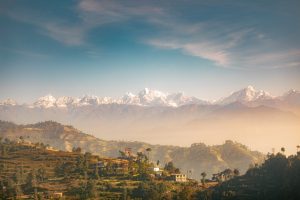
Picture this: you’re cruising along winding mountain roads with snow-capped peaks towering above you, prayer flags fluttering in the breeze, and endless valleys stretching as far as the eye can see. Welcome to road tripping in Nepal – where every turn reveals a new adventure and every mile tells an ancient story.
Nepal isn’t just about trekking to Everest Base Camp (though that’s pretty amazing too). This incredible country offers some of the most spectacular road trip experiences on the planet. Whether you’re a seasoned adventurer or someone looking for their first taste of Himalayan magic, Nepal’s diverse landscapes and rich culture make it a road tripper’s paradise.
Ready to hit the road? Let’s dive into the best routes that’ll give you bragging rights for life and memories that’ll last even longer.
Why Choose Nepal for Your Next Road Trip Adventure?
Before we jump into the nitty-gritty of specific routes, let’s talk about why Nepal should be at the top of your road trip bucket list. This landlocked gem sandwiched between China and India packs more diversity per square mile than almost anywhere else on Earth.
From the steamy jungles of the Terai in the south to the arctic conditions of the high Himalayas in the north, you’ll experience multiple climate zones in a single journey. Plus, Nepal is home to eight of the world’s ten tallest mountains – talk about a scenic backdrop for your Instagram shots!
The cultural diversity is equally mind-blowing. You’ll encounter everything from ancient Hindu temples to Buddhist monasteries, from bustling markets in Kathmandu to remote villages where time seems to have stood still. And the best part? The Nepalese people are genuinely some of the friendliest you’ll ever meet.
Essential Preparation Tips Before You Hit the Road
Hold up there, speed demon! Before you start your engine, let’s make sure you’re properly prepared. Road tripping in Nepal isn’t like cruising down the California coast – it requires some serious planning.
Documentation and Permits
First things first: make sure your paperwork is sorted. You’ll need a valid passport and tourist visa (which you can get on arrival at Tribhuvan International Airport). If you’re planning to drive yourself, an International Driving Permit is mandatory. Some remote areas also require special permits, so check the latest requirements before you go.
Best Time to Travel
Timing is everything in Nepal. The best months for road trips are October to December and March to May. During these periods, you’ll enjoy clear skies, comfortable temperatures, and the best mountain views. Avoid the monsoon season (June to September) unless you enjoy mudslides and washed-out roads – which, let’s be honest, most of us don’t.
Vehicle Selection
Here’s the real talk: forget about that sports car fantasy. Nepal’s roads demand respect, and your vehicle choice can make or break your trip. A sturdy 4WD SUV or jeep is your best bet. Many travelers opt for hiring a local driver who knows the roads like the back of their hand – and trust me, this is often the smartest move you can make.
The Classic Kathmandu to Pokhara Highway
Let’s start with the granddaddy of all Nepalese road trips – the journey from Kathmandu to Pokhara. This route is perfect for first-timers and offers a fantastic introduction to what Nepal has to offer.
Route Overview
The Prithvi Highway stretches about 200 kilometers and typically takes 6-7 hours to complete. Don’t let the distance fool you though – this isn’t your average highway cruise. You’ll be twisting and turning through river valleys, crossing suspension bridges, and navigating mountain passes that’ll have you gripping the steering wheel (or your seat if you’ve wisely hired a driver).
The route follows the Trishuli River for much of the journey, offering stunning water views and occasional glimpses of white-water rafters having the time of their lives. You’ll pass through charming towns like Mugling and Dumre, each offering unique glimpses into everyday Nepalese life.
Must-Stop Attractions
Manakamana Temple: About halfway through your journey, consider taking the cable car up to this famous Hindu temple. The views alone are worth the detour, and if you’re feeling spiritual, it’s considered one of Nepal’s most sacred sites.
Bandipur: This beautifully preserved hilltop town is like stepping back in time. The traditional Newari architecture and panoramic mountain views make it an perfect overnight stop.
Pokhara Lakeside: Your final destination is pure magic. Phewa Lake with the Annapurna range reflected in its waters is one of those sights that photos simply can’t do justice to.
Insider Tips
Start early in the morning to avoid heavy traffic and arrive in Pokhara with enough daylight to explore. Pack snacks and water – while there are plenty of roadside restaurants, having your own supplies gives you flexibility. And here’s a pro tip: sit on the right side of the vehicle for the best mountain views!
The Adventurous Kathmandu to Everest Base Camp Road
Now we’re talking serious adventure! The road to Everest Base Camp is not for the faint-hearted, but it’s absolutely one of the most rewarding drives on the planet.
The Journey Breakdown
This epic route covers approximately 400 kilometers and can take anywhere from 2-4 days depending on your pace and stops. You’ll start in Kathmandu, head northeast through the hills, and eventually find yourself at an altitude of over 5,000 meters staring at the world’s tallest mountain.
The road conditions vary dramatically. The first part to Jiri is relatively comfortable, but once you start heading toward higher elevations, things get wild. Expect narrow mountain paths, river crossings, and roads that would make a mountain goat nervous.
Key Highlights
Jiri: Often called the “Gateway to Everest,” this charming town offers your last taste of relative civilization before heading into serious mountain territory.
Namche Bazaar: The unofficial capital of the Sherpa people, this bustling mountain town is where trekkers stock up on supplies and acclimatize to the altitude.
Tengboche Monastery: One of the most important Buddhist monasteries in the region, set against a backdrop of incredible mountain peaks.
Everest Base Camp: The ultimate destination – standing at 5,364 meters above sea level, you’ll be at the foot of the world’s tallest mountain. The sense of achievement is indescribable.
What You Need to Know
This isn’t a casual weekend getaway. You’ll need proper altitude sickness preparation, warm clothing for extreme weather conditions, and probably a satellite phone for emergencies. The road is often only accessible during certain months, so timing is crucial.
The Scenic Kathmandu Valley Circuit
If you want to maximize cultural experiences while minimizing driving stress, the Kathmandu Valley circuit is your sweet spot. This route lets you explore multiple UNESCO World Heritage sites without venturing too far from the capital.
The Route
This circular route covers about 150 kilometers and can easily be completed in 2-3 days, though you could spend weeks exploring all the cultural treasures along the way. You’ll visit ancient cities, medieval palaces, and some of the most important religious sites in Nepal.
Cultural Treasures
Bhaktapur: This medieval city is like an open-air museum. The traditional architecture, pottery squares, and ancient temples make it feel like you’ve time-traveled to the 15th century.
Patan: Also known as Lalitpur, this city is famous for its metalwork and Buddhist heritage. The Patan Durbar Square is absolutely stunning.
Nagarkot: Perfect for sunrise and sunset views over the Himalayas. On clear days, you can see Everest from here!
Dhulikhel: Another great spot for mountain views and traditional Newari culture.
Why This Route Rocks
The beauty of this circuit is its flexibility. Roads are generally in good condition, distances are manageable, and you’re never too far from modern amenities. Plus, you’ll get an intensive course in Nepalese history, culture, and architecture.
The Wild Chitwan Safari Circuit
Ready for something completely different? Head south to the Terai region for a jungle adventure that’ll show you Nepal’s wild side.
From Mountains to Jungle
The drive from Kathmandu to Chitwan National Park takes about 5-6 hours and involves a dramatic change in landscape. You’ll descend from the cool mountain air to the hot, humid plains where tigers, rhinos, and elephants roam free.
The route takes you through the Prithvi Highway initially, then branches south through agricultural areas where you’ll see terraced fields, traditional villages, and maybe even some wildlife before you reach the park.
Safari Adventures
Royal Chitwan National Park: This UNESCO World Heritage site is home to the endangered one-horned rhinoceros, Bengal tigers, and over 500 species of birds. Game drives here are absolutely incredible.
Elephant Safari: While controversial among some conservationists, elephant rides have been a traditional way to explore the park. Many operators now focus on ethical elephant encounters instead.
Canoe Trips: Floating down the Rapti River offers a different perspective on wildlife spotting and is surprisingly peaceful.
Cultural Programs: Evening cultural shows featuring traditional Tharu dances give you insight into the indigenous culture of the region.
Practical Considerations
The Terai region is hot and humid, especially during summer months. Pack lightweight, breathable clothing and plenty of insect repellent. The roads are generally good, but can become challenging during monsoon season.
The Ultimate Challenge: Kathmandu to Lhasa (Tibet)
For the ultimate road trip bragging rights, consider the journey from Kathmandu to Lhasa, Tibet. Fair warning: this is serious expedition-level stuff.
The Epic Journey
This route covers approximately 1,000 kilometers and takes you across some of the most remote and challenging terrain on Earth. You’ll cross multiple high-altitude passes, traverse the Tibetan plateau, and experience landscapes that seem more like another planet than Earth.
The journey typically takes 4-7 days depending on permits, weather, and your tolerance for extreme conditions. You’ll need special permits for Tibet, acclimatization time, and serious preparation.
Unforgettable Highlights
Friendship Highway: The route from Kathmandu to the Tibet border is stunning, with incredible mountain views and dramatic landscapes.
Everest Base Camp (Tibet side): Different from the Nepal side, this offers another perspective on the world’s tallest mountain.
Shigatse: Tibet’s second-largest city, home to the Tashilhunpo Monastery.
Lhasa: The ultimate destination – the spiritual heart of Tibet with the famous Potala Palace.
Reality Check
This isn’t for everyone. Altitude sickness is a real concern, political situations can change, and the physical demands are significant. But for those who complete it, it’s truly a once-in-a-lifetime experience.
Practical Road Trip Essentials
Alright, let’s get down to the practical stuff that could make or break your Nepal road trip experience.
Packing Essentials
- Layered clothing: Weather can change dramatically with altitude and time of day
- First aid kit: Include altitude sickness medication and basic medical supplies
- Water purification tablets: Safe drinking water isn’t always guaranteed
- Portable charger: Power outages are common in remote areas
- Cash: ATMs are rare outside major cities
- Headlamp: Power cuts happen, and you’ll need hands-free lighting
Navigation and Communication
GPS can be unreliable in mountain areas, so download offline maps before you go. Consider renting a satellite communicator for remote areas – it could literally be a lifesaver.
Accommodation Strategy
In major towns, you’ll find everything from budget guesthouses to luxury resorts. In remote areas, options are limited – sometimes to basic tea houses or camping. Book ahead where possible, especially during peak seasons.
Cultural Etiquette and Local Interactions
One of the best parts about road tripping in Nepal is the incredible people you’ll meet along the way. Here’s how to make sure those interactions are positive for everyone.
Respect Local Customs
Nepal is a deeply religious country with diverse cultural practices. Dress modestly, especially when visiting temples or rural areas. Remove shoes before entering homes or religious sites, and always ask permission before photographing people.
Tipping and Bargaining
Tipping isn’t always expected but is appreciated for good service. In markets, gentle bargaining is normal and often expected – but keep it friendly and fair.
Language Basics
While many Nepalese speak some English, learning a few basic Nepali phrases goes a long way. “Namaste” (hello/goodbye), “dhanyabad” (thank you), and “maaf garnuhos” (excuse me/sorry) will earn you smiles everywhere.
Safety Considerations and Emergency Planning
Nepal is generally a safe country, but road tripping here does come with some unique challenges that require preparation.
Road Conditions and Driving
Roads can be unpredictable – from excellent highways to barely-there mountain tracks. Weather can change conditions rapidly, and landslides during monsoon season are a real concern. Always have a backup route planned.
Health and Altitude
Altitude sickness is the biggest health concern for most visitors. Ascend gradually, stay hydrated, and know the symptoms. Have a plan for getting to lower altitudes quickly if needed.
Emergency Contacts
Keep emergency numbers handy: Tourist Police (1144), Nepal Police (100), and your embassy contacts. Register with your embassy if you’re going to remote areas.
Budget Planning for Your Nepal Road Trip
Let’s talk money – because nobody wants unpleasant surprises when it comes to their travel budget.
Transportation Costs
Vehicle rental with driver ranges from $50-100 per day depending on the vehicle and route. Fuel costs add up quickly, especially for longer routes. If you’re joining organized tours, expect to pay $100-300 per day depending on the level of service.
Accommodation Range
Budget guesthouses start around $10-15 per night, mid-range hotels run $30-60, and luxury resorts can cost $100+ per night. In remote areas, options are limited but generally affordable.
Food and Miscellaneous
Local food is incredibly affordable – you can eat well for $5-10 per day. Western food costs more, especially in tourist areas. Factor in entrance fees for national parks and cultural sites, which typically range from $5-30.
Making the Most of Your Nepal Road Trip
Here’s how to squeeze every drop of awesome out of your Himalayan adventure.
Slow Down and Savor
The biggest mistake most road trippers make is trying to cover too much ground too quickly. Nepal rewards those who take time to explore. Stop at roadside tea stalls, chat with locals, and don’t be afraid to deviate from your planned route when something interesting catches your eye.
Embrace the Unexpected
Your carefully planned itinerary will probably go out the window – and that’s absolutely fine! Landslides might block your route, festivals might delay your journey, or you might discover an amazing place that’s not in any guidebook. Roll with it – these unplanned moments often become the best memories.
Document Your Journey
The landscapes are so stunning that you’ll want to photograph everything. But don’t forget to put the camera down sometimes and just soak it all in. Also, keep a travel journal – years later, you’ll treasure those written memories as much as your photos.
Conclusion: Your Nepal Adventure Awaits
Nepal isn’t just a destination – it’s a transformation waiting to happen. Whether you choose the classic Kathmandu-Pokhara route, brave the journey to Everest Base Camp, or explore cultural treasures in the Kathmandu Valley, you’re in for experiences that will stick with you forever.
The country might be small geographically, but it’s absolutely massive in terms of diversity, beauty, and the warmth of its people. Every road trip here is an adventure, every turn reveals something new, and every day brings challenges and rewards in equal measure.
Sure, it’s not the easiest place to road trip – the roads can be rough, the weather unpredictable, and the altitude challenging. But that’s exactly what makes it so rewarding. You’ll come home with stories that nobody else has, photos that make your friends jealous, and a sense of accomplishment that comes from experiencing one of the world’s most incredible countries.
So what are you waiting for? Start planning your Nepal road trip today. Trust me, your future self will thank you for taking the leap into this Himalayan adventure. The mountains are calling – it’s time to answer!