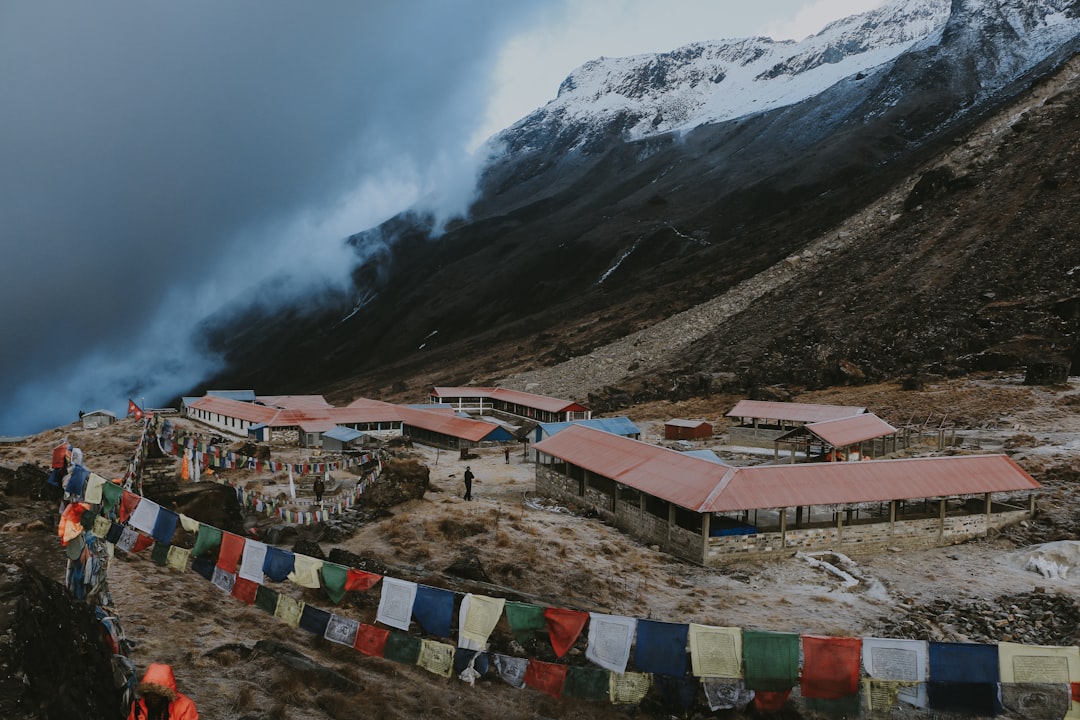
Picture this: you’re standing at 4,130 meters above sea level, surrounded by towering peaks that seem to pierce the clouds themselves. The majestic Annapurna massif rises before you like nature’s own cathedral, and you’ve just completed one of the world’s most incredible trekking adventures. Welcome to Annapurna Base Camp – a journey that’ll leave you speechless and probably a little out of breath (and not just from the altitude!).
If you’re dreaming of your next big adventure and Nepal’s calling your name, the Annapurna Base Camp Trek should definitely be on your bucket list. Often called ABC Trek by us trekking enthusiasts, this incredible journey takes you through diverse landscapes, traditional Gurung villages, and right into the heart of the Himalayas. Trust me, it’s an experience that’ll stick with you forever.
What Makes the Annapurna Base Camp Trek So Special?
Let’s be honest – there are tons of treks in Nepal, so what makes ABC Trek stand out from the crowd? Well, for starters, it’s like getting a greatest hits album of everything Nepal has to offer. You’ll experience subtropical forests, alpine meadows, traditional mountain culture, and some of the most jaw-dropping mountain views on the planet.
The trek takes you into a natural amphitheater surrounded by peaks over 7,000 meters high, including the mighty Annapurna I (8,091m), Annapurna South, Machapuchare (the famous “Fishtail” mountain), and Hiunchuli. It’s like being invited to nature’s exclusive VIP party, and trust me, the views are worth every step.
Why Choose ABC Over Other Nepal Treks?
- Moderate difficulty: Perfect for beginners to intermediate trekkers
- Cultural immersion: Experience authentic Gurung and Magar villages
- Diverse landscapes: From lush rhododendron forests to high alpine terrain
- Shorter duration: Can be completed in 7-12 days depending on your route
- Good infrastructure: Well-established trail with comfortable teahouses
Planning Your Annapurna Base Camp Adventure
Best Time to Trek
Timing is everything when it comes to mountain adventures, and the ABC Trek is no exception. You’ve got two main seasons that’ll give you the best experience:
Pre-monsoon (March to May): This is my personal favorite time to trek. The weather’s generally stable, the rhododendrons are blooming (seriously, it’s like walking through a natural flower show), and the views are crystal clear. Temperatures are comfortable during the day, though nights can still be pretty chilly at higher elevations.
Post-monsoon (October to December): Another fantastic window with excellent visibility and stable weather. The air is crisp and clear after the monsoon rains have washed away all the dust and haze. Perfect for those Instagram-worthy mountain shots!
I’d personally avoid the monsoon season (June to September) unless you’re really into leeches, muddy trails, and cloudy mountain views. Winter trekking (January-February) is possible but expect seriously cold temperatures and potential snow at higher elevations.
How Long Does It Take?
The standard ABC Trek typically takes 7-12 days, depending on your starting point and how many rest days you want to include. Here’s a rough breakdown:
- Classic route from Nayapul: 10-12 days
- Express route via Jhinu Danda: 7-9 days
- Extended route with side trips: 12-15 days
Remember, this isn’t a race! Taking extra acclimatization days isn’t just recommended – it’s smart. Your body will thank you, and you’ll actually enjoy the experience instead of suffering through it.
The Classic ABC Trek Route
Let me walk you through the most popular route that most trekkers follow. It’s well-established, has great teahouse facilities, and offers an excellent progression for acclimatization.
Day-by-Day Breakdown
Day 1: Pokhara to Nayapul to Tikhedhunga (1,540m)
Your adventure begins with a scenic drive from Pokhara to Nayapul, followed by your first taste of Himalayan trekking. It’s a gentle introduction – think of it as a warm-up for what’s coming!
Day 2: Tikhedhunga to Ghorepani (2,850m)
This is where things get real. You’ll climb the infamous stone steps to Ulleri village – and by “infamous,” I mean your legs will definitely remember this climb! The good news? The views start getting spectacular from here.
Day 3: Poon Hill sunrise and trek to Tadapani (2,630m)
Early morning wake-up for the legendary Poon Hill sunrise. Trust me, dragging yourself out of a warm sleeping bag at 5 AM is totally worth it when you see the Himalayas light up in golden hues.
Day 4: Tadapani to Chhomrong (2,170m)
A beautiful day of trekking through rhododendron forests with occasional glimpses of Annapurna South and Machapuchare.
Day 5: Chhomrong to Bamboo (2,310m)
You’ll descend to the Chhomrong Khola and then climb back up – welcome to Himalayan trekking! The trail enters bamboo forests, and you might spot some wildlife if you’re lucky.
Day 6: Bamboo to Deurali (3,230m)
The landscape starts changing dramatically as you gain altitude. You’re entering alpine territory now!
Day 7: Deurali to ABC (4,130m)
The big day! You’ll first reach Machapuchare Base Camp (3,700m) and then continue to ABC. The final approach is absolutely mind-blowing.
Days 8-10: Return journey
Most people take 2-3 days to trek back down, often taking a slightly different route via Jhinu Danda where you can soak in natural hot springs.
What to Expect: Accommodation and Facilities
Teahouse Trekking
One of the best things about the ABC Trek is the well-developed teahouse system. These aren’t luxury hotels, but they’re clean, comfortable, and provide everything you need for a good night’s rest. Most teahouses offer:
- Basic private or shared rooms with beds and blankets
- Communal dining areas with heating (usually a wood-burning stove)
- Dal bhat (Nepal’s national dish), pasta, noodles, and other trekker-friendly meals
- Tea, coffee, and hot drinks
- Charging stations (though power can be limited at higher elevations)
Pro tip: Bring your own sleeping bag liner for extra warmth and hygiene. The provided blankets are usually clean but can be pretty thin, especially at higher altitudes where temperatures drop significantly.
Food on the Trail
Let’s talk about the fuel for your adventure! The food on the ABC Trek is generally pretty good, considering you’re in remote mountain areas. Dal bhat (rice, lentil soup, and vegetables) is the staple and honestly, it’s perfect trekking food – nutritious, filling, and you usually get free refills!
Other popular options include:
- Noodle soups (perfect for cold evenings)
- Fried rice and chow mein
- Pancakes and porridge for breakfast
- Mo:mo (Nepalese dumplings) – absolutely delicious!
Permits and Paperwork
Before you lace up those hiking boots, you’ll need to sort out some paperwork. Don’t worry, it’s not as complicated as it sounds!
Required Permits
ACAP (Annapurna Conservation Area Permit): This costs about $30 for foreigners and helps fund conservation efforts in the region. You can get this in Kathmandu or Pokhara.
TIMS Card (Trekkers’ Information Management System): This costs around $20 and is basically a safety tracking system. Again, available in Kathmandu or Pokhara.
Your trekking agency will usually handle these permits for you, but if you’re going solo, you can get them yourself pretty easily. Just bring passport photos and your passport.
Physical Preparation and Fitness
Let’s be real here – this isn’t a casual walk in the park. While the ABC Trek is considered moderate difficulty, you’ll still be hiking for 5-7 hours a day, often uphill, at altitude. But don’t let that scare you off!
Fitness Requirements
You don’t need to be an Olympic athlete, but having a decent base level of fitness will make your experience so much more enjoyable. Here’s what I recommend:
- Cardio endurance: Start hiking regularly 2-3 months before your trip
- Leg strength: Focus on squats, lunges, and calf raises
- Core stability: You’ll be carrying a daypack for hours
- Mental preparation: Long days can be mentally challenging too
If you can comfortably hike for 4-5 hours with a daypack without feeling completely exhausted, you’re probably ready for ABC!
Dealing with Altitude
Altitude sickness is no joke, but it’s totally manageable with the right approach. The key is gradual ascent and listening to your body. Symptoms of mild altitude sickness include headaches, nausea, fatigue, and loss of appetite.
Prevention tips:
- Ascend slowly and take rest days
- Stay hydrated (but not over-hydrated)
- Avoid alcohol and smoking
- Consider altitude sickness medication (consult your doctor first)
- Know when to descend if symptoms worsen
Packing Essentials
Packing for the ABC Trek can feel overwhelming, but here’s the thing – you really don’t need as much as you think! The key is layers, quality gear, and focusing on essentials.
Clothing Essentials
- Base layers: Merino wool is your best friend
- Insulating layers: Fleece or down jacket
- Outer shell: Waterproof, breathable jacket and pants
- Trekking pants: Comfortable, quick-dry material
- Warm hat and sun hat
- Gloves: Liner gloves plus warm gloves
- Good quality trekking socks
Gear Must-Haves
- Trekking boots: Break them in before your trip!
- Daypack: 30-40 liters is perfect
- Sleeping bag: Rated for -10°C to be safe
- Headlamp: Plus extra batteries
- Trekking poles: Your knees will thank you
- Water bottles or hydration system
- Water purification tablets
- First aid kit
- Sunglasses and sunscreen
Costs and Budgeting
Let’s talk money! The ABC Trek can fit various budgets, depending on your style and preferences.
Budget Breakdown
Independent/Teahouse trekking: $25-40 per day
This includes accommodation, meals, permits, and local transportation. It’s the most popular option and offers great value.
Guided group trek: $800-1,500 for the full trek
Includes guide, permits, accommodation, and most meals. Perfect if you want someone else to handle the logistics.
Luxury lodge trek: $2,000-4,000+
Stay in premium lodges with better facilities, but honestly, you’ll miss out on the authentic teahouse experience.
Additional Costs to Consider
- Gear rental or purchase
- Travel insurance (absolutely essential)
- Flights to/from Kathmandu
- Accommodation in Kathmandu/Pokhara
- Tips for guides and porters
- Extra snacks and drinks
- Hot showers (usually $2-5)
- Charging devices ($1-3 per charge)
Safety Considerations
Safety should always be your top priority in the mountains. While the ABC Trek is generally safe, being prepared can make all the difference.
Key Safety Tips
- Get comprehensive travel insurance that covers helicopter evacuation
- Trek with others when possible
- Let someone know your itinerary
- Carry a first aid kit and know how to use it
- Know the signs of altitude sickness
- Respect the weather – conditions can change quickly
- Stay on marked trails
Cultural Experiences Along the Trail
One of the most rewarding aspects of the ABC Trek isn’t just the mountains – it’s the incredible cultural experiences you’ll have along the way. The Annapurna region is home to diverse ethnic communities, primarily Gurung and Magar people, who have been living in these mountains for generations.
You’ll pass through traditional villages where life moves at a different pace. Take time to chat with locals (many speak English), visit local schools if invited, and learn about their traditional farming practices. The hospitality of mountain people is legendary – don’t be surprised if someone invites you for tea!
Making the Most of Your ABC Adventure
Here are some insider tips to help you get the most out of your Annapurna Base Camp experience:
- Start early: Begin your daily treks early to avoid afternoon clouds and enjoy clearer mountain views
- Take photos, but live the moment: Don’t spend the entire trek looking through your camera lens
- Try the local food: Step outside your comfort zone and try local dishes
- Pack light: Every extra kilogram counts when you’re climbing uphill for hours
- Be flexible: Weather and trail conditions can change plans
- Respect the environment: Follow Leave No Trace principles
- Learn some Nepali phrases: “Namaste” and “dhanyabad” (thank you) go a long way
Your Himalayan Adventure Awaits
The Annapurna Base Camp Trek isn’t just about reaching a destination – it’s about the incredible journey that gets you there. From the moment you take your first steps on the trail to that magical moment when you’re surrounded by towering peaks at base camp, every step is part of an adventure that’ll stay with you forever.
Sure, there will be challenging moments. Your legs might ache, you might get out of breath, and you’ll probably question your life choices at least once during a steep uphill section. But trust me, when you’re standing at ABC with the Himalayas towering around you, all those tough moments will fade into the background.
This trek offers the perfect blend of natural beauty, cultural immersion, physical challenge, and personal achievement. Whether you’re looking to push your limits, disconnect from the digital world, or simply experience one of the most beautiful places on Earth, the ABC Trek delivers on all fronts.
So what are you waiting for? Start planning your Himalayan adventure today. The mountains are calling, and as they say in Nepal, “The journey of a thousand miles begins with a single step.” Your first step toward Annapurna Base Camp starts now. Trust me, it’ll be one of the best decisions you’ll ever make!