Picture this: you’re walking through cobblestone streets that haven’t changed much in 700 years, watching traditional potters shape clay on wooden wheels just like their ancestors did, while ancient temples tower above you like silent guardians of time. Welcome to Bhaktapur, Nepal’s extraordinary living museum where every corner tells a story of the magnificent Newari civilization.
Unlike other tourist destinations where culture feels preserved behind glass, Bhaktapur is refreshingly alive. Here, tradition isn’t just displayed – it’s lived, breathed, and passed down from generation to generation. This UNESCO World Heritage site offers something increasingly rare in our modern world: authenticity without pretense.
Why Bhaktapur Should Be Your Next Adventure
Let’s be honest – most “cultural experiences” these days feel a bit manufactured, right? But Bhaktapur is different. This isn’t a theme park version of medieval Nepal; it’s the real deal. The city has maintained its traditional way of life so well that walking through its streets feels like stepping into a time machine.
What makes Bhaktapur truly special is how seamlessly the past and present coexist. You’ll see elderly craftsmen teaching young apprentices age-old techniques, families celebrating festivals the same way their great-grandparents did, and architectural marvels that have withstood centuries of earthquakes and political upheavals.
Getting to Bhaktapur: Your Journey Begins
Getting to Bhaktapur is surprisingly straightforward, especially if you’re staying in Kathmandu. The ancient city sits just 13 kilometers east of Nepal’s capital, making it perfect for a day trip or longer stay.
Transportation Options
By Bus: The most budget-friendly option is hopping on a local bus from Kathmandu’s Ratna Park or City Bus Station. These colorful, often crowded buses cost around 30-40 NPR and take about 45 minutes to an hour, depending on traffic.
By Taxi: For comfort and convenience, grab a taxi from anywhere in Kathmandu. Expect to pay 800-1200 NPR for the one-way trip. Pro tip: negotiate the fare beforehand and consider asking the driver to wait if you’re planning a day trip.
By Private Car: Many hotels can arrange private transportation, which typically costs 2000-3000 NPR for a round trip with waiting time included.
Entry Fees and Timing
Foreign visitors need to pay an entrance fee of 1500 NPR (about $11 USD), which might seem steep, but trust me – it’s worth every rupee. The fee helps maintain these incredible historical sites, and you’ll get a receipt that’s valid for the entire day. SAARC nationals pay 500 NPR, while Nepali citizens enter free.
The city gates open at 6 AM and close around 6 PM, but the best time to explore is early morning (around 7-9 AM) when the light is magical and the crowds are thinner.
The Heart of Bhaktapur: Durbar Square
Durbar Square is where you’ll want to start your Bhaktapur adventure. This isn’t just a square – it’s an outdoor museum showcasing some of the finest examples of Newari architecture you’ll find anywhere in the world.
Must-See Monuments
The 55-Window Palace: This architectural masterpiece was once home to Bhaktapur’s royalty. The intricate woodwork on those 55 windows is absolutely mind-blowing – each one is unique and tells its own story through carved details that would make modern craftsmen weep with envy.
Vatsala Temple: This sandstone temple, dedicated to Goddess Vatsala (a form of Durga), is famous for its bell, known as the “Bell of Barking Dogs.” Legend says that when this bell rings, all the dogs in the city start howling. While the original temple was damaged in the 2015 earthquake, restoration efforts have brought much of its beauty back.
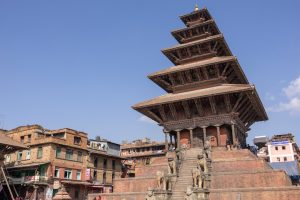
Nyatapola Temple: Standing five stories tall, this is Nepal’s tallest pagoda-style temple and arguably Bhaktapur’s most iconic landmark. Each level is guarded by increasingly powerful protectors, from wrestlers at the bottom to lions, elephants, griffins, and lions again, with goddesses at the top. The symmetry and craftsmanship will leave you speechless.
Wandering Through Bhaktapur’s Historic Squares
While Durbar Square gets most of the attention, Bhaktapur has several other squares that are equally fascinating and often less crowded.
Taumadhi Square: The Social Hub
Taumadhi Square feels more lived-in than Durbar Square. This is where locals gather, kids play, and life happens naturally around ancient monuments. The square is dominated by the magnificent Nyatapola Temple, but don’t miss the smaller shrines and the vibrant atmosphere, especially in the evenings when families come out to socialize.
Pottery Square: Where Magic Happens
This might be the most Instagram-worthy spot in Bhaktapur, but it’s so much more than just a photo opportunity. Pottery Square is where generations of Newar potters have been creating clay masterpieces using techniques unchanged for centuries.
You can watch artisans shape everything from simple cooking pots to elaborate decorative pieces on traditional wooden wheels. The clay dries naturally in the sun, creating a colorful patchwork across the square. Many potters are happy to let you try your hand at the wheel – just don’t expect your first attempt to look anything like their effortless creations!
Living Culture: Festivals and Traditions
If you really want to understand Bhaktapur’s soul, try to time your visit with one of their many festivals. The Newari calendar is packed with celebrations that showcase traditions dating back centuries.
Major Festivals to Experience
Bisket Jatra (April): This is the big one – Bhaktapur’s New Year celebration that lasts for several days. The highlight is a massive chariot procession where locals pull enormous wooden chariots through the narrow streets. It’s chaotic, colorful, and absolutely unforgettable.
Gai Jatra (August/September): The “Festival of Cows” is both solemn and joyful, honoring family members who died in the past year while celebrating life with humor and satire. You’ll see everything from traditional cow processions to modern political commentary.
Indra Jatra (September): This festival honors Indra, the king of gods, with masked dances, traditional music, and elaborate costumes that have been preserved for generations.
Daily Traditions
Even on regular days, Bhaktapur pulses with traditional life. Early morning is particularly magical – you’ll see women making offerings at small shrines, elderly men gathering to discuss the day’s news, and families preparing traditional breakfast over wood fires.
The evening ritual is equally enchanting. As the sun sets, butter lamps are lit at temples, families gather in courtyards, and the ancient stones seem to glow with warm, golden light.
Newari Cuisine: A Food Lover’s Paradise
Let’s talk food, because Bhaktapur’s culinary scene is seriously underrated. Newari cuisine is complex, flavorful, and unlike anything you’ve probably tried before.
Must-Try Dishes
King Curd (Juju Dhau): Bhaktapur is famous throughout Nepal for producing the creamiest, most delicious yogurt you’ll ever taste. Served in traditional clay pots, this sweet, rich curd is so good it’s literally called “king curd.” You haven’t really been to Bhaktapur until you’ve tried it.
Bara: These lentil pancakes are a Newari staple, often topped with egg and served with spicy chutneys. They’re crispy on the outside, soft on the inside, and completely addictive.
Yomari: A traditional steamed dumpling filled with sweet mixtures like molasses and sesame seeds. It’s especially popular during festivals but available year-round at local eateries.
Chatamari: Often called “Nepali pizza,” these rice crepe bases are topped with meat, vegetables, or eggs. They’re light, flavorful, and perfect for lunch.
Where to Eat
For the most authentic experience, try the small family-run restaurants around Durbar Square and Taumadhi Square. Cafe Nyatapola offers great views of the temple along with traditional food, while Sunny Restaurant serves excellent Newari thali sets that let you try multiple dishes at once.
Don’t be afraid to eat at the tiny local joints – they often have the best food and the friendliest service. Just follow your nose and look for places packed with locals.
Arts and Crafts: Masters at Work
Bhaktapur isn’t just a museum of architecture – it’s a living workshop where traditional arts and crafts are still practiced daily.
Woodcarving: Intricate Masterpieces
The woodcarving you’ll see throughout Bhaktapur is absolutely incredible. From the elaborate windows of the 55-Window Palace to the detailed struts supporting temple roofs, every piece tells a story. Many workshops still operate in the old city, where you can watch craftsmen create intricate pieces using traditional tools.
The Peacock Window in Durbar Square is probably the most photographed example of Newari woodcarving, but keep your eyes open as you wander – stunning examples are everywhere.
Metalwork and Thanka Painting
Traditional metalwork, particularly bronze and copper crafting, remains strong in Bhaktapur. You’ll find workshops where artisans create everything from religious statues to decorative items using techniques passed down through families for generations.
Thanka painting – those detailed religious scroll paintings – is another living art form here. While it takes years to master, watching artists work on these intricate pieces is mesmerizing.
Practical Tips for Your Bhaktapur Adventure
Best Time to Visit
October to December offers the best weather – clear skies, comfortable temperatures, and excellent visibility of the surrounding mountains. March to May is also good, though it can get dusty. Avoid monsoon season (June to September) unless you don’t mind getting wet!
What to Bring
Comfortable walking shoes are essential – those cobblestones can be tough on your feet. Bring a hat and sunscreen, as you’ll be outdoors a lot. A good camera is obvious, but consider bringing a backup battery since charging options can be limited in some areas.
Respect and Photography
While most areas are photography-friendly, always ask permission before taking photos of people, especially in religious settings. Some temples have photography fees, and flash photography is often prohibited inside sacred spaces.
Dress respectfully – this is a religious site. Cover your shoulders and legs, especially when visiting temples.
Money Matters
Bring cash in Nepali rupees – many small shops and restaurants don’t accept cards. There are a few ATMs in the main areas, but they can be unreliable, so come prepared.
Beyond the Main Sights: Hidden Gems
While the main squares get most attention, some of Bhaktapur’s best experiences happen off the beaten path.
Residential Areas
Wander into the residential neighborhoods beyond the main tourist areas. Here you’ll see how people actually live in this ancient city – families gathered in courtyards, children playing traditional games, and daily life continuing much as it has for centuries.
Surrounding Countryside
The areas around Bhaktapur offer beautiful hiking opportunities with fantastic views of the Himalayas on clear days. The nearby village of Nagarkot is famous for sunrise views, while Changu Narayan temple (another UNESCO site) is worth the short hike.
Where to Stay: Sleeping in History
While many visitors do Bhaktapur as a day trip from Kathmandu, staying overnight gives you a completely different experience. Early morning and evening in the ancient city are magical times when the crowds thin out and you can experience the place as locals do.
Accommodation Options
Traditional Guesthouses: Several converted traditional buildings offer basic but atmospheric accommodation right in the heart of the old city. Golden Gate Guest House and Shiva Guest House are popular choices.
Boutique Hotels: Places like Heritage Home Hotel & Guest House offer more comfort while maintaining traditional character.
Homestays: For the ultimate cultural immersion, consider staying with a local family. This gives you incredible insights into daily life and often includes home-cooked meals.
Bhaktapur After Dark: A Different World
Most tourists leave Bhaktapur by evening, which is a real shame because the city transforms after sunset. Temple courtyards that were bustling with visitors during the day become peaceful gathering places for locals. Families come out to socialize, children play games, and the ancient stones seem to glow in the soft light of oil lamps.
This is when you’ll really feel the living museum aspect of Bhaktapur. Without the tourist crowds, you can appreciate how seamlessly modern life flows around these ancient monuments.
Supporting Local Communities
Tourism is vital to Bhaktapur’s economy, but it’s important to be a responsible visitor. Buy crafts directly from artisans when possible, eat at locally-owned restaurants, and consider hiring local guides who can provide insights you’d never get from guidebooks.
The entrance fee you pay goes toward maintaining these incredible monuments, but additional contributions to community projects are always welcome and make a real difference.
Final Thoughts: More Than Just a Tourist Destination
Bhaktapur isn’t just a place you visit – it’s a place that changes you. In our increasingly connected but somehow disconnected world, there’s something profoundly moving about experiencing a community where tradition isn’t just remembered but actively lived.
Whether you spend a few hours or a few days here, you’ll leave with a deeper appreciation for cultural preservation and the resilience of human communities. The craftsmen shaping clay with techniques unchanged for centuries, the families maintaining traditions passed down through generations, and the ancient buildings that have weathered everything from earthquakes to political upheavals – they all remind us that some things are worth preserving exactly as they are.
So pack your curiosity along with your camera, bring respect along with your rupees, and prepare for an experience that will stick with you long after you’ve left those cobblestone streets behind. Bhaktapur isn’t just Nepal’s living museum – it’s a reminder that culture, when truly lived rather than merely displayed, never really becomes history at all.