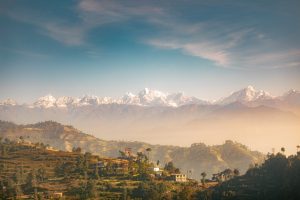
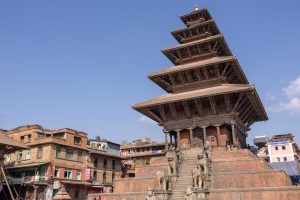
Nepal is an absolutely magical destination that attracts millions of travelers each year with its stunning Himalayan peaks, rich culture, and warm hospitality. But let’s be honest – planning a trip to this beautiful country can be tricky, especially if you’re a first-time visitor. I’ve seen countless travelers make avoidable mistakes that turned their dream vacation into a stressful experience.
Whether you’re planning to trek to Everest Base Camp, explore the vibrant streets of Kathmandu, or find your zen in Pokhara, this guide will help you avoid the most common pitfalls that catch travelers off guard. Trust me, a little preparation goes a long way in making your Nepal adventure absolutely unforgettable!
1. Underestimating Altitude Sickness and Preparation
One of the biggest mistakes travelers make is not taking altitude sickness seriously. Nepal’s high-altitude destinations aren’t just Instagram backdrops – they’re serious business that requires proper preparation.
The Reality of High Altitude
Many trekkers assume they’ll be fine because they’re “in good shape,” but altitude sickness doesn’t care about your fitness level. It can affect anyone above 8,000 feet (2,400 meters), and many of Nepal’s popular trekking destinations go much higher than that.
- Everest Base Camp: 17,598 feet (5,364 meters)
- Annapurna Base Camp: 14,100 feet (4,300 meters)
- Langtang Valley: Up to 15,000+ feet (4,570+ meters)
How to Prepare Properly
Start preparing at least a month before your trip. Consider spending a few days in Kathmandu or Pokhara to acclimatize before heading to higher elevations. Pack altitude sickness medication (Diamox) and don’t be afraid to use it – there’s no shame in being prepared!
Most importantly, plan for proper acclimatization days in your itinerary. Those “rest days” aren’t optional – they’re lifesavers.
2. Visa and Documentation Nightmares
Nothing ruins a trip faster than visa issues at the airport. Nepal’s visa system is generally straightforward, but small mistakes can cause major headaches.
Tourist Visa Basics
Most travelers can get a visa on arrival, but here’s what many people mess up:
- Not bringing exact change in USD (they prefer exact amounts)
- Forgetting to fill out the online application beforehand
- Not having passport photos ready
- Assuming all nationalities get visa-on-arrival (some don’t!)
Pro Tips for Smooth Entry
Apply for your visa online before arrival through the Department of Immigration’s official website. This saves time and stress at the airport. Always carry multiple passport photos – you’ll need them for permits, and shops in remote areas might not have photo services.
Keep your passport valid for at least six months from your entry date, and make copies of all important documents. Store digital copies in your cloud storage too!
3. Packing All Wrong for Nepal’s Diverse Climate
Nepal’s geography is wild – you can experience tropical weather in the south and arctic conditions in the mountains, sometimes within the same trip!
The Layering Game
Many travelers either overpack with heavy winter gear or underpack and freeze at altitude. The secret is smart layering:
- Base layer: Moisture-wicking materials (avoid cotton!)
- Insulation layer: Down or synthetic fill jacket
- Shell layer: Waterproof and windproof outer shell
Essential Items Often Forgotten
Don’t forget these game-changers:
- Quality hiking boots (break them in before your trip!)
- Headlamp with extra batteries
- Portable charger/power bank
- Water purification tablets or a good filter
- Sunglasses and sunscreen (mountain sun is intense!)
4. Choosing the Wrong Time to Visit
Timing is everything in Nepal, and many travelers don’t realize how dramatically weather can affect their experience.
Nepal’s Seasons Explained
Peak Season (October-November, March-May): Perfect weather but crowded trails and higher prices.
Monsoon Season (June-September): Many assume this is a complete no-go, but it’s actually great for cultural tours in lower elevations and fewer crowds.
Winter (December-February): Cold but clear mountain views – perfect for lower-altitude treks.
Matching Your Trip to Your Goals
Want pristine mountain views? Go during peak season. Looking for cultural immersion without crowds? Consider shoulder seasons. Planning a budget trip? Winter months offer the best deals on accommodation and flights.
5. Underestimating Travel Time and Logistics
Nepal’s infrastructure is improving, but it’s still not like traveling in Europe or North America. Mountain roads are winding, and weather can seriously impact travel plans.
Transportation Reality Check
That “3-hour” drive to Pokhara? It might take 6 hours depending on road conditions, traffic, and weather. Domestic flights get cancelled frequently due to weather, especially in mountain airports.
Always build buffer time into your itinerary. If you have an international flight to catch, aim to be back in Kathmandu at least 24-48 hours early.
Booking Smart
Book domestic flights well in advance, but always have a backup plan. Consider overland options even if they take longer – sometimes the journey becomes part of the adventure!
6. Ignoring Cultural Sensitivity and Local Customs
Nepal is a deeply spiritual and traditional country. Respecting local customs isn’t just polite – it’s essential for meaningful interactions with locals.
Temple and Monastery Etiquette
Remove shoes before entering religious sites, dress modestly (cover shoulders and knees), and always ask before taking photos of people or religious ceremonies. Many temples have photography restrictions, especially for non-Hindus.
Daily Interactions
Learn basic Nepali greetings – “Namaste” goes a long way! Use both hands when receiving or giving something, and don’t point with a single finger. Public displays of affection are generally not appreciated, especially in rural areas.
7. Food and Water Safety Oversights
Getting sick from food or water can completely derail your adventure. The good news? It’s totally preventable with some simple precautions.
Safe Eating Guidelines
Stick to hot, freshly cooked food and avoid raw vegetables unless you can peel them yourself. Street food can be amazing but choose busy stalls with high turnover – that’s where the food is freshest.
Bottled water is widely available, but consider bringing a good water filter to reduce plastic waste. Many guesthouses offer boiled water for a small fee.
Building Food Confidence
Start with milder foods and gradually work up to spicier dishes. Pack some basic stomach remedies, but don’t let fear prevent you from enjoying Nepal’s incredible cuisine. Dal Bhat (rice and lentils) is generally safe and absolutely delicious!
8. Budget Planning Gone Wrong
Nepal can be incredibly budget-friendly or surprisingly expensive, depending on your choices. Many travelers make budgeting mistakes that cause stress later.
Hidden Costs to Consider
- Trekking permits and fees
- Porter and guide tips
- Gear rental or last-minute purchases
- Extra accommodation if flights get delayed
- Bottled water on treks (adds up quickly!)
Money Management Tips
Bring US dollars in good condition (no tears or marks) as backup. ATMs are available in major cities but can be unreliable in remote areas. Notify your bank about travel plans to avoid card blocks.
Budget roughly $30-50 per day for mid-range travel, but add 20-30% buffer for unexpected expenses.
9. Trekking Without Proper Research
Jumping into a trek without understanding what you’re getting into is a recipe for disaster. Different treks have vastly different difficulty levels and requirements.
Choosing Your Trek Wisely
Be honest about your fitness level and experience. The Everest Base Camp trek isn’t a walk in the park – it’s a serious 12-16 day commitment requiring good physical conditioning.
For beginners, consider shorter treks like the Ghorepani Poon Hill circuit or parts of the Annapurna region before tackling the big ones.
Guide vs. Independent Trekking
While independent trekking is possible on some routes, having a guide isn’t just about navigation – they’re cultural ambassadors, safety experts, and can be lifesavers in emergency situations.
10. Insurance and Emergency Preparedness Failures
This might sound boring, but proper insurance and emergency planning can literally save your life and your bank account.
Travel Insurance Must-Haves
Make sure your policy covers:
- High-altitude activities (many standard policies exclude this!)
- Helicopter evacuation (can cost $5,000-15,000+)
- Adventure sports and trekking
- Trip cancellation due to weather
Emergency Contacts and Plans
Register with your embassy if you’re planning remote treks. Share your itinerary with someone at home and carry emergency contact information. Consider renting a satellite communicator for remote areas.
11. Accommodation Booking Mistakes
Nepal’s accommodation scene ranges from basic tea houses to luxury resorts, but booking strategies matter more than you might think.
Peak Season Planning
During peak trekking seasons, popular routes book up fast. Tea houses on the Everest Base Camp route can be fully booked, forcing trekkers to share rooms or sleep in dining halls.
Book major city hotels in advance, but maintain flexibility for trekking accommodations – weather might change your plans anyway.
Understanding Local Standards
A “deluxe” room in rural Nepal might still mean shared bathrooms and no heating. Read reviews carefully and set realistic expectations. Sometimes the most basic accommodations provide the most authentic experiences!
12. Communication and Connectivity Oversights
Staying connected in Nepal requires some planning, especially if you’re heading into remote areas.
Internet and Phone Service
WiFi is available in most tourist areas but can be slow and unreliable. Consider buying a local SIM card for better connectivity – NTC (Nepal Telecom) has the best coverage in remote areas.
Offline Preparation
Download offline maps, translation apps, and important documents before heading to areas with limited connectivity. Let family know about communication limitations so they don’t worry if they don’t hear from you for a few days.
Making Your Nepal Adventure Unforgettable
Nepal is an incredible destination that rewards prepared travelers with life-changing experiences. Yes, there are challenges – from altitude to logistics to cultural differences – but that’s part of what makes it such an adventure!
The key is approaching your trip with respect, preparation, and realistic expectations. Don’t let these potential mistakes scare you off – instead, use this knowledge to plan smarter and travel better.
Remember, even the most experienced travelers make mistakes sometimes. The difference is learning from them and helping others avoid the same pitfalls. Nepal’s beauty, culture, and people are worth every bit of effort you put into planning properly.
Ready to start planning your Nepal adventure? Take it step by step, stay flexible, and prepare for one of the most rewarding travel experiences of your life. The mountains are calling – will you answer?