Planning a trip to Nepal and can’t decide between Kathmandu and Pokhara? You’re not alone! These two incredible cities offer completely different experiences, and choosing between them can feel overwhelming. Don’t worry though – I’ve got you covered with this comprehensive breakdown of what makes each city special.
Both Kathmandu and Pokhara have their own unique charm, and honestly, the “best” choice depends entirely on what you’re looking for in your Nepalese adventure. Let’s dive deep into what each city offers so you can make the perfect decision for your trip.
Quick Overview: Kathmandu vs Pokhara at a Glance
Before we get into the nitty-gritty details, here’s a quick snapshot to give you an idea of what you’re choosing between:
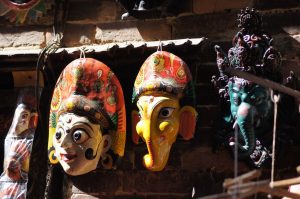
Kathmandu is Nepal’s bustling capital city, rich in cultural heritage, ancient temples, and vibrant street life. It’s where history comes alive through centuries-old architecture and traditional markets.
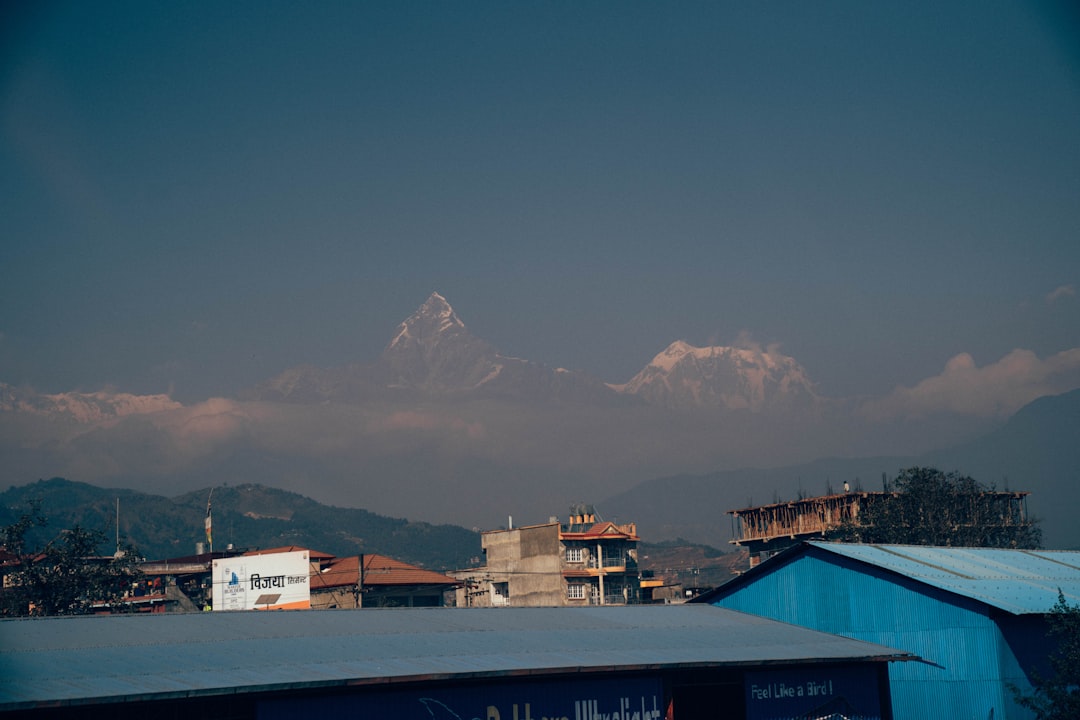
Pokhara is the gateway to the Himalayas, offering stunning mountain views, serene lakes, and adventure activities. It’s more relaxed and nature-focused compared to Kathmandu’s urban energy.
Cultural Experiences and Historical Attractions
Kathmandu: A Living Museum
If you’re a culture vulture or history buff, Kathmandu will absolutely blow your mind. This city is like stepping into a time machine – everywhere you look, there’s something that’s been standing for centuries.
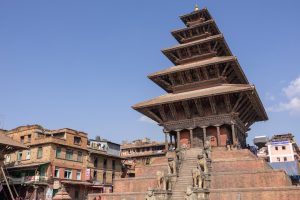
The Kathmandu Durbar Square is probably the most famous attraction, and for good reason. This UNESCO World Heritage site is packed with palaces, courtyards, and temples that showcase incredible Newari architecture. The intricate wood carvings and detailed stonework will have you snapping photos for hours.
Then there’s Swayambhunath Stupa (also known as the Monkey Temple), which sits on a hilltop overlooking the valley. The climb up is worth it for the panoramic views alone, plus you’ll get to interact with the resident monkeys who’ve made this place their home.
Pashupatinath Temple is another must-see, especially if you want to understand Hindu culture better. This sacred temple complex along the Bagmati River is where you can witness traditional cremation ceremonies and evening aarti (prayer rituals).
Pokhara: Natural Beauty with Cultural Touches
While Pokhara isn’t as culturally dense as Kathmandu, it still has some gems worth exploring. The World Peace Pagoda offers incredible views of Phewa Lake and the Annapurna range, especially at sunrise or sunset.
Tal Barahi Temple, located on an island in Phewa Lake, provides a unique cultural experience combined with natural beauty. You’ll need to take a boat to reach it, making the journey part of the adventure.
The International Mountain Museum is perfect if you’re interested in mountaineering history and the culture of Nepal’s mountain communities. It’s educational and gives great context for the Himalayan region.
Natural Beauty and Scenery
Pokhara: Mountain Paradise
This is where Pokhara absolutely shines. The city sits at the base of the Annapurna range, offering some of the most spectacular mountain views you’ll ever see. On clear days, the sight of snow-capped peaks reflecting in Phewa Lake is nothing short of magical.
Sarangkot is the go-to spot for sunrise views over the Himalayas. Yes, you’ll have to wake up super early (think 4:30 AM), but watching the mountains turn golden as the sun rises is an experience you’ll never forget.
The lake itself is perfect for peaceful boat rides, especially in the evening when the mountains create stunning silhouettes against the sunset sky. The whole vibe is incredibly relaxing and restorative.
Kathmandu: Urban Green Spaces
Kathmandu might be a bustling city, but it has its own natural charms. The Garden of Dreams is a peaceful oasis in the heart of the city – perfect for escaping the chaos and enjoying some quiet time among beautiful landscaping.
For panoramic valley views, head to Nagarkot or Dhulikhel (both are day trips from Kathmandu). These hill stations offer great mountain views and a chance to see the Kathmandu Valley from above.
Adventure Activities and Outdoor Experiences
Pokhara: Adventure Capital of Nepal
If you’re an adrenaline junkie or just love outdoor activities, Pokhara is your playground. This city is the starting point for some of the world’s most famous trekking routes, including the Annapurna Circuit and Everest Base Camp treks.
Even if you’re not up for multi-day treks, there are plenty of shorter options like:
- Day hikes to Sarangkot or the World Peace Pagoda
- Paragliding over Phewa Lake (seriously incredible!)
- White water rafting on nearby rivers
- Mountain biking through scenic trails
- Zip-lining with mountain views
- Bungee jumping for the truly brave
The paragliding experience deserves special mention – soaring above the lake with the Himalayas as your backdrop is absolutely unforgettable. Most flights last 20-30 minutes and are suitable for beginners.
Kathmandu: Urban Adventures
While Kathmandu isn’t known for adventure sports, it offers its own type of urban exploration. Getting lost in the narrow streets of Thamel is an adventure in itself – you’ll discover hidden courtyards, local eateries, and unexpected temples.
Day trips from Kathmandu can include hiking to Shivapuri National Park or exploring the ancient city of Bhaktapur, which feels like stepping back in time.
Food Scene and Culinary Experiences
Kathmandu: Culinary Capital
Food lovers, this is where you want to be! Kathmandu has an incredibly diverse food scene that goes way beyond traditional Nepali cuisine (though the local food is fantastic too).
You’ll find everything from authentic momos (Nepal’s famous dumplings) to international cuisine in trendy restaurants. The Thamel area is packed with restaurants catering to travelers, but for the best local experience, venture into the old parts of the city.
Must-try local dishes include:
- Dal Bhat (rice, lentils, and vegetables – the national dish)
- Newari cuisine (unique to the Kathmandu Valley)
- Sel roti (traditional ring-shaped rice bread)
- Chatamari (Nepali pizza with various toppings)
The street food scene is also amazing, though make sure to choose busy stalls with high turnover for food safety.
Pokhara: Lakeside Dining
Pokhara’s food scene is smaller but still offers great options, especially around the Lakeside area. Many restaurants have outdoor seating with lake views, making meals feel special even if the food is simple.
You’ll find good international food here (lots of German bakeries for some reason!), plus traditional Nepali dishes. The vibe is more relaxed and less chaotic than Kathmandu’s dining scene.
Nightlife and Entertainment
Kathmandu: City That Never Sleeps
If you enjoy nightlife, Kathmandu definitely has more to offer. Thamel comes alive at night with bars, clubs, and live music venues. You can bar-hop, enjoy live traditional music, or dance until the early hours.
The nightlife scene caters well to international travelers, with everything from rooftop bars to underground clubs. Just keep in mind that things wind down earlier than you might expect in some Western cities.
Pokhara: Peaceful Evenings
Pokhara is much more low-key when it comes to nightlife. Most of the action happens around Lakeside, with cozy bars and restaurants offering a relaxed atmosphere. It’s perfect for enjoying a beer while watching the sunset over the lake, but don’t expect pumping nightclubs.
Shopping and Markets
Kathmandu: Shopper’s Paradise
Shopping enthusiasts will love Kathmandu! The city offers everything from traditional markets to modern shopping centers.
Thamel is tourist shopping central, where you can find trekking gear, souvenirs, pashminas, and handicrafts. The prices start high, so brush up on your bargaining skills!
Asan Tole is a traditional market where locals shop – it’s more authentic but also more chaotic. You’ll find spices, vegetables, traditional items, and get a real taste of local life.
For higher-end shopping, areas like Durbar Marg have modern stores and boutiques.
Pokhara: Lakeside Markets
Shopping in Pokhara is mainly concentrated around the Lakeside area. You’ll find the usual tourist items like trekking gear, handicrafts, and souvenirs, but the selection is smaller than Kathmandu.
The atmosphere is more relaxed, and vendors are generally less aggressive, making for a more peaceful shopping experience.
Budget Considerations
Accommodation Costs
Kathmandu generally offers more accommodation options across all budget ranges. You can find everything from $5 hostels in Thamel to luxury hotels. Mid-range hotels typically cost $20-50 per night.
Pokhara tends to be slightly more expensive, especially for lakefront properties. Budget options start around $8-10, while mid-range lakeside hotels can cost $30-70 per night.
Food and Daily Expenses
Both cities are quite affordable, but Kathmandu edges out slightly cheaper for food due to more competition and options. Street food and local restaurants are budget-friendly in both places.
Transportation within both cities is very affordable, with local buses, taxis, and rickshaws available at low costs.
Getting There and Transportation
Arrival Options
Kathmandu has the obvious advantage of being home to Nepal’s main international airport (Tribhuvan International Airport). Most international flights arrive here, making it the natural entry point for most travelers.
Pokhara recently opened its own international airport (Pokhara Regional International Airport), but flight options are still limited. Most people still fly into Kathmandu and then travel to Pokhara by road or domestic flight.
Getting Between the Cities
The journey between Kathmandu and Pokhara takes about 6-7 hours by road (200km). You can choose between:
- Tourist buses (comfortable and affordable)
- Local buses (cheaper but more crowded)
- Private cars or taxis (faster and more flexible)
- Domestic flights (30 minutes but weather-dependent)
Best Time to Visit Each City
Both cities are great year-round, but certain seasons offer better experiences:
Best overall time: October to December and March to May offer clear skies, mild temperatures, and excellent mountain views.
Kathmandu is less affected by seasons since it’s more focused on cultural attractions. However, the clearer skies in autumn and spring make exploring more pleasant.
Pokhara is highly dependent on weather for mountain views. Monsoon season (June-September) can block mountain views for days, while winter mornings often offer the clearest Himalayan panoramas.
So, Which City Should You Choose?
Here’s my honest take on who should visit which city:
Choose Kathmandu if you:
- Love history, culture, and architecture
- Enjoy bustling city energy and street life
- Want diverse food options and nightlife
- Are interested in religious and spiritual sites
- Prefer having lots of activities within walking distance
- Are on a tighter budget
Choose Pokhara if you:
- Are drawn to natural beauty and mountain scenery
- Want to try adventure activities like paragliding or trekking
- Prefer a more relaxed, peaceful atmosphere
- Love lakes and want to spend time by water
- Are planning to trek in the Himalayas
- Want to disconnect and unwind
The Best Option: Visit Both!
If your schedule and budget allow, I highly recommend visiting both cities. They complement each other perfectly – you can soak up the culture and energy in Kathmandu, then relax and enjoy nature in Pokhara. A week in Nepal could easily be split between the two cities.
A popular itinerary is to fly into Kathmandu, spend 2-3 days exploring the cultural sites, then head to Pokhara for adventure and relaxation, before returning to Kathmandu for your departure flight.
Final Thoughts
Whether you choose the cultural richness of Kathmandu or the natural beauty of Pokhara, you’re in for an incredible experience. Nepal has this amazing ability to surprise and delight travelers, regardless of which city you pick as your base.
Remember, there’s no wrong choice here – both cities offer unique insights into Nepalese life and culture. The most important thing is to go with an open mind, embrace the differences from what you’re used to, and enjoy every moment of your Himalayan adventure.
Have you been to either Kathmandu or Pokhara? I’d love to hear about your experiences and which city captured your heart! Drop a comment below and share your Nepal stories.