Picture this: you’re standing at the base of Mount Everest, prayer flags fluttering in the crisp mountain air, while the golden sunrise paints the world’s tallest peaks in ethereal hues. Or maybe you’re wandering through the ancient streets of Kathmandu, where centuries-old temples share space with bustling markets selling everything from handwoven carpets to aromatic spices. This is Nepal – a country that feels like stepping into a living, breathing adventure novel.
Planning a custom Nepal tour might seem overwhelming at first. After all, this small Himalayan nation packs more diversity per square mile than almost anywhere else on Earth. From the subtropical jungles of the Terai to the towering peaks of the Himalayas, from ancient Buddhist monasteries to Hindu temples that have stood for millennia – Nepal offers experiences that can completely transform your perspective on life.
But here’s the thing: with a little insider knowledge and smart planning, you can craft a Nepal adventure that’s perfectly tailored to your interests, fitness level, and travel style. Whether you’re a hardcore trekker looking to tackle the Annapurna Circuit, a culture enthusiast eager to explore UNESCO World Heritage sites, or someone seeking spiritual enlightenment in the birthplace of Buddha, this guide will help you plan the Nepal trip of your dreams.
Understanding Nepal’s Incredible Diversity
Before diving into the nitty-gritty of trip planning, let’s talk about what makes Nepal so special. This landlocked country, roughly the size of Arkansas, is home to eight of the world’s ten highest mountains, including the mighty Everest. But Nepal’s appeal goes way beyond mountain climbing.
Geographic Regions and What They Offer
Nepal is traditionally divided into three distinct regions, each offering completely different experiences:
The Terai (Southern Plains): This flat, subtropical region along the Indian border is home to Chitwan National Park, where you can spot one-horned rhinoceros, Bengal tigers, and over 500 bird species. It’s also where Lumbini, the birthplace of Buddha, attracts pilgrims and peace-seekers from around the world.
The Hills (Middle Mountains): This is where you’ll find Kathmandu, Pokhara, and most of Nepal’s cultural treasures. The rolling hills are dotted with terraced farms, traditional villages, and ancient trade routes that have connected Tibet and India for centuries.
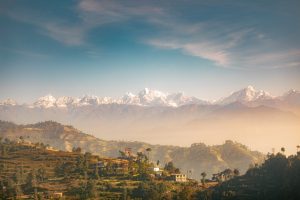
The Himalayas (High Mountains): The crown jewel of Nepal, this region includes the world’s most famous trekking routes and climbing expeditions. Even if you’re not planning to summit Everest, the mountain views from places like Nagarkot or during shorter treks are absolutely breathtaking.
Defining Your Nepal Adventure Style
The beauty of custom Nepal tours is that you can mix and match experiences based on what excites you most. Here are the main types of adventures you can incorporate into your trip:
Trekking and Adventure Tours
Nepal is a trekker’s paradise, offering everything from gentle day hikes to challenging multi-week expeditions. The most popular treks include:
- Everest Base Camp Trek: The ultimate bucket-list adventure (12-16 days)
- Annapurna Circuit: Diverse landscapes and cultures (15-20 days)
- Annapurna Base Camp: Stunning mountain amphitheater (7-12 days)
- Langtang Valley: Closer to Kathmandu, excellent for beginners (7-10 days)
- Ghorepani Poon Hill: Perfect for shorter trips (3-5 days)
Don’t worry if you’re not an experienced trekker – there are options for every fitness level, and you can always hire porters to carry your gear.
Cultural and Heritage Tours
Nepal’s cultural richness is mind-blowing. The Kathmandu Valley alone has seven UNESCO World Heritage Sites packed into an area smaller than most cities. You can explore ancient palace complexes, witness living goddess traditions, and experience festivals where the entire city transforms into a celebration.
Key cultural highlights include:
- Kathmandu Durbar Square and its intricate wood carvings
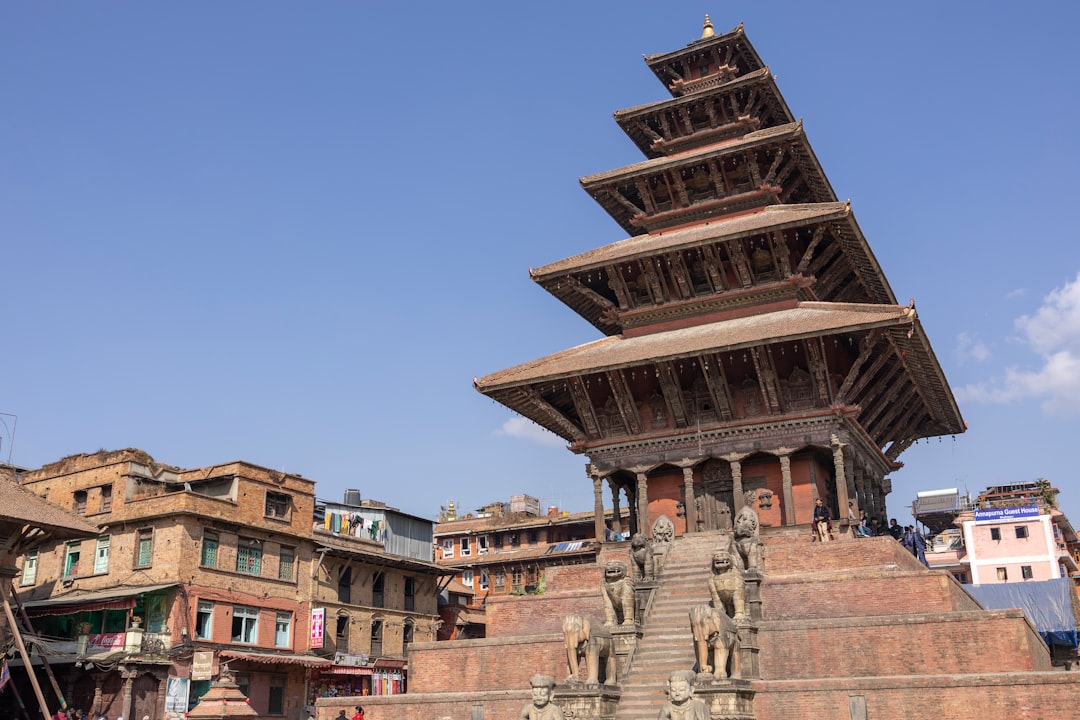
- Bhaktapur, a medieval city that feels frozen in time
- Pashupatinath Temple, one of Hinduism’s most sacred sites
- Boudhanath Stupa, one of the largest Buddhist stupas in the world
- Swayambhunath (Monkey Temple) with its all-seeing Buddha eyes
Wildlife and Nature Tours
Nepal isn’t just about mountains. The country’s national parks offer some of Asia’s best wildlife viewing opportunities. Chitwan National Park is the most famous, but Bardia National Park in the west offers a more remote experience with excellent tiger spotting opportunities.
Spiritual and Wellness Tours
There’s something about Nepal’s spiritual energy that draws people seeking deeper meaning. You can meditate in ancient monasteries, participate in yoga retreats with Himalayan views, or follow in Buddha’s footsteps in Lumbini.
Best Time to Visit Nepal
Timing can make or break your Nepal experience, so let’s break down the seasons:
Peak Season (October-November and March-May)
Pros: Clear mountain views, perfect trekking weather, comfortable temperatures, and blooming rhododendrons in spring.
Cons: Crowds on popular trails, higher prices, and fully booked accommodations.
Monsoon Season (June-September)
Pros: Lush green landscapes, fewer crowds, and lower prices.
Cons: Heavy rains can disrupt flights and make trekking challenging. Mountain views are often obscured by clouds.
Winter (December-February)
Pros: Crystal-clear mountain views, especially from lower altitudes, and fewer tourists.
Cons: Cold temperatures at high altitudes can make trekking uncomfortable, and some high-altitude passes may be closed.
Creating Your Custom Itinerary
Now for the fun part – designing your perfect Nepal adventure! Here’s how to approach it:
Start with Your Must-Do List
Write down everything that excites you about Nepal. Want to see Everest? Trek through rhododendron forests? Experience a Hindu festival? Learn to cook dal bhat? Having a clear list of priorities helps you build an itinerary that doesn’t try to do everything but does the things that matter most to you really well.
Consider Your Time and Fitness Level
Be honest about your physical condition and available time. A two-week trip trying to cram in Everest Base Camp, cultural tours, and wildlife viewing will leave you exhausted. It’s better to do fewer things well than to rush through everything.
Sample Itineraries by Duration
7-Day Cultural Focus:
- Days 1-3: Kathmandu Valley (Durbar Squares, temples, and museums)
- Days 4-5: Pokhara (lakes, caves, and short hikes)
- Days 6-7: Chitwan National Park (wildlife viewing)
14-Day Balanced Adventure:
- Days 1-2: Kathmandu exploration
- Days 3-9: Annapurna Base Camp trek
- Days 10-11: Pokhara relaxation and activities
- Days 12-13: Chitwan wildlife experience
- Day 14: Return to Kathmandu
21-Day Ultimate Experience:
- Days 1-3: Kathmandu and surroundings
- Days 4-15: Everest Base Camp trek
- Days 16-17: Rest and recovery in Kathmandu
- Days 18-19: Chitwan National Park
- Days 20-21: Lumbini and final cultural experiences
Essential Planning Logistics
Visa and Entry Requirements
Most visitors can get a tourist visa on arrival at Tribhuvan International Airport in Kathmandu. You’ll need:
- A passport valid for at least 6 months
- A recent passport-sized photo
- Cash for visa fees (15-day visa: $30, 30-day visa: $50, 90-day visa: $125)
You can also apply for a visa online before traveling, which can save time at the airport.
Health and Safety Preparations
No vaccinations are required for Nepal, but the CDC recommends being up-to-date on routine vaccines and considering hepatitis A, hepatitis B, typhoid, and Japanese encephalitis depending on your activities.
If you’re trekking above 2,500 meters, altitude sickness is a real concern. Plan acclimatization days into your itinerary and consider consulting a doctor about altitude sickness medication.
Travel Insurance
This isn’t optional – it’s absolutely essential. Make sure your policy covers high-altitude trekking (up to 6,000 meters if you’re doing major treks) and emergency helicopter evacuation. Mountain rescue operations can cost tens of thousands of dollars.
Budgeting for Your Nepal Adventure
Nepal can accommodate almost any budget, from backpacker-friendly to luxury experiences. Here’s a rough breakdown:
Budget Travel ($30-50 per day)
- Teahouses and basic guesthouses
- Local restaurants and street food
- Public transportation
- Independent trekking
Mid-Range Travel ($75-150 per day)
- Comfortable hotels and better teahouses
- Mix of local and international cuisine
- Private transportation for some segments
- Guided treks with porter support
Luxury Travel ($200+ per day)
- 5-star hotels and luxury lodges
- Helicopter transfers for scenic flights
- Private guides and full porter support
- High-end dining and spa treatments
Hidden Costs to Consider
- Trekking permits ($20-50 depending on the region)
- TIMS card (Trekkers’ Information Management System) – $20
- Domestic flights (can be expensive but save time)
- Gear rental or purchase
- Tips for guides and porters (customary and appreciated)
Choosing the Right Tour Operator
Unless you’re an experienced independent traveler, working with a reputable local tour operator can make your Nepal experience infinitely smoother and more enriching.
What to Look for in a Tour Operator
- Local expertise: Companies based in Nepal understand the culture, weather patterns, and logistics better than international operators
- Flexible itineraries: The best operators can adjust plans based on weather, your interests, or unexpected opportunities
- Safety record: Ask about their safety protocols, guide training, and emergency procedures
- Environmental responsibility: Look for operators committed to sustainable tourism and supporting local communities
- Guide quality: Experienced, English-speaking guides can transform your understanding of Nepal’s culture and history
Questions to Ask Potential Operators
- Can you provide references from previous clients?
- What’s included in the price, and what are additional costs?
- How do you handle emergencies, especially at high altitude?
- What’s your cancellation policy for weather-related changes?
- How do you support local communities?
Packing Essentials for Nepal
Packing for Nepal requires thinking about multiple climates and activities. Here’s what you absolutely need:
For Trekking
- Layered clothing system (base layers, insulating layers, waterproof shell)
- Sturdy, broken-in hiking boots
- Warm sleeping bag (rated for expected temperatures)
- Headlamp with extra batteries
- Water purification tablets or UV sterilizer
- Basic first aid kit
- Sunglasses and sunscreen (high-altitude sun is intense)
For Cultural Tours
- Modest clothing for temple visits
- Comfortable walking shoes
- Light rain jacket
- Camera with extra batteries
- Small daypack
Universal Essentials
- Passport and visa documents
- Travel insurance papers
- Cash (US dollars and Nepalese rupees)
- Power adapter for Nepal (Type C, D, and M plugs)
- Basic medications
Cultural Etiquette and Responsible Travel
Nepal’s rich cultural traditions deserve respect and understanding. Here are some key points to keep in mind:
Religious Sites
- Remove shoes before entering temples
- Don’t point feet toward religious objects or people
- Ask permission before photographing people, especially in religious contexts
- Dress modestly (cover shoulders and knees)
- Don’t use leather items in Hindu temples
Social Interactions
- Use both hands when giving or receiving items
- The traditional greeting “Namaste” with palms together is always appreciated
- Public displays of affection are not appropriate
- Bargaining is expected in markets but be respectful
Environmental Responsibility
- Pack out all trash, especially on treks
- Use water purification instead of buying plastic bottles
- Stay on designated trails
- Support local businesses and communities
- Be mindful of water usage (it’s often scarce in mountain areas)
Making the Most of Your Nepal Experience
Learn Some Basic Nepali Phrases
Even a few words in Nepali can open doors and hearts. Try learning:
- “Namaste” (NAH-mas-tay) – Hello/goodbye
- “Dhanyabad” (dahn-ya-bahd) – Thank you
- “Maph garnuhos” (mahf gahr-nu-hos) – Excuse me/sorry
- “Kati ho?” (kah-ti ho) – How much?
Embrace Flexibility
Nepal operates on “Nepal time,” which means things don’t always go according to schedule. Weather can ground flights, roads can be blocked by landslides, and festivals can shut down entire cities. Instead of getting frustrated, embrace these moments as part of the adventure. Some of the best travel experiences happen when plans go sideways.
Connect with Locals
Nepali people are incredibly warm and hospitable. Don’t just stick with your tour group – strike up conversations with shopkeepers, share tea with villagers on treks, and learn about daily life. These human connections often become the most treasured memories of any trip.
Conclusion: Your Nepal Adventure Awaits
Planning a custom Nepal tour might seem daunting at first, but it’s also incredibly exciting. You’re not just planning a vacation – you’re crafting an adventure that could change how you see the world and yourself.
Remember, there’s no “perfect” way to experience Nepal. Whether you’re drawn to the spiritual energy of ancient temples, the challenge of high-altitude trekking, the thrill of spotting tigers in the jungle, or simply the warm hospitality of the Nepali people, your custom tour should reflect what excites you most about this incredible country.
The key is to plan thoroughly but remain flexible, respect the local culture while staying true to your own interests, and approach every day with a sense of wonder and openness. Nepal has a way of surprising visitors – often in the most delightful ways.
So start dreaming, start planning, and get ready for an adventure that will leave you with stories to tell for the rest of your life. The Himalayas are calling, and trust us – you’re going to want to answer that call.