Germany stands as one of Europe’s most captivating destinations, offering travelers an extraordinary blend of rich history, stunning architecture, vibrant culture, and breathtaking landscapes. From the fairy-tale castles of Bavaria to the bustling streets of Berlin, this comprehensive guide will equip you with everything necessary for planning an unforgettable German adventure.
Essential Travel Information for Germany
Visa Requirements and Entry Procedures
Understanding Germany’s visa requirements is crucial for international travelers. As a member of the Schengen Area, Germany offers streamlined entry procedures for many nationalities.
Visa-Free Travel: Citizens from the United States, Canada, Australia, New Zealand, and most EU countries can enter Germany without a visa for stays up to 90 days within a 180-day period. Your passport must be valid for at least three months beyond your intended departure date.
Schengen Visa: Travelers from countries not on the visa-free list must obtain a Schengen visa before arrival. This visa allows travel throughout the Schengen Zone and can be obtained from German consulates or embassies in your home country.
Required Documentation:
- Valid passport
- Proof of accommodation
- Return flight tickets
- Sufficient financial means (approximately €45 per day)
- Travel insurance (recommended minimum coverage: €30,000)
Currency and Money Matters
Germany uses the Euro (€) as its official currency. Credit and debit cards are widely accepted in major cities, though cash remains king in smaller towns and rural areas. ATMs are abundant, and most international cards work seamlessly.
Tipping Culture: Tipping in Germany is customary but modest. Round up restaurant bills by 5-10% or leave small change for satisfactory service. For exceptional service, 10-15% is appropriate.
When to Visit Germany
Seasonal Considerations
Spring (March-May): Mild temperatures and blooming landscapes make spring ideal for outdoor activities. Easter markets add cultural charm, though weather can be unpredictable.
Summer (June-August): Peak tourist season offers warm weather, long daylight hours, and numerous festivals. Expect crowds at popular destinations and higher accommodation prices.
Autumn (September-November): Oktoberfest season brings vibrant fall colors and pleasant temperatures. This period offers excellent value with fewer crowds than summer.
Winter (December-February): Christmas markets create magical atmospheres, while ski resorts in Bavaria offer winter sports opportunities. Weather can be harsh, but thermal baths provide cozy respites.
Regional Climate Variations
Northern Germany experiences a maritime climate with mild winters and cool summers. Central regions have a continental climate with greater temperature variations, while southern areas near the Alps can be significantly cooler with more precipitation.
Top Destinations and Must-See Attractions
Berlin: The Capital’s Rich History
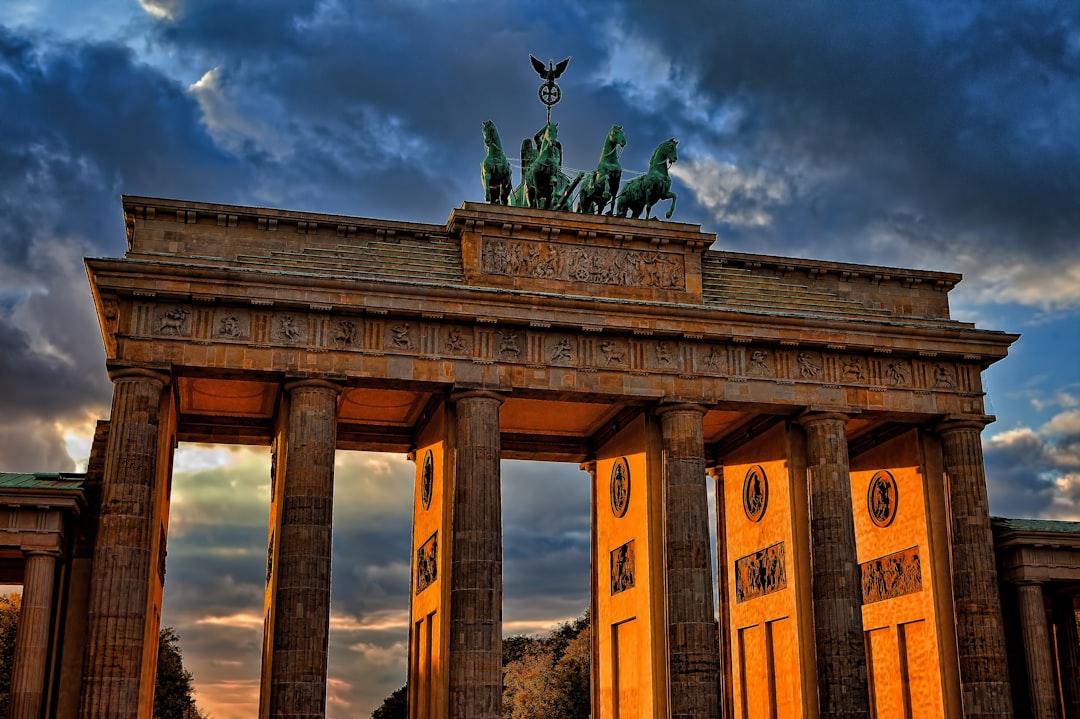
Berlin seamlessly blends historical significance with modern innovation. The city’s tumultuous past is preserved in landmarks like the Brandenburg Gate, Berlin Wall remnants, and Checkpoint Charlie.
Essential Berlin Experiences:
- Museum Island (Museumsinsel) – UNESCO World Heritage site
- East Side Gallery – Longest remaining Berlin Wall section
- Reichstag Building – German Parliament with stunning glass dome
- Holocaust Memorial – Moving tribute to victims
- Potsdamer Platz – Modern commercial district
Munich: Bavarian Charm and Alpine Beauty
Munich epitomizes German culture with its beer halls, traditional architecture, and proximity to fairy-tale castles. The city serves as an excellent base for exploring Bavaria.
Munich Highlights:
- Marienplatz – Central square with famous Glockenspiel
- Neuschwanstein Castle – Disney-inspired fairy-tale castle
- English Garden – Larger than Central Park with beer gardens
- Oktoberfest grounds – Year-round attraction beyond festival season
- Day trips to Austrian Alps
Hamburg: Maritime Heritage and Modern Culture
Germany’s second-largest city combines maritime history with contemporary attractions. The UNESCO-listed Speicherstadt and vibrant Reeperbahn entertainment district offer contrasting experiences.
Cologne: Cathedral City on the Rhine
Cologne’s magnificent Gothic cathedral dominates the skyline, while numerous museums and galleries showcase the city’s cultural significance. The historic Old Town offers charming streets and traditional breweries.
The Romantic Road: Scenic Route Through Medieval Towns
This 350-kilometer route connects Würzburg to Füssen, passing through picturesque medieval towns like Rothenburg ob der Tauber and Dinkelsbühl. The journey showcases Germany’s fairy-tale landscapes and well-preserved historical architecture.
Transportation in Germany
German Railway System (Deutsche Bahn)
Germany’s extensive rail network provides efficient transportation between cities and regions. High-speed ICE trains connect major destinations, while regional trains serve smaller communities.
Rail Pass Options:
- German Rail Pass – Unlimited travel for non-residents
- BahnCard – Discount cards for frequent travelers
- Länder-Tickets – Regional day passes for local exploration
- City-specific day passes combining public transport
Public Transportation in Cities
German cities feature excellent public transportation systems including buses, trams, and underground trains (U-Bahn/S-Bahn). Purchase tickets before boarding and validate them to avoid fines.
Car Rental and Driving
Renting a car provides flexibility for exploring rural areas and scenic routes. Germany’s Autobahn system includes sections without speed limits, though construction and traffic often limit actual speeds.
Driving Requirements:
- Valid international driving permit
- Original driving license
- Minimum age 18 (rental companies may require 21+)
- Credit card for security deposit
German Culture and Etiquette
Language Considerations
While German is the official language, English is widely spoken in tourist areas and by younger generations. Learning basic German phrases demonstrates respect and often receives positive responses from locals.
Essential German Phrases:
- Guten Tag – Good day/Hello
- Danke schön – Thank you very much
- Entschuldigung – Excuse me/Sorry
- Sprechen Sie Englisch? – Do you speak English?
- Wo ist…? – Where is…?
Social Customs and Business Etiquette
Germans value punctuality, direct communication, and personal space. Handshakes are standard greetings, and maintaining eye contact shows sincerity. Business casual dress is appropriate for most situations.
Dining Etiquette:
- Wait for the host to begin eating
- Keep hands visible on the table
- Finish everything on your plate
- Split bills are common (“getrennt bezahlen”)
- Saying “Prost!” when toasting is expected
Food and Drink Culture
Traditional German Cuisine
German cuisine extends far beyond sausages and beer, though these remain important cultural elements. Regional specialties reflect local ingredients and historical influences.
Must-Try Dishes:
- Sauerbraten: Marinated roast beef with red cabbage
- Schnitzel: Breaded cutlet, typically pork or veal
- Spätzle: Soft egg noodles from southern Germany
- Currywurst: Sliced sausage with curry-spiced ketchup
- Apfelstrudel: Traditional apple pastry dessert
German Beer Culture
Germany’s beer purity law (Reinheitsgebot) from 1516 ensures high-quality brewing standards. Each region produces distinctive beer styles, from Bavarian wheat beers to Kölsch from Cologne.
Beer Garden Etiquette: Sharing tables is common and expected. Bring your own food or purchase from vendors, but buy drinks from the establishment. Toast before drinking and maintain friendly conversation with tablemates.
Accommodation Options
Hotels and Guesthouses
Germany offers diverse accommodation options from luxury hotels to budget guesthouses. Business hotels are common in city centers, while family-run pensions provide authentic local experiences.
Alternative Accommodations
Hostels: Excellent budget option with clean facilities and social atmospheres. Many hostels offer private rooms alongside dormitories.
Vacation Rentals: Apartments and houses provide space and kitchen facilities for longer stays or family travel.
Camping and Glamping: Germany’s numerous campgrounds offer budget-friendly accommodation with good facilities. Glamping sites provide luxury camping experiences in scenic locations.
Shopping and Souvenirs
Traditional German Products
Authentic German souvenirs include beer steins, cuckoo clocks from the Black Forest, and traditional dirndl or lederhosen clothing. Christmas ornaments from Rothenburg ob der Tauber and porcelain from Meissen make memorable gifts.
Shopping Areas and Markets
Pedestrian zones in city centers offer concentrated shopping areas. Weekly markets provide fresh produce and local specialties, while Christmas markets (November-December) feature handcrafted items and seasonal treats.
Safety and Health Considerations
General Safety
Germany maintains high safety standards with low crime rates. Tourist police assist visitors in major cities, and emergency services respond quickly. Exercise normal precautions in crowded areas and nightlife districts.
Healthcare System
Germany’s healthcare system ranks among the world’s best. Pharmacies (Apotheken) provide over-the-counter medications and basic health advice. Travel insurance is strongly recommended for non-EU visitors.
Emergency Numbers:
- 112 – General emergency (fire, medical, police)
- 110 – Police only
- 116117 – Medical emergency hotline
Budget Planning and Money-Saving Tips
Daily Budget Estimates
Budget Travel: €50-80 per day including hostel accommodation, public transport, and simple meals.
Mid-Range Travel: €100-150 per day with hotel accommodation, restaurant meals, and attraction entry fees.
Luxury Travel: €200+ per day for premium accommodation, fine dining, and exclusive experiences.
Money-Saving Strategies
- Purchase city tourism cards for attraction discounts and free transport
- Eat at lunch for lower prices at restaurants
- Shop at discount supermarket chains (Aldi, Lidl)
- Use public transport day passes
- Visit free museums on designated days
- Book accommodation outside city centers for lower rates
Technology and Communication
Internet and Mobile Coverage
Germany provides excellent internet coverage with free Wi-Fi available in most hotels, restaurants, and public spaces. Mobile coverage is comprehensive, though data roaming charges may apply for non-EU visitors.
Useful Apps for Travelers
- DB Navigator: German Railway official app for schedules and tickets
- Google Translate: Real-time translation including camera function
- Citymapper: Public transport navigation for major cities
- TripAdvisor: Restaurant and attraction reviews
- Weather apps: Essential for planning outdoor activities
Conclusion
Germany offers travelers an incredibly diverse and rewarding experience, combining world-class cultural attractions with stunning natural beauty and warm hospitality. From exploring historical landmarks in Berlin to hiking in the Bavarian Alps, every region provides unique discoveries.
Successful German travel requires advance planning, cultural sensitivity, and openness to new experiences. This comprehensive guide provides the foundation for your journey, but the real magic happens when you engage with local communities, sample regional cuisines, and create personal connections with this remarkable country.
Remember that travel plans should remain flexible, allowing spontaneous discoveries that often become the most cherished memories. Whether you’re interested in history, culture, nature, or simply enjoying excellent beer and food, Germany delivers unforgettable experiences for every type of traveler.
Start planning your German adventure today, and prepare to be amazed by a country that seamlessly blends tradition with innovation, creating a destination that continues to captivate visitors from around the world.