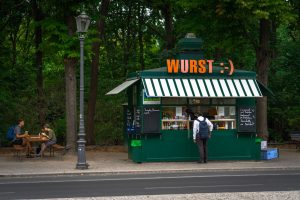
Germany consistently ranks among Europe’s most popular destinations, welcoming over 39 million international visitors annually. But with so many European countries competing for travelers’ attention, you might wonder: is Germany truly worth visiting? This comprehensive guide examines everything first-time visitors need to know about traveling to Deutschland.
Whether you’re drawn to fairy-tale castles, world-class museums, or legendary beer gardens, Germany offers a unique blend of historical significance, cultural richness, and modern innovation. However, like any destination, it comes with both advantages and considerations that smart travelers should understand before booking their trip.
What Makes Germany Special? Key Attractions and Experiences
Historical Significance and Cultural Heritage
Germany’s tumultuous history has left an indelible mark on the landscape, creating some of Europe’s most profound cultural experiences. The country offers visitors unique opportunities to explore pivotal moments in world history, from medieval castles to Cold War landmarks.
Must-visit historical sites include:
- Brandenburg Gate and remnants of the Berlin Wall
- Neuschwanstein Castle, the inspiration for Disney’s Sleeping Beauty castle
- Cologne Cathedral, a Gothic masterpiece and UNESCO World Heritage site
- Nuremberg’s Old Town and Documentation Center
- Memorial sites like Dachau and Bergen-Belsen
Architectural Marvels and City Diversity
Each German city offers distinct architectural styles and cultural personalities. Munich embodies Bavarian charm with its beer halls and Alpine architecture, while Berlin pulses with contemporary energy and street art. Dresden showcases baroque splendor, and Hamburg offers maritime heritage along its historic waterfront.
The diversity extends beyond major cities. Small towns like Rothenburg ob der Tauber preserve medieval atmospheres, while the Rhine Valley presents romantic landscapes dotted with castles and vineyards.
World-Class Museums and Art Collections
Germany houses some of the world’s most impressive museum collections. Berlin’s Museum Island alone contains five world-renowned museums, including the Pergamon Museum with its ancient architectural reconstructions. The Zwinger Palace in Dresden and Munich’s art district offer additional cultural treasures spanning centuries of human creativity.
Practical Considerations: Costs, Transportation, and Planning
Budget Breakdown: How Much Does Germany Cost?
Germany’s cost structure places it in the mid-to-upper range among European destinations. Understanding typical expenses helps travelers budget effectively:
Accommodation costs (per night):
- Budget hostels: €20-40
- Mid-range hotels: €70-150
- Luxury hotels: €200-500+
Daily meal expenses:
- Street food/fast casual: €8-15
- Restaurant meals: €15-30
- Fine dining: €50-100+
Transportation:
- Public transport day passes: €7-15
- DB train tickets: €19-150+ depending on distance and speed
- Rental cars: €25-60 per day
Transportation Excellence: Getting Around Germany
Germany’s transportation infrastructure ranks among the world’s best. The Deutsche Bahn (DB) railway system connects major cities efficiently, with high-speed ICE trains reaching speeds up to 320 km/h. Regional trains and buses serve smaller destinations comprehensively.
Transportation tips for first-time visitors:
- Purchase DB rail passes for multi-city itineraries
- Book advance tickets for significant savings on long-distance routes
- Use public transport day passes in major cities
- Consider car rentals for exploring rural areas and the Romantic Road
Language and Communication
English proficiency varies throughout Germany. Major tourist areas, hotels, and restaurants typically accommodate English speakers, but learning basic German phrases enhances the experience. Younger Germans generally speak excellent English, while older residents may prefer German communication.
Seasonal Considerations: When to Visit Germany
Peak Season (June-August)
Summer offers the warmest weather and longest days, perfect for outdoor activities and festivals. However, this popularity brings crowded attractions and higher accommodation costs. Beer gardens operate at full capacity, and outdoor festivals create vibrant atmospheres throughout the country.
Shoulder Seasons (April-May, September-October)
These periods often provide the optimal balance of pleasant weather, manageable crowds, and reasonable prices. Spring brings blooming landscapes and Easter markets, while autumn offers harvest festivals and stunning foliage in regions like the Black Forest.
Winter Season (November-March)
Winter transforms Germany into a magical destination, particularly during Christmas market season. Cities like Nuremberg, Dresden, and Cologne host world-famous Christmas markets that attract visitors from around the globe. However, shorter days and colder weather limit some outdoor activities.
Regional Highlights: Exploring Germany’s Diverse Landscapes
Bavaria: Traditional Germany
Bavaria delivers the Germany many visitors envision: Alpine landscapes, lederhosen, beer halls, and fairy-tale castles. Munich serves as the regional capital, offering world-class museums, Oktoberfest heritage, and proximity to the Austrian Alps. The region also includes romantic towns along the Romantic Road and King Ludwig II’s elaborate castles.
Berlin and Eastern Germany
Germany’s capital represents the country’s complex history and dynamic future. Cold War sites, cutting-edge museums, vibrant nightlife, and diverse neighborhoods create an urban experience unlike anywhere else in Europe. Nearby Dresden and Leipzig offer additional cultural attractions with fewer crowds.
Rhine Valley and Western Germany
The Rhine River corridor showcases Germany’s romantic side, with medieval castles perched above vineyard-covered hillsides. Cologne’s cathedral dominates the skyline, while smaller towns like Bacharach and Rüdesheim offer intimate wine-tasting experiences. The region also includes the cosmopolitan city of Düsseldorf and the industrial heritage of the Ruhr Valley.
Northern Germany and the Coast
Often overlooked by first-time visitors, northern Germany offers unique attractions including Hamburg’s maritime culture, the historic Hanseatic League cities of Lübeck and Bremen, and the distinctive landscapes of the Wadden Sea. The region provides a different perspective on German culture, with influences from Scandinavian and maritime traditions.
Food and Drink: Beyond Bratwurst and Beer
Traditional German Cuisine
German food culture extends far beyond stereotypical sausages and sauerkraut. Regional specialties reflect local ingredients and historical influences, from Bavarian white sausages to North Sea seafood dishes. Traditional restaurants called gasthäuses offer authentic experiences with hearty portions and local ingredients.
Must-try dishes include:
- Sauerbraten (pot roast) in the Rhineland
- Königsberger Klopse (meatballs) in Berlin
- Spätzle (egg noodles) in southern Germany
- Fresh fish dishes along the northern coast
- Regional bread varieties, which number over 300 types
Beer Culture and Wine Regions
Germany’s beer purity law (Reinheitsgebot) has governed brewing since 1516, ensuring high quality standards. Each region produces distinctive styles, from Bavarian wheat beers to Cologne’s light kölsch. Beer gardens provide social gathering spaces that welcome visitors to experience local culture.
German wine regions, particularly along the Rhine and Mosel rivers, produce excellent white wines, especially Riesling. Wine festivals throughout autumn offer tastings and cultural experiences in picturesque vineyard settings.
Cultural Etiquette and Local Customs
Social Norms and Expectations
Germans value punctuality, direct communication, and respect for rules. These cultural traits, while sometimes perceived as stern by visitors, reflect efficiency and consideration for others. Understanding these expectations helps travelers navigate social situations more successfully.
Key etiquette guidelines:
- Arrive on time for scheduled activities and reservations
- Maintain quiet voices on public transportation
- Follow pedestrian signals and cycling lane rules
- Cash remains preferred for many transactions
- Sunday shopping restrictions apply in most areas
Environmental Consciousness
Germany leads global environmental initiatives, and visitors should respect local practices. Recycling systems are sophisticated and expected, public transportation receives priority over private vehicles, and many accommodations implement eco-friendly practices.
Potential Drawbacks: Honest Assessment
Cost Considerations
Germany’s living costs can shock budget travelers accustomed to lower prices in Eastern or Southern Europe. Restaurant meals, accommodation, and attractions command premium prices, particularly in major cities and tourist areas. Travelers should budget accordingly and consider money-saving strategies like cooking meals or staying in hostels.
Weather Limitations
German weather can be unpredictable, with frequent rain and limited sunshine even during summer months. This climate affects outdoor activities and may disappoint visitors expecting Mediterranean conditions. Packing appropriate clothing and maintaining flexible itineraries helps manage weather-related challenges.
Language Barriers
While many Germans speak English, communication challenges can arise, particularly in rural areas or when dealing with older residents. Important documents, museum exhibits, and transportation information may not always offer English translations.
Maximizing Your German Experience: Expert Tips
Planning Your Itinerary
First-time visitors should focus on 2-3 cities rather than attempting to cover the entire country. This approach allows deeper exploration and reduces transportation time. Consider combining contrasting destinations: perhaps Munich for traditional Bavaria, Berlin for modern history, and a Rhine Valley town for romantic landscapes.
Money-Saving Strategies
Effective cost-reduction techniques include:
- Purchasing museum passes in major cities
- Eating lunch at restaurants (often cheaper than dinner)
- Staying in accommodations with kitchen facilities
- Using regional transportation day passes
- Visiting free attractions like parks and certain monuments
Cultural Immersion Opportunities
Authentic experiences often occur away from main tourist circuits. Consider staying in family-run pensions, attending local festivals, visiting neighborhood markets, or taking cooking classes. These activities provide genuine cultural insights while supporting local communities.
Conclusion: Is Germany Worth Your Travel Investment?
Germany absolutely merits inclusion on any European travel itinerary, particularly for first-time visitors seeking diverse experiences within a single country. The nation offers unparalleled historical significance, cultural richness, and practical advantages like excellent transportation infrastructure and tourist services.
However, success requires realistic expectations and appropriate planning. Germany demands higher budgets than many European destinations, and weather conditions may limit some activities. Additionally, the country’s efficiency and rule-oriented culture might feel rigid to some travelers.
For visitors who appreciate history, value cultural depth, and don’t mind premium pricing for quality experiences, Germany delivers exceptional travel rewards. The country’s combination of medieval charm, modern innovation, and natural beauty creates memories that justify the investment.
Consider Germany particularly worthwhile if you’re interested in European history, enjoy museum experiences, appreciate good beer and food, or want to explore diverse landscapes within efficient travel networks. First-time visitors who approach Germany with open minds and proper preparation typically leave planning return trips.
Ready to explore Germany? Start planning your itinerary by identifying your priority interests, researching seasonal considerations for your travel dates, and booking accommodations well in advance for popular destinations and peak travel periods.