
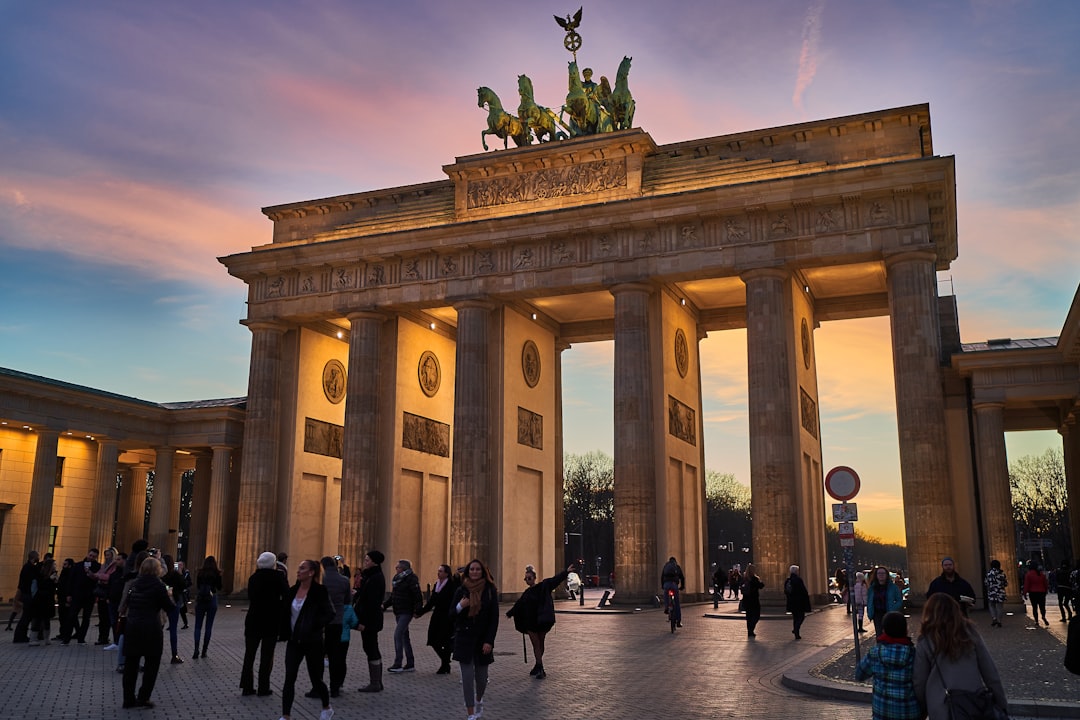
Germany stands as one of Europe’s most captivating travel destinations, offering everything from fairy-tale castles and vibrant cities to rich history and world-renowned beer culture. However, before you pack your bags for this Central European gem, understanding the true cost of traveling in Germany is essential for proper trip planning.
Whether you’re dreaming of exploring Berlin’s dynamic neighborhoods, wandering through Bavaria’s picturesque villages, or sampling authentic German cuisine, having a realistic budget will ensure you can fully enjoy your German adventure without financial stress.
Table of Contents
Overview of Germany’s Cost of Living for Travelers
Germany maintains a moderate to high cost of living compared to other European destinations. As the continent’s economic powerhouse, prices reflect the country’s strong economy and high quality of life. However, Germany offers excellent value for money when you consider the exceptional infrastructure, safety, and cultural experiences available to visitors.
The cost of traveling in Germany varies significantly depending on your travel style, the cities you visit, and the time of year you choose to travel. Major metropolitan areas like Munich, Frankfurt, and Hamburg typically command higher prices than smaller towns and rural regions.
Regional Price Variations
Understanding regional cost differences helps you budget more accurately:
- Most Expensive: Munich, Frankfurt, Hamburg, Stuttgart
- Moderately Priced: Berlin, Cologne, Dresden, Düsseldorf
- Budget-Friendly: Leipzig, Erfurt, smaller Bavarian towns, rural areas
Daily Budget Breakdown by Travel Style
Your daily expenses in Germany will largely depend on your chosen travel style. Here’s a comprehensive breakdown of what to expect across different budget categories:
Budget Travel (€30-50 per day)
Budget travelers can explore Germany comfortably with careful planning and smart choices:
- Accommodation: €15-25 per night (hostels, shared dorms)
- Food: €10-15 per day (supermarket meals, street food)
- Transportation: €5-10 per day (public transport, walking)
- Activities: €0-10 per day (free museums, parks, self-guided tours)
Mid-Range Travel (€70-120 per day)
Mid-range travelers enjoy greater comfort and flexibility:
- Accommodation: €40-70 per night (3-star hotels, private hostel rooms)
- Food: €25-35 per day (mix of restaurants and casual dining)
- Transportation: €10-20 per day (public transport, occasional taxis)
- Activities: €15-25 per day (paid attractions, guided tours)
Luxury Travel (€150+ per day)
Luxury travelers can indulge in Germany’s finest offerings:
- Accommodation: €100-300+ per night (4-5 star hotels)
- Food: €50-80+ per day (fine dining, premium restaurants)
- Transportation: €20-50+ per day (taxis, rental cars, first-class trains)
- Activities: €30-100+ per day (premium tours, cultural events)
Accommodation Costs in Germany
Accommodation represents one of the largest expenses for travelers in Germany. The country offers diverse lodging options to suit every budget and preference.
Budget Accommodation Options
Hostels: Germany boasts an extensive network of high-quality hostels, particularly in major cities. Expect to pay €15-30 per night for dorm beds, with private rooms ranging from €40-60.
Budget Hotels: Chain hotels like Ibis Budget or local budget options typically cost €35-55 per night for basic but clean accommodations.
Mid-Range Accommodation
Three-Star Hotels: Well-appointed hotels with standard amenities range from €60-100 per night, depending on location and season.
Boutique Hotels: Unique, locally-owned properties offer character and charm for €80-120 per night.
Luxury Accommodation
Four and Five-Star Hotels: Premium accommodations in major cities start around €120 and can exceed €400 per night for luxury properties.
Castle Hotels: For a truly unique experience, Germany’s castle hotels offer fairy-tale accommodations from €150-500+ per night.
Food and Dining Expenses
German cuisine extends far beyond sausages and beer, though both remain delightful staples. Food costs in Germany are reasonable compared to other Western European countries.
Budget Dining Options
Smart food choices can keep your dining costs minimal:
- Supermarket Shopping: €20-30 for a week’s worth of basic groceries
- Bakeries: Fresh bread and pastries for €1-3
- Street Food: Currywurst, döner kebab, or bratwurst for €3-6
- Student Cafeterias: Filling meals for €4-8 (often open to public)
Mid-Range Dining
Traditional German restaurants and casual dining offer excellent value:
- Gasthaus/Gasthof: Traditional meals for €12-18
- Beer Gardens: Classic German experience with meals €10-16
- Casual Restaurants: International cuisine for €15-25
Fine Dining
Germany’s culinary scene includes numerous Michelin-starred establishments:
- Upscale Restaurants: €40-80 per person
- Michelin-Starred Venues: €100-300+ for tasting menus
Transportation Costs
Germany’s efficient transportation system makes getting around both convenient and relatively affordable. The country offers various options for different budgets and travel preferences.
Public Transportation
German cities feature excellent public transport networks:
- Single Tickets: €2-4 for buses, trams, and metro
- Day Passes: €6-12 for unlimited daily travel within city zones
- Weekly Passes: €25-40 for extended stays
Intercity Travel
Deutsche Bahn (DB): Germany’s national railway offers various ticket options:
- Regional Trains: €10-30 for shorter distances
- ICE High-Speed Trains: €25-150 depending on distance and booking time
- Länder-Tickets: Regional day passes for €25-35 covering entire federal states
Bus Travel: Long-distance buses provide budget-friendly alternatives:
- FlixBus: €5-25 for intercity routes
- Booking Tips: Advance bookings often yield significant savings
Car Rental and Driving
Renting a car offers flexibility for exploring rural areas:
- Rental Costs: €25-60 per day for economy vehicles
- Fuel: €1.50-1.70 per liter
- Parking: €1-4 per hour in city centers
- Autobahn: No tolls for passenger vehicles
Activities and Attractions Budget
Germany offers countless cultural, historical, and recreational activities. Smart planning can help you experience the country’s highlights without overspending.
Free and Low-Cost Activities
Many of Germany’s best experiences cost nothing:
- Walking Tours: Free walking tours available in most cities
- Parks and Gardens: Beautiful green spaces like English Garden in Munich
- Architecture: Admiring historic buildings and city centers
- Markets: Local markets offer cultural insights and free samples
- Museums: Many offer free admission on specific days
Paid Attractions
Popular tourist attractions typically charge admission:
- Castle Visits: €8-15 for most castles (Neuschwanstein: €13)
- Museums: €5-15 for major museums
- Cathedral Towers: €3-8 for climbing access
- Guided Tours: €15-40 for specialized tours
City Tourist Cards
Many German cities offer tourist cards providing savings:
- Berlin WelcomeCard: €23-40 for 2-6 days
- Munich City Pass: €25-65 for 1-5 days
- Hamburg CARD: €11-50 for 1-5 days
Seasonal Price Variations
Understanding seasonal price fluctuations helps optimize your travel budget.
Peak Season (June-August, December)
Summer months and Christmas markets drive up prices:
- Accommodation: 25-50% higher than off-season
- Attractions: Longer queues, potential price increases
- Benefits: Best weather, full attraction schedules
Shoulder Season (April-May, September-October)
Ideal balance of weather and value:
- Accommodation: Moderate pricing
- Weather: Pleasant temperatures, fewer crowds
- Activities: Most attractions open with reasonable queues
Low Season (November-March, excluding December)
Budget travelers can find excellent deals:
- Accommodation: 30-50% savings possible
- Attractions: Minimal crowds, reduced hours possible
- Considerations: Weather limitations, shorter daylight
Money-Saving Tips and Strategies
Implementing smart strategies can significantly reduce your German travel costs without sacrificing experience quality.
Accommodation Savings
- Book Early: Reserve accommodations 2-3 months in advance
- Consider Location: Stay slightly outside city centers for lower rates
- Alternative Accommodations: Explore Airbnb, guest houses, and farm stays
- Extended Stays: Negotiate weekly rates for longer visits
Transportation Savings
- Rail Passes: Consider German Rail Pass for extensive train travel
- Advance Booking: Train tickets are cheapest when booked early
- Group Tickets: Travel with others to share regional day passes
- Bicycle Rental: Explore cities on bike for €8-15 per day
Food and Dining Savings
- Lunch Specials: Many restaurants offer affordable lunch menus
- Happy Hour: Take advantage of early evening dining discounts
- Local Markets: Shop for fresh, affordable ingredients
- Picnics: Enjoy meals in parks and scenic locations
Activity and Attraction Savings
- Museum Passes: Multi-day passes often provide significant savings
- Free Days: Many museums offer free admission monthly
- Student Discounts: Bring valid student ID for reduced rates
- Combination Tickets: Look for attraction package deals
Currency and Payment Methods
Understanding payment practices in Germany helps avoid unnecessary fees and complications.
Currency Information
Germany uses the Euro (EUR), making transactions simple for travelers from other Eurozone countries. Current exchange rates fluctuate, so monitor rates before and during your trip.
Payment Methods
- Cash: Still widely preferred, especially in smaller establishments
- EC Cards: German debit cards widely accepted
- Credit Cards: Increasingly accepted, though not universal
- Contactless Payments: Growing acceptance in urban areas
Banking and ATMs
- ATM Availability: Widespread throughout the country
- Withdrawal Fees: €2-5 per transaction for foreign cards
- Exchange Rates: ATMs typically offer better rates than currency exchanges
Sample Itinerary Budgets
Here are realistic budget examples for different trip lengths and styles:
7-Day Budget Trip (€315-420)
- Accommodation: €105-175 (hostels)
- Food: €70-105 (self-catering, street food)
- Transportation: €70-105 (public transport, regional trains)
- Activities: €70-35 (free attractions, one paid museum)
7-Day Mid-Range Trip (€630-980)
- Accommodation: €280-490 (3-star hotels)
- Food: €175-245 (restaurant meals, some cooking)
- Transportation: €105-175 (trains, public transport)
- Activities: €70-105 (multiple attractions, tours)
7-Day Luxury Trip (€1,400+)
- Accommodation: €700-1,400+ (4-5 star hotels)
- Food: €350-560+ (fine dining experiences)
- Transportation: €210-350+ (first-class trains, taxis)
- Activities: €140-350+ (premium tours, cultural events)
Conclusion
Germany offers exceptional value for travelers across all budget ranges. With daily costs ranging from €30 for budget travelers to €150+ for luxury experiences, proper planning ensures you can explore this fascinating country within your financial means.
The key to successful budget management lies in understanding regional variations, taking advantage of seasonal pricing, and implementing smart money-saving strategies. Whether you’re admiring the architectural wonders of Berlin, exploring Bavaria’s romantic castles, or sampling world-class beer in Munich, Germany rewards thoughtful planning with unforgettable experiences.
Start planning your German adventure today by determining your travel style, researching seasonal pricing for your intended travel dates, and booking accommodations and transportation in advance. With the insights provided in this comprehensive guide, you’re well-equipped to create a memorable and financially responsible German travel experience.


