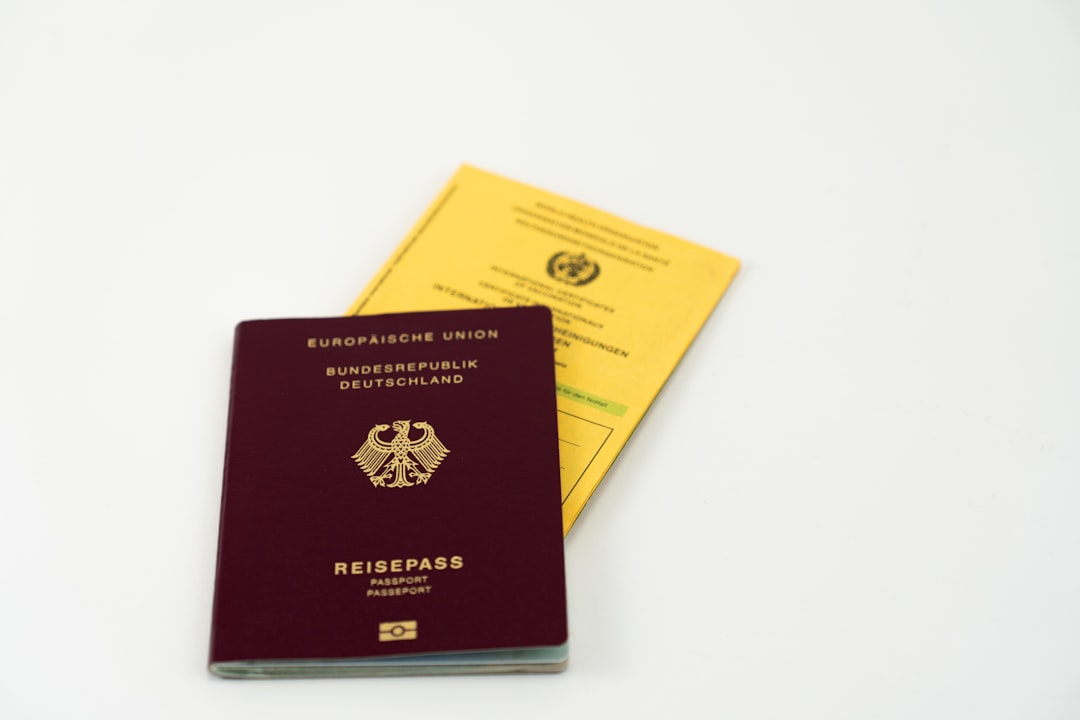
Planning a trip to Germany? Understanding the visa requirements and Schengen Area regulations is crucial for a smooth travel experience. As Europe’s economic powerhouse and a gateway to the Schengen Zone, Germany attracts millions of visitors annually for business, tourism, education, and family visits.
This comprehensive guide will walk you through everything you need to know about obtaining a German visa, from understanding Schengen rules to submitting a successful application. Whether you’re planning a short tourist visit or considering a longer stay, this expert guide will help you navigate the process with confidence.
Table of Contents
Understanding the Schengen Area and Germany’s Role
The Schengen Agreement, established in 1985, created a borderless zone across 27 European countries, allowing free movement between member states. Germany, as a founding member, plays a central role in this system.
What is the Schengen Area?
The Schengen Area encompasses 27 countries that have abolished passport controls at their mutual borders. This means that once you enter any Schengen country with a valid visa, you can travel freely within the entire zone without additional border checks.
Schengen member countries include:
- Austria, Belgium, Czech Republic, Denmark, Estonia, Finland, France, Germany, Greece, Hungary, Iceland, Italy, Latvia, Liechtenstein, Lithuania, Luxembourg, Malta, Netherlands, Norway, Poland, Portugal, Slovakia, Slovenia, Spain, Sweden, and Switzerland
Germany’s Position in Schengen
As the largest economy in the Schengen Area, Germany serves as a major entry point for international visitors. A German Schengen visa allows you to:
- Stay in Germany for up to 90 days within a 180-day period
- Travel freely to all other Schengen countries
- Conduct business, tourism, or visit family and friends
- Transit through German airports to non-Schengen destinations
Types of German Visas
Germany offers various visa categories depending on your purpose of visit and intended duration of stay. Understanding which visa type applies to your situation is the first step in the application process.
Short-Stay Schengen Visas (Type C)
These visas are valid for stays up to 90 days within a 180-day period and cover most temporary visits.
Tourist Visa: For leisure travel, sightseeing, and vacation purposes.
Business Visa: For attending meetings, conferences, trade fairs, or conducting business negotiations.
Visitor Visa: For visiting family members or friends residing in Germany or other Schengen countries.
Medical Treatment Visa: For receiving medical care or accompanying a patient for treatment.
Transit Visa: For passing through German airports when traveling to non-Schengen destinations.
Long-Stay National Visas (Type D)
These visas are for stays exceeding 90 days and serve specific purposes:
- Student Visa: For pursuing education at German institutions
- Work Visa: For employment opportunities in Germany
- Family Reunion Visa: For joining family members who are German residents
- Research Visa: For academic research activities
Visa Requirements and Eligibility Criteria
Meeting the eligibility criteria is essential for a successful visa application. German authorities evaluate applications based on several key factors.
General Eligibility Requirements
Passport Validity: Your passport must be valid for at least three months beyond your intended departure date from the Schengen Area, with at least two blank pages for visa stamps.
Financial Sufficiency: You must demonstrate sufficient funds to cover your stay. The current requirement is approximately €45 per day for tourist visits, though this varies by purpose and duration of stay.
Travel Insurance: Comprehensive health insurance covering medical emergencies up to €30,000 throughout the Schengen Area is mandatory.
No Security Risk: Applicants must not pose a threat to public policy, internal security, public health, or international relations of any Schengen member state.
Purpose-Specific Requirements
Tourism:
- Detailed travel itinerary with confirmed accommodations
- Proof of employment and approved leave
- Bank statements showing financial stability
- Return flight reservation
Business:
- Invitation letter from German company or organization
- Company registration documents
- Conference or event registration (if applicable)
- Employer’s letter confirming business purpose
Family Visit:
- Invitation letter from family member or friend
- Host’s proof of residence and income
- Relationship documentation (birth certificates, marriage certificates)
- Host’s identity documents or residence permits
Required Documents for German Visa Application
Preparing a complete and accurate document package is crucial for visa approval. Missing or inadequate documentation is a common reason for visa rejections.
Standard Documentation Checklist
Application Form: Complete the Schengen visa application form accurately and sign it. Any false information can result in automatic rejection and future visa restrictions.
Photographs: Two recent passport-sized photographs meeting Schengen photo requirements (35mm x 45mm, color, plain background, taken within the last six months).
Passport and Copies: Original passport plus photocopies of all relevant pages, including previous visas and entry/exit stamps.
Travel Insurance Certificate: Valid insurance policy covering the entire Schengen Area for the duration of your stay, with minimum coverage of €30,000 for medical emergencies.
Proof of Accommodation:
- Hotel reservations with confirmation numbers
- Rental agreements for private accommodations
- Invitation letters with host’s accommodation details
- Hostel bookings or other temporary lodging confirmations
Financial Documentation:
- Bank statements from the last three months
- Employment certificate and salary statements
- Sponsorship letters (if applicable)
- Tax returns or business registration (for self-employed applicants)
Additional Documents by Visa Type
For Business Visas:
- Official invitation from German company with company letterhead
- Company profile and registration documents
- Trade fair or conference registration certificates
- Previous business relationship evidence (contracts, correspondence)
For Student Visas:
- University admission letter or enrollment certificate
- Academic transcripts and diplomas
- Language proficiency certificates (German or English)
- Proof of financial resources for studies
- Blocked account confirmation (for long-term study)
Application Process and Timeline
Understanding the application process helps ensure timely submission and reduces the risk of delays or rejections.
Where to Apply
Submit your application at:
- German Consulates: The primary option in most countries
- German Embassy: In countries without separate consular services
- Visa Application Centers: Authorized service providers in some locations
- Honorary Consulates: Limited services in smaller cities
Application Timeline
When to Apply: Submit your application no earlier than three months and no later than 15 working days before your intended travel date. For urgent business or humanitarian reasons, applications may be processed faster.
Processing Time: Standard processing takes 15 calendar days, but can extend to 30-60 days during peak seasons or for complex cases requiring additional verification.
Peak Seasons: Summer months (June-August) and winter holidays (December-January) typically see longer processing times due to high application volumes.
Step-by-Step Application Process
Step 1: Determine Visa Type
Identify the correct visa category based on your travel purpose and duration.
Step 2: Gather Documents
Collect all required documents according to the specific visa type checklist.
Step 3: Schedule Appointment
Book an appointment at the relevant German diplomatic mission or visa application center.
Step 4: Attend Interview
Submit your application and attend the visa interview (if required).
Step 5: Pay Fees
Pay the applicable visa fee and any additional service charges.
Step 6: Track Application
Monitor your application status through the provided tracking system.
Step 7: Collect Visa
Retrieve your passport with the visa decision once processing is complete.
Visa Fees and Payment Methods
Understanding the fee structure helps you budget appropriately for your visa application.
Standard Visa Fees (2026)
- Adult Schengen Visa (Type C): €80
- Children (6-12 years): €40
- Children under 6 years: Free
- National Visa (Type D): €75
Fee Exemptions and Reductions
Certain categories of applicants may qualify for reduced or waived fees:
- EU/EEA family members
- Students and researchers
- Children under 6 years
- Diplomatic and official passport holders
- Participants in official cultural or sports events
Additional Costs
Budget for additional expenses beyond the visa fee:
- Service fees: €20-40 at visa application centers
- Courier services: €15-25 for passport return
- Document translation: €20-50 per document
- Travel insurance: €15-50 depending on coverage and duration
Expert Tips for Successful Visa Applications
Following these proven strategies significantly increases your chances of visa approval.
Documentation Best Practices
Completeness is Key: Submit all required documents in the specified format. Incomplete applications are often rejected without consideration.
Authenticity Matters: Ensure all documents are genuine and properly certified. Fraudulent documentation results in immediate rejection and potential bans.
Consistency Across Documents: Verify that all information matches across different documents (dates, names, addresses, travel plans).
Quality Translations: Use certified translation services for documents not in German or English. Poor translations can lead to misunderstandings and delays.
Financial Proof Strategies
Maintain Stable Bank Balance: Keep consistent funds in your account for at least three months before application. Large, sudden deposits may raise questions.
Demonstrate Regular Income: Show steady employment and regular salary deposits to prove financial stability.
Sponsorship Documentation: If someone else is funding your trip, provide comprehensive sponsorship letters with the sponsor’s financial documents.
Travel Planning Tips
Realistic Itineraries: Create detailed but realistic travel plans that match your stated purpose and financial capacity.
Flexible Bookings: Make refundable or changeable reservations until visa approval, as rejection rates can vary.
Multiple Entry Considerations: If you plan multiple trips, request a multiple-entry visa and provide justification for the additional entries.
Common Rejection Reasons and How to Avoid Them
Understanding common rejection reasons helps you avoid costly mistakes and reapplication delays.
Top Rejection Reasons
Insufficient Financial Means (32% of rejections):
- Provide bank statements showing adequate funds
- Include employment letters confirming salary
- Show regular income patterns over several months
Incomplete Documentation (28% of rejections):
- Use official checklists to verify completeness
- Submit all pages of multi-page documents
- Provide certified translations where required
Doubt about Return Intention (18% of rejections):
- Show strong ties to home country (employment, property, family)
- Provide return flight reservations
- Demonstrate reasons to return home
Prevention Strategies
Professional Review: Have experienced professionals review your application before submission to identify potential issues.
Early Preparation: Start gathering documents well in advance to ensure everything is current and properly prepared.
Honest Information: Provide truthful, accurate information throughout your application. Inconsistencies often lead to rejection.
Special Considerations and Advanced Tips
Business Visa Optimization
For business visas, emphasize the professional nature of your visit:
- Provide detailed business itineraries
- Include company profiles and business relationship history
- Show previous successful business travels
- Demonstrate the economic benefit to both countries
Family Visit Strategies
When visiting family, strengthen your application with:
- Detailed relationship documentation
- Host’s financial capacity to support your visit
- Clear accommodation arrangements
- Evidence of ongoing family relationships
Multiple Entry Visa Benefits
Consider applying for multiple-entry visas if you plan regular visits:
- Valid for up to 5 years for frequent travelers
- Reduces future application hassles
- Demonstrates travel history and compliance
- Cost-effective for regular business or family visits
Post-Approval: Making the Most of Your German Visa
Entry Requirements
Upon arrival in Germany, ensure you have:
- Valid passport with visa
- Travel insurance certificate
- Proof of accommodation
- Return tickets
- Sufficient funds for your stay
Compliance During Your Stay
Respect Duration Limits: Do not overstay your authorized period. Overstaying can result in entry bans and future visa complications.
Activity Restrictions: Engage only in activities permitted by your visa type. Working on a tourist visa, for example, is strictly prohibited.
Record Keeping: Maintain records of your travels within the Schengen Area to demonstrate compliance with the 90/180-day rule.
Conclusion
Successfully obtaining a German visa requires careful preparation, attention to detail, and understanding of Schengen Area regulations. By following this comprehensive guide, you’ll be well-equipped to navigate the application process confidently.
Remember that visa requirements can change, and individual circumstances may require specific considerations. Always consult the official German diplomatic mission in your country for the most current information and personalized guidance.
Start your application process early, prepare thoroughly, and present a complete, honest application. With proper preparation and the tips provided in this guide, you’ll maximize your chances of visa approval and enjoy your visit to Germany and the broader Schengen Area.
Ready to begin your German visa application? Contact the nearest German consulate or embassy to schedule your appointment and take the first step toward your European adventure.