
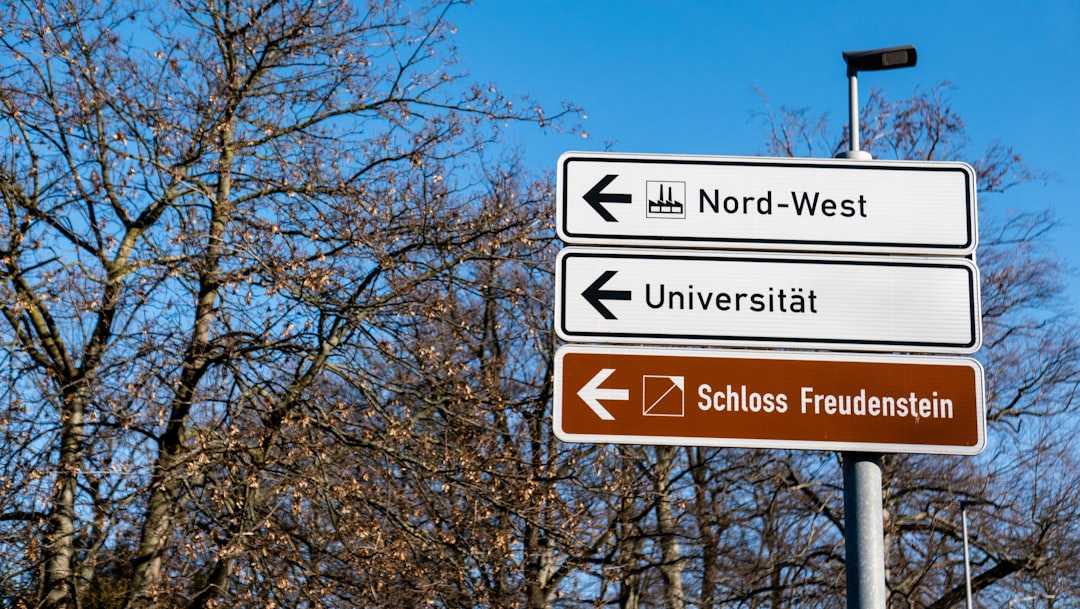
Germany, the economic powerhouse of Europe, beckons millions of travelers annually with its rich history, stunning architecture, world-renowned beer culture, and efficient transportation systems. Whether you’re planning to explore the fairy-tale castles of Bavaria, experience Berlin’s vibrant nightlife, or conduct business in Frankfurt, proper preparation is essential for a successful trip to Deutschland.
This comprehensive guide covers everything you need to know before traveling to Germany, ensuring your journey is both memorable and hassle-free. From understanding visa requirements to navigating cultural nuances, we’ll equip you with the essential knowledge for your German adventure.
Visa and Entry Requirements
Passport and Visa Basics
Before booking your flight to Germany, understanding the entry requirements is crucial. Germany is part of the Schengen Area, which significantly impacts visa requirements for international travelers.
- EU/EEA Citizens: Only need a valid passport or national ID card
- US, Canadian, Australian, and New Zealand Citizens: Can enter visa-free for up to 90 days within a 180-day period
- Other Nationalities: May require a Schengen visa obtained in advance
Ensure your passport is valid for at least three months beyond your planned departure date from the Schengen Area. For extended stays or specific purposes like work or study, additional documentation may be required.
COVID-19 and Health Requirements
While COVID-19 restrictions have largely been lifted, it’s advisable to check the latest health requirements before departure. Some recommendations include:
- Purchasing comprehensive travel insurance
- Carrying proof of vaccination (though not mandatory)
- Staying informed about any emerging health protocols
Currency and Financial Considerations
Understanding the Euro
Germany uses the Euro (EUR) as its official currency. Before your trip, familiarize yourself with Euro denominations and current exchange rates. ATMs are widely available throughout Germany, and major credit cards are accepted in most establishments.
Banking and Payment Methods
Germany has traditionally been a cash-oriented society, though card payments have become increasingly common, especially post-pandemic. Key financial tips include:
- Cash is still king: Many small businesses, markets, and traditional restaurants prefer cash payments
- Card acceptance: Major credit cards (Visa, Mastercard) are widely accepted in hotels, larger restaurants, and shops
- Contactless payments: Apple Pay, Google Pay, and contactless cards are increasingly popular
- Tipping culture: Round up bills or add 5-10% for good service
Language and Communication
German Language Basics
While English proficiency is generally good in major cities and tourist areas, learning basic German phrases demonstrates respect and can enhance your travel experience. Essential phrases include:
- Guten Tag (Good day) – Standard greeting
- Danke (Thank you)
- Entschuldigung (Excuse me/Sorry)
- Sprechen Sie Englisch? (Do you speak English?)
- Wo ist…? (Where is…?)
Communication Tips
Germans appreciate direct communication and punctuality. Business cards are exchanged formally, and maintaining eye contact during conversations is considered respectful. In professional settings, use formal titles and surnames until invited to use first names.
Transportation Systems
Deutsche Bahn (German Railways)
Germany boasts one of the world’s most efficient railway systems. The Deutsche Bahn (DB) connects major cities with high-speed trains and regional networks. Important transportation facts:
- ICE trains: High-speed connections between major cities
- Regional trains: Connect smaller towns and cities
- S-Bahn/U-Bahn: Urban rapid transit systems in major cities
- Rail passes: Consider a German Rail Pass for multiple journeys
Urban Transportation
German cities offer excellent public transportation networks. Most cities operate integrated systems combining buses, trams, and metro lines. Purchase day passes or multi-day tickets for cost-effective urban travel.
Driving in Germany
If planning to drive, obtain an International Driving Permit before departure. Germany’s famous Autobahn system includes sections without speed limits, but exercise caution and follow traffic regulations. Rental car companies are abundant, and fuel stations accept major credit cards.
Cultural Etiquette and Social Norms
Business Culture
German business culture emphasizes punctuality, preparation, and professionalism. Key considerations include:
- Punctuality is paramount: Arrive on time or slightly early for all appointments
- Formal greetings: Use firm handshakes and maintain eye contact
- Direct communication: Germans value honesty and straightforward discussions
- Meeting etiquette: Come prepared with detailed agendas and supporting materials
Social Interactions
Understanding German social customs enhances your travel experience. Germans typically maintain personal space and appreciate privacy. Table manners are important, with hands kept visible during meals and proper utensil usage expected.
Weather and Seasonal Considerations
Climate Overview
Germany experiences a temperate oceanic climate with four distinct seasons. Weather patterns vary by region, with the north generally milder and the south experiencing more extreme temperatures.
Seasonal Travel Tips
- Spring (March-May): Mild weather, blooming landscapes, fewer crowds
- Summer (June-August): Peak tourist season, warm weather, outdoor festivals
- Autumn (September-November): Oktoberfest season, beautiful foliage, comfortable temperatures
- Winter (December-February): Christmas markets, skiing opportunities, cold temperatures
Accommodation Options
Types of Accommodation
Germany offers diverse accommodation options to suit various budgets and preferences:
- Hotels: From luxury chains to boutique properties
- Pension/Gasthof: Family-run guesthouses offering local hospitality
- Hostels: Budget-friendly options, particularly in major cities
- Vacation rentals: Apartments and houses through platforms like Airbnb
- Castle hotels: Unique experiences in converted historical properties
Booking Considerations
Book accommodation well in advance, especially during peak seasons like Oktoberfest or Christmas markets. Many German hotels include breakfast in their rates, and tourist taxes may apply in some cities.
Food and Dining Culture
German Cuisine Essentials
German cuisine extends far beyond sausages and beer, though these remain cultural staples. Regional specialties vary significantly across the country:
- Northern Germany: Fresh seafood, hearty stews
- Bavaria: Pretzels, white sausages (Weißwurst), beer gardens
- Rhineland: Sauerbraten (pot roast), regional wines
- Eastern regions: Influenced by Central and Eastern European cuisines
Dining Etiquette
German dining customs include specific etiquette rules. Wait to be seated in restaurants, keep hands visible on the table, and use proper knife and fork technique. Lunch is typically served from 11:30 AM to 2:00 PM, while dinner begins around 6:00 PM.
Shopping and Business Hours
Typical Business Hours
Understanding German business hours prevents disappointment during your visit:
- Shops: Monday-Saturday 9:00 AM to 8:00 PM (limited Sunday opening)
- Banks: Monday-Friday 9:00 AM to 4:00 PM
- Restaurants: Lunch 11:30 AM-2:00 PM, Dinner 6:00 PM-10:00 PM
- Sunday closures: Most shops close, except tourist areas and gas stations
Shopping Culture
Germany offers excellent shopping opportunities, from high-end boutiques to traditional markets. Bring your own shopping bag, as plastic bags often incur additional charges. Value-added tax (VAT) refunds are available for non-EU tourists on qualifying purchases.
Safety and Emergency Information
General Safety
Germany ranks among the world’s safest countries for travelers. Crime rates are low, and infrastructure is highly developed. However, maintain standard travel precautions:
- Keep valuables secure in crowded areas
- Be aware of pickpockets in tourist zones
- Follow local traffic rules as a pedestrian
- Stay informed about any regional advisories
Emergency Contacts
Important emergency numbers in Germany include:
- General Emergency: 112
- Police: 110
- Medical Emergency: 112
Technology and Connectivity
Internet and Mobile Networks
Germany offers excellent digital infrastructure. Most hotels, restaurants, and public spaces provide free Wi-Fi. Mobile coverage is comprehensive, though data roaming charges may apply for non-EU visitors.
Essential Apps
Download these useful apps before your trip:
- DB Navigator: Official German railway app
- Google Translate: Real-time translation assistance
- local public transport apps: City-specific transportation planning
- Weather apps: Accurate local forecasts
Conclusion
Germany offers an extraordinary travel experience combining historical significance, cultural richness, and modern efficiency. By understanding these essential aspects before your departure, you’ll be well-prepared to navigate German customs, make the most of your time, and create lasting memories.
Remember that successful travel to Germany depends on respectful cultural awareness, practical preparation, and flexibility. Whether you’re exploring medieval castles, conducting business in modern cities, or enjoying traditional beer gardens, this knowledge foundation will serve you well throughout your German adventure.
Start planning your trip today, and prepare to discover why Germany consistently ranks among the world’s most fascinating travel destinations. Gute Reise (Have a good trip)!


