
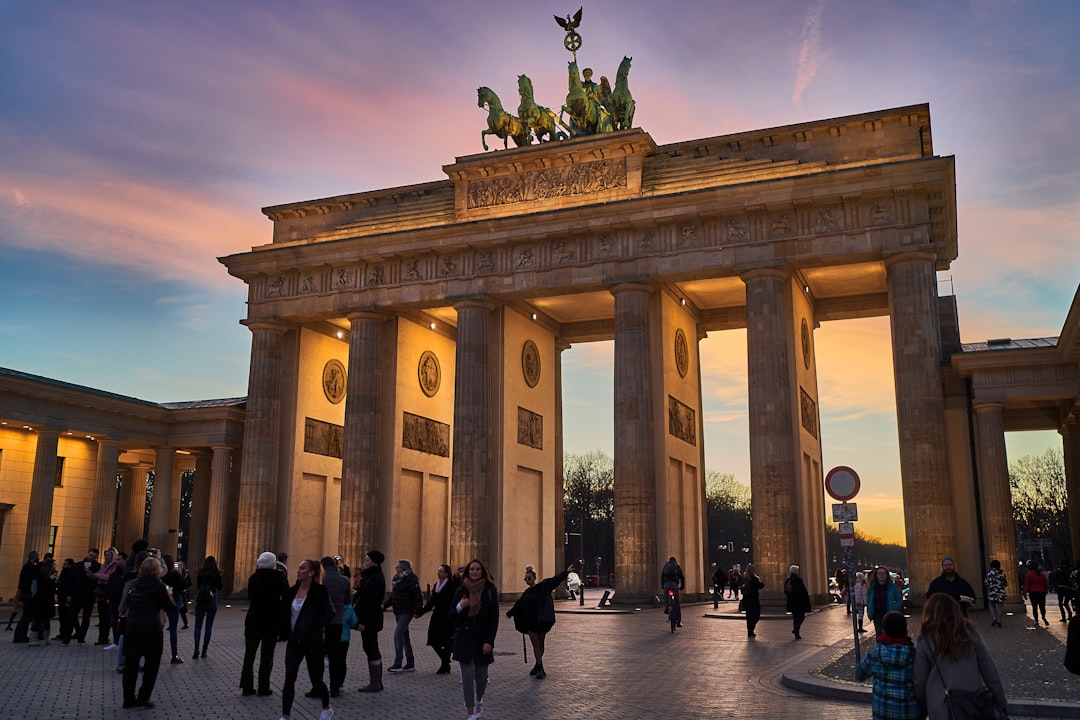
Planning your first trip to Germany can be both exciting and overwhelming. As one of Europe’s most culturally rich and economically powerful nations, Germany offers an incredible blend of historical significance, modern innovation, stunning landscapes, and vibrant cities. Whether you’re drawn to the fairy-tale castles of Bavaria, the bustling streets of Berlin, or the romantic Rhine Valley, this comprehensive guide will equip you with essential tips to make your German adventure unforgettable.
Understanding German Culture and Etiquette
Punctuality is Sacred
Germans take punctuality extremely seriously, and being on time is considered a fundamental sign of respect. Whether you’re meeting friends, attending a business appointment, or catching public transportation, aim to arrive at least 5-10 minutes early. Being late without prior notice is considered rude and unprofessional.
Direct Communication Style
Germans are known for their direct communication style, which visitors sometimes interpret as blunt or rude. However, this directness is simply cultural and should not be taken personally. Germans value honesty and efficiency in communication, preferring clear, straightforward conversations over small talk.
Personal Space and Privacy
Respect for personal space and privacy is deeply ingrained in German culture. Avoid asking personal questions when first meeting someone, and maintain appropriate physical distance during conversations. Germans typically reserve displays of affection and casual touching for close friends and family.
Essential German Phrases for Travelers
While many Germans speak English, especially in tourist areas and major cities, learning basic German phrases demonstrates respect for the local culture and can enhance your travel experience significantly.
- Guten Tag (GOO-ten tahk) – Good day/Hello
- Danke schön (DAHN-keh shurn) – Thank you very much
- Bitte (BIT-teh) – Please/You’re welcome
- Entschuldigung (ent-SHOOL-di-goong) – Excuse me/Sorry
- Sprechen Sie Englisch? (SHPREH-khen zee ENG-lish) – Do you speak English?
- Wo ist…? (voh ist) – Where is…?
- Wie viel kostet das? (vee feel KOS-tet dahs) – How much does this cost?
Best Time to Visit Germany
Spring (April to June)
Spring offers mild temperatures, blooming landscapes, and fewer crowds. This season is ideal for exploring outdoor attractions and enjoying beer gardens. However, weather can be unpredictable, so pack layers.
Summer (July to September)
Summer is peak tourist season with warm weather, long daylight hours, and numerous festivals. Expect higher prices and larger crowds, especially in popular destinations like Neuschwanstein Castle and the Romantic Road.
Autumn (October to November)
Fall brings beautiful foliage, harvest festivals, and comfortable temperatures. This is an excellent time for wine tourism in regions like the Rhine Valley and for experiencing Oktoberfest in Munich.
Winter (December to March)
Winter transforms Germany into a magical wonderland, especially during Christmas market season. While temperatures are cold, the festive atmosphere and cozy indoor attractions make it worthwhile for many visitors.
Transportation and Getting Around
Deutsche Bahn (German Railways)
Germany’s railway system is extensive, efficient, and environmentally friendly. The Deutsche Bahn connects major cities and towns throughout the country. Consider purchasing a German Rail Pass for unlimited travel within specific time periods, which can provide significant savings for extensive travel.
Regional Transportation
Each German state offers regional transportation passes that include buses, trams, and local trains. These passes are particularly valuable for exploring metropolitan areas and surrounding regions.
Renting a Car
While public transportation is excellent, renting a car provides flexibility for exploring rural areas, romantic roads, and smaller towns. Remember that Germany has sections of the Autobahn with no speed limits, but always drive responsibly and be aware of construction zones and speed limit changes.
Urban Transportation
German cities feature comprehensive public transportation networks including buses, trams, and underground systems. Purchase day passes or weekly passes for cost-effective urban travel. Always validate your ticket before boarding to avoid fines.
Must-Visit Destinations for First-Time Visitors
Berlin
As Germany’s capital and largest city, Berlin offers an unparalleled blend of historical significance and modern culture. Visit iconic landmarks such as the Brandenburg Gate, Berlin Wall Memorial, and Museum Island. The city’s vibrant nightlife, diverse neighborhoods, and world-class museums make it essential for any German itinerary.
Munich
Munich combines Bavarian tradition with cosmopolitan sophistication. Explore the historic Marienplatz, visit world-famous beer halls, and use Munich as a base for day trips to Neuschwanstein Castle and the Bavarian Alps. The city’s proximity to outdoor recreation and cultural attractions makes it incredibly versatile.
Hamburg
Germany’s second-largest city features maritime charm, historic architecture, and vibrant cultural scenes. The Speicherstadt warehouse district, Miniatur Wunderland, and the infamous Reeperbahn entertainment quarter offer diverse experiences for all types of travelers.
Rhine Valley
The romantic Rhine Valley showcases medieval castles, charming villages, and world-renowned vineyards. Take a river cruise between Cologne and Mainz to experience this UNESCO World Heritage site’s breathtaking scenery and historic significance.
Romantic Road
This scenic route connects 29 medieval towns between Würzburg and Füssen, offering fairy-tale landscapes, well-preserved architecture, and authentic German culture. Rothenburg ob der Tauber and Dinkelsbühl are particularly enchanting stops along this famous route.
Accommodation Options and Booking Tips
Hotels
German hotels range from luxury establishments to budget-friendly options. Business hotels often offer competitive weekend rates, while traditional gasthofs provide authentic local experiences in smaller towns.
Hostels
Germany features an excellent network of youth hostels (Jugendherbergen) that welcome travelers of all ages. These accommodations offer clean, safe, and affordable lodging with opportunities to meet fellow travelers.
Vacation Rentals
Apartments and vacation rentals provide flexibility and local experiences, especially for longer stays or family travel. Book early for popular destinations and peak seasons.
Booking Strategies
Make reservations well in advance for travel during Oktoberfest, Christmas markets, or summer peak season. Consider staying in smaller towns and commuting to major attractions for better value and authentic experiences.
German Cuisine and Dining Customs
Traditional Dishes to Try
- Sauerbraten – Traditional pot roast marinated in vinegar
- Schnitzel – Breaded and fried meat cutlet
- Bratwurst – Grilled German sausage
- Sauerkraut – Fermented cabbage side dish
- Pretzels (Brezeln) – Traditional twisted bread
- Black Forest Cake – Chocolate cake with cherries and cream
Beer Culture
Germany’s beer culture is legendary, with over 1,300 breweries producing diverse styles. Visit traditional beer halls and beer gardens to experience authentic atmosphere. Remember that beer is often served in large quantities, so pace yourself accordingly.
Dining Etiquette
Germans typically eat dinner later than Americans, often between 7-9 PM. Splitting bills is common practice, and tipping approximately 10% for good service is customary. Wait to be seated in restaurants, and keep hands visible on the table during meals.
Money Matters and Payment Methods
Currency
Germany uses the Euro (€), and credit cards are widely accepted in major cities and tourist areas. However, many smaller establishments, markets, and rural areas still prefer cash payments.
ATMs and Banking
ATMs (Geldautomaten) are readily available throughout Germany. Notify your bank of travel plans to avoid card blocking, and be aware of international transaction fees.
Tipping Guidelines
Tipping in Germany is moderate compared to American standards. Round up bills or add 10% for satisfactory service in restaurants. For excellent service, 15% is generous but not expected.
Shopping and Souvenirs
What to Buy
Popular German souvenirs include beer steins, cuckoo clocks from the Black Forest, Christmas ornaments, German chocolate, and traditional clothing like lederhosen or dirndls. Quality German products such as knives, tools, and leather goods make excellent lasting souvenirs.
Shopping Hours
Most German stores close on Sundays, except for restaurants, museums, and tourist attractions. Saturday shopping hours are often limited, so plan accordingly. Many stores close early on Saturday evenings.
Tax-Free Shopping
Non-EU visitors can claim VAT refunds on purchases over €25. Keep receipts and request tax-free forms at participating stores, then process refunds at airports before departure.
Safety and Health Considerations
General Safety
Germany is generally very safe for tourists, with low crime rates and reliable emergency services. Exercise standard precautions in crowded areas and be aware of pickpockets in tourist zones and public transportation.
Health Insurance
Ensure adequate health insurance coverage for your trip. EU citizens can use European Health Insurance Cards, while others should purchase comprehensive travel insurance.
Emergency Numbers
- 112 – Emergency services (fire, medical, police)
- 110 – Police
- 116 117 – Non-emergency medical assistance
Technology and Communication
Internet and WiFi
Free WiFi is available in many hotels, cafes, and public spaces. Purchase a local SIM card or international data plan for reliable mobile internet access throughout your trip.
Electrical Outlets
Germany uses Type F electrical outlets (230V, 50Hz). Bring appropriate adapters for your electronic devices, or purchase them at airports or electronics stores.
Conclusion
Germany offers incredible diversity, from bustling modern cities to fairy-tale castles, from world-class museums to stunning natural landscapes. By understanding German culture, planning your transportation, and knowing what to expect, you’ll be well-prepared to make the most of your first visit to this fascinating country. Remember to embrace the local customs, try regional specialties, and allow time for spontaneous discoveries that often become the most memorable parts of any journey.
Start planning your German adventure today, and prepare to be captivated by a country that seamlessly blends tradition with innovation, history with modernity, and efficiency with warmth. Your first trip to Germany will undoubtedly leave you planning your return visit before you’ve even departed.


