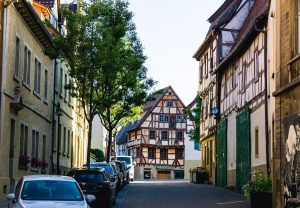
Frankfurt am Main presents one of Europe’s most fascinating urban contrasts, where centuries-old cobblestone streets coexist with gleaming skyscrapers that pierce the clouds. This remarkable German city seamlessly blends its rich medieval heritage with cutting-edge modernity, creating an extraordinary destination that satisfies both history enthusiasts and contemporary culture seekers.
As Germany’s financial powerhouse and home to the European Central Bank, Frankfurt has earned the nickname “Mainhattan” due to its impressive skyline. Yet beneath these towering structures lies a meticulously reconstructed Old Town that tells the story of over 1,200 years of German history. This comprehensive guide will help you navigate both worlds and discover why Frankfurt’s duality makes it one of Europe’s most intriguing cities.
Frankfurt’s Old Town: A Journey Through Time
The Altstadt (Old Town) represents Frankfurt’s soul, carefully rebuilt after World War II devastation to preserve the city’s historical identity. This area showcases traditional German architecture, ancient churches, and cultural landmarks that have shaped the city’s character for millennia.
Römerberg: The Heart of Historical Frankfurt
The iconic Römerberg square serves as Frankfurt’s most recognizable landmark and the centerpiece of the Old Town. This medieval town square features:
- Römer Building: Frankfurt’s city hall since 1405, featuring distinctive stepped gables and serving as the coronation site for Holy Roman Emperors
- Ostzeile: A row of reconstructed half-timbered houses displaying traditional German architecture
- Gerechtigkeitsbrunnen: The Fountain of Justice, symbolizing the city’s commitment to fair governance
- Christmas Market: During winter months, one of Germany’s oldest and most enchanting Christmas markets
The square’s cobblestone streets and medieval atmosphere transport visitors back to Frankfurt’s imperial past, making it an essential stop for understanding the city’s historical significance.
Frankfurt Cathedral (Kaiserdom)
The imposing Gothic cathedral, officially known as Cathedral of Saint Bartholomew, dominates the Old Town skyline with its 95-meter tower. Key highlights include:
- Royal coronation site for German kings from 1356 to 1792
- Stunning Gothic architecture dating back to the 14th century
- Museum displaying imperial regalia and religious artifacts
- Panoramic city views from the tower observation deck
Alte Oper (Old Opera House)
This magnificent neo-Renaissance building, reconstructed after wartime destruction, represents Frankfurt’s commitment to preserving cultural heritage. The opera house hosts world-class performances and serves as a symbol of the city’s artistic sophistication.
Historic Museums and Cultural Sites
The Old Town houses several significant museums that preserve Frankfurt’s cultural legacy:
- Historical Museum Frankfurt: Chronicles the city’s development from medieval times to the present
- Jewish Museum: Explores Frankfurt’s significant Jewish history and community
- Goethe House: Birthplace of Germany’s greatest writer, Johann Wolfgang von Goethe
- Schirn Kunsthalle: Contemporary art exhibitions in a building that bridges old and new Frankfurt
Frankfurt’s Modern Skyline: A Vision of the Future
Frankfurt’s skyline represents one of Europe’s most dramatic urban landscapes, earning the city international recognition as a leading financial center. The modern district showcases architectural innovation and economic power that rivals major global cities.
Banking District and Financial Quarter
The Bankenviertel forms the core of Frankfurt’s modern identity, housing major financial institutions and creating the distinctive skyline that defines contemporary Frankfurt:
- Commerzbank Tower: Germany’s tallest building at 259 meters, featuring innovative ecological design
- Messeturm: Distinctive pyramid-topped skyscraper reaching 257 meters
- Deutsche Bank Twin Towers: Iconic pair of buildings symbolizing German banking power
- European Central Bank: The striking headquarters building representing European monetary policy
Main Tower: Frankfurt’s Observation Deck
The 200-meter Main Tower offers the city’s only publicly accessible skyscraper observation deck, providing breathtaking panoramic views that showcase both Frankfurt’s modern skyline and historical Old Town. Visitors can experience:
- 360-degree views of the Rhine-Main metropolitan region
- Interactive displays explaining the city’s development
- Photography opportunities of the dramatic urban contrast
- Seasonal events and special exhibitions
Architectural Innovation and Design
Frankfurt’s modern buildings represent cutting-edge architectural trends and sustainable design principles. Notable examples include:
- Westend Tower: Featuring advanced energy-efficient systems
- Skyper: Mixed-use development combining office and residential spaces
- Nextower: State-of-the-art office building with innovative facade design
Bridging Two Worlds: Where Old Meets New
Frankfurt’s genius lies in how seamlessly it integrates historical preservation with modern development. Several areas and attractions exemplify this successful fusion of old and new elements.
Museumsufer (Museum Embankment)
The Museum Embankment along the Main River represents Frankfurt’s cultural sophistication, featuring world-class museums housed in both historical and contemporary buildings:
- Städel Museum: Outstanding art collection spanning seven centuries
- German Film Museum: Celebrating cinematic history and innovation
- Museum of Applied Arts: Showcasing design evolution from historical to contemporary
- Architecture Museum: Exploring building design across eras
Hauptwache District
This central area demonstrates Frankfurt’s ability to blend historical elements with modern commercial development, featuring underground shopping centers beneath historic squares and contemporary retail alongside traditional architecture.
Zeil Shopping Street
Germany’s most visited shopping street showcases modern retail architecture while maintaining connections to Frankfurt’s commercial heritage. The street features innovative shopping centers like MyZeil with its distinctive funnel-shaped architecture.
Practical Travel Tips for Exploring Both Sides of Frankfurt
Transportation and Getting Around
Frankfurt’s excellent public transportation system makes exploring both the Old Town and modern districts convenient and efficient:
- RMV Day Pass: Unlimited travel on buses, trams, and S-Bahn trains
- Frankfurt Card: Includes public transport and museum discounts
- Bike Sharing: Nextbike stations throughout the city for eco-friendly exploration
- Walking Tours: Guided tours covering both historical and modern areas
Best Times to Visit
Frankfurt offers unique experiences throughout the year, with each season highlighting different aspects of the city’s character:
- Spring (April-May): Mild weather perfect for walking tours and outdoor exploration
- Summer (June-August): Festival season with outdoor events and extended daylight hours
- Autumn (September-October): Comfortable temperatures and beautiful fall colors
- Winter (November-March): Famous Christmas markets and cozy indoor cultural activities
Accommodation Recommendations
Choose accommodations based on your preferred experience:
- Old Town Hotels: Historic properties offering traditional German hospitality
- Financial District Hotels: Modern business hotels with skyline views
- Boutique Options: Unique properties that blend historical and contemporary elements
- Budget-Friendly: Hostels and guesthouses in both districts
Culinary Experiences: Traditional and Contemporary
Frankfurt’s dining scene reflects the city’s dual nature, offering everything from traditional German cuisine to innovative international gastronomy.
Traditional Frankfurt Specialties
- Apfelwein: Frankfurt’s famous apple wine served in traditional taverns
- Frankfurter Rippchen: Smoked pork chops with sauerkraut
- Handkäse mit Musik: Local cheese specialty with onions
- Grüne Soße: Traditional herb sauce served with boiled eggs and potatoes
Modern Dining Experiences
The financial district and contemporary areas offer sophisticated dining options that reflect Frankfurt’s international character, including Michelin-starred restaurants and innovative fusion cuisine.
Cultural Events and Festivals
Frankfurt hosts numerous events throughout the year that celebrate both its historical heritage and modern cultural identity:
- Museum Embankment Festival: Annual celebration along the Main River
- Luminale: Biennial light festival illuminating both old and new architecture
- Frankfurt Book Fair: World’s largest book fair showcasing literary tradition and innovation
- Night of Museums: Special evening access to cultural institutions
Day Itinerary Suggestions
Half-Day Old Town Exploration
Start at Römerberg square, visit Frankfurt Cathedral, explore the Historical Museum, and conclude with traditional Apfelwein tasting in a historic tavern.
Half-Day Modern Frankfurt Tour
Begin with Main Tower observation deck, walk through the banking district, visit the European Central Bank, and enjoy contemporary cuisine with skyline views.
Full-Day Combination Experience
Morning in the Old Town covering major historical sites, afternoon exploring the modern skyline and financial district, concluding with dinner that showcases Frankfurt’s culinary evolution.
Conclusion: Embracing Frankfurt’s Dual Identity
Frankfurt am Main stands as a testament to successful urban evolution, demonstrating how cities can honor their historical roots while embracing modernity and innovation. The contrast between the meticulously preserved Old Town and the soaring contemporary skyline creates a unique travel experience that satisfies diverse interests and preferences.
Whether you’re drawn to the medieval charm of Römerberg square or inspired by the architectural achievements of the financial district, Frankfurt offers compelling reasons to explore both sides of its remarkable character. This dual identity makes Frankfurt not just Germany’s financial capital, but also one of Europe’s most fascinating cities where the past and future coexist in perfect harmony.
Plan your visit to experience this extraordinary urban contrast and discover why Frankfurt’s ability to bridge worlds makes it an essential destination for discerning travelers seeking both historical depth and contemporary sophistication.