Germany stands as a testament to European medieval grandeur, home to over 25,000 castles, ruins, and fortresses that dot its picturesque landscape. While Neuschwanstein Castle captures global imagination as Disney’s inspiration, the country offers countless other magnificent fortresses that rival its fame. This comprehensive guide explores Germany’s most spectacular castles, providing practical information for planning your fairy-tale adventure.
Neuschwanstein Castle: The Crown Jewel of Bavaria
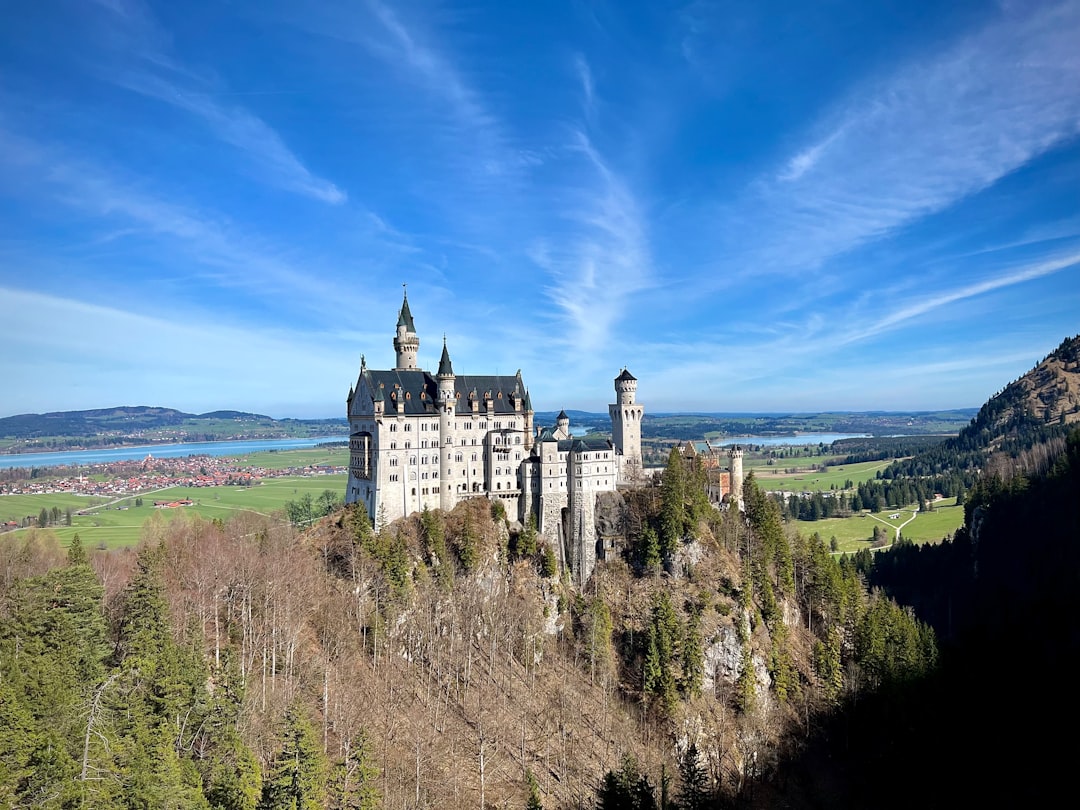
Perched dramatically on a rocky outcrop in the Bavarian Alps, Neuschwanstein Castle represents the pinnacle of romantic architecture. Commissioned by King Ludwig II in 1869, this 19th-century palace was designed as a retreat for the reclusive monarch and has since become Germany’s most visited castle.
Historical Significance
King Ludwig II, known as the “Mad King,” envisioned Neuschwanstein as a homage to medieval chivalry and Richard Wagner’s operas. The castle’s name translates to “New Swan Stone,” reflecting Ludwig’s fascination with swan symbolism. Construction began in 1869 but remained incomplete at Ludwig’s mysterious death in 1886.
Architectural Marvel
The castle showcases a unique blend of Romanesque Revival and Byzantine architectural styles. Key features include:
- Soaring towers reaching up to 65 meters high
- Elaborate throne hall with Byzantine-inspired design
- Singer’s Hall decorated with scenes from Wagner’s operas
- State-of-the-art amenities for its time, including central heating and running water
Visiting Information
Location: Hohenschwangau, near Füssen, Bavaria
Opening Hours: Daily 9 AM – 6 PM (April-October), 10 AM – 4 PM (October-March)
Admission: €15 for adults, €13 for reduced tickets
Advance Booking: Essential, especially during peak season
Pro Tip: Purchase tickets online up to two days in advance to avoid disappointment. Tours are limited to 35 minutes and conducted in multiple languages.
Heidelberg Castle: Romantic Ruins Above the Neckar
Overlooking the charming university city of Heidelberg, this partially ruined castle represents one of Germany’s most romantic landmarks. The red sandstone fortress combines Gothic and Renaissance architectural elements, creating a captivating silhouette against the Odenwald hills.
Historical Legacy
Built in the 13th century and expanded over several centuries, Heidelberg Castle served as the residence of the Prince-Electors of the Palatinate. The castle suffered extensive damage during the War of the League of Augsburg (1688-1697) and subsequent lightning strikes, leaving it in its current romantic ruined state.
Notable Features
- The Great Barrel: World’s largest wine barrel, holding 220,000 liters
- German Pharmacy Museum: Fascinating collection of historical pharmaceutical artifacts
- Palace Gardens: Beautiful terraced gardens with panoramic views
- Heidelberg Tun: Historic wine cellar with guided tastings
Access and Amenities
Reach the castle via the historic funicular railway or a scenic 15-minute walk from the old town. The castle grounds offer multiple dining options and spectacular photography opportunities, particularly during sunset.
Hohenzollern Castle: Ancestral Seat of Prussian Royalty
Rising majestically from Mount Hohenzollern in the Swabian Alps, this castle represents the ancestral seat of the House of Hohenzollern, which produced German emperors and Prussian kings. The current structure, dating from the mid-19th century, showcases neo-Gothic architecture at its finest.
Royal Heritage
The Hohenzollern dynasty ruled Prussia and later the German Empire until 1918. The castle houses an impressive collection of royal artifacts, including:
- Crown of Wilhelm II, the last German Emperor
- Royal military uniforms and decorations
- Personal belongings of Frederick the Great
- Extensive portrait gallery of Hohenzollern rulers
Architectural Excellence
The neo-Gothic reconstruction (1850-1867) features elaborate stonework, pointed arch windows, and defensive battlements that create an imposing silhouette visible from miles away. The castle’s position 855 meters above sea level provides commanding views across the German countryside.
Wartburg Castle: Luther’s Historic Refuge
Perched high above the town of Eisenach in Thuringia, Wartburg Castle holds profound significance in German history and culture. This UNESCO World Heritage site witnessed pivotal moments in German literature and religious reformation.
Cultural Importance
Wartburg Castle gained international recognition as Martin Luther’s refuge from 1521-1522, where he translated the New Testament into German. The castle also features prominently in German literature as the setting for Wagner’s opera “Tannhäuser” and plays a role in the Nibelungenlied.
Architectural Highlights
The castle complex spans nearly 1,000 years of architectural evolution:
- Romanesque Palace: 12th-century residential quarters
- Gothic sections: Added during the 14th-15th centuries
- Luther’s Room: Preserved chamber where the reformer worked
- Sängersaal: Historic hall featured in Tannhäuser legend
Burg Eltz: Fairy-Tale Castle in the Rhine Valley
Nestled in the lush Eltz Forest between Koblenz and Cochem, Burg Eltz represents one of Germany’s few castles never destroyed or significantly damaged throughout its 850-year history. This remarkably preserved medieval fortress remains in the ownership of the same family for over 30 generations.
Architectural Authenticity
Burg Eltz showcases authentic medieval architecture without modern reconstructions. The castle features:
- Multiple residential towers representing different family branches
- Original medieval interiors with period furnishings
- Extensive armor and weapons collection
- Intact defensive structures including gates and courtyards
Visiting Experience
Access requires a scenic 15-minute walk through the forest from the parking area. Guided tours reveal fascinating stories about medieval daily life, family histories, and architectural evolution spanning eight centuries.
Schwerin Castle: The Versailles of the North
Located on a small island in Lake Schwerin, this magnificent palace combines French château elegance with German fortress tradition. Often called the “Versailles of the North,” Schwerin Castle currently serves as the seat of the state parliament of Mecklenburg-Western Pomerania.
Architectural Grandeur
The castle’s 19th-century reconstruction created a masterpiece of historicism, featuring:
- 365 towers and turrets (one for each day of the year)
- Elaborate French-inspired formal gardens
- Ornate state rooms with original furnishings
- Scenic lake setting with boat excursions available
Cultural Significance
Beyond its architectural beauty, Schwerin Castle houses important art collections and hosts regular cultural events, making it a living monument to German heritage.
Regional Castle Clusters: Maximizing Your Castle Tour
Romantic Road Castles
The famous Romantic Road tourist route connects numerous castles and historic towns across Bavaria and Baden-Württemberg:
- Harburg Castle: Well-preserved medieval fortress
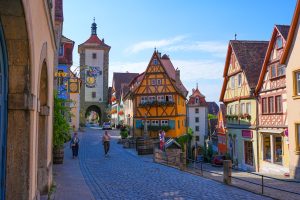
- Rothenburg ob der Tauber: Medieval town walls and gates
- Würzburg Residence: Baroque palace with UNESCO status
Rhine Valley Fortresses
The Rhine River valley between Mainz and Cologne features over 40 castles and ruins within a 65-kilometer stretch. Notable examples include:
- Rheinfels Castle: Largest castle ruin in the Rhine Valley
- Marksburg Castle: Only intact hilltop castle in the Middle Rhine
- Reichenstein Castle: Now operating as a luxury hotel
Planning Your German Castle Adventure
Best Time to Visit
Peak Season (May-September): Ideal weather but crowded attractions and higher prices
Shoulder Season (April, October): Mild weather with fewer crowds
Winter (November-March): Limited opening hours but magical snow-covered landscapes
Transportation Options
Rental Car: Maximum flexibility for visiting remote castles
Train Network: Excellent connections to major castle destinations
Organized Tours: Convenient for first-time visitors
Regional Tickets: Cost-effective for multiple castle visits
Accommodation Strategies
- Book castle hotels for unique experiences (Burg Reichenstein, Hotel Schloss Waldeck)
- Choose strategic base cities (Munich for Bavarian castles, Cologne for Rhine castles)
- Consider vacation rentals in historic towns
- Reserve accommodations well in advance during festival seasons
Budget Considerations
Castle entrance fees typically range from €8-15 per adult. Consider purchasing regional tourist cards offering discounts on multiple attractions. Factor in parking fees (€2-5) and guided tour supplements (€3-8).
Photography and Etiquette Tips
Photography Guidelines
- Interior photography often restricted or requires additional fees
- Best exterior shots available from designated viewpoints
- Golden hour lighting optimal for dramatic castle silhouettes
- Drone photography typically prohibited near historic sites
Cultural Sensitivity
Respect local customs and regulations during your castle visits. Many sites require advance booking, especially during peak season. Follow guided tour protocols and maintain appropriate noise levels in historic chambers.
Beyond the Famous Five: Hidden Castle Gems
Lichtenstein Castle
Dramatically perched on a cliff edge in the Swabian Alps, this 19th-century neo-Gothic castle offers stunning architecture and panoramic views. Often called “Württemberg’s Fairy-tale Castle,” it provides an excellent alternative to crowded Neuschwanstein.
Cochem Castle
Overlooking the picturesque Moselle River, this reconstructed medieval castle features beautiful period interiors and offers wine tastings showcasing regional vintages. The surrounding town provides excellent dining and accommodation options.
Mespelbrunn Castle
This water castle in the Spessart forest represents one of Germany’s most photographed moated castles. The Renaissance structure remains privately owned and offers intimate guided tours revealing family histories spanning five centuries.
Conclusion: Your German Castle Journey Awaits
Germany’s castle landscape offers endless opportunities for historical exploration, architectural appreciation, and cultural immersion. From Neuschwanstein’s fairy-tale grandeur to hidden gems tucked away in remote valleys, each fortress tells unique stories of German heritage, royal dynasties, and architectural evolution.
Whether you’re planning a comprehensive castle tour or selecting a few highlights for a shorter visit, Germany’s magnificent fortresses promise unforgettable experiences. The combination of historical significance, architectural beauty, and stunning natural settings creates perfect conditions for memorable travel adventures.
Begin planning your German castle journey today by selecting your priority destinations, booking advance tickets, and preparing for an immersive exploration of Europe’s most spectacular fortress landscape. These architectural marvels await your discovery, offering glimpses into centuries of German history and culture that will enrich your understanding of this remarkable country’s heritage.