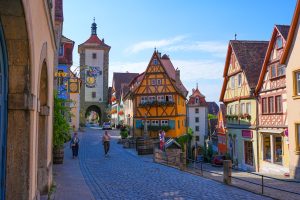
Germany’s countryside is adorned with some of Europe’s most picturesque villages, each telling unique stories through their medieval architecture, cobblestone streets, and stunning natural settings. From the romantic Rhine Valley to the majestic Bavarian Alps, these enchanting destinations offer travelers an authentic glimpse into Germany’s rich cultural heritage and timeless beauty.
Whether you’re seeking fairy-tale castles, traditional timber-framed houses, or breathtaking Alpine scenery, Germany’s most beautiful villages provide the perfect escape from bustling city life. This comprehensive guide explores the country’s most captivating destinations, offering insights into their history, attractions, and what makes each village uniquely special.
Northern Germany’s Coastal and Historic Gems
Quedlinburg, Saxony-Anhalt
Nestled in the Harz Mountains, Quedlinburg stands as one of Germany’s best-preserved medieval towns. This UNESCO World Heritage site boasts over 1,300 timber-framed houses spanning six centuries, creating a living museum of German architecture. The town’s cobblestone streets wind past colorful facades, leading visitors to the impressive Quedlinburg Castle perched high above the village.
The medieval market square serves as the heart of Quedlinburg, surrounded by Renaissance buildings and the Gothic Town Hall. Visitors can explore the Treasury of Quedlinburg Cathedral, housing precious artifacts from the Holy Roman Empire, or simply wander through the romantic streets discovering hidden courtyards and artisan workshops.
Lübeck’s Old Town, Schleswig-Holstein
While technically a city, Lübeck’s Old Town maintains the intimate charm of a village with its medieval brick Gothic architecture and narrow alleyways. Known as the “Queen of the Hanseatic League,” this UNESCO World Heritage site showcases remarkable Gothic churches, the famous Holstentor gate, and traditional merchant houses.
The old town is surrounded by water, creating an island-like atmosphere that enhances its medieval character. Visitors can sample the world-famous Lübeck marzipan, explore the historic Salzspeicher (salt warehouses), or take romantic evening strolls along the illuminated medieval streets.
The Romantic Rhine Valley Villages
Bacharach, Rhineland-Palatinate
Bacharach epitomizes the romantic Rhine Valley with its medieval walls, Gothic churches, and vineyard-covered hillsides. This charming wine village, dating back to 1019, offers stunning views of the Rhine River and surrounding castle ruins. The town’s narrow streets are lined with timber-framed houses, wine taverns, and boutique shops selling local Riesling wines.
The ruins of Stahleck Castle overlook the village, now serving as a youth hostel with panoramic Rhine Valley views. Visitors can participate in wine tastings, explore the medieval city walls, or take romantic boat cruises along the Rhine, passing numerous castles and vineyards.
Rüdesheim am Rhein, Hesse
Famous for its wine culture and the iconic Drosselgasse, Rüdesheim am Rhein attracts visitors with its festive atmosphere and stunning Rhine Valley location. This picturesque village combines medieval charm with lively wine taverns, creating an unforgettable experience for visitors seeking both culture and entertainment.
The village offers cable car rides to the Niederwald Monument, providing spectacular views of the Rhine Valley. Visitors can explore wine museums, historic estates, and enjoy traditional German cuisine in cozy restaurants overlooking the river. The Christmas market during winter transforms the village into a magical wonderland.
Bavaria’s Alpine Paradise Villages
Rothenburg ob der Tauber, Bavaria
Perhaps Germany’s most photographed village, Rothenburg ob der Tauber represents the quintessential medieval German town. Located along the Romantic Road, this perfectly preserved medieval city features complete city walls, Gothic and Renaissance architecture, and narrow cobblestone streets that transport visitors back in time.
The town’s highlights include the medieval Crime Museum, the impressive Gothic St. James’ Church, and the famous Christmas Market during winter months. The medieval city walls offer a unique walkable circuit around the entire town, providing spectacular views of the surrounding Franconian countryside. The Plönlein, a picturesque corner where two medieval streets meet, creates one of Germany’s most iconic photo opportunities.
Garmisch-Partenkirchen, Bavaria
Set against the dramatic backdrop of the Zugspitze, Germany’s highest peak, Garmisch-Partenkirchen combines Alpine beauty with traditional Bavarian charm. This twin village showcases colorful houses adorned with traditional Lüftlmalerei (decorative paintings), creating a picture-perfect Alpine setting.
Visitors can ride the cogwheel train or cable car to Zugspitze summit, explore the nearby Partnach Gorge, or enjoy world-class skiing and hiking opportunities. The village maintains its traditional character with lederhosen-clad locals, authentic beer gardens, and annual festivals celebrating Bavarian culture.
Oberammergau, Bavaria
Oberammergau gained international fame for its Passion Play, performed every ten years since 1634. This charming Alpine village features houses decorated with elaborate frescoes depicting religious and fairy-tale scenes, creating an open-air art gallery throughout the town.
The village is renowned for its woodcarving tradition, with numerous workshops and stores selling intricate religious sculptures and traditional crafts. Visitors can explore the Passion Play Theatre, hike in the surrounding Ammergau Alps, or attend woodcarving demonstrations by master craftsmen.
Black Forest Enchantment
Schiltach, Baden-Württemberg
Located in the heart of the Black Forest, Schiltach showcases perfectly preserved timber-framed architecture along the Kinzig River. This medieval village features narrow streets lined with colorful half-timbered houses, creating a fairy-tale atmosphere enhanced by the surrounding forested hills.
The village maintains traditional crafts including pottery, woodworking, and the famous Black Forest cuckoo clocks. Visitors can explore local museums, enjoy hiking trails through the dense forests, or simply relax in traditional Black Forest restaurants serving regional specialties like Black Forest cake and hearty German cuisine.
Gengenbach, Baden-Württemberg
Gengenbach transforms into a magical wonderland during Christmas when the town hall becomes the world’s largest advent calendar. This medieval town in the Ortenau region features well-preserved city walls, timber-framed houses, and charming squares surrounded by historic buildings.
The village offers excellent access to Black Forest hiking trails, local wineries, and traditional festivals throughout the year. The medieval market square, surrounded by colorful buildings and outdoor cafes, provides the perfect setting for experiencing authentic German village life.
Harz Mountain Villages
Goslar, Lower Saxony
This UNESCO World Heritage site in the Harz Mountains combines over 1,000 years of history with stunning architecture. Goslar’s medieval old town features timber-framed houses, the impressive Imperial Palace, and narrow streets that wind through the historic center.
The village’s mining heritage is preserved in the nearby Rammelsberg Mine, also a UNESCO site. Visitors can explore underground mining tunnels, admire the medieval architecture, or take scenic drives through the surrounding Harz Mountains with their dense forests and traditional villages.
Wernigerode, Saxony-Anhalt
Known as the “Colorful City in the Harz,” Wernigerode features over 400 timber-framed houses creating a rainbow of colors throughout the medieval streets. The fairy-tale castle overlooking the town provides spectacular views of the Harz Mountains and surrounding countryside.
The village serves as a gateway to the Harz National Park and offers access to the historic Harz Narrow Gauge Railway. Visitors can explore the castle museum, ride steam trains through mountain forests, or enjoy hiking trails leading to scenic viewpoints and traditional mountain huts.
East German Historic Villages
Bamberg, Bavaria
This UNESCO World Heritage site features one of Europe’s largest intact old town centers. Bamberg showcases medieval and baroque architecture, including the unique Old Town Hall built on an artificial island in the Regnitz River.
The village is famous for its beer culture, featuring numerous breweries and traditional beer gardens. Visitors can explore the imperial cathedral, wander through “Little Venice” with its picturesque fishermen’s houses, or sample the unique smoked beer (Rauchbier) that Bamberg is famous for producing.
Meissen, Saxony
Perched above the Elbe River, Meissen is world-renowned for its porcelain manufacture and Gothic cathedral. This medieval village features narrow cobblestone streets, historic buildings, and panoramic views of the surrounding Saxon countryside.
The Albrechtsburg Castle, considered Germany’s first castle built as a residence rather than fortress, dominates the skyline alongside the impressive cathedral. Visitors can tour the famous porcelain factory, explore wine cellars in the surrounding vineyards, or take scenic boat trips along the Elbe River.
Planning Your Village-Hopping Adventure
Best Time to Visit
Each season offers unique charms for exploring Germany’s beautiful villages. Spring (April-May) brings blooming flowers and mild weather perfect for walking tours. Summer (June-August) offers the warmest weather and longest days, ideal for outdoor activities and festivals.
Autumn (September-October) provides spectacular foliage in the Black Forest and Rhine Valley, plus harvest festivals and wine tastings. Winter (November-February) transforms many villages into magical Christmas market destinations, though some attractions may have limited hours.
Transportation and Logistics
Germany’s efficient public transportation system makes village-hopping convenient and environmentally friendly. The German Rail Pass offers unlimited travel on trains, while regional bus services connect smaller villages. Renting a car provides maximum flexibility for exploring remote locations and scenic routes.
Many villages offer bicycle rentals for exploring surrounding countryside, and numerous hiking trails connect different destinations. Consider staying in traditional guesthouses or village inns for an authentic experience, booking in advance during peak seasons and Christmas market periods.
Conclusion
Germany’s most beautiful villages offer an extraordinary journey through centuries of history, culture, and natural beauty. From the medieval splendor of Rothenburg ob der Tauber to the Alpine charm of Garmisch-Partenkirchen, each destination provides unique experiences that capture the essence of German heritage.
These enchanting villages represent more than tourist destinations—they’re living communities that have preserved their traditional character while welcoming visitors from around the world. Whether seeking romantic getaways, family adventures, or cultural exploration, Germany’s beautiful villages promise unforgettable memories and authentic experiences that showcase the country’s timeless appeal.
Start planning your village-hopping adventure today and discover why Germany’s rural destinations continue to captivate travelers seeking beauty, history, and authentic cultural experiences in some of Europe’s most picturesque settings.