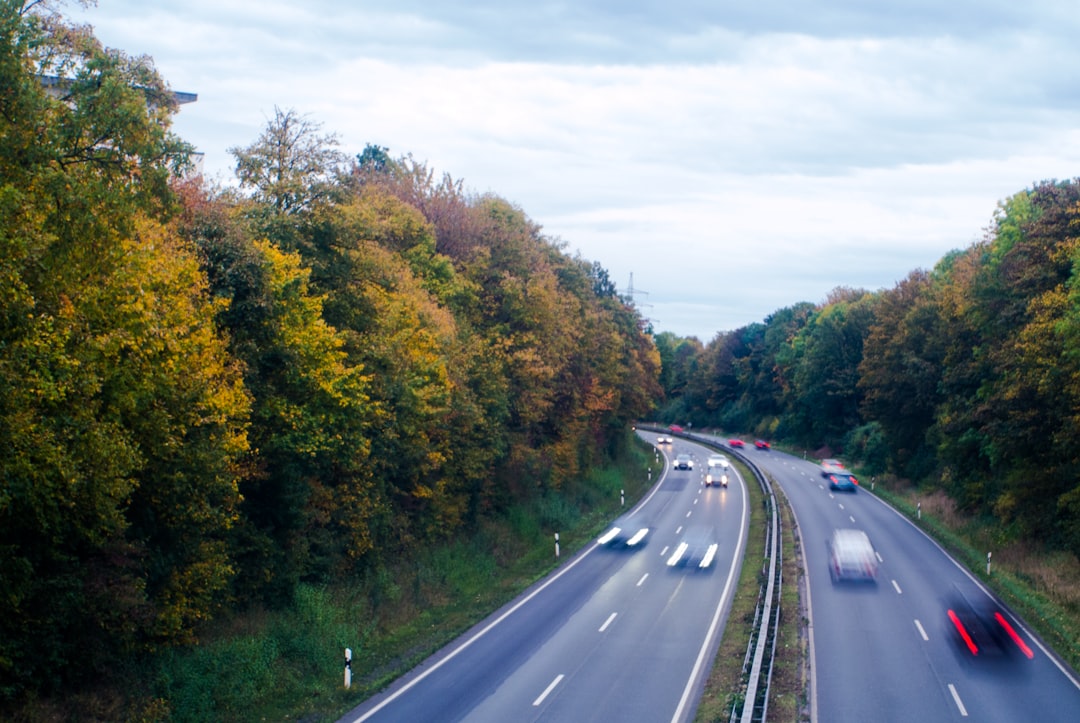
Germany’s Autobahn system represents one of the world’s most sophisticated and efficient highway networks, renowned for its engineering excellence and, in many sections, the absence of speed limits. For international visitors and new residents, understanding the complex rules and regulations governing these highways is crucial for safe and legal travel. This comprehensive guide provides everything you need to know about driving on Germany’s Autobahn, from fundamental traffic laws to practical safety tips.
Understanding the German Autobahn System
The German Autobahn comprises over 13,000 kilometers of controlled-access highways that form the backbone of the country’s transportation infrastructure. Unlike many international highway systems, the Autobahn is distinguished by its meticulous engineering, strategic planning, and unique approach to speed regulation.
Historical Context and Development
The Autobahn system began development in the 1920s and expanded significantly during the 1930s. Today, it connects all major German cities and extends into neighboring countries, making it a critical component of European transportation networks. The system’s design prioritizes safety through wide lanes, gentle curves, and extensive safety barriers.
Autobahn Classification and Numbering
German Autobahns follow a systematic numbering convention:
- Single-digit numbers (A1-A9): Major long-distance routes crossing multiple states
- Two-digit numbers (A10-A99): Regional connections and metropolitan area routes
- Three-digit numbers (A100+): Urban ring roads and local connections
Essential Autobahn Traffic Rules and Regulations
Speed Limits and Recommendations
Contrary to popular belief, not all sections of the German Autobahn are speed-limit-free. Understanding the speed regulation system is fundamental for legal compliance:
Posted Speed Limits
- Variable speed limits: Electronic signs display changing limits based on traffic conditions, weather, or construction
- Fixed speed limits: Permanent restrictions typically range from 80-130 km/h in specific areas
- Urban sections: Generally limited to 80-100 km/h near metropolitan areas
- Construction zones: Usually restricted to 60-80 km/h with strict enforcement
Recommended Speed (Richtgeschwindigkeit)
On unrestricted sections, Germany maintains a recommended speed of 130 km/h (81 mph). While exceeding this recommendation isn’t illegal, it can affect insurance liability in accident situations and may result in partial fault assignment even if you’re not the primary cause of an incident.
Lane Usage and Overtaking Rules
German Autobahn lane discipline is strictly enforced and culturally ingrained:
Right Lane Priority (Rechtsfahrgebot)
- The rightmost lane is for normal travel and slower vehicles
- Center and left lanes are exclusively for overtaking
- Vehicles must return to the right lane after completing an overtaking maneuver
- Continuous travel in the left lane without actively overtaking is illegal and subject to fines
Overtaking Protocols
- Left-side overtaking only: Passing on the right is prohibited and dangerous
- Adequate following distance: Maintain at least 3-second rule, increasing with speed
- Signal intentions clearly: Use indicators well in advance of lane changes
- Check blind spots: German drivers change lanes decisively; shoulder checks are essential
Safety Equipment and Vehicle Requirements
Mandatory Safety Equipment
All vehicles operating on German roads must carry specific safety equipment:
- First aid kit (Verbandkasten): Must be current and properly stocked
- Warning triangle (Warndreieck): Required for breakdown situations
- High-visibility safety vest: Must be accessible from driver’s seat
- Valid documentation: Driver’s license, vehicle registration, and insurance proof
Vehicle Technical Standards
German authorities maintain strict vehicle safety standards:
- Tire requirements: Minimum 1.6mm tread depth (3mm recommended for winter conditions)
- Lighting systems: All lights must function properly; daytime running lights recommended
- Winter tire regulations: Mandatory during winter conditions (O bis O rule: October to Easter)
- Emissions compliance: Vehicles must meet German environmental standards
Environmental Zones and Restrictions
Umweltzone (Environmental Zones)
Many German cities implement environmental zones restricting vehicle access based on emissions standards:
- Green sticker requirement: Most environmental zones require vehicles with green emission stickers
- Diesel restrictions: Some cities implement additional restrictions on older diesel vehicles
- Alternative routes: Plan alternative routes if your vehicle doesn’t meet emission requirements
Practical Driving Tips for Autobahn Success
Pre-Journey Preparation
Route Planning
- Traffic apps: Use German-specific apps like ADAC or integrate with Google Maps
- Construction updates: Check current construction zones and planned detours
- Fuel planning: German fuel prices vary significantly; plan stops strategically
- Rest area locations: Identify service areas (Raststätte) and parking areas (Parkplatz)
Vehicle Inspection
- Check tire pressure and condition
- Verify all lights and signals function properly
- Ensure adequate fuel and fluids
- Confirm safety equipment accessibility
Driving Techniques and Best Practices
Merging and Entry
Autobahn entries require decisive action and proper speed matching:
- Acceleration lanes: Use the full length to match traffic speed
- Gap assessment: Identify suitable gaps early and commit to your merge
- Mirror usage: Check mirrors frequently; German drivers maintain higher speeds
High-Speed Driving Considerations
- Increased following distances: Double or triple normal following distances at high speeds
- Weather awareness: Reduce speed significantly in rain, fog, or wind
- Vehicle limitations: Respect your vehicle’s capabilities and tire ratings
- Fatigue management: Take regular breaks; high-speed driving increases mental fatigue
Common Violations and Penalties
Traffic Enforcement and Fines
German traffic enforcement combines traditional methods with advanced technology:
Speed Enforcement
- Fixed cameras: Permanently installed at known locations
- Mobile enforcement: Unmarked vehicles and portable cameras
- Section control: Average speed calculation over distance
- Police patrols: Marked and unmarked police vehicles
Penalty Structure
- Minor speeding (11-15 km/h over): €25-35 fine
- Moderate speeding (16-25 km/h over): €70-80 fine plus potential points
- Serious speeding (26+ km/h over): €130+ fine, points, and potential license suspension
- Lane discipline violations: €20-40 fines
- Following distance violations: €25-320 depending on severity
Emergency Procedures and Breakdown Protocol
Breakdown Response
Proper breakdown procedures can prevent accidents and ensure rapid assistance:
Immediate Actions
- Move to safety: Exit the roadway completely if possible
- Activate hazard lights: Turn on immediately
- Deploy warning triangle: Place 150-200 meters behind vehicle
- Wear safety vest: Put on before exiting vehicle
- Exit safely: Use roadside door and move behind barriers
Emergency Services
- Emergency call boxes: Located every 2 kilometers along Autobahns
- Mobile emergency number: 112 for life-threatening situations
- ADAC roadside assistance: Major German automobile club providing comprehensive services
- Police emergency number: 110 for traffic incidents
Cultural Considerations and Driving Etiquette
German Driving Culture
Understanding German driving culture enhances safety and reduces stress:
Efficiency and Precision
- Predictable behavior: German drivers expect consistent, rule-following behavior
- Minimal tolerance for errors: Mistakes that impede traffic flow may result in aggressive reactions
- Technical competence: Most drivers possess strong technical driving skills
Communication and Courtesy
- Signal usage: Clear, early signaling is expected and appreciated
- Space respect: Maintain proper following distances and lane discipline
- Aggressive driving: Avoid confrontational behavior; focus on defensive driving
Seasonal Driving Considerations
Winter Driving Requirements
German winters present unique challenges requiring preparation and appropriate equipment:
Winter Tire Regulations
- Mandatory period: Required during winter weather conditions
- Tire markings: Look for M+S (Mud and Snow) or snowflake symbols
- Penalty for violations: €60 fine plus potential accident liability
- Recommended replacement: Install by October 1st, remove after Easter
Winter Driving Techniques
- Reduce speeds significantly in snow or ice
- Increase following distances to account for longer stopping distances
- Use gentle inputs for steering, acceleration, and braking
- Carry winter emergency supplies including blankets and food
Technology and Navigation Tools
Recommended Apps and Services
Modern technology significantly enhances Autobahn travel safety and efficiency:
Navigation Applications
- Google Maps: Excellent real-time traffic integration
- ADAC Maps: German-specific features and local expertise
- Waze: Community-driven traffic and enforcement alerts
- HERE WeGo: Reliable offline functionality
Traffic and Weather Services
- Verkehr.NRW: Regional traffic management
- DWD WarnWetter: German Weather Service official app
- Radio traffic reports: Regular updates on WDR and other stations
Conclusion and Key Takeaways
Successfully navigating Germany’s Autobahn system requires thorough preparation, strict adherence to traffic regulations, and respect for local driving culture. The combination of high-speed sections, complex traffic patterns, and zero tolerance for rule violations demands heightened awareness and technical competence from all drivers.
Key success factors include understanding the speed limit system, maintaining proper lane discipline, carrying required safety equipment, and preparing appropriately for seasonal conditions. By following these comprehensive guidelines and maintaining a respectful, defensive driving approach, you can safely and efficiently travel Germany’s world-renowned highway system.
Remember that driving on the Autobahn is a privilege that comes with significant responsibility. Prioritize safety over speed, respect other drivers, and always be prepared for changing conditions. With proper preparation and adherence to these guidelines, your German driving experience can be both safe and enjoyable.