
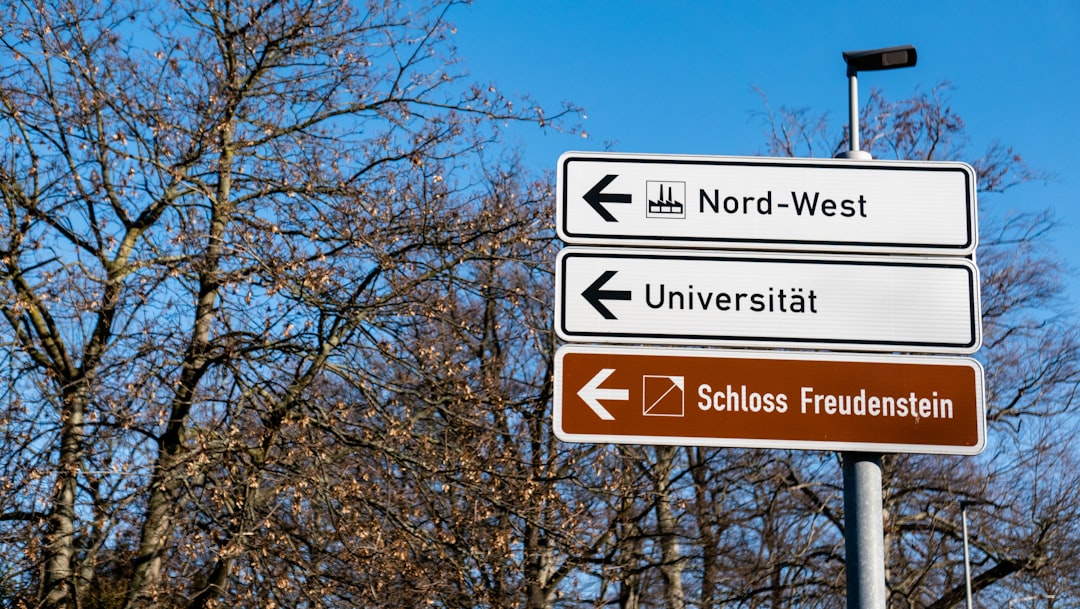
While millions of travelers flock to Germany’s famous destinations like Munich, Berlin, and the Rhine Valley, the country harbors countless hidden treasures waiting to be discovered. These off-the-beaten-path destinations offer authentic German experiences, stunning landscapes, and rich cultural heritage without the overwhelming crowds of mainstream tourist attractions.
Germany’s diverse geography encompasses everything from pristine Baltic coastlines to mystical forests, medieval towns frozen in time, and innovative modern cities that few international visitors ever explore. This comprehensive guide unveils twelve extraordinary destinations that will provide you with unforgettable memories and genuine connections with German culture.
Why Choose Off-the-Beaten-Path Destinations in Germany?
Exploring lesser-known German destinations offers numerous advantages over traditional tourist routes. Authentic cultural experiences become possible when you venture beyond crowded hotspots. Local residents are more welcoming to visitors, prices remain reasonable, and you’ll witness genuine German daily life rather than tourist-oriented performances.
These hidden gems also provide superior photographic opportunities without competing with hundreds of other tourists for the perfect shot. Many off-the-beaten-path locations feature pristine natural environments, well-preserved historical architecture, and unique cultural traditions that have remained unchanged for centuries.
Northern Germany’s Hidden Coastal Treasures
Hiddensee Island: The Car-Free Baltic Paradise
Located off the coast of Rügen Island, Hiddensee represents one of Germany’s most peaceful retreats. This car-free island measures only 16 kilometers long and features pristine beaches, dramatic chalk cliffs, and charming fishing villages. The island’s unique ecosystem supports rare bird species and native flora found nowhere else in Germany.
Visitors can explore the island exclusively on foot, by bicycle, or horse-drawn carriage. The Dornbusch lighthouse offers panoramic views across the Baltic Sea, while the picturesque village of Vitte provides excellent seafood restaurants and traditional thatched-roof accommodations.
Flensburg: Denmark Meets Germany
Flensburg, located near the Danish border, showcases a fascinating blend of German and Danish cultures. This historic port city features well-preserved medieval architecture, including the impressive St. Nikolai Church and numerous merchant houses dating to the 14th century.
The city’s maritime heritage comes alive at the Flensburg Maritime Museum, while the historic harbor district offers excellent restaurants serving both German and Danish specialties. Flensburg’s unique position creates a cosmopolitan atmosphere rarely found in smaller German cities.
Central Germany’s Medieval Marvels
Quedlinburg: UNESCO World Heritage Perfection
Despite its UNESCO World Heritage status, Quedlinburg remains surprisingly undervisited by international tourists. This medieval town boasts over 1,300 half-timbered houses spanning six centuries, creating Europe’s largest collection of preserved medieval architecture.
The town’s cobblestone streets lead to the impressive Quedlinburg Castle and St. Servatius Church, which houses precious religious artifacts and offers stunning views over the surrounding Harz Mountains. Local artisan shops sell traditional crafts, while family-run restaurants serve authentic Saxon cuisine.
Bamberg: The Franconian Rome
Bamberg earned its nickname “Franconian Rome” due to its seven hills and impressive cathedral complex. This UNESCO World Heritage city features a remarkably well-preserved medieval center, including the unique Old Town Hall built on an artificial island in the Regnitz River.
Bamberg’s beer culture rivals that of Munich, with numerous traditional breweries producing distinctive smoked beer (Rauchbier). The city’s Little Venice district provides romantic canal views, while the Michaelsberg Abbey offers panoramic vistas and beautiful baroque gardens.
Görlitz: Film Set Perfection
Located on the Polish border, Görlitz serves as Europe’s largest contiguous monument preservation area. The city’s remarkably intact architecture spans from Gothic to Art Nouveau styles, making it a popular film location for international productions.
Visitors can explore the magnificent St. Peter and Paul Church, stroll through the atmospheric Old Town Market Square, or cross the Neisse River bridge to experience both German and Polish cultures within minutes. The city’s Silesian Museum provides insights into the region’s complex history and cultural heritage.
Eastern Germany’s Cultural Renaissance
Görlitz: Where East Meets West
Bautzen, the cultural capital of the Sorbian minority, offers visitors a glimpse into Germany’s Slavic heritage. This well-preserved medieval town features impressive fortifications, including 17 surviving towers from the original city walls.
The Sorbian community maintains its distinct language and traditions, visible in bilingual street signs and cultural festivals throughout the year. The Sorbisches Museum provides comprehensive information about this unique ethnic group, while traditional restaurants serve Sorbian specialties alongside German cuisine.
Schwerin: The Versailles of the North
Schwerin, capital of Mecklenburg-Western Pomerania, centers around its fairytale castle situated on an island in Lake Schwerin. This romantic palace, inspired by French châteaux, houses the state parliament and offers guided tours of its opulent interiors.
The city’s baroque gardens and historic old town provide excellent walking opportunities, while the surrounding lake district offers water sports and nature excursions. Schwerin’s state theater presents high-quality performances in an intimate setting rarely experienced in larger German cities.
Southern Germany’s Alpine Alternatives
Berchtesgaden National Park: Alpine Wilderness
While many tourists visit Berchtesgaden for its historical significance, the surrounding National Park offers some of Germany’s most spectacular alpine scenery. The park encompasses pristine mountain lakes, including the famous Königssee, dramatic peaks, and diverse wildlife habitats.
Hiking trails range from easy lakeside walks to challenging mountain ascents, providing options for all fitness levels. The Eagle’s Nest documentation center provides historical context, while traditional alpine huts serve hearty Bavarian cuisine with stunning mountain views.
Passau: The Three Rivers City
Passau sits at the confluence of the Danube, Inn, and Ilz rivers, creating a unique geographical setting enhanced by baroque architecture and medieval charm. The city’s cathedral houses the world’s largest church organ, while the Veste Oberhaus fortress provides commanding views over the river junction.
River cruises offer perspectives impossible to achieve from land, while the historic old town features narrow alleys perfect for leisurely exploration. Passau’s position on the Danube cycle path makes it an excellent base for bicycle touring along one of Europe’s great rivers.
Western Germany’s Industrial Heritage
Monschau: Eifel’s Textile Town
Monschau nestles in the Eifel Mountains near the Belgian border, featuring exceptionally well-preserved half-timbered architecture and a rich textile manufacturing heritage. The town’s narrow streets and historic buildings create an intimate atmosphere perfect for weekend getaways.
The Rotes Haus (Red House) museum showcases the town’s prosperous textile history, while traditional mustard mills still operate using historic grinding stones. Surrounding hiking trails provide access to pristine Eifel landscapes and cross-border routes into Belgium.
Soest: Westphalian Heritage
Soest represents one of Westphalia’s best-preserved medieval towns, featuring unique green sandstone architecture and numerous historic churches. The city’s well-maintained fortifications include original towers and gates dating to the 13th century.
Local specialties include the famous Soester Bier and traditional Westphalian cuisine served in atmospheric historic buildings. The annual Allerheiligenkirmes (All Saints’ Fair) represents one of Germany’s oldest folk festivals, providing authentic cultural experiences unavailable in tourist-oriented destinations.
Planning Your Off-the-Beaten-Path German Adventure
Transportation Strategies
Reaching these hidden destinations requires strategic planning, as public transportation options may be limited compared to major tourist centers. Regional train passes offer cost-effective access to smaller towns, while rental cars provide maximum flexibility for exploring rural areas and multiple destinations.
Many off-the-beaten-path locations connect through regional bus networks, though schedules may be less frequent than in major cities. Advance planning ensures smooth transitions between destinations and prevents missed connections in remote areas.
Accommodation Recommendations
Hidden German destinations often feature unique accommodation options unavailable in mainstream tourist areas. Historic inns and family-run guesthouses provide authentic experiences and personal attention from local hosts who possess extensive regional knowledge.
Monastery accommodations offer peaceful retreats with simple but comfortable lodging, while farm stays provide opportunities to experience rural German life firsthand. Booking directly with properties often yields better rates and personalized recommendations for local activities.
Cultural Etiquette and Local Customs
Smaller German communities maintain traditional customs and social expectations that differ from international tourist destinations. Learning basic German phrases demonstrates respect for local culture and often leads to warmer receptions from residents.
Business hours in rural areas may be more limited, with many shops closing for extended lunch breaks and remaining closed on Sundays. Restaurant reservations become particularly important in smaller towns with limited dining options.
Seasonal Considerations for Hidden Destinations
Spring and Summer Exploration
Spring months (April-June) provide ideal weather for outdoor activities while avoiding peak tourist crowds. Many festivals and cultural events occur during this period, offering insights into authentic German traditions and community celebrations.
Summer visits enable access to all hiking trails and outdoor attractions, though some coastal destinations may experience increased domestic tourism during school holidays. Early morning exploration often provides the most peaceful experiences and optimal lighting for photography.
Autumn and Winter Charm
Autumn transforms Germany’s hidden destinations with spectacular foliage and harvest festivals celebrating regional specialties. Wine regions become particularly attractive during this season, with opportunities to participate in traditional grape harvests.
Winter visits offer unique experiences like Christmas markets in medieval settings, winter hiking opportunities, and cozy evenings in traditional German inns. Some destinations provide special winter activities unavailable during other seasons, such as ice skating on frozen lakes or cross-country skiing.
Conclusion: Embracing Germany’s Hidden Treasures
Germany’s off-the-beaten-path destinations provide transformative travel experiences that reveal the country’s authentic character beyond its famous tourist attractions. These hidden gems offer opportunities for meaningful cultural exchanges, stunning natural beauty, and historical insights unavailable in crowded mainstream destinations.
Whether you seek medieval atmosphere in Quedlinburg, coastal tranquility on Hiddensee Island, or alpine adventures in Berchtesgaden National Park, Germany’s lesser-known destinations reward curious travelers with unforgettable memories and genuine connections to local communities.
Start planning your German hidden gems adventure today. Choose destinations that align with your interests, prepare for unique transportation challenges, and embrace the opportunity to experience Germany as few international visitors ever do. These extraordinary places await your discovery, offering authentic experiences that will forever change your perception of German travel possibilities.


