Germany stands as one of Europe’s safest destinations, consistently ranking among the world’s most secure countries for travelers. However, like any popular tourist destination, visitors should remain vigilant and informed about potential safety concerns and common scams. This comprehensive guide provides essential information to help you navigate Germany safely while maximizing your travel experience.
Table of Contents
Understanding Germany’s Safety Landscape
Germany maintains an impressive safety record with low crime rates compared to many other European nations. The country’s robust legal system, efficient police force, and strong social infrastructure contribute to an environment where tourists can generally feel secure. According to the Global Peace Index, Germany consistently ranks in the top 20 most peaceful countries worldwide.
Major German cities like Berlin, Munich, Hamburg, and Frankfurt have well-developed security measures and tourist police units specifically trained to assist international visitors. The country’s excellent healthcare system and emergency services provide additional layers of safety for travelers.
Crime Statistics and Safety Rankings
The crime rate in Germany has generally declined over the past decade. Violent crimes against tourists are exceptionally rare, with petty theft and pickpocketing representing the most common security concerns. Understanding these statistics helps put potential risks into perspective and allows for informed decision-making during your visit.
Common Scams Targeting Tourists in Germany
While serious crimes are uncommon, tourists should be aware of various scams that operate in Germany’s major cities and tourist areas. Being informed about these schemes significantly reduces your vulnerability and helps protect your finances and personal information.
Pickpocketing and Theft Schemes
Distraction Techniques: Criminals often work in groups, with one person creating a distraction while accomplices steal valuables. Common scenarios include someone bumping into you, asking for directions with a large map, or staging an argument nearby.
Transportation Theft: Crowded public transportation systems, particularly during rush hours or at major stations, present opportunities for pickpockets. Thieves target distracted passengers using smartphones or those carrying visible valuables.
Restaurant and Café Scams: Unattended bags, jackets with valuables in pockets, or phones left on tables become easy targets. Some establishments may also overcharge tourists or add unauthorized items to bills.
Street Scams and Confidence Tricks
Gold Ring Scam: A person “finds” a gold ring near you and offers to sell it cheaply, claiming it’s valuable. The ring is worthless, and this scam aims to separate you from your cash quickly.
Petition Signers: Groups approach tourists with clipboards requesting signatures for charitable causes. While you’re distracted by the paperwork, accomplices may steal from you or pressure you for donations.
Fake Police: Criminals may pose as plainclothes police officers requesting to see your wallet or passport for “inspection.” Legitimate German police always carry proper identification and rarely conduct random street checks.
Digital and Technology Scams
WiFi Security Risks: Public WiFi networks in airports, cafés, and hotels may be compromised. Unsecured connections can expose personal information and financial data to cybercriminals.
ATM Skimming: Fraudulent devices attached to ATMs can capture card information and PIN numbers. This sophisticated scam has become increasingly common in tourist areas.
Fake Booking Websites: Fraudulent accommodation booking sites may steal payment information or take money for non-existent properties.
Essential Safety Precautions for Travelers
Implementing basic safety measures significantly enhances your security while traveling in Germany. These practices help prevent most common issues and ensure you can focus on enjoying your visit.
Personal Security Measures
Document Security: Store copies of important documents separately from originals. Keep digital copies in secure cloud storage and carry physical photocopies as backups. Use hotel safes for passports when exploring cities.
Money Management: Distribute cash across multiple locations rather than carrying large amounts in one place. Use hotel safes for excess cash and limit daily carrying amounts to necessary expenses plus emergency funds.
Valuable Items Protection: Avoid displaying expensive jewelry, electronics, or designer items that might attract unwanted attention. Use bags with zippers and keep them closed and positioned in front of your body in crowded areas.
Transportation Safety Tips
Public Transportation Security: Germany’s public transportation system is generally safe and reliable. However, remain aware of your surroundings, especially during late-night travel or in less crowded areas.
Taxi and Rideshare Safety: Use official taxi services or established rideshare applications. Verify driver identification and vehicle information before entering. Avoid unmarked vehicles or drivers soliciting rides at airports or tourist areas.
Walking Safety: Stick to well-lit, populated areas, especially after dark. German cities are generally safe for pedestrians, but using common sense about route selection enhances security.
Navigating German Cities Safely
Each major German city has unique characteristics and potential safety considerations. Understanding specific urban environments helps tailor your safety approach to local conditions.
Berlin Safety Considerations
Berlin’s vibrant nightlife and diverse neighborhoods offer incredible experiences but require awareness of specific safety factors. Certain areas like Kreuzberg and Friedrichshain are generally safe but can become rowdy during weekend evenings.
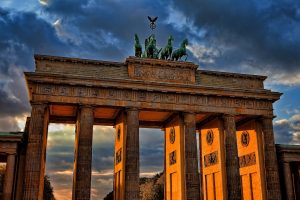
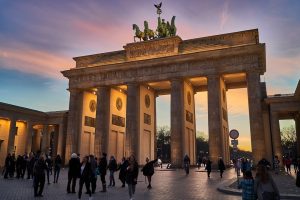
The city’s extensive public transportation network operates reliably, but late-night services may have fewer security personnel. Tourist areas around Brandenburg Gate and Museum Island have regular police presence during daylight hours.
Munich Security Environment
Munich maintains a reputation as one of Germany’s safest major cities. The annual Oktoberfest celebration requires additional security awareness due to large crowds and increased alcohol consumption. During this period, pickpocketing incidents typically increase.
The city center around Marienplatz and the English Garden are well-patrolled and generally secure throughout the day and evening hours.
Hamburg and Northern Germany
Hamburg’s port areas and red-light district (Reeperbahn) require extra caution, particularly during late-night hours. While not inherently dangerous, these areas attract various crowds and may have higher incidents of petty crime.
The city’s main tourist areas and shopping districts maintain good security standards with regular police patrols.
Emergency Procedures and Contact Information
Understanding Germany’s emergency services and procedures ensures quick response times during any security incidents or medical emergencies.
Essential Emergency Numbers
- Police (Polizei): 110
- Fire Department and Medical Emergency: 112
- Tourist Police: Available in major cities with English-speaking officers
- Poison Control: 030-19240
Embassy and Consulate Support
International visitors should locate their country’s embassy or consulate before traveling. These diplomatic missions provide crucial support during emergencies, including lost passport replacement, legal assistance, and emergency communication services.
Most embassies offer 24-hour emergency hotlines for citizens abroad. Register with your embassy’s travel notification system to receive important safety updates during your visit.
Health and Medical Safety
Germany’s healthcare system ranks among the world’s best, providing excellent medical care for visitors. Understanding medical safety protocols ensures access to appropriate care when needed.
Medical Insurance and Coverage
Comprehensive travel insurance is essential for visiting Germany. European Union citizens can use their European Health Insurance Card (EHIC) for basic medical care. Non-EU visitors should ensure their travel insurance covers medical emergencies, including evacuation coverage.
Pharmacy and Medical Services
German pharmacies (Apotheken) are widely available and staffed by knowledgeable pharmacists who often speak English. For non-prescription medications, drug stores (Drogerie) provide basic health and wellness products.
Hospital emergency rooms (Notaufnahme) operate 24/7 and must treat emergency cases regardless of insurance status, though costs may apply later.
Cultural Awareness and Legal Considerations
Understanding German laws and cultural norms helps avoid unintentional legal issues and demonstrates respect for local customs.
Important Legal Restrictions
Photography Laws: Avoid photographing people without permission, especially in private settings. Some historical sites and museums prohibit photography entirely.
Alcohol Regulations: While beer and wine consumption is generally permitted in public, open container laws vary by municipality. Excessive public intoxication can result in fines or detention.
Drug Laws: Germany maintains strict drug laws with severe penalties for possession and trafficking of illegal substances.
Cultural Sensitivity
Germans value punctuality, directness, and environmental consciousness. Respecting these cultural traits enhances your experience and helps avoid misunderstandings that could potentially escalate to security concerns.
Technology and Communication Safety
Staying connected safely while traveling requires attention to digital security practices that protect personal information and financial data.
Secure Communication Practices
Use encrypted messaging applications for sensitive communications. Avoid accessing banking or financial services through public WiFi networks. Consider using a VPN service to encrypt internet connections when using public networks.
Mobile Phone Security
Enable automatic locking and use strong passwords or biometric security features. Avoid leaving phones unattended in restaurants, cafés, or public spaces. Consider using a phone case that doesn’t advertise expensive device brands.
Seasonal Safety Considerations
Different seasons in Germany present unique safety challenges that require specific preparation and awareness.
Winter Travel Safety
German winters bring snow, ice, and reduced daylight hours. Proper winter clothing prevents hypothermia and frostbite. Sidewalks and streets may become slippery, increasing fall risks. Transportation delays during severe weather require flexible scheduling.
Summer Festival and Event Safety
Summer brings numerous festivals and outdoor events that create crowded conditions. These gatherings may attract pickpockets and require additional awareness of personal belongings. Staying hydrated during hot weather prevents heat-related illness.
Accommodation Safety
Choosing secure accommodations and following safety practices in hotels, hostels, and vacation rentals significantly impacts overall travel security.
Accommodation Selection Criteria
Research accommodations thoroughly using multiple review platforms. Verify business licenses and contact information. Choose properties in safe neighborhoods with good transportation access and nearby amenities.
Hotel chains generally offer standardized security measures, while independent properties may vary in safety protocols. Hostels targeting international travelers usually maintain good security standards but require more personal vigilance regarding belongings.
Room and Property Security
Always use room safes for valuables and important documents. Check that doors and windows lock properly upon arrival. Avoid ground-floor rooms in areas with security concerns, and never leave windows open when absent from the room.
Transportation Security Details
Germany’s efficient transportation system requires specific safety knowledge for different modes of travel.
Railway Security
Deutsche Bahn operates extensive railway networks connecting major cities and international destinations. Train travel is generally very safe, but stations in large cities may have homeless populations or individuals seeking money from tourists.
Keep luggage secure and within sight during travel. First-class compartments offer additional security and comfort for valuable belongings. Overnight trains require extra vigilance regarding personal items.
Airport Security Procedures
German airports maintain high security standards with efficient screening processes. Arrive early to allow time for security procedures, especially during peak travel seasons. Keep electronics easily accessible for security screening.
Be aware of taxi scams at airports, where unofficial drivers may overcharge tourists. Use designated taxi stands or pre-arranged transportation services.
Conclusion
Germany offers an exceptionally safe environment for international travelers, combining low crime rates with excellent infrastructure and emergency services. By staying informed about common scams, following basic safety precautions, and understanding local customs and laws, visitors can confidently explore this fascinating country.
Remember that most safety concerns involve minor inconveniences rather than serious threats. Maintaining situational awareness, securing personal belongings, and using common sense practices ensure a safe and memorable German travel experience. The country’s welcoming atmosphere, combined with proper safety preparation, creates ideal conditions for exploring Germany’s rich history, vibrant culture, and stunning landscapes.
Stay informed about current safety conditions through official government travel advisories and local news sources. With proper preparation and awareness, your German adventure can be both secure and extraordinary.