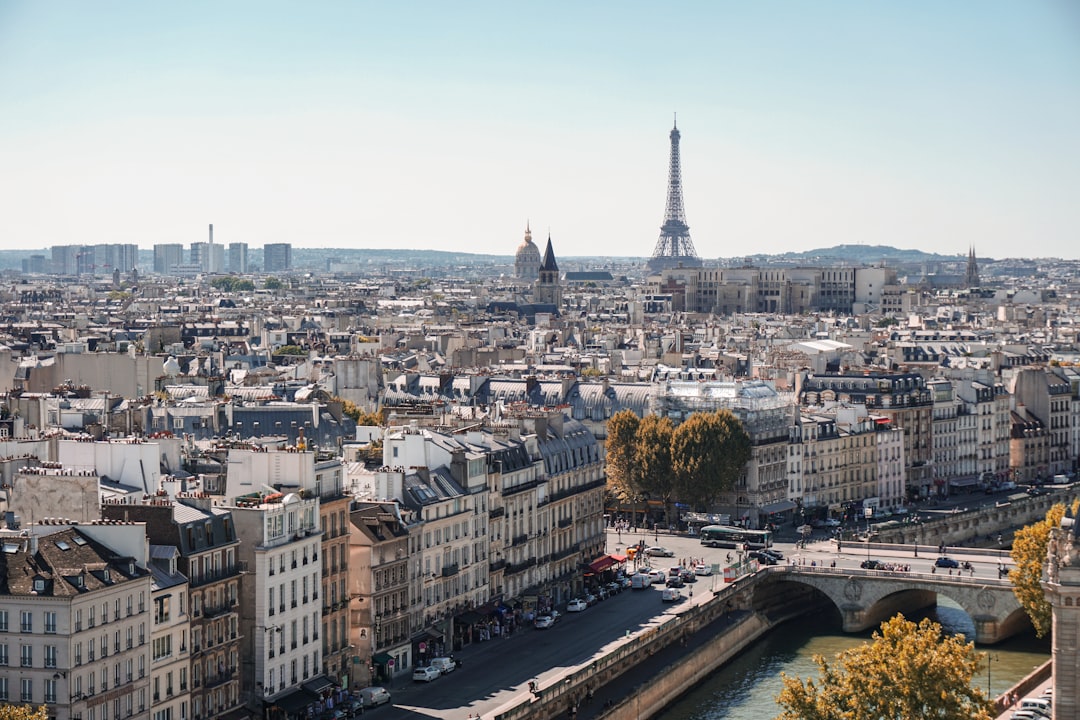
Paris, the City of Light, beckons millions of visitors each year with its timeless charm, world-class museums, exquisite cuisine, and romantic atmosphere. Planning a week-long trip to Paris can feel overwhelming given the sheer number of attractions, neighborhoods, and experiences available. This comprehensive 7-day itinerary for 2026 will help you make the most of your time in the French capital, balancing must-see landmarks with authentic local experiences.
Whether you’re a first-time visitor or returning to discover new facets of Paris, this carefully crafted itinerary ensures you’ll experience the city’s highlights while leaving room for spontaneous discoveries. From the iconic Eiffel Tower to charming neighborhood cafés, world-renowned museums to scenic Seine River cruises, we’ve designed each day to offer a perfect blend of culture, history, cuisine, and leisure.
Before You Go: Essential Paris Travel Planning for 2026
Best Time to Visit Paris
For your 2026 trip, consider visiting during the shoulder seasons of late spring (May-June) or early fall (September-October). These periods offer pleasant weather, fewer crowds, and reasonable accommodation prices. Summer months can be crowded and expensive, while winter provides a magical atmosphere but requires warm clothing.
Getting Around Paris
Paris boasts an excellent public transportation system. Purchase a weekly Navigo pass for unlimited metro, bus, and RER travel within zones 1-2. The metro system is extensive and efficient, with stations rarely more than 500 meters apart. For 2026, expect continued improvements to accessibility and digital ticketing options.
Accommodation Recommendations
Choose accommodations based on your priorities:
- Le Marais: Historic charm, central location, vibrant nightlife
- Saint-Germain-des-Prés: Sophisticated atmosphere, excellent restaurants
- Montmartre: Artistic heritage, stunning views, romantic ambiance
- Latin Quarter: Student atmosphere, historic sites, budget-friendly options
Day 1: Classic Paris Icons and the Eiffel Tower
Morning: Trocadéro and Eiffel Tower
Begin your Parisian adventure at the Trocadéro Gardens for the most spectacular view of the Eiffel Tower. Arrive early (around 8 AM) to avoid crowds and capture stunning photographs. The Palais de Chaillot, which houses several museums, provides an impressive architectural backdrop.
Cross the Seine via Pont de Bir-Hakeim to reach the Eiffel Tower. Book your tickets in advance for 2026, as this iconic landmark remains Paris’s most popular attraction. Consider ascending to the second floor for panoramic views, or splurge on summit access for the ultimate perspective.
Afternoon: Champs-Élysées and Arc de Triomphe
Take the metro to Champs-Élysées, Paris’s most famous avenue. While touristy, it remains an essential Parisian experience. Browse flagship stores, enjoy a café au lait at a sidewalk café, and soak in the bustling atmosphere.
End your afternoon at the Arc de Triomphe. Climb the 284 steps for breathtaking 360-degree views of Paris’s twelve radiating avenues. The monument honors French military history and offers insight into the country’s complex past.
Evening: Seine River Dinner Cruise
Cap off your first day with a Seine River dinner cruise. These cruises offer a unique perspective of Paris’s illuminated monuments while enjoying French cuisine. Book with reputable companies like Bateaux Parisiens or Capitaine Fracasse for the best experience.
Day 2: Louvre Museum and Tuileries Gardens
Morning: The Louvre Museum
Dedicate your morning to the Louvre Museum, the world’s largest art museum. With over 35,000 works on display, strategic planning is essential. Focus on highlights including:
- The Mona Lisa (arrive early to avoid crowds)
- Venus de Milo
- Winged Victory of Samothrace
- Crown Jewels
- Egyptian Antiquities
Book timed entry tickets online for 2026 to skip entrance lines. Consider a guided tour for deeper insights into masterpieces and efficient navigation through the museum’s vast corridors.
Afternoon: Tuileries Gardens and Place Vendôme
After museum fatigue, relax in the beautiful Tuileries Gardens. These formal French gardens provide a perfect respite with tree-lined paths, fountains, and seasonal flower displays. Rent a chair and people-watch or visit the outdoor sculpture installations.
Walk to Place Vendôme, Paris’s most elegant square, famous for luxury jewelry shops and the iconic Vendôme Column. The octagonal square showcases classical French architecture at its finest.
Evening: Palais Royal and Opera District
Explore the Palais Royal gardens and galleries, a hidden oasis in central Paris. The striking black and white striped columns by Daniel Buren create a contemporary contrast to the classical architecture.
End your evening in the Opera district, admiring the ornate Palais Garnier opera house. Even without attending a performance, the building’s facade and surrounding boulevards exemplify Haussmann’s Paris.
Day 3: Montmartre and Sacré-Cœur
Morning: Sacré-Cœur and Montmartre Village
Take the funicular or climb the stairs to Sacré-Cœur Basilica, perched atop Montmartre hill. This Romano-Byzantine basilica offers panoramic views across Paris. The interior features beautiful mosaics and a serene atmosphere for contemplation.
Wander through Montmartre village, exploring its cobblestone streets, artist studios, and the famous Place du Tertre where portrait artists work. This bohemian neighborhood retains its village-like charm despite tourist crowds.
Afternoon: Moulin Rouge Area and Pigalle
Visit the iconic Moulin Rouge cabaret for exterior photographs and to soak in the Belle Époque atmosphere. The surrounding Pigalle district has evolved from its red-light district reputation into a trendy area with unique shops and restaurants.
Explore nearby Rue des Abbesses and Rue Lepic for authentic Montmartre experiences. These streets feature local bakeries, wine shops, and cafés frequented by residents rather than tourists.
Evening: Sunset Views and Local Dining
Return to Sacré-Cœur or find a quiet spot in Montmartre for sunset views over Paris. The golden hour transforms the city into a magical landscape of twinkling lights and romantic shadows.
Dine at a traditional Montmartre bistro like Le Consulat or La Mère Catherine for classic French cuisine in an authentic setting. These establishments have served artists and writers for decades.
Day 4: Notre-Dame Area and Latin Quarter
Morning: Île de la Cité and Sainte-Chapelle
Begin at Île de la Cité, the historic heart of Paris. While Notre-Dame Cathedral continues restoration following the 2019 fire, the area remains fascinating. Visit Sainte-Chapelle for its breathtaking 13th-century stained glass windows, considered among the world’s finest Gothic art.
Explore the Conciergerie, former royal palace turned revolutionary prison where Marie Antoinette was held before her execution. The medieval halls and prison cells provide insight into France’s turbulent history.
Afternoon: Latin Quarter Exploration
Cross to the Latin Quarter via Pont Neuf, Paris’s oldest bridge. This historic student district buzzes with bookshops, cafés, and narrow medieval streets. Visit the famous Shakespeare and Company bookstore, a haven for English-language literature and literary pilgrims.
Stroll down Boulevard Saint-Michel and explore the winding streets around the Sorbonne university. The area maintains its intellectual atmosphere with numerous bookshops, student cafés, and academic institutions.
Evening: Panthéon and Luxembourg Gardens
Visit the Panthéon, final resting place of French luminaries including Voltaire, Rousseau, and Marie Curie. The neoclassical architecture and Foucault’s pendulum demonstration make this an educational and inspiring visit.
End your day with a peaceful walk through Luxembourg Gardens as the sun sets. These meticulously maintained gardens offer palace views, tree-lined paths, and the perfect spot for reflection.
Day 5: Marais District and Jewish Quarter
Morning: Place des Vosges and Marais Exploration
Discover the Marais district, beginning at Place des Vosges, Paris’s oldest planned square. The perfectly symmetrical red-brick buildings with white stone trim create an architectural masterpiece. Visit Victor Hugo’s former residence, now a museum dedicated to the famous writer.
Wander through the Marais’s narrow streets, admiring medieval architecture, trendy boutiques, and galleries. This gentrified area maintains its historic character while embracing contemporary culture.
Afternoon: Jewish Quarter and Food Scene
Explore the Jewish quarter around Rue des Rosiers, home to traditional falafel shops, synagogues, and Jewish cultural sites. L’As du Fallafel remains a popular stop for authentic Middle Eastern cuisine.
Visit the Carnavalet Museum (Museum of the History of Paris) to understand the city’s evolution from Roman times to the present. The museum’s rooms recreate different historical periods with period furnishings and artifacts.
Evening: Bastille Area and Nightlife
Head to Place de la Bastille, site of the former fortress prison whose storming marked the beginning of the French Revolution. The modern Opéra Bastille provides cultural programming, while surrounding streets offer diverse dining options.
Experience Parisian nightlife in the trendy bars and restaurants around Rue de Lappe and Rue de la Roquette. This area attracts locals and visitors seeking authentic Parisian evening entertainment.
Day 6: Versailles Day Trip
Full Day: Palace of Versailles
Dedicate your sixth day to Versailles, the opulent palace that symbolized royal power before the French Revolution. Take the RER C train (about 45 minutes) or join an organized tour for convenient transportation.
Explore the palace’s ornate rooms, including the famous Hall of Mirrors, royal apartments, and chapel. The audio guide provides essential historical context for understanding French royal history and court life.
Reserve significant time for the Versailles Gardens, designed by André Le Nôtre. These formal gardens feature fountains, sculptures, and the Grand Trianon palace. During summer months, enjoy the fountain shows with classical music accompaniment.
Visit Marie Antoinette’s Estate, including the Petit Trianon palace and her rustic hamlet where she played at being a simple shepherdess. These sites provide insight into the queen’s private life and the contrast between royal luxury and pastoral fantasies.
Tips for Versailles
- Book timed entry tickets online in advance
- Start early to avoid crowds
- Wear comfortable walking shoes
- Bring water and snacks (or budget for expensive on-site dining)
- Allow 6-8 hours for a comprehensive visit
Day 7: Museums and Final Exploration
Morning: Musée d’Orsay
Spend your final morning at Musée d’Orsay, housed in a beautiful Belle Époque railway station. This museum contains the world’s finest collection of Impressionist masterpieces by Monet, Renoir, Degas, and Van Gogh.
The museum’s manageable size allows for a thorough visit without overwhelming fatigue. Don’t miss the fifth-floor galleries with panoramic views through the station’s original clock windows.
Afternoon: Saint-Germain-des-Prés and Left Bank
Explore Saint-Germain-des-Prés, Paris’s intellectual and artistic heart. Visit the historic abbey church, browse antique shops and art galleries, and experience the area’s sophisticated café culture.
Famous cafés like Café de Flore and Les Deux Magots once hosted existentialist philosophers and writers. While touristy today, they maintain their literary atmosphere and serve excellent coffee.
Evening: Farewell Seine Walk and Dinner
Take a farewell stroll along the Seine River, crossing various bridges and admiring Paris’s illuminated monuments. The river walk provides perspective on your week’s adventures and creates lasting memories.
Choose a special restaurant for your final Parisian dinner. Consider splurging on a Michelin-starred establishment or returning to a favorite bistro discovered during your week. Many restaurants offer prix-fixe menus that provide excellent value for quality French cuisine.
Additional Tips for Your 2026 Paris Visit
Budget Considerations
Plan for approximately €100-150 per person per day, including accommodation, meals, transportation, and attractions. Museum passes can provide savings if visiting multiple sites. Free activities include walking tours, park visits, and window shopping.
Cultural Etiquette
- Learn basic French phrases – locals appreciate the effort
- Greet shopkeepers with “Bonjour” when entering
- Dress stylishly – Parisians value appearance
- Tip 10% at restaurants if service charge isn’t included
- Avoid eating on public transportation
Safety and Practical Tips
Paris is generally safe, but remain aware of pickpockets in tourist areas and on public transport. Keep valuables secure and avoid displaying expensive jewelry or electronics. Emergency numbers: Police (17), Medical (15), Fire (18).
Conclusion: Your Perfect Week in Paris
This comprehensive 7-day Paris itinerary balances iconic attractions with authentic neighborhood experiences, ensuring you’ll discover both the Paris of postcards and the Paris where locals live. From world-class museums to charming street cafés, magnificent palaces to intimate bistros, your week will showcase the full spectrum of Parisian culture.
Remember that Paris rewards those who balance planning with spontaneity. While this itinerary provides structure, don’t hesitate to linger at a café that captures your imagination or explore a street that beckons with mysterious charm. These unplanned moments often become the most treasured memories.
Paris in 2026 will continue evolving while maintaining its timeless appeal. Whether you’re inspired by art, energized by history, delighted by cuisine, or enchanted by romance, Paris offers countless discoveries for every type of traveler. Your perfect week awaits in the City of Light.