Paris remains one of the world’s most beloved destinations, attracting millions of visitors annually with its timeless charm, world-class museums, and romantic atmosphere. However, even in 2026, many travelers continue to make avoidable mistakes that can turn their dream vacation into a frustrating experience. Whether you’re planning your first visit to the City of Light or returning for another adventure, understanding these common pitfalls can make the difference between a mediocre trip and an unforgettable journey.
This comprehensive guide reveals the most critical mistakes tourists make when visiting Paris in 2026, along with practical solutions to help you navigate the city like a seasoned traveler. From timing your visit strategically to mastering local etiquette, these insights will ensure your Parisian adventure exceeds expectations.
Planning and Timing Mistakes That Can Ruin Your Trip
Mistake 1: Visiting During Peak Tourist Season Without Preparation
One of the most significant mistakes travelers make is visiting Paris during peak season (June through August and December) without adequate preparation. In 2026, these periods see astronomical crowds, inflated prices, and fully booked attractions.
The consequences: You’ll face hour-long queues at major attractions, pay premium rates for accommodations, and struggle to find available tables at popular restaurants. The Eiffel Tower, Louvre, and Notre-Dame area become particularly overwhelming during these months.
Smart alternatives: Plan your visit during shoulder seasons (April-May or September-October) when weather remains pleasant, crowds thin out, and prices drop significantly. If you must visit during peak season, book everything at least three months in advance and consider purchasing skip-the-line tickets for major attractions.
Mistake 2: Underestimating the Time Needed for Major Attractions
Many visitors allocate insufficient time for Paris’s world-renowned museums and monuments. The Louvre alone houses over 35,000 works of art across 652,300 square feet of exhibition space.
Realistic time allocation:
- Louvre Museum: 4-6 hours minimum for a comprehensive visit
- Palace of Versailles: Full day trip (8+ hours including travel time)
- Musée d’Orsay: 2-3 hours
- Eiffel Tower: 2-3 hours including queuing and exploration
- Sacré-Cœur and Montmartre: Half day
Plan your itinerary accordingly, and don’t attempt to cram too many major attractions into a single day. Quality over quantity should be your mantra.
Transportation and Navigation Blunders
Mistake 3: Over-Relying on Taxis and Rideshares
While convenient, exclusively using taxis or rideshare services like Uber represents one of the costliest transportation mistakes in Paris. With traffic congestion worsening in 2026 due to ongoing urban development projects, these options are both expensive and time-consuming.
Better alternatives:
- Paris Metro: Covers most tourist destinations efficiently and costs fraction of taxi fares
- Vélib’ bike-sharing: Perfect for short distances and scenic routes
- Walking: Paris’s compact city center makes many attractions walkable
- Public buses: Offer scenic routes and connect areas not served by metro
Mistake 4: Not Understanding Metro Etiquette and Navigation
The Paris Metro can intimidate first-time visitors, leading to navigation errors and cultural faux pas. Understanding the system’s nuances is crucial for efficient travel.
Essential metro tips:
- Always validate your ticket before entering platforms
- Stand right on escalators, walk left
- Remove backpacks in crowded cars to avoid blocking passages
- Download offline metro maps as mobile service can be spotty underground
- Purchase weekly passes (Navigo) for stays longer than four days
Accommodation and Neighborhood Selection Errors
Mistake 5: Choosing Location Over Safety and Convenience
Many travelers book accommodations solely based on price or proximity to famous landmarks without researching neighborhood safety and accessibility. Some areas that appear centrally located on maps may be poorly connected to public transportation or unsafe at night.
Recommended neighborhoods for tourists in 2026:
- 1st, 4th, and 7th Arrondissements: Central, safe, well-connected
- Saint-Germain-des-Prés (6th): Chic, walkable, excellent restaurants
- Marais (3rd/4th): Historic charm, vibrant nightlife, LGBTQ+ friendly
- Latin Quarter (5th): Student atmosphere, affordable dining, cultural sites
Areas to approach with caution: While gentrification continues, some parts of the 18th, 19th, and 20th arrondissements may feel less comfortable for tourists unfamiliar with Paris.
Mistake 6: Booking Accommodations Without Reading Fine Print
Paris rental regulations have become increasingly strict in 2026, affecting short-term rentals. Many travelers book illegal or problematic accommodations without realizing it.
Red flags to avoid:
- Unusually low prices for prime locations
- Hosts requesting cash payments only
- Properties without proper registration numbers
- Accommodations in residential buildings without proper permissions
Cultural Etiquette and Social Mistakes
Mistake 7: Ignoring French Greeting Customs
Failing to greet shopkeepers, restaurant staff, and service providers represents a significant cultural misstep. French culture emphasizes politeness and proper greetings as signs of respect.
Proper etiquette:
- Always say “Bonjour” (or “Bonsoir” after 6 PM) when entering shops or restaurants
- Use “Excusez-moi” to get attention, not “Pardon”
- Say “Au revoir” and “Merci” when leaving establishments
- Address adults as “Monsieur” or “Madame” initially
Mistake 8: Speaking Loudly in Public Spaces
Americans and other English-speaking tourists often underestimate how their volume levels appear to locals. Parisians typically speak more quietly in public spaces, restaurants, and on public transportation.
Volume awareness tips:
- Lower your voice on metro trains and buses
- Speak softly in restaurants, especially during evening dining
- Avoid phone conversations in quiet spaces like museums or libraries
- Be mindful of your group’s collective noise level
Dining and Food-Related Mistakes
Mistake 9: Eating at Tourist Trap Restaurants
Restaurants with English menus, pictures of food, and aggressive street-side promotion typically offer subpar experiences at inflated prices. These establishments cluster around major tourist attractions and prey on unsuspecting visitors.
Identifying authentic establishments:
- Look for restaurants filled with locals, especially during lunch hours
- Seek establishments with French-only menus or minimal English
- Avoid restaurants with tourist menu photos or pushy street promoters
- Check online reviews from recent French customers
- Visit during off-peak hours when locals dine
Mistake 10: Misunderstanding French Dining Hours and Customs
French dining culture operates on strict schedules that many tourists ignore, resulting in missed meals or disappointing experiences.
French dining schedule:
- Breakfast: 7:00-9:00 AM (usually light – coffee and pastry)
- Lunch: 12:00-2:00 PM (many restaurants close between lunch and dinner)
- Dinner: 7:30-10:30 PM (earlier dining marks you as a tourist)
- Sunday dining: Many restaurants close entirely or have limited hours
Dining etiquette essentials:
- Wait to be seated – don’t seat yourself
- Keep hands visible on the table while eating
- Don’t ask for modifications to traditional French dishes
- Water is not automatically provided – you must request it
- Tipping 5-10% is sufficient, as service charge is included
Shopping and Money Management Mistakes
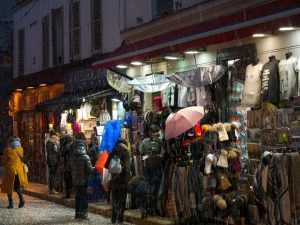
Mistake 11: Falling for Overpriced Souvenir Shops
Tourist-focused souvenir shops charge premium prices for low-quality items. Eiffel Tower keychains, “I Love Paris” t-shirts, and mass-produced artwork represent poor value propositions.
Better souvenir alternatives:
- French pharmacies: High-quality skincare and beauty products
- Local markets: Artisanal foods, wines, and handmade crafts
- Bookshops: French literature, art books, and vintage prints
- Department stores: French fashion brands at reasonable prices
- Specialty food shops: Macarons, chocolates, and gourmet items
Mistake 12: Not Understanding VAT Refund Procedures
Non-EU visitors can reclaim Value Added Tax (VAT) on purchases over €100 from a single store, potentially saving 12-20% on shopping expenses. Many tourists miss this opportunity due to lack of awareness or improper procedures.
VAT refund requirements:
- Minimum purchase of €100 per store, per day
- Request tax-free forms at time of purchase
- Present items, receipts, and passport at airport customs before departure
- Allow extra time at airport for VAT refund processing
Safety and Security Oversights
Mistake 13: Becoming a Pickpocket Target
While Paris is generally safe, pickpocketing remains problematic in tourist areas, especially around the Eiffel Tower, Louvre, and major metro stations. In 2026, thieves have become increasingly sophisticated in their methods.
Common pickpocket scenarios to recognize:
- Distraction techniques: Groups approaching with maps or petitions
- Crowded metro cars: Thieves work in teams during rush hour
- ATM skimming: Fraudulent card readers on tourist-area machines
- Fake police: Individuals requesting to see wallet or passport
Protection strategies:
- Use money belts or hidden pouches for important documents
- Keep minimal cash in easily accessible pockets
- Remain aware of surroundings in crowded tourist areas
- Avoid displaying expensive jewelry, electronics, or large amounts of cash
- Use hotel safes for valuables you don’t need while sightseeing
Mistake 14: Neglecting Travel Insurance and Emergency Preparations
Medical emergencies, trip cancellations, and lost luggage can occur anywhere, but costs in Paris can be particularly high for uninsured travelers.
Essential coverage areas:
- Medical coverage: Hospital visits in Paris are expensive without insurance
- Trip cancellation: Protects against unforeseen circumstances
- Lost luggage: Compensation for delayed or missing belongings
- Emergency evacuation: Coverage for serious medical situations
Technology and Communication Mistakes
Mistake 15: Inadequate Phone and Internet Preparation
Poor connectivity can significantly impact your Paris experience, affecting navigation, translation needs, restaurant reservations, and emergency communications.
Connectivity solutions for 2026:
- International roaming plans: Check with your carrier before departure
- Local SIM cards: Available at airports and mobile shops
- Portable Wi-Fi devices: Reliable internet for multiple devices
- Free Wi-Fi locations: Many cafés, hotels, and public spaces offer access
Essential apps for Paris travelers:
- Citymapper: Comprehensive public transportation navigation
- Google Translate: Includes camera translation for menus and signs
- Paris Museum Pass app: Skip-the-line access to 60+ attractions
- OpenTable or LaFourchette: Restaurant reservations
Conclusion: Making Your 2026 Paris Trip Unforgettable
Avoiding these common Paris travel mistakes will dramatically improve your 2026 vacation experience. Remember that successful Paris travel combines practical preparation with cultural sensitivity and realistic expectations. The city rewards travelers who take time to understand its rhythms, respect its customs, and explore beyond the obvious tourist attractions.
Start planning your trip at least three months in advance, especially if visiting during peak seasons. Book accommodations in safe, well-connected neighborhoods, master basic French phrases and etiquette, and prepare for dining customs that differ significantly from other international destinations.
Most importantly, maintain flexibility in your itinerary. Paris’s greatest pleasures often come from unexpected discoveries – a charming café tucked away on a quiet street, an impromptu conversation with locals, or stumbling upon a neighborhood festival. By avoiding these common mistakes, you’ll have more time and energy to embrace these serendipitous moments that make Paris truly magical.
Your 2026 Paris adventure awaits – armed with this knowledge, you’re prepared to experience the City of Light like never before.