
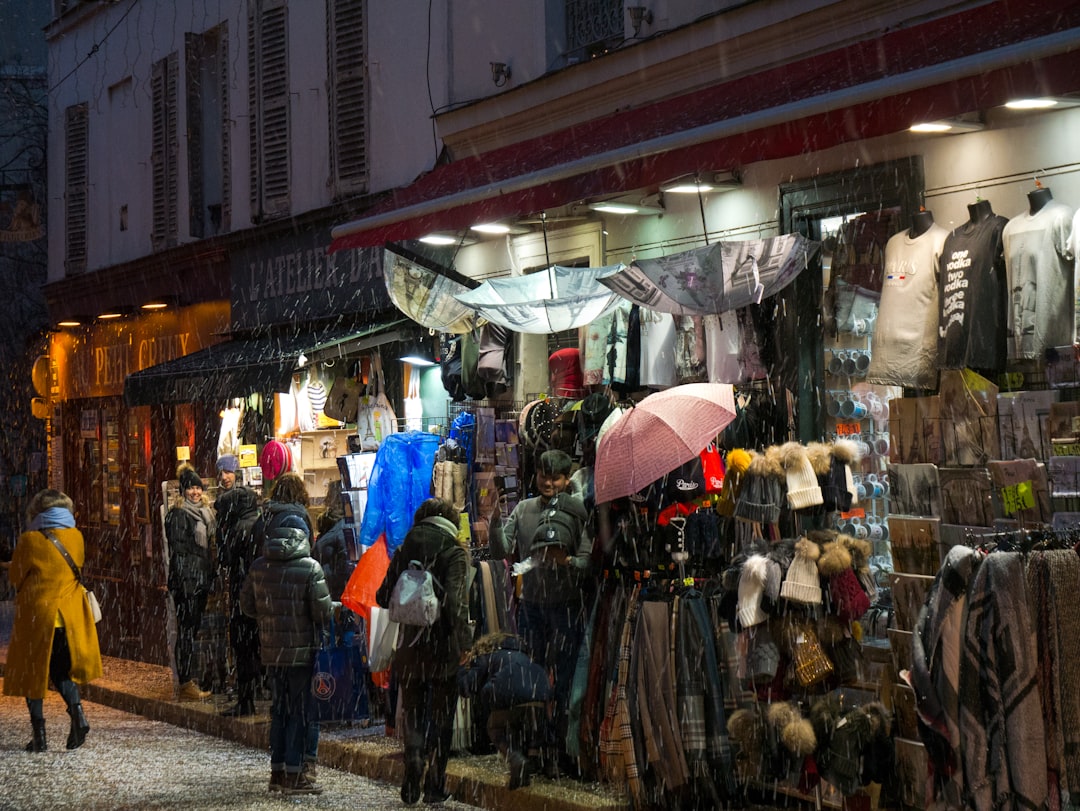
Step into any tourist-packed market in France, and you’ll likely find overpriced souvenirs, mediocre produce, and vendors speaking more English than French. But venture into the markets where locals actually shop, and you’ll discover a completely different world—one filled with authentic French culture, exceptional quality products, and prices that won’t break your budget.
This comprehensive guide reveals the insider secrets of French market culture, helping you navigate like a local and discover the hidden gems that make French shopping such an extraordinary experience.
Understanding French Market Culture
French markets are far more than simple shopping destinations—they’re social institutions that have shaped French culture for centuries. Understanding this cultural foundation is essential for appreciating why locals choose specific markets and how to shop authentically.
The Social Aspect of Market Shopping
For French locals, market shopping is a social ritual that strengthens community bonds. Vendors know their regular customers by name, discussing not just produce quality but family news, local events, and seasonal cooking tips. This personal connection creates a shopping experience that supermarkets simply cannot replicate.
Regular market-goers develop relationships with specific vendors, often visiting the same cheese merchant, baker, or produce seller for years. These relationships ensure access to the best products, seasonal recommendations, and sometimes even special prices for loyal customers.
Quality Over Convenience
While supermarkets offer convenience, locals choose markets for superior quality and freshness. Market vendors typically source directly from producers, ensuring shorter supply chains and fresher products. This commitment to quality means locals often plan their weekly shopping around market days rather than relying on the constant availability of supermarket goods.
Types of French Markets Locals Frequent
French markets come in various forms, each serving different purposes in local shopping routines. Understanding these distinctions helps visitors identify authentic local markets versus tourist-oriented venues.
Daily Food Markets (Marchés Alimentaires)
Daily food markets operate in permanent covered halls or designated squares, typically open six days a week (closed Mondays in most regions). These markets form the backbone of local food shopping, offering fresh produce, meat, fish, dairy, and prepared foods.
Characteristics of authentic daily markets:
- Vendors arrive early morning to set up fresh displays
- Prices decrease as closing time approaches
- Limited English spoken—vendors expect basic French interaction
- Seasonal product rotation reflects local growing cycles
- Minimal tourist merchandise or souvenirs
Weekly Regional Markets (Marchés de Plein Air)
These larger markets occur once or twice weekly in town squares or designated streets. Local farmers and regional producers travel to sell seasonal specialties, artisanal products, and traditional crafts. The atmosphere is more festive, but prices remain reasonable because locals form the primary customer base.
Weekly markets often feature specialized sections for different product categories—produce in one area, artisanal foods in another, and household goods in a third section. This organization helps locals navigate efficiently while maintaining the market’s authentic character.
Specialty Markets
Many French cities host specialized markets focusing on specific products or themes. Flower markets, antique markets, and organic produce markets cater to particular local interests while maintaining authentic pricing and quality standards.
These specialty venues often attract both locals and visitors, but the presence of regular local customers ensures vendors maintain reasonable prices and high-quality offerings.
Regional Differences in Market Culture
France’s diverse regions each maintain distinct market traditions, reflecting local agricultural specialties, cultural preferences, and historical trading patterns.
Provence Markets
Provençal markets showcase the Mediterranean influence with abundant fresh herbs, olive oils, lavender products, and sun-ripened vegetables. Local shoppers know to arrive early for the best selection of tomatoes, eggplants, and seasonal fruits.
The famous markets in cities like Aix-en-Provence and Avignon attract tourists, but locals shop strategically—visiting specific vendors for particular items and avoiding the most crowded areas during peak tourist hours.
Normandy Markets
Norman markets emphasize dairy products, apples, and seafood reflecting the region’s agricultural and coastal heritage. Locals frequent these markets for exceptional cheeses, fresh cream, artisanal butters, and seasonal apple products.
The market culture here is more reserved than in southern France, with vendors maintaining friendly but professional relationships with customers. Quality assessment through careful inspection is expected and respected.
Alsace Markets
Alsatian markets blend French and German influences, featuring sauerkraut, regional wines, and Germanic baked goods alongside traditional French products. The bilingual nature of the region means vendors often speak both French and German, creating a unique cultural atmosphere.
Local shopping patterns reflect this cultural blend, with families often purchasing ingredients for both French and Germanic traditional dishes during single market visits.
Hidden Neighborhood Markets
The most authentic French market experience often occurs in neighborhood markets that serve residential areas rather than tourist districts. These venues prioritize local customers and maintain the intimate atmosphere that characterizes traditional French market culture.
Identifying Authentic Neighborhood Markets
Authentic neighborhood markets share several characteristics that distinguish them from tourist-oriented venues:
- Vendor diversity: Multiple vendors selling similar products create healthy competition and fair pricing
- Conversation language: Predominantly French conversations between vendors and customers
- Product rotation: Seasonal changes in available products reflecting natural growing cycles
- Customer demographics: Families, elderly residents, and working professionals shopping for daily needs
- Pricing transparency: Clearly marked prices without inflated tourist premiums
Shopping Etiquette in Neighborhood Markets
Successful shopping in neighborhood markets requires understanding and respecting local customs:
Greeting rituals: Always greet vendors with “Bonjour” upon approach and “Au revoir” when leaving, even if making no purchase. This courtesy is essential for positive interactions.
Product selection: Wait for vendor assistance before touching produce, especially fruits and vegetables. Vendors take pride in their displays and prefer to select items for customers.
Payment customs: Cash remains preferred, though card acceptance is increasing. Have exact change when possible, as vendors appreciate efficiency during busy periods.
Seasonal Shopping Patterns
Understanding seasonal patterns helps visitors align their market experiences with local shopping rhythms and discover the best products at optimal times.
Spring Markets (March-May)
Spring brings fresh asparagus, early strawberries, and tender vegetables to French markets. Locals eagerly await the first locally grown produce after winter’s reliance on stored and imported goods.
This season represents renewal in market culture, with vendors introducing new seasonal products and customers shifting from heavy winter foods to lighter, fresher options.
Summer Markets (June-August)
Summer markets burst with abundance—tomatoes, melons, stone fruits, and fresh herbs dominate displays. Local shopping patterns intensify during early morning hours to avoid afternoon heat and secure the best selection.
Tourist presence increases during summer months, but locals maintain their shopping routines by arriving earlier and developing strategies for navigating crowded conditions.
Autumn Markets (September-November)
Autumn markets showcase France’s harvest season with apples, pears, squashes, and freshly made preserves. This period represents peak quality for many products, and locals stock up for winter storage.
Mushroom foraging season brings wild mushrooms to markets, with vendors offering expertise on preparation methods and safety considerations for unfamiliar varieties.
Winter Markets (December-February)
Winter markets focus on root vegetables, preserved foods, and warming beverages. Despite reduced fresh produce variety, locals continue regular market shopping for superior quality ingredients and social interaction.
Holiday seasons bring special products and festive atmospheres, though locals balance celebration with practical winter shopping needs.
Practical Tips for Shopping Like a Local
Mastering local shopping techniques enhances market experiences while demonstrating respect for French market culture.
Timing Your Visits
Optimal shopping hours: Arrive between 8:00-10:00 AM for the best selection and freshest products. Vendors restock throughout the morning, but early shoppers access premium items.
End-of-day advantages: Shopping 30 minutes before closing often yields discounted prices, especially for perishable items vendors prefer to sell rather than transport back.
Weekday vs. weekend considerations: Weekday markets typically serve more locals and fewer tourists, creating more authentic experiences. Weekend markets may offer wider selection but attract larger crowds.
Building Vendor Relationships
Developing relationships with specific vendors enhances both product quality and shopping enjoyment:
- Consistent patronage: Return to the same vendors regularly to build recognition and trust
- Product knowledge: Ask questions about seasonal availability, preparation methods, and storage recommendations
- Flexibility: Accept vendor recommendations for substitute products when specific items are unavailable
- Patience: Allow time for conversations and advice rather than rushing through purchases
Quality Assessment Techniques
Learning to evaluate product quality like locals requires understanding visual, tactile, and aromatic indicators:
Produce evaluation: Look for firm textures, vibrant colors, and fresh aromatic qualities. Vendors appreciate customers who understand quality indicators and often provide guidance for unfamiliar items.
Cheese selection: Trust vendor expertise for ripeness and flavor preferences. Describe intended use (immediate consumption vs. storage) to receive appropriate recommendations.
Meat and fish assessment: Fresh appearance, proper refrigeration, and vendor knowledge about sourcing indicate quality products worth purchasing.
Budget-Friendly Shopping Strategies
Shopping like locals means maximizing value without compromising quality. French market veterans employ various strategies to maintain budgets while accessing premium products.
Seasonal Advantage Shopping
Purchasing products during peak season ensures optimal prices and quality. Locals plan menus around seasonal availability rather than demanding year-round access to all products.
Understanding ripening cycles helps identify when fruits and vegetables reach peak flavor while commanding lower prices due to abundance.
End-of-Market Opportunities
Many vendors offer discounts during final market hours to avoid transporting unsold perishables. Locals capitalize on these opportunities for ingredients suitable for immediate use or preservation.
Building relationships with vendors increases access to end-of-day deals, as vendors prefer selling to regular customers rather than unknown shoppers.
Bulk Purchase Considerations
Some vendors offer quantity discounts for larger purchases, particularly for products suitable for preservation or sharing. Locals often coordinate purchases with neighbors or family members to achieve bulk pricing benefits.
Authentic Market Experiences by City
Different French cities offer unique market experiences that reflect local character and shopping patterns.
Paris Local Markets
Beyond the famous tourist markets, Paris offers numerous neighborhood markets serving local residents. The Marché des Enfants Rouges, while popular with visitors, maintains authentic character through its daily local customer base.
Lesser-known markets like Marché Président Wilson and Marché Saint-Honoré cater primarily to locals, offering genuine Parisian market experiences without tourist premiums.
Lyon Regional Markets
Lyon’s markets reflect the city’s reputation for culinary excellence. Local markets feature exceptional cheese selections, regional wines, and ingredients essential for traditional Lyonnaise cuisine.
The relationship between markets and the city’s renowned restaurants creates unique opportunities for high-quality ingredients at reasonable prices.
Marseille Mediterranean Markets
Marseille’s markets showcase Mediterranean influences with abundant seafood, North African spices, and Provençal specialties. The multicultural population creates diverse product offerings while maintaining traditional French market structure.
Modern Adaptations in Traditional Markets
While maintaining traditional character, French markets have adapted to modern needs and preferences without losing their authentic appeal.
Organic and Local Product Integration
Growing interest in organic and locally sourced products has influenced vendor selections and customer preferences. Many traditional markets now feature dedicated organic sections or vendors specializing in local, sustainable products.
Locals increasingly seek products with clear provenance information, driving vendors to provide detailed sourcing information and seasonal availability explanations.
Technology Integration
Some vendors now accept card payments and use digital scales, while maintaining personal service and product quality that defines French market culture. These adaptations enhance convenience without compromising traditional market values.
Social media presence helps some vendors communicate seasonal product availability and market schedules to regular customers, blending modern communication with traditional relationships.
Conclusion
Discovering where locals actually shop in French markets opens doors to authentic cultural experiences and exceptional product quality that tourist-oriented venues simply cannot match. By understanding market culture, respecting local customs, and developing relationships with vendors, visitors can access the same authentic French market experience that locals treasure.
The key lies in seeking out neighborhood markets, shopping during optimal times, and approaching vendors with genuine interest in products and preparation methods. These markets represent living French culture where traditions continue to thrive, community relationships flourish, and exceptional food remains accessible to those who understand how to navigate this timeless shopping experience.
Whether seeking the freshest seasonal produce, artisanal cheeses, or simply the joy of participating in centuries-old French tradition, authentic local markets provide unparalleled access to the heart of French culinary culture. Start with one neighborhood market, develop relationships with a few vendors, and gradually expand your market knowledge to truly shop like a local in France.


