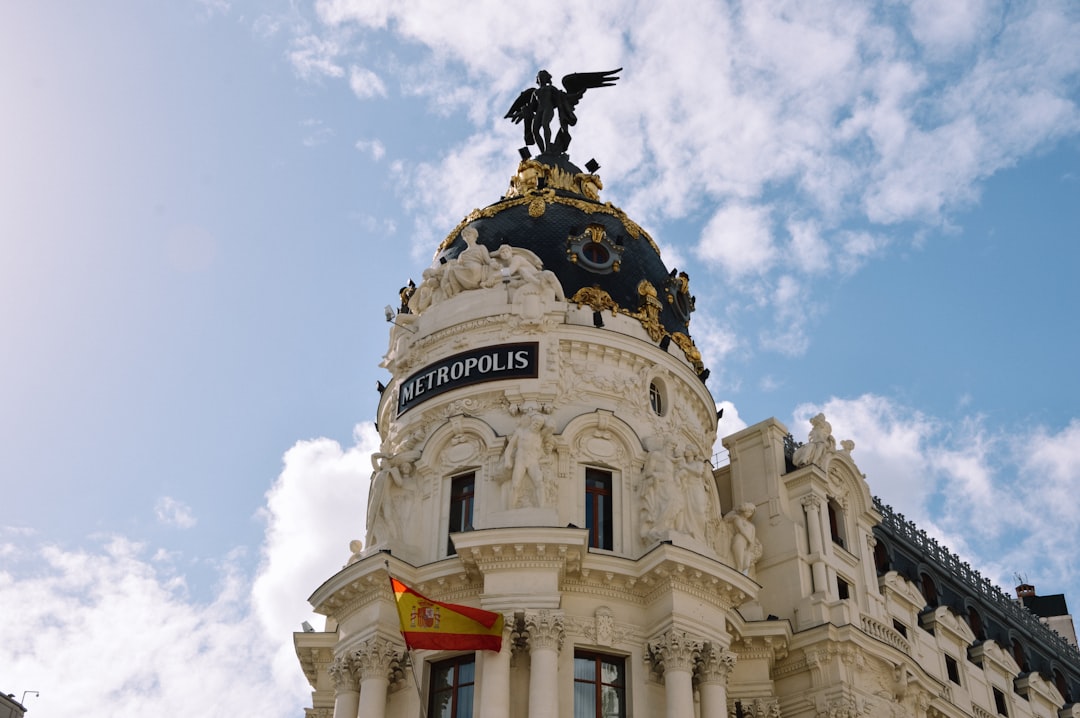
Spain captivates travelers with its vibrant culture, stunning architecture, world-class cuisine, and diverse landscapes. Planning the perfect 10-day Spanish adventure requires careful consideration of the country’s many treasures, from iconic cities like Madrid and Barcelona to hidden gems that most tourists never discover. This comprehensive itinerary balances must-see highlights with authentic local experiences, ensuring you capture the true essence of Spain while maximizing your limited time.
Whether you’re a first-time visitor or returning to explore deeper, this expertly crafted 10-day journey will guide you through Spain’s cultural heart, artistic soul, and culinary delights while revealing secret spots that will make your trip truly unforgettable.
Pre-Trip Planning Essentials
Before diving into the day-by-day itinerary, proper preparation ensures a smooth and enjoyable Spanish adventure. Understanding key logistics, cultural norms, and practical considerations will enhance your experience significantly.
Best Time to Visit
Spain’s diverse climate means timing matters depending on your preferences. April to June and September to October offer the ideal balance of pleasant weather, manageable crowds, and reasonable prices. Summer months (July-August) bring intense heat, especially in southern regions like Andalusia, while winter provides mild temperatures but shorter daylight hours.
Transportation Strategy
Spain’s excellent transportation network makes inter-city travel efficient and comfortable. The high-speed AVE trains connect major cities in under three hours, while regional trains and buses serve smaller destinations. Consider purchasing a Eurail Spain Pass or individual tickets through Renfe for flexibility and convenience.
Cultural Preparation
Understanding Spanish customs enhances your experience immensely. Spaniards typically eat dinner between 9-11 PM, many businesses close for siesta (2-5 PM), and Sunday mornings often see reduced activity. Learning basic Spanish phrases demonstrates respect and often leads to warmer interactions with locals.
Days 1-3: Madrid – Capital Grandeur and Hidden Corners
Begin your Spanish odyssey in Madrid, the country’s political and cultural capital. This bustling metropolis perfectly balances grand royal heritage with contemporary Spanish life, offering world-class museums, magnificent parks, and vibrant neighborhoods each with distinct personalities.
Day 1: Royal Madrid and Artistic Treasures
Start at the Royal Palace of Madrid, Europe’s largest functioning royal palace. Arrive early (opening at 10 AM) to avoid crowds and fully appreciate the opulent rooms, including the breathtaking Throne Room and Royal Armory. The palace tour requires 2-3 hours for a comprehensive visit.
After lunch, immerse yourself in art at the Prado Museum, home to masterpieces by Velázquez, Goya, and El Greco. Focus on the essential works if time is limited: Las Meninas, The Third of May 1808, and The Garden of Earthly Delights. Book tickets online to skip entrance lines.
Secret tip: Visit Café Central near the Prado for authentic tortilla española and observe local life away from tourist crowds.
Day 2: Neighborhoods and Local Life
Explore Malasaña, Madrid’s bohemian quarter, known for vintage shops, independent bookstores, and excellent coffee. This neighborhood perfectly captures modern Spanish youth culture and offers authentic tapas bars frequented by locals.
Spend your afternoon in Retiro Park, Madrid’s green heart. Beyond the famous Crystal Palace, discover the Rose Garden, rent a rowboat on the park lake, and visit the Velázquez Palace for rotating art exhibitions. The park provides perfect respite from urban exploration.
Evening should be dedicated to experiencing Madrid’s legendary nightlife. Start with tapas hopping in La Latina neighborhood, where small plates and local wines create the foundation of Spanish social culture.
Day 3: Day Trip to Toledo
Take a morning train to Toledo, the former Spanish capital known as the “City of Three Cultures” for its Christian, Muslim, and Jewish heritage. This UNESCO World Heritage site sits dramatically on a hill above the Tagus River.
Essential Toledo experiences include the magnificent Gothic Cathedral, the Synagogue of Santa María la Blanca, and the Church of Santo Tomé housing El Greco’s masterpiece “The Burial of the Count of Orgaz.” Allow time to wander the medieval streets and discover hidden viewpoints overlooking the surrounding countryside.
Hidden gem: Visit Mirador del Valle at sunset for spectacular photographs of Toledo’s silhouette against the Spanish sky.
Days 4-6: Barcelona – Modernist Marvels and Mediterranean Magic
Travel to Barcelona via high-speed train (2.5 hours) to experience Catalonia’s cosmopolitan capital. This Mediterranean city seamlessly blends Gothic architecture with Gaudí’s whimsical modernism, creating one of Europe’s most visually stunning urban landscapes.
Day 4: Gaudí’s Architectural Wonderland
Begin with Sagrada Familia, Gaudí’s unfinished masterpiece and Barcelona’s most iconic landmark. Book timed entry tickets well in advance and consider the audio guide to understand the intricate symbolism. The Nativity and Passion facades tell biblical stories through stone, while the interior resembles a stone forest.
Afternoon exploration of Park Güell reveals Gaudí’s playful side through colorful mosaics, organic architecture, and panoramic city views. The park requires timed tickets for the monumental zone, but the surrounding areas offer free access and equally impressive vistas.
End your day strolling down Passeig de Gràcia to admire Casa Batlló and Casa Milà (La Pedrera), two of Gaudí’s residential masterpieces. The undulating facades and fantastical details demonstrate the architect’s genius for reimagining everyday structures.
Day 5: Gothic Quarter and Maritime Barcelona
Explore the Gothic Quarter (Barrio Gótico), Barcelona’s historic heart dating back 2,000 years. Wander narrow medieval streets to discover the Cathedral of Barcelona, remnants of Roman walls, and hidden squares like Plaça Sant Felip Neri.
The afternoon calls for visiting Barceloneta Beach and the revitalized Port area. Even if swimming isn’t appealing, the beachfront promenade offers excellent people-watching and seafood restaurants. The nearby El Born neighborhood provides excellent shopping and the impressive Picasso Museum.
Local secret: Visit Cal Pep for standing-room-only tapas that locals consider among the city’s best. Arrive early or late to avoid crowds.
Day 6: Day Trip to Montserrat
Journey to Montserrat, a spectacular mountain monastery 60 kilometers from Barcelona. The dramatic rock formations house a Benedictine abbey famous for the Black Madonna and the Montserrat Boys’ Choir.
Take the rack railway or cable car for breathtaking views, then explore hiking trails suitable for various fitness levels. The Sant Joan funicular provides access to higher peaks and even more spectacular panoramas of Catalonia’s landscape.
The monastery’s museum contains works by Picasso, Dalí, and El Greco, making it culturally significant beyond its spiritual importance.
Days 7-9: Andalusia – Seville’s Passion and Córdoba’s Heritage
Travel south to Andalusia to experience Spain’s most passionate region, where flamenco rhythms echo through historic streets and Moorish architecture creates an almost magical atmosphere.
Day 7: Seville’s Historic Splendor
Arrive in Seville and immediately immerse yourself in the city’s romantic atmosphere. Begin with the Seville Cathedral and Giralda Tower, the world’s largest Gothic cathedral built on a former mosque site. Climb the Giralda’s ramps (originally designed for horses) for panoramic city views.
The adjacent Real Alcázar showcases exquisite Mudéjar architecture with intricate tilework, peaceful gardens, and rooms that served as filming locations for Game of Thrones. Allow 2-3 hours to fully appreciate this UNESCO World Heritage site.
Evening strolling through Santa Cruz neighborhood reveals Seville’s romantic character through narrow streets, orange-scented courtyards, and traditional tapas bars where locals gather for evening conversations.
Day 8: Flamenco Culture and Local Neighborhoods
Start in Triana, Seville’s traditional flamenco neighborhood across the Guadalquivir River. This working-class area maintains authentic Sevillian character with ceramic workshops, local markets, and family-run bars where impromptu flamenco performances occasionally break out.
Visit the Centro de Interpretación del Flamenco to understand this passionate art form’s history and cultural significance. Many venues offer educational presentations before evening performances.
Explore Metropol Parasol (Las Setas) for modern architecture and city views, then spend your afternoon in María Luisa Park, perfect for escaping Seville’s afternoon heat.
Insider tip: Book flamenco tickets at intimate venues like Casa de la Memoria rather than touristy tablao shows for authentic experiences.
Day 9: Córdoba Day Trip
Take a morning train to Córdoba to visit one of Spain’s most historically significant cities. The Mezquita-Catedral represents unique architectural fusion where a Christian cathedral was built within a magnificent Islamic mosque, creating an extraordinary visual dialogue between religions.
Wander through the Jewish Quarter with its flower-filled courtyards, narrow streets, and the Synagogue of Córdoba, one of Spain’s few remaining medieval synagogues.
The Alcázar de los Reyes Cristianos features beautiful gardens and tower views, while the Roman Bridge provides perfect photograph opportunities, especially at sunset.
Hidden gem: Visit Patio de los Naranjos early morning when orange blossoms perfume the air and tourist groups haven’t yet arrived.
Day 10: Return to Madrid – Final Spanish Flavors
Return to Madrid for your final Spanish day, focusing on experiences you may have missed and last-minute souvenir shopping.
Morning: Reina Sofia and Modern Spanish Art
Visit the Reina Sofia Museum to see Picasso’s powerful “Guernica” and works by Dalí and Miró. This museum completes Madrid’s “Golden Triangle of Art” alongside the Prado and Thyssen-Bornemisza museums.
Afternoon: El Rastro and Local Markets
If visiting on Sunday, explore El Rastro flea market for unique souvenirs and local atmosphere. Otherwise, visit Mercado de San Miguel for gourmet Spanish products and informal tastings.
Spend final hours in Chueca neighborhood for contemporary Spanish culture, excellent restaurants, and stylish boutiques representing modern Spain’s creative energy.
Essential Travel Tips and Hidden Secrets
Money-Saving Strategies
- Many museums offer free evening hours on specific days
- Menu del día (daily set menus) provide excellent value at lunch
- City tourist cards often include public transportation and museum discounts
- Avoiding restaurants on main tourist streets typically saves 30-40% on dining costs
Cultural Insights
- Spaniards typically greet with two kisses on the cheek, even in business settings
- Tipping is appreciated but not obligatory; rounding up bills or leaving 5-10% is sufficient
- Many restaurants don’t open for dinner until 8:30 PM or later
- Sunday afternoons can be quiet as many businesses close for family time
Hidden Local Experiences
- Madrid: Sunday morning at El Rastro followed by vermouth at Casa Alberto
- Barcelona: Sunset drinks at bunkers overlooking the city (Bunkers del Carmel)
- Seville: Thursday evening tapas crawl in Alameda de Hércules
- General: Local festivals often coincide with travel dates – check calendars for spontaneous celebrations
Practical Packing and Preparation
Essential Items
Pack comfortable walking shoes as Spanish cities involve significant pedestrian exploration. Lightweight layers accommodate Spain’s temperature variations, especially when moving between regions. A portable phone charger ensures constant navigation access, while a reusable water bottle helps manage costs and environmental impact.
Technology and Communication
Download offline maps for each city, as wifi availability varies. Consider purchasing a local SIM card or international phone plan for constant connectivity. Translation apps prove invaluable for restaurant menus and local interactions.
Conclusion
This 10-day Spanish itinerary provides a comprehensive introduction to the country’s diverse cultural landscape while maintaining realistic pacing that allows for spontaneous discoveries. From Madrid’s royal grandeur to Barcelona’s artistic innovation and Andalusia’s passionate heritage, each destination offers unique perspectives on Spanish identity.
Remember that the best Spanish experiences often happen spontaneously – a chance flamenco performance, an unexpected festival, or a conversation with locals over evening tapas. Use this itinerary as your foundation, but remain flexible enough to embrace the authentic Spanish moments that make travel truly transformative.
Spain rewards curious travelers with experiences that extend far beyond typical tourist attractions. By balancing planned activities with cultural immersion and hidden local gems, your 10-day journey will create lasting memories and likely inspire future returns to explore even deeper layers of this captivating country.