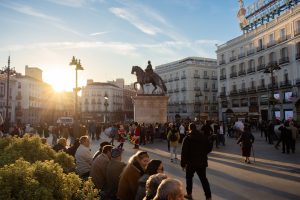
The Running of the Bulls in Pamplona, Spain, stands as one of the world’s most thrilling and culturally significant festivals. Every July, thousands of adventurous travelers flock to this historic Basque city to witness or participate in the legendary San Fermín festival, where brave runners sprint alongside massive bulls through narrow cobblestone streets. If you’re considering attending the Running of the Bulls in 2026, this comprehensive guide will provide you with everything you need to know to plan an unforgettable and safe experience.
Understanding the Running of the Bulls Tradition
The Running of the Bulls, known locally as encierro, is the centerpiece of the San Fermín festival, which honors the patron saint of Navarre. This centuries-old tradition dates back to the 14th century when cattle dealers needed to move their bulls from the outskirts of Pamplona to the bullring in the city center. Over time, young locals began running alongside the bulls as a test of courage, eventually evolving into the spectacular event we know today.
The Route and Timing
The bull run follows a predetermined 875-meter route through Pamplona’s old town, starting at the Santo Domingo corrals and ending at the Plaza de Toros bullring. The run typically lasts between two to five minutes, depending on how cooperative the bulls are on any given day. The event begins precisely at 8:00 AM every morning from July 7th through July 14th, with rockets fired to signal the start and completion of each run.
The route includes several challenging sections:
- Cuesta de Santo Domingo: A steep uphill climb where runners often stumble
- Plaza del Ayuntamiento: A wide square where bulls can spread out
- Calle Mercaderes: A narrow street creating dangerous bottlenecks
- Calle Estafeta: The longest and most famous section of the run
- Telefónica corner: A sharp turn that often causes pile-ups
- Callejón entrance: The final funnel into the bullring
Planning Your Visit for 2026
Festival Dates and Schedule
The San Fermín festival in 2026 will run from July 6th through July 14th, with the Running of the Bulls taking place every morning except the opening day. The festival officially begins at noon on July 6th with the Chupinazo, a rocket launch from the town hall balcony that signals the start of nine days of continuous celebration.
Here’s the complete schedule for the 2026 Running of the Bulls:
- July 7th (Monday) – First bull run
- July 8th (Tuesday) – Second bull run
- July 9th (Wednesday) – Third bull run
- July 10th (Thursday) – Fourth bull run
- July 11th (Friday) – Fifth bull run
- July 12th (Saturday) – Sixth bull run
- July 13th (Sunday) – Seventh bull run
- July 14th (Monday) – Final bull run
Booking Accommodations
Securing accommodation during San Fermín requires advance planning, as hotels typically book up months or even a year ahead. Prices during the festival can be 300-500% higher than normal rates, so budget accordingly. Consider these accommodation options:
Traditional Hotels
Pamplona’s historic center offers several boutique hotels and traditional establishments. Book by January 2026 for the best selection, as many hotels release their San Fermín allocations early in the year.
Vacation Rentals
Apartments and house rentals provide more space and can be cost-effective for groups. Many locals rent out their homes specifically during the festival, often requiring minimum stays of 3-7 nights.
Alternative Lodging
Consider staying in nearby towns like Estella, Tafalla, or even San Sebastián, which offer easier booking and lower prices. Regular bus and train services connect these areas to Pamplona, though expect crowded transportation during the festival.
Safety Considerations and Requirements
Official Rules for Participants
Anyone planning to run with the bulls must understand and follow strict safety regulations established by Pamplona’s city council:
- Participants must be at least 18 years old
- Running under the influence of alcohol or drugs is strictly prohibited
- Runners cannot carry cameras, backpacks, or any objects
- Stopping or hiding in doorways during the run is forbidden
- Touching, grabbing, or provoking the bulls is not allowed
- Participants must wear appropriate clothing (no sandals or loose garments)
- The route closes to new participants once the run begins
Physical Preparation and Health Considerations
Running with bulls requires excellent physical condition and mental preparation. The event involves sprinting at high speed while navigating crowds, uneven cobblestones, and potentially dangerous situations. Participants should:
- Maintain good cardiovascular fitness through regular running
- Practice quick directional changes and crowd navigation
- Familiarize themselves with the route beforehand
- Understand escape routes and safe zones along the course
- Consider purchasing travel insurance that covers extreme sports
Medical Services and Emergency Preparedness
Pamplona’s medical services are well-prepared for San Fermín, with additional ambulances, medical stations, and emergency personnel stationed along the route. However, injuries do occur regularly, ranging from minor cuts and bruises to serious trampling injuries and occasional gorings.
The local hospital, Complejo Hospitalario de Navarra, has a specialized trauma unit that operates at full capacity during the festival. Medical statistics from recent years show an average of 50-100 people seek medical attention each day during the runs, with most injuries being relatively minor.
What to Expect During Your Visit
The Festival Atmosphere
San Fermín transforms Pamplona into a 24-hour party destination. The city’s narrow medieval streets fill with revelers wearing traditional white clothing with red scarves and sashes. The atmosphere is electric, with impromptu singing, dancing, and celebrations continuing around the clock.
Beyond the bull runs, the festival features:
- Traditional Basque music and folk dancing
- Spectacular fireworks displays each night
- Religious processions honoring San Fermín
- Bullfights in the historic Plaza de Toros
- Giants and big-heads parades (gigantes y cabezudos)
- Traditional Basque sports demonstrations
- 24-hour food and drink vendors
Food and Drink Culture
San Fermín offers an excellent opportunity to experience authentic Basque cuisine. Traditional foods associated with the festival include:
Typical Festival Foods
- Pinchos: Small plates served in bars throughout the old town
- Churros con chocolate: Perfect for early morning fuel before the run
- Jamón ibérico: High-quality cured ham served throughout the region
- Idiazábal cheese: Local sheep’s milk cheese with distinctive smoky flavor
- Kalimotxo: The unofficial festival drink mixing red wine with cola
Many restaurants offer special San Fermín menus during the festival, though reservations are essential. Street food vendors provide quick options for festival-goers who want to maintain the celebration momentum.
Transportation and Getting There
International Travel to Pamplona
Pamplona doesn’t have its own international airport, so travelers typically fly into one of these nearby airports:
- Bilbao Airport (BIO): 160 kilometers away, approximately 1.5-hour drive
- Madrid-Barajas (MAD): 450 kilometers away, with direct bus and train connections
- Barcelona El Prat (BCN): 470 kilometers away, accessible by high-speed train
- Biarritz Airport (BIQ): 110 kilometers away in France, smaller but closer option
Ground Transportation Options
Once in Spain, several transportation methods can get you to Pamplona:
By Train
RENFE operates regular train services from Madrid and Barcelona to Pamplona. The high-speed AVE service from Madrid takes approximately 3.5 hours, while the journey from Barcelona requires about 5 hours with connections.
By Bus
Multiple bus companies provide service to Pamplona from major Spanish cities. Companies like ALSA offer comfortable, affordable options, though travel times are longer than trains.
By Car
Driving to Pamplona provides flexibility, but parking during San Fermín is extremely challenging. Most city center parking is restricted during the festival, and available spaces fill up quickly. Consider parking outside the city and using public transportation.
Cultural Etiquette and Festival Customs
Dress Code and Traditional Attire
Wearing traditional San Fermín attire shows respect for local customs and helps you blend in with the festival atmosphere. The standard outfit consists of:
- White pants and white shirt or t-shirt
- Red scarf (pañuelo) tied around the neck
- Red sash (faja) around the waist
- Comfortable white shoes (essential for running)
These items are available for purchase throughout Pamplona, but buying them before arrival ensures proper fit and availability. Many visitors keep their festival clothing as memorable souvenirs.
Social Customs and Respect
San Fermín is deeply rooted in Basque culture and Catholic tradition. Visitors should approach the festival with respect and understanding:
- Learn basic Spanish or Basque phrases to show cultural appreciation
- Respect religious ceremonies and processions
- Be mindful of noise levels near residential areas
- Follow local guidance regarding appropriate behavior
- Understand that bullfighting is a traditional but controversial aspect
Budget Planning and Costs
Estimated Daily Expenses
San Fermín is an expensive festival, with costs significantly higher than normal Spanish tourism. Budget travelers should expect the following approximate daily costs during the festival:
- Budget accommodation: €150-250 per night (hostels or shared rooms)
- Mid-range hotels: €400-600 per night
- Luxury accommodations: €800-1500+ per night
- Meals: €50-100 per person per day
- Drinks and entertainment: €40-80 per day
- Transportation within the city: €10-20 per day
Money-Saving Tips
To manage costs during this expensive festival:
- Book accommodations as early as possible for better rates
- Consider staying outside Pamplona and commuting daily
- Shop for groceries and eat some meals at your accommodation
- Take advantage of free events and street entertainment
- Use public transportation instead of taxis when possible
- Set a daily budget for drinks and stick to it
Alternative Activities for Non-Runners
Viewing the Bull Run
Not everyone wants to run with the bulls, and watching can be equally exciting. Popular viewing locations include:
- Town Hall balcony: Premium paid viewing with excellent vantage point
- Calle Estafeta: Free viewing from building windows and balconies
- Plaza de Toros: Watch runners and bulls enter the ring
- Television broadcasts: Local bars show live coverage with commentary
Exploring Pamplona and Surroundings
Beyond the bull runs, Pamplona offers numerous attractions:
Historical Sites
- Pamplona Cathedral with Gothic and neoclassical architecture
- Citadel of Pamplona, a star-shaped Renaissance fortress
- Plaza del Castillo, the city’s main square and social center
- Church of San Saturnino, where Saint Fermin was supposedly baptized
Museums and Culture
- Museum of Navarra showcasing regional history and art
- Hemingway Trail, following locations from “The Sun Also Rises”
- Basque pelota courts for traditional sport demonstrations
Environmental and Ethical Considerations
Animal Welfare Concerns
The Running of the Bulls and associated bullfights face increasing criticism from animal rights organizations. Many modern visitors struggle with the ethical implications of these traditions. If you’re concerned about animal welfare but still want to experience Basque culture, consider:
- Focusing on non-bullfighting aspects of the festival
- Supporting local businesses that promote sustainable tourism
- Learning about ongoing debates regarding tradition versus animal rights
- Engaging respectfully with locals about these complex cultural issues
Environmental Impact
Large festivals create significant environmental challenges. San Fermín generates substantial waste, increases carbon emissions from travel, and strains local resources. Responsible travelers can minimize their impact by:
- Using public transportation whenever possible
- Choosing eco-friendly accommodations
- Minimizing single-use items and waste
- Supporting local businesses and sustainable practices
- Participating in cleanup efforts if available
Final Preparations and Travel Tips
Essential Packing Checklist
For a successful San Fermín experience, pack these essentials:
- Traditional white clothing and red accessories
- Comfortable, closed-toe shoes suitable for running
- Sunscreen and hat for daytime events
- Portable phone charger and backup power bank
- Cash in small denominations (many vendors prefer cash)
- Basic first aid supplies
- Earplugs for sleeping despite ongoing festivities
- Quick-dry towel and basic toiletries
- Copy of important documents (passport, insurance, etc.)
Technology and Communication
Staying connected during San Fermín is important for safety and coordination:
- Download offline maps of Pamplona before arrival
- Establish meeting points with travel companions
- Research local emergency numbers and medical facilities
- Consider purchasing a local SIM card for better data coverage
- Download translation apps for easier communication
Conclusion
The Running of the Bulls 2026 promises to be another unforgettable chapter in Pamplona’s rich cultural tradition. Whether you plan to run with the bulls, watch from the sidelines, or simply soak in the incredible festival atmosphere, proper planning is essential for a safe and enjoyable experience.
Remember that San Fermín is more than just the famous bull runs—it’s a celebration of Basque culture, community spirit, and centuries of tradition. Approach the festival with respect, preparation, and an open mind, and you’ll create memories that last a lifetime.
Start planning your trip now, as the best accommodations and experiences book up quickly. Whether this is your first San Fermín or a return visit, the 2026 festival promises to deliver all the excitement, culture, and adventure that has made this event legendary worldwide. ¡Viva San Fermín!