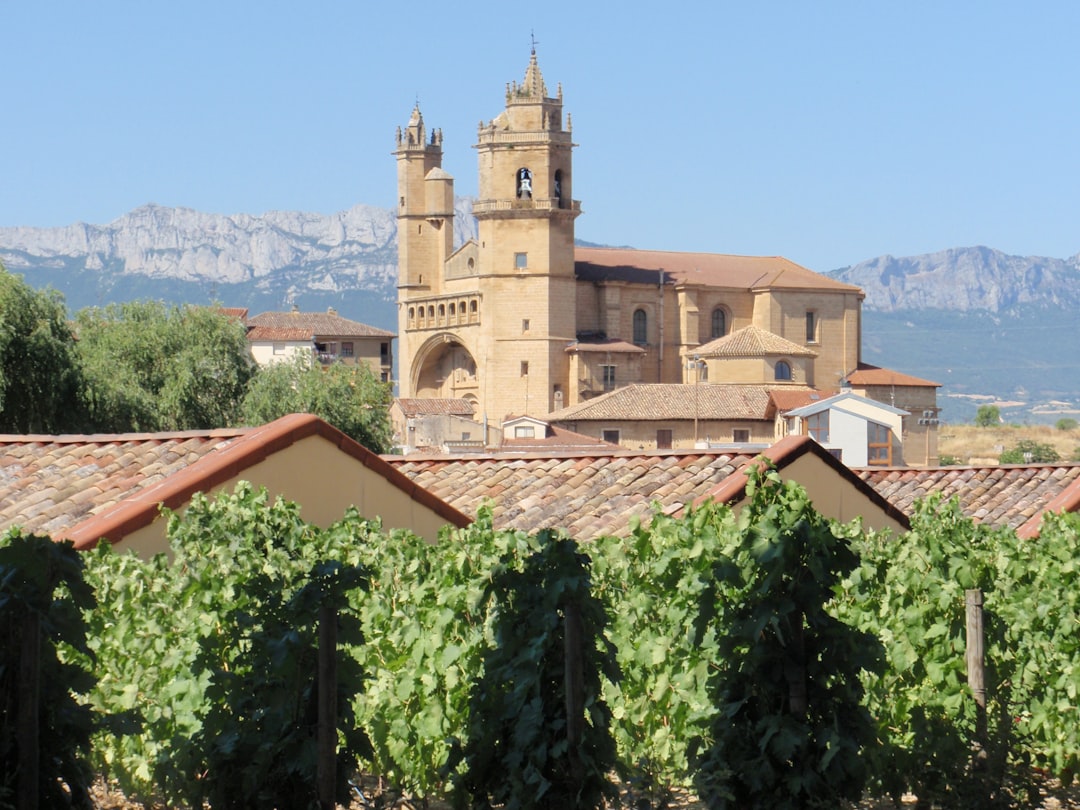
Spain stands as one of the world’s premier wine destinations, boasting an incredible diversity of grape varieties, ancient winemaking traditions, and breathtaking landscapes that create the perfect backdrop for wine tourism. With over 70 Denominaciones de Origen (DO) and countless family-run bodegas alongside innovative modern wineries, Spain offers wine enthusiasts an unparalleled journey through centuries of viticultural heritage.
As we approach 2026, Spanish wine tourism continues to evolve, incorporating sustainable practices, cutting-edge technology, and immersive experiences that go far beyond traditional tastings. Whether you’re a seasoned sommelier or a curious beginner, Spain’s wine regions offer something extraordinary for every palate and preference.
Why Spain Should Be Your Next Wine Tourism Destination
Spain’s wine industry has undergone a remarkable transformation over the past decades, earning international recognition for both traditional and innovative winemaking approaches. The country produces more wine than any other nation except France and Italy, yet it remains relatively underexplored compared to other European wine destinations, making it perfect for discovering hidden gems and authentic experiences.
The Spanish approach to wine tourism emphasizes hospitality and storytelling, where visitors don’t just taste wine but learn about the cultural heritage, family traditions, and regional customs that shape each bottle. Many bodegas offer comprehensive experiences including vineyard tours, traditional meals paired with local wines, and even opportunities to participate in harvest activities.
Additionally, Spain’s favorable climate, diverse terroir, and competitive pricing make it an attractive destination for wine lovers seeking quality experiences without the premium costs often associated with more established wine tourism markets.
Rioja: The Crown Jewel of Spanish Wine
Rioja remains Spain’s most internationally recognized wine region, and for good reason. Located in northern Spain along the Ebro River, this region has been producing exceptional wines for over a millennium. The area is divided into three sub-regions: Rioja Alta, Rioja Alavesa, and Rioja Oriental, each offering distinct characteristics and experiences.
What Makes Rioja Special
Rioja is renowned for its Tempranillo grapes, which produce elegant, age-worthy red wines with complex flavors ranging from fresh fruit to earthy, leather notes depending on aging techniques. The region’s classification system (Joven, Crianza, Reserva, and Gran Reserva) provides clear guidance for understanding wine styles and quality levels.
- Marqués de Riscal: One of the oldest wineries in Rioja, featuring Frank Gehry-designed architecture and luxury accommodations
- López de Heredia: A traditional bodega offering authentic, century-old winemaking techniques
- Bodegas Muga: Family-owned winery known for handcrafted wines and traditional oak barrel aging
- Vivanco Museum of Wine Culture: Comprehensive wine museum and cultural center
Best Time to Visit Rioja
The optimal time to visit Rioja is during harvest season (September-October) when vineyards come alive with activity, or in late spring (May-June) when the weather is pleasant and vine growth is vibrant. Summer can be quite hot, while winter offers a quieter, more intimate experience with many bodegas providing cozy indoor tastings.
Ribera del Duero: Bold Wines and Medieval Charm
Located in the heart of Castile and León, Ribera del Duero has gained international acclaim for producing some of Spain’s most powerful and prestigious red wines. The region benefits from extreme continental climate conditions and high altitude vineyards that contribute to wines with exceptional concentration and aging potential.
Signature Experiences in Ribera del Duero
Ribera del Duero offers a perfect blend of wine culture and historical significance. The medieval town of Peñafiel, dominated by its impressive castle, serves as the region’s cultural heart and houses the Provincial Wine Museum.
- Vega Sicilia: Spain’s most prestigious winery, producing legendary Único wines with decades of aging potential
- Pingus: Boutique winery creating cult status wines from old-vine Tempranillo
- Pesquera: Pioneer of modern Ribera del Duero winemaking
- Matarromera: Sustainable winery offering comprehensive enotourism experiences
Medieval Towns and Wine Routes
The region’s wine routes are perfectly integrated with historical tourism. Visitors can explore ancient monasteries, medieval fortifications, and traditional Castilian villages while sampling exceptional wines. The Ruta del Vino Ribera del Duero connects major wineries with cultural attractions, restaurants, and accommodations.
Priorat: Mineral Magic in Catalonia
Priorat, located in Catalonia’s rugged hills, represents one of Spain’s most dramatic wine regions. Known for its llicorella slate soils and steep terraced vineyards, Priorat produces intensely concentrated wines that reflect the challenging growing conditions and passionate dedication of local vintners.
Understanding Priorat’s Unique Terroir
The region’s distinctive slate and quartz soils, combined with old-vine Garnacha and Cariñena grapes, create wines with remarkable mineral complexity and depth. The dramatic landscape of terraced vineyards carved into steep hillsides provides some of the most photogenic wine country scenery in Europe.
- Clos Mogador: Pioneer of modern Priorat winemaking
- Alvaro Palacios: Innovative producer creating world-class wines from ancient vineyards
- Mas Doix: Family winery offering intimate cellar visits and tastings
- Celler Cal Pla: Biodynamic producer focused on sustainable viticulture
Village Experiences and Local Culture
Priorat’s small villages like Gratallops, Bellmunt del Priorat, and Porrera offer authentic Catalonian culture alongside exceptional wines. Many villages feature traditional cooperativas (wine cooperatives) that have been community gathering places for generations.
Rías Baixas: Albariño Paradise in Galicia
In Spain’s northwestern corner, Rías Baixas has revolutionized Spanish white wine production with its exceptional Albariño wines. This coastal region benefits from Atlantic Ocean influences, creating ideal conditions for producing crisp, aromatic white wines with remarkable freshness and minerality.
Coastal Wine Culture
Rías Baixas combines wine tourism with stunning coastal scenery, making it perfect for visitors seeking both excellent wines and beautiful landscapes. The region’s pazos (traditional Galician manor houses) often serve as unique winery settings.
- Pazo de Señoráns: Historic estate producing premium Albariño wines
- Martín Códax: Largest Albariño producer offering comprehensive visitor experiences
- Pazo Barrantes: Elegant estate owned by the Marqués de Murrieta family
- Terras Gauda: Modern winery with innovative approach to Albariño production
Seafood and Wine Pairings
Rías Baixas offers unparalleled opportunities to experience perfect wine and food pairings. Local seafood, including famous Galician oysters, octopus, and percebes (gooseneck barnacles), provides ideal matches for the region’s crisp white wines.
Jerez: Sherry and Flamenco Heritage
The Jerez region in Andalusia represents one of the world’s most unique wine cultures, centered around the production of Sherry wines using the traditional solera aging system. This area combines wine tourism with rich cultural experiences including flamenco, equestrian shows, and Moorish architectural heritage.
Understanding Sherry Styles
Jerez produces an remarkable range of Sherry styles, from bone-dry Fino and Manzanilla to rich, sweet Pedro Ximénez. Each style requires different production techniques and aging processes that visitors can observe during comprehensive bodega tours.
- González Byass: Home of Tío Pepe, offering extensive cultural programs
- Bodegas Tradición: Combines wine tourism with impressive art collections
- Lustau: Boutique producer specializing in premium aged Sherries
- Barbadillo: Historic bodega in Sanlúcar de Barrameda focusing on Manzanilla production
Cultural Integration
Jerez uniquely integrates wine tourism with broader cultural experiences. Many bodegas offer flamenco performances, traditional Andalusian cuisine, and historical tours that provide context for understanding how Sherry wine developed alongside regional culture.
Emerging Regions to Watch in 2026
Bierzo
Located in northwest Spain, Bierzo is gaining recognition for exceptional wines made from the native Mencía grape variety. The region’s slate soils and continental climate produce elegant red wines with remarkable aging potential.
Rueda
Rueda has become Spain’s premier white wine region outside of Rías Baixas, specializing in Verdejo wines that range from fresh and fruity to complex and oak-aged. The region offers excellent value and increasingly sophisticated wine tourism infrastructure.
Campo de Borja
This Aragón region is creating excitement with its old-vine Garnacha wines. Campo de Borja benefits from diverse microclimates and ancient vineyards that produce wines with exceptional concentration and character.
Planning Your Spanish Wine Tourism Adventure
Transportation and Logistics
Spain’s wine regions are well-connected by modern transportation infrastructure. Major airports in Madrid, Barcelona, and Bilbao provide convenient access to most wine regions. Renting a car offers maximum flexibility, though many regions now offer organized wine tours and public transportation options.
Accommodation Options
Spanish wine regions offer diverse accommodation options ranging from luxury wine hotels to rural guesthouses and traditional casas rurales. Many wineries now provide on-site lodging, creating immersive experiences where guests can participate in daily winery operations.
Seasonal Considerations
Each season offers unique advantages for wine tourism in Spain. Spring and fall provide ideal weather conditions and active vineyard seasons. Summer offers long days and festival activities, while winter provides intimate experiences and special holiday programs at many bodegas.
Sustainable Wine Tourism Trends for 2026
Spanish wine regions are increasingly embracing sustainable tourism practices. Many wineries now offer organic and biodynamic vineyard tours, carbon-neutral transportation options, and farm-to-table dining experiences using locally sourced ingredients.
Technology Integration
Advanced technologies are enhancing wine tourism experiences throughout Spain. Virtual reality vineyard tours, augmented reality wine labels, and smartphone apps providing detailed terroir information are becoming standard offerings at progressive wineries.
Educational Programs
Spanish wine regions are developing comprehensive educational programs for visitors at all knowledge levels. These range from basic wine appreciation courses to advanced sommelier training programs, often conducted in partnership with local culinary institutes and universities.
Essential Tips for Spanish Wine Tourism
- Book in advance: Popular wineries and restaurants require reservations, especially during peak seasons
- Learn basic Spanish wine terminology: Understanding terms like “crianza,” “reserva,” and “bodega” enhances the experience
- Designate a driver: Spain enforces strict drinking and driving laws
- Pace yourself: Spanish wine tours often include multiple tastings and large meals
- Bring appropriate clothing: Comfortable walking shoes and layers for varying temperatures
- Respect local customs: Many Spanish wineries maintain traditional schedules with afternoon breaks
Conclusion: Spain Awaits Your Discovery
Spain’s wine regions offer an extraordinary combination of world-class wines, rich cultural heritage, stunning landscapes, and warm hospitality that creates unforgettable travel experiences. Whether you’re drawn to Rioja’s elegant reds, Priorat’s mineral intensity, Rías Baixas’s fresh whites, or Jerez’s unique Sherry culture, each region provides distinct flavors and stories waiting to be discovered.
As Spanish wine tourism continues evolving with sustainable practices, technological innovations, and expanded cultural programming, 2026 promises to be an exceptional year for exploring these remarkable wine regions. The combination of traditional winemaking heritage with modern tourism infrastructure ensures that visitors can enjoy authentic experiences while benefiting from contemporary conveniences and services.
Start planning your Spanish wine adventure today – from the rolling hills of Rioja to the dramatic coastlines of Galicia, Spain’s wine regions offer journeys that satisfy both palate and spirit, creating memories that last a lifetime.