Spain’s national parks offer some of the most diverse and breathtaking landscapes in Europe, from snow-capped mountains and ancient forests to pristine coastlines and volcanic terrains. With 16 national parks protecting the country’s most precious natural heritage, planning your 2026 adventure requires careful consideration of each park’s unique offerings, seasonal conditions, and accessibility.
Whether you’re seeking challenging mountain hikes, wildlife photography opportunities, or peaceful nature retreats, Spain’s national park system provides experiences that rival any destination worldwide. This comprehensive guide will help you discover the best national parks to visit in 2026, complete with practical information, insider tips, and seasonal recommendations.
Why 2026 Is the Perfect Year to Explore Spain’s National Parks
The year 2026 presents unique opportunities for visiting Spain’s national parks. Post-pandemic infrastructure improvements have enhanced accessibility and visitor facilities, while new sustainable tourism initiatives ensure better preservation of these natural treasures. Additionally, updated trail systems, improved accommodation options, and enhanced digital resources make planning your visit more convenient than ever.
Climate considerations for 2026 also favor outdoor exploration, with meteorologists predicting favorable weather patterns that extend traditional hiking seasons. New transportation connections and upgraded park services mean you can experience these natural wonders with greater comfort and safety.
Top 10 Best National Parks in Spain for 2026
1. Picos de Europa National Park
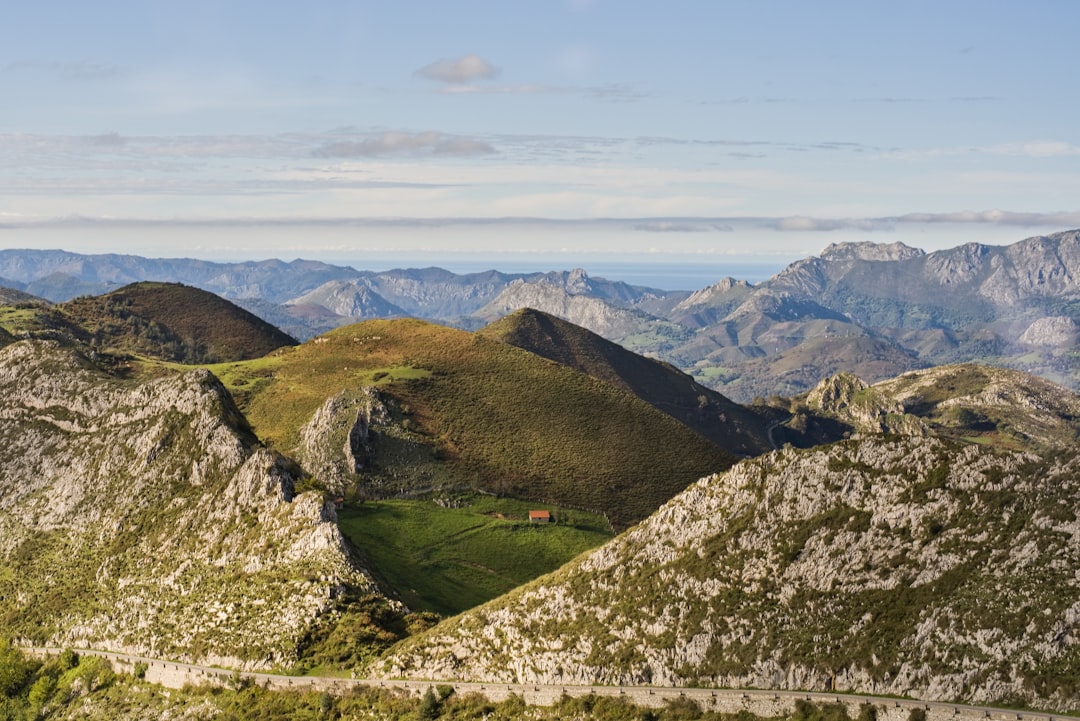
Spanning across Asturias, Cantabria, and León, Picos de Europa stands as Spain’s first national park and remains one of its most spectacular. The park’s dramatic limestone peaks, deep gorges, and pristine lakes create a landscape that captivates visitors year-round.
Best time to visit in 2026: May through October offers the most accessible conditions, with July and August providing the warmest weather for high-altitude hiking.
Key highlights:
- Naranjo de Bulnes (Picu Urriellu) – the iconic limestone monolith
- Lagos de Covadonga – stunning glacial lakes surrounded by peaks
- Cares Gorge Trail – one of Spain’s most famous hiking routes
- Traditional Asturian villages with authentic mountain culture
Activities and experiences: Rock climbing, mountaineering, wildlife watching (including brown bears and chamois), photography, and cultural exploration of traditional cheese-making villages. The park offers over 30 well-marked trails ranging from easy walks to challenging multi-day treks.
2. Doñana National Park
Located in Andalusia, Doñana represents one of Europe’s most important wetland ecosystems. This UNESCO World Heritage site serves as a crucial stopover for millions of migratory birds and hosts an incredible diversity of wildlife.
Best time to visit in 2026: Spring (March-May) and autumn (September-November) offer optimal wildlife viewing and comfortable temperatures.
Key highlights:
- Over 300 bird species including flamingos and imperial eagles
- Endangered Iberian lynx population
- Pristine beaches along the Atlantic coast
- Ancient dune systems and pine forests
Conservation focus: Doñana plays a vital role in European wildlife conservation. Visitors can participate in guided tours that support research efforts while learning about ecosystem preservation and the challenges facing Mediterranean wetlands.
3. Ordesa and Monte Perdido National Park
Nestled in the Aragonese Pyrenees, Ordesa and Monte Perdido showcases some of the most pristine mountain landscapes in Europe. The park’s dramatic canyons, waterfalls, and high-altitude plateaus create an alpine paradise for outdoor enthusiasts.
Best time to visit in 2026: June through September provides the best access to high-altitude areas, while lower elevation trails remain accessible from April to October.
Key highlights:
- Monte Perdido – third highest peak in the Pyrenees
- Ordesa Valley with its spectacular waterfalls
- Añisclo Canyon’s dramatic limestone walls
- Rich flora including endemic Pyrenean species
Hiking opportunities: The park offers trails for all skill levels, from the accessible Ordesa Valley floor walk to challenging ascents of 3,000-meter peaks. The newly renovated visitor centers provide excellent trail information and safety guidance.
4. Teide National Park
Dominating Tenerife’s landscape, Teide National Park surrounds Spain’s highest peak and showcases unique volcanic formations. This otherworldly landscape attracts visitors seeking both adventure and astronomical experiences.
Best time to visit in 2026: Year-round destination with spring and autumn offering the most comfortable hiking conditions. Winter provides excellent stargazing opportunities due to clear skies.
Key highlights:
- Mount Teide summit accessible by cable car
- Roques de García – iconic rock formations
- World-class stargazing opportunities
- Unique volcanic landscapes and lava tubes
Special experiences: The park offers internationally recognized stargazing programs, making it one of the world’s best astronomical observation sites. The cable car system has been upgraded for 2026, improving access to the summit area.
5. Aigüestortes and Estany de Sant Maurici National Park
Catalonia’s only national park, Aigüestortes presents a pristine alpine environment filled with glacial lakes, waterfalls, and towering peaks. The park’s Catalan Pyrenees location offers unique cultural and natural experiences.
Best time to visit in 2026: June through October provides optimal conditions for hiking and lake activities, with September offering particularly beautiful autumn colors.
Key highlights:
- Over 200 glacial lakes including the stunning Sant Maurici
- Dramatic granite peaks and glacial valleys
- Diverse wildlife including golden eagles and marmots
- Traditional Catalan mountain villages
Accessibility improvements: New shuttle services and improved trail marking systems make the park more accessible while maintaining its wild character. The park’s commitment to sustainable tourism sets a model for other protected areas.
6. Sierra Nevada National Park
Home to mainland Spain’s highest peaks, Sierra Nevada in Andalusia combines high-altitude wilderness with unique Mediterranean mountain ecosystems. The park’s exceptional biodiversity includes numerous endemic species found nowhere else on Earth.
Best time to visit in 2026: Late spring through early autumn for higher elevations, with lower areas accessible year-round. Ski season extends from December to April.
Key highlights:
- Mulhacén – mainland Spain’s highest peak at 3,482 meters
- Exceptional endemic flora with over 2,000 plant species
- Traditional Alpujarran villages with unique architecture
- Year-round outdoor activities from skiing to summer hiking
Biodiversity focus: The park’s unique position between Atlantic and Mediterranean influences creates remarkable species diversity. Guided botanical tours highlight endemic plants found only in these mountains.
7. Cabañeros National Park
Representing the heart of the Iberian Peninsula’s Mediterranean forest, Cabañeros in Castilla-La Mancha preserves one of the best examples of Iberian dehesa ecosystem. This landscape of oak groves and grasslands supports exceptional wildlife diversity.
Best time to visit in 2026: Spring (March-May) and autumn (September-November) offer the best wildlife viewing and comfortable temperatures for hiking.
Key highlights:
- Large populations of red deer and wild boar
- Important bird sanctuary with over 200 species
- Ancient oak forests and traditional dehesa landscapes
- Excellent photography opportunities
Wildlife experiences: The park offers guided wildlife safaris and bird-watching tours that provide intimate encounters with Iberian fauna. The fall rutting season presents spectacular opportunities to observe red deer behavior.
8. Monfragüe National Park
Located in Extremadura, Monfragüe protects one of the Mediterranean’s most important river ecosystems along the Tagus River. The park’s strategic location makes it a crucial corridor for wildlife movement and migration.
Best time to visit in 2026: Spring migration season (March-May) offers exceptional bird-watching, while autumn provides comfortable hiking conditions and fewer crowds.
Key highlights:
- Largest colony of black vultures in the world
- Impressive river gorges and granite formations
- Rich Mediterranean forest ecosystems
- Excellent hiking and cycling trails
Conservation success: Monfragüe represents one of Europe’s greatest conservation success stories, with species recovery programs that have restored healthy populations of endangered raptors and other wildlife.
9. Islas Atlánticas National Park
Comprising the Galician archipelagos of Cíes, Ons, Sálvora, and Cortegada, Islas Atlánticas protects pristine marine and terrestrial ecosystems along Spain’s Atlantic coast. These islands offer unique coastal experiences and exceptional marine biodiversity.
Best time to visit in 2026: Summer months (June-September) provide the best weather for island exploration and marine activities, though spring offers excellent bird-watching opportunities.
Key highlights:
- Pristine beaches including Rodas Beach on Cíes Islands
- Important seabird colonies and marine mammals
- Crystal-clear waters perfect for snorkeling
- Unique Atlantic coastal vegetation
Access and planning: Island access requires advance booking and is limited to protect fragile ecosystems. New booking systems for 2026 make planning easier while ensuring sustainable visitor numbers.
10. Garajonay National Park
Located on La Gomera in the Canary Islands, Garajonay preserves one of the world’s best examples of laurel forest, a remnant ecosystem from the Tertiary period. This UNESCO World Heritage site offers visitors a journey through prehistoric landscapes.
Best time to visit in 2026: Year-round destination with spring and autumn offering the most comfortable hiking conditions. The subtropical climate ensures consistent access to trails.
Key highlights:
- Ancient laurel forests dating back millions of years
- Unique endemic species found nowhere else
- Spectacular viewpoints overlooking the island
- Rich cultural heritage including traditional whistling language
Ecological significance: The park’s laurel forest represents a living fossil ecosystem that once covered much of southern Europe. Guided tours explain the forest’s evolutionary importance and conservation challenges.
Planning Your 2026 National Park Adventure
Seasonal Considerations
Each season offers unique advantages for exploring Spain’s national parks. Spring (March-May) provides mild temperatures, wildflower blooms, and active wildlife. Summer (June-August) offers the longest days and access to high-altitude areas but can be crowded in popular parks.
Autumn (September-November) delivers comfortable temperatures, stunning fall colors, and fewer crowds, making it ideal for photography and peaceful exploration. Winter (December-February) provides opportunities for snow sports in mountain parks and comfortable conditions in southern regions.
Accommodation and Access
Most Spanish national parks offer various accommodation options, from camping areas within park boundaries to luxury eco-lodges in surrounding areas. Many parks have improved their accommodation offerings for 2026, with new sustainable lodging options and enhanced camping facilities.
Transportation improvements include better public transit connections to park entrances and expanded shuttle services within parks to reduce environmental impact. Car rental remains the most flexible option for visiting multiple parks, but consider eco-friendly vehicles when available.
Permits and Reservations
Several parks require advance reservations, particularly for camping, certain trails, or island access. The Spanish National Parks system has streamlined its online booking process for 2026, making it easier to secure permits and plan your visit. Popular destinations like Picos de Europa’s cable car and Cíes Islands’ ferry service should be booked well in advance.
Essential Preparation Tips for 2026 Visits
Equipment and Gear
Proper equipment enhances both safety and enjoyment during national park visits. Essential items include:
- Hiking boots: Quality footwear suitable for varied terrain
- Weather protection: Layered clothing for changing mountain conditions
- Navigation tools: GPS devices, maps, and emergency communication
- Photography equipment: Camera gear for capturing stunning landscapes
- Environmental protection: Sunscreen, insect repellent, and first aid supplies
Safety Considerations
Spanish national parks maintain high safety standards, but visitors should prepare for wilderness conditions. Check weather forecasts, inform others of your plans, and carry emergency supplies. Many parks offer safety briefings and current condition updates through visitor centers and mobile apps.
Mountain parks can experience rapid weather changes, while coastal parks may have strong currents or tides to consider. Always follow posted guidelines and ranger recommendations for safe exploration.
Sustainable Tourism Practices
Spanish national parks emphasize sustainable tourism to preserve these natural treasures for future generations. Visitors can contribute by:
- Following Leave No Trace principles
- Using designated trails and camping areas
- Supporting local communities through responsible spending
- Participating in conservation programs when available
- Choosing eco-friendly transportation and accommodation options
Photography and Wildlife Viewing Opportunities
Spain’s national parks offer world-class opportunities for nature photography and wildlife observation. Each park provides unique subjects, from Doñana’s diverse bird life to Teide’s volcanic landscapes and Garajonay’s mystical forests.
Professional photography workshops and guided wildlife tours enhance the experience while supporting conservation efforts. Many parks have established photography blinds and viewing platforms that allow close wildlife observation without disturbance.
The golden hours around sunrise and sunset provide the best lighting for landscape photography, while early morning and late afternoon offer optimal wildlife viewing opportunities when animals are most active.
Cultural and Historical Significance
Beyond natural beauty, Spain’s national parks preserve important cultural heritage. Traditional villages, ancient trade routes, and historical sites within park boundaries tell stories of human interaction with these landscapes over millennia.
Visitor centers and guided tours explore this cultural dimension, explaining how traditional land use practices shaped current ecosystems and continue to influence conservation strategies. Many parks celebrate local festivals and cultural events that provide deeper insight into regional traditions.
Future Developments and Conservation Initiatives
Spanish national parks continue evolving to meet conservation challenges and visitor needs. Climate change adaptation strategies, habitat restoration projects, and species recovery programs demonstrate ongoing commitment to environmental protection.
New technologies enhance visitor experiences while supporting conservation goals. Mobile apps provide real-time trail information, wildlife sighting reports, and educational content. Digital interpretation tools allow deeper exploration of natural processes and conservation science.
Collaborative research programs with international institutions advance scientific understanding of these ecosystems while training the next generation of conservation professionals.
Conclusion
Spain’s national parks offer unparalleled opportunities to experience diverse natural landscapes, encounter unique wildlife, and connect with cultural heritage. From the dramatic peaks of Picos de Europa to the pristine beaches of Islas Atlánticas, each park provides distinct experiences that showcase the country’s incredible natural diversity.
Planning your 2026 national park adventure requires consideration of seasonal conditions, accommodation options, and personal interests. Whether seeking challenging mountain adventures, peaceful wildlife observation, or family-friendly exploration, Spain’s national parks deliver memorable experiences that inspire appreciation for natural conservation.
Start planning your 2026 journey today by researching specific parks that match your interests, checking reservation requirements, and preparing for the adventure of a lifetime. Spain’s national parks await with their timeless beauty and endless opportunities for discovery, offering experiences that will create lasting memories while supporting vital conservation efforts.
These protected landscapes represent Spain’s commitment to preserving natural heritage for future generations. By visiting responsibly and supporting conservation initiatives, you become part of the ongoing story of these remarkable places while experiencing some of Europe’s most spectacular natural wonders.