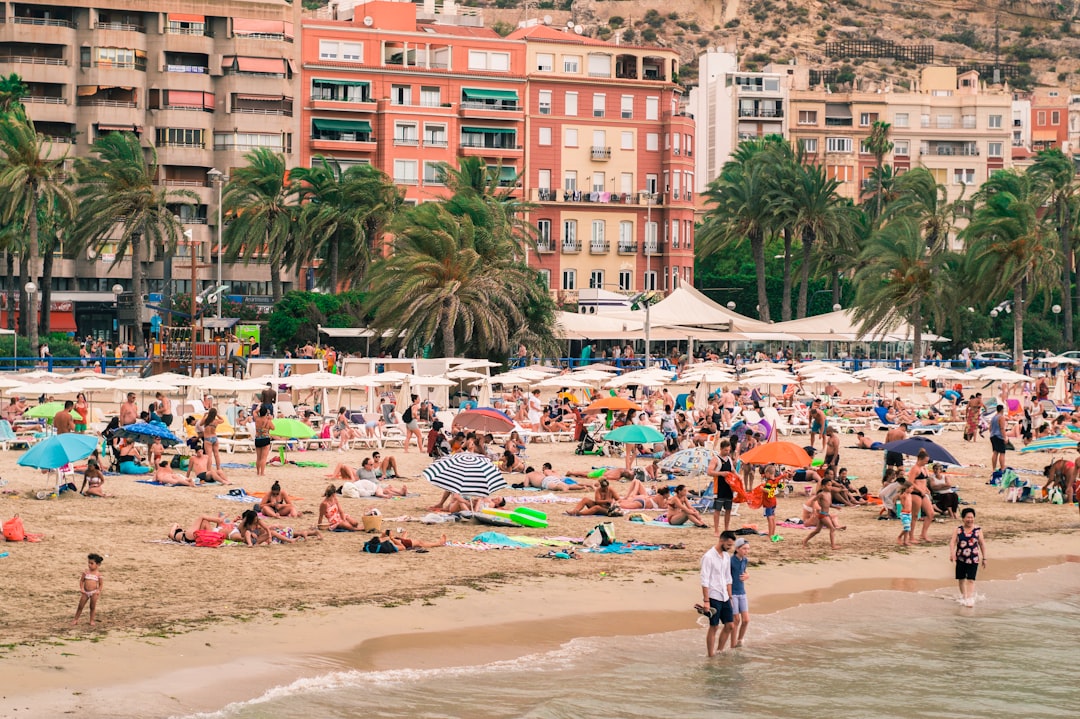
Spain welcomes over 80 million visitors annually, making it one of the world’s most popular tourist destinations. While the vast majority of travelers enjoy safe, memorable experiences exploring cities like Barcelona, Madrid, and Seville, tourists can become targets for various scams and fraudulent schemes. Understanding these common tactics and knowing how to protect yourself ensures your Spanish adventure remains both enjoyable and secure.
This comprehensive guide will walk you through the most prevalent tourist scams in Spain, provide practical prevention strategies, and equip you with the knowledge needed to navigate potential threats confidently. Whether you’re planning your first trip to Spain or you’re a seasoned traveler looking to brush up on safety awareness, this information will prove invaluable.
Why Tourists Are Targeted in Spain
Before diving into specific scams, it’s important to understand why tourists become prime targets for criminals in Spain. Several factors make visitors particularly vulnerable:
- Unfamiliarity with local customs and laws makes tourists easier to deceive
- Language barriers can prevent effective communication during suspicious situations
- Carrying valuable items like cameras, smartphones, and large amounts of cash
- Distraction and excitement from sightseeing reduces awareness of surroundings
- Predictable tourist behavior allows scammers to anticipate victim movements
Recognizing these vulnerability factors helps you maintain heightened awareness and take appropriate precautions throughout your Spanish journey.
The Most Common Tourist Scams in Spain
1. Pickpocketing and Bag Snatching
Pickpocketing remains the most widespread crime affecting tourists in Spain, particularly in crowded areas of major cities. Barcelona’s Las Ramblas, Madrid’s Puerta del Sol, and Seville’s city center are notorious hotspots for this type of theft.
How it works: Professional pickpockets often work in teams, using distraction techniques while accomplices steal valuables. Common scenarios include:
- Someone spills liquid on your clothing and offers to help clean it
- A person asks for directions while blocking your path
- Groups surround you pretending to be tourists taking photos
- Children approach asking for money or attention
- Someone drops items near you, creating a distraction
Prevention strategies:
- Use a money belt or hidden pouch for important documents and cash
- Keep only small amounts of money in easily accessible pockets
- Wear bags on your front in crowded areas
- Avoid displaying expensive jewelry, watches, or electronics
- Stay alert in tourist-heavy locations and public transportation
- Trust your instincts if situations feel suspicious
2. Fake Police Scams
This sophisticated scam involves criminals impersonating police officers to steal money and valuables from unsuspecting tourists.
How it works: Fake officers approach tourists claiming to investigate counterfeit money, drugs, or illegal activities. They demand to see identification, wallets, and bags for “inspection,” then steal cash or valuable items during the process. Sometimes they work with accomplices who pose as fellow tourists being “investigated.”
Prevention strategies:
- Real Spanish police wear official uniforms and carry proper identification
- Ask to see official police identification and badge numbers
- Request to move to the nearest police station for any official business
- Never hand over your entire wallet or passport
- Know that legitimate police rarely conduct random searches on the street
- If uncertain, ask nearby shop owners or call the tourist police directly
3. ATM and Credit Card Fraud
ATM-related scams target tourists who need to access cash or use credit cards at unfamiliar machines.
How it works: Criminals use various methods including:
- Installing skimming devices on ATM card readers
- Placing hidden cameras to record PIN entries
- Offering “help” when your card gets stuck (often after they’ve caused the problem)
- Distracting you during transactions to steal cash or cards
Prevention strategies:
- Use ATMs inside banks or well-lit, busy locations
- Cover your PIN when entering it
- Check for unusual devices or loose parts on ATMs
- Don’t accept help from strangers at ATMs
- Monitor your bank statements regularly
- Notify your bank about travel plans beforehand
4. Overcharging in Restaurants and Bars
Some establishments in tourist areas deliberately overcharge visitors or add unauthorized items to bills.
How it works: Common overcharging tactics include:
- Adding items you didn’t order to your bill
- Charging tourist prices significantly higher than local rates
- Automatically adding large service charges
- Providing expensive items without mentioning prices upfront
- Claiming credit card machines are broken to avoid receipts
Prevention strategies:
- Check menus for prices before ordering
- Ask about any additional charges or service fees
- Request itemized receipts and review them carefully
- Eat where locals dine rather than obvious tourist spots
- Learn basic Spanish phrases for ordering and pricing
- Pay attention to what servers bring to your table
5. Taxi Overcharging and Long Route Scams
Dishonest taxi drivers may attempt to overcharge tourists through various deceptive practices.
How it works: Taxi scams typically involve:
- Taking unnecessarily long routes to destinations
- Claiming meters are broken and quoting inflated flat rates
- Adding unauthorized surcharges for luggage or airport trips
- Giving incorrect change
- Refusing to turn on the meter
Prevention strategies:
- Insist on using the meter or agree on prices beforehand
- Use ride-sharing apps like Uber or Cabify when available
- Research typical fare ranges for common routes
- Ask your hotel about appropriate taxi rates
- Keep small bills for exact change when possible
- Take official taxis from designated stands
6. Flamenco and Show Ticket Scams
Street vendors and unofficial sellers often target tourists with fake or overpriced tickets to flamenco shows and other entertainment.
How it works: Scammers approach tourists offering discounted tickets to popular shows, selling either counterfeit tickets or charging excessive prices for legitimate but low-quality performances.
Prevention strategies:
- Buy tickets directly from venue box offices
- Use official ticketing websites or authorized vendors
- Research shows and venues beforehand
- Be skeptical of street vendors offering “special deals”
- Read reviews before purchasing tickets
- Ask your hotel concierge for recommendations
7. Charity and Petition Scams
Fake charity workers and petition collectors target tourists in busy areas, using emotional appeals while accomplices steal belongings.
How it works: Scammers approach tourists with clipboards, claiming to collect signatures or donations for various causes. While you’re distracted reading or signing, accomplices pickpocket your belongings.
Prevention strategies:
- Politely decline to sign petitions or donate money on the street
- Keep walking when approached by aggressive solicitors
- Secure your belongings before any interaction
- Research legitimate charities online if you want to donate
- Be particularly cautious near major tourist attractions
8. Accommodation Booking Scams
Online accommodation scams have increased with the rise of vacation rental platforms and booking websites.
How it works: Criminals create fake listings with stolen photos and attractive prices, collect payment upfront, then disappear. Victims arrive to find properties don’t exist or aren’t available for rental.
Prevention strategies:
- Use reputable booking platforms with secure payment systems
- Read reviews carefully and look for verified bookings
- Video chat with property owners when possible
- Avoid wire transfers or unusual payment methods
- Book accommodations well in advance through official channels
- Verify property addresses using street view mapping
Region-Specific Scams to Watch For
Barcelona-Specific Scams
Barcelona faces unique challenges due to its massive tourism volume and port location:
- Las Ramblas card game scams: Avoid three-card monte and shell games that are always rigged
- Beach theft: Never leave belongings unattended on Barcelona’s beaches
- Metro pickpocketing: Exercise extreme caution on Lines 1, 3, and 4
- Sagrada Família area scams: Be wary of fake tour guides and overpriced souvenirs
Madrid-Specific Scams
Madrid’s business district and tourist areas present particular risks:
- Gran Vía street performers: Some use entertainment as pickpocketing cover
- Retiro Park scams: Watch for fake petitions and charity collectors
- Airport taxi overcharging: Barajas Airport is notorious for taxi scams
- Prado Museum area: Increased pickpocketing around major attractions
Seville and Andalusia Scams
Southern Spain presents different challenges for tourists:
- Flamenco show overcharging: Particularly common in tourist areas
- Cathedral area scams: Fake tour guides and souvenir overpricing
- Horse carriage overcharging: Always agree on prices beforehand
- Tapas bar tourist menus: Inflated prices for inferior quality food
What to Do If You Become a Victim
Despite taking precautions, you might still encounter problems. Here’s how to respond effectively:
Immediate Steps
- Stay calm and don’t confront criminals directly
- Move to a safe, public location with other people around
- Contact local police by calling 091 for National Police or 092 for Local Police
- Report the incident at the nearest police station (comisaría)
- Contact your embassy or consulate if important documents were stolen
Financial Protection Steps
- Cancel credit and debit cards immediately
- Contact your bank to report unauthorized transactions
- File insurance claims if you have travel insurance
- Keep detailed records of all stolen items and their values
- Request police reports for insurance purposes
Document Replacement
If your passport or important documents are stolen:
- Contact your nearest embassy or consulate immediately
- File a police report and obtain a copy
- Prepare passport photos and proof of citizenship
- Expect processing delays and plan accordingly
- Consider emergency travel documents for urgent situations
Technology and Apps for Safety
Modern technology offers excellent tools for protecting yourself while traveling in Spain:
Essential Safety Apps
- Google Translate: Helps communicate with locals and authorities
- City mapping apps: Reduces need to ask strangers for directions
- Banking apps: Monitor accounts and freeze cards instantly
- Emergency contact apps: Store important numbers and embassy information
- Travel insurance apps: Quick access to policy information and claims
Digital Security Measures
- Use secure Wi-Fi connections or VPN services
- Enable two-factor authentication on important accounts
- Store backup copies of documents in cloud storage
- Share your itinerary with trusted contacts at home
- Keep emergency contact information easily accessible
Cultural Awareness and Local Customs
Understanding Spanish culture helps you blend in better and avoid standing out as an obvious tourist:
Dining Customs
- Spanish dinner times are typically 9-11 PM
- Tipping is not mandatory but appreciated (5-10%)
- Many restaurants close between lunch and dinner (3-8 PM)
- Lunch is the main meal, usually served 1-4 PM
Social Behaviors
- Spanish people are generally warm and helpful
- Personal space is smaller than in many other cultures
- Loud conversations in public are normal
- Siesta time (2-5 PM) affects many business hours
Emergency Contacts and Resources
Keep these important numbers readily available during your Spanish travels:
- Emergency services: 112 (universal emergency number)
- National Police: 091
- Local Police: 092
- Civil Guard: 062
- Tourist Police: Available in major cities
- Tourist Hotline: 902 102 112
Additionally, register with your embassy upon arrival and keep their contact information handy. Most embassies offer 24-hour emergency services for citizens abroad.
Conclusion
Spain remains one of the world’s safest and most rewarding travel destinations when you take appropriate precautions. By understanding common tourist scams, staying alert to your surroundings, and following the prevention strategies outlined in this guide, you can significantly reduce your risk of becoming a victim.
Remember that awareness is your best defense against scammers and criminals. Trust your instincts, maintain a healthy skepticism toward unsolicited offers or interactions, and don’t hesitate to seek help from legitimate authorities when needed.
The vast majority of your interactions in Spain will be positive, and locals are generally helpful and welcoming to visitors. By preparing yourself with this knowledge and maintaining sensible precautions, you can focus on enjoying Spain’s incredible culture, cuisine, history, and natural beauty.
Safe travels, and enjoy your Spanish adventure with confidence knowing you’re well-prepared to handle any challenges that might arise. The memories you create will last a lifetime, and with proper preparation, they’ll all be positive ones.