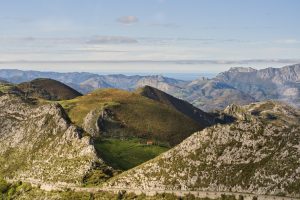
The Basque Country stands as one of Europe’s most captivating destinations, where ancient traditions seamlessly blend with cutting-edge culture. This unique region, straddling the border between Spain and France, offers visitors an extraordinary combination of world-class gastronomy, stunning architecture, pristine beaches, and rich cultural heritage. As we look ahead to 2026, both San Sebastián and Bilbao continue to evolve while maintaining their distinctive Basque identity.
Whether you’re a foodie seeking Michelin-starred experiences, an art enthusiast drawn to world-renowned museums, or an adventurer looking for coastal beauty and mountain landscapes, the Basque Country delivers an unforgettable travel experience. This comprehensive guide will help you navigate the best of what San Sebastián and Bilbao have to offer in 2026.
Why Visit the Basque Country in 2026?
The Basque Country has emerged as one of Europe’s premier travel destinations, and 2026 promises to be an exceptional year to visit. Several factors make this timing particularly advantageous:
- Culinary Renaissance: The region continues to lead the global gastronomic scene with new restaurant openings and innovative culinary experiences
- Infrastructure Improvements: Recent transportation upgrades make travel between cities more convenient than ever
- Cultural Events: 2026 features numerous festivals and cultural celebrations showcasing Basque traditions
- Sustainable Tourism Initiatives: Both cities have implemented eco-friendly tourism programs
- Seasonal Balance: New crowd management strategies ensure better experiences throughout the year
San Sebastián: The Culinary Capital
San Sebastián, known locally as Donostia, captivates visitors with its perfect crescent-shaped bay, Belle Époque architecture, and unparalleled culinary scene. This elegant coastal city has earned international recognition as a gastronomic powerhouse while maintaining its relaxed, sophisticated atmosphere.
Top Attractions in San Sebastián
La Concha Beach remains San Sebastián’s crown jewel. This pristine urban beach offers calm waters perfect for swimming, backed by the elegant Paseo de la Concha promenade. The beach’s unique shell shape provides natural protection from Atlantic swells, making it ideal for families and leisurely beach days.
Parte Vieja (Old Town) pulses with life as the heart of San Sebastián’s social scene. Navigate narrow cobblestone streets lined with traditional pintxos bars, historic churches, and charming boutiques. The Plaza de la Constitución, once a bullring, now serves as the old town’s central gathering place.
Monte Urgull provides panoramic views of the city and bay. Hike to the summit to explore the Castillo de la Mota and the iconic Sagrado Corazón statue. The mountain also houses the San Sebastián History Museum, offering insights into the city’s maritime heritage.
Kursaal Congress Centre showcases contemporary Basque architecture with its striking glass cube design by Rafael Moneo. Beyond hosting conferences and events, the building has become an architectural landmark representing modern San Sebastián.
San Sebastián’s Legendary Food Scene
San Sebastián boasts the highest concentration of Michelin stars per capita in the world, making it a pilgrimage destination for food enthusiasts. The city’s culinary landscape spans from casual pintxos bars to avant-garde restaurants pushing gastronomic boundaries.
Pintxos Culture: Experience authentic Basque social dining by hopping between traditional bars. Each establishment specializes in particular pintxos, encouraging visitors to move between venues. Popular spots include Bar Nestor for tortilla, La Cuchara de San Telmo for innovative creations, and Gandarias for traditional offerings.
Michelin-Starred Restaurants: San Sebastián’s fine dining scene features legendary establishments like Arzak, Akelarre, and Martín Berasategui. These restaurants showcase New Basque Cuisine, blending traditional techniques with modern innovation. Reservations require advance planning, often several months ahead.
Local Markets: Visit La Bretxa Market for fresh local produce, artisanal cheeses, and specialty products. The market provides insight into Basque ingredients and offers opportunities to interact with local vendors.
Where to Stay in San Sebastián
Luxury Options: Hotel de Londres y de Inglaterra offers beachfront elegance with Belle Époque charm. Villa Favorita provides boutique luxury in a restored 19th-century mansion. These properties combine historic character with modern amenities.
Mid-Range Hotels: Hotel Niza delivers excellent value with bay views and central location. Pensión Altair offers modern comfort in the old town. These options provide quality accommodations without premium pricing.
Budget-Friendly Stays: Albergue Juvenil features clean, affordable dormitory-style accommodations. Several well-located hostels provide budget options while maintaining quality standards.
Day Trips from San Sebastián
Getaria: This charming coastal village (30 minutes by car) offers excellent seafood, particularly grilled fish, and the Balenciaga Museum celebrating the famous fashion designer’s legacy.
Hondarribia: Explore this fortified town near the French border, known for its colorful houses, medieval walls, and excellent restaurants specializing in local cuisine.
French Basque Country: Cross the border to visit Biarritz and Saint-Jean-de-Luz, experiencing the French interpretation of Basque culture and cuisine.
Bilbao: Industrial Heritage Meets Modern Art
Bilbao exemplifies successful urban transformation, evolving from an industrial port city to a vibrant cultural metropolis. The city’s renaissance, sparked by the Guggenheim Museum’s opening in 1997, continues to attract visitors seeking world-class art, innovative architecture, and authentic Basque experiences.
Must-See Attractions in Bilbao
Guggenheim Museum Bilbao stands as the city’s most iconic attraction. Frank Gehry’s architectural masterpiece houses rotating exhibitions of contemporary art alongside permanent installations. The building itself serves as a work of art, with its titanium-clad curves reflecting light and changing throughout the day.
Casco Viejo (Old Quarter) preserves Bilbao’s historic character with narrow streets, traditional shops, and centuries-old architecture. The area centers around the Gothic Cathedral of Santiago and includes numerous pintxos bars and local boutiques. The weekly market at Plaza Nueva provides authentic local atmosphere.
Bilbao Fine Arts Museum complements the Guggenheim with an impressive collection spanning from medieval art to contemporary works. The museum particularly excels in Basque and Spanish art, offering cultural context often missing from international collections.
Puppy by Jeff Koons guards the Guggenheim entrance as a beloved landmark. This massive topiary sculpture, covered in flowering plants, has become synonymous with Bilbao’s artistic renaissance and provides a popular photo opportunity.
Zubizuri Bridge represents Santiago Calatrava’s architectural vision with its white arch design spanning the Nervión River. The bridge connects the old city with modern districts and offers excellent views of Bilbao’s evolving skyline.
Bilbao’s Neighborhoods
Abando: The business district houses the Guggenheim Museum, upscale shopping areas, and modern hotels. This area showcases Bilbao’s contemporary face while maintaining easy access to cultural attractions.
Indautxu: This residential neighborhood offers authentic local life with neighborhood bars, small shops, and the impressive Doña Casilda Iturrizar Park. The area provides a more intimate Bilbao experience away from tourist crowds.
Deusto: The university district brings youthful energy with student bars, affordable restaurants, and cultural venues. The area offers budget-friendly accommodations and a vibrant nightlife scene.
Bilbao’s Culinary Scene
While perhaps overshadowed by San Sebastián’s fame, Bilbao offers exceptional dining experiences rooted in traditional Basque cuisine with industrial-era influences.
Traditional Specialties: Sample bacalao al pil pil (cod in olive oil and garlic sauce), marmitako (tuna and potato stew), and txuleta (grilled ribeye steak). These dishes reflect Bilbao’s working-class heritage and maritime connections.
Modern Basque Cuisine: Restaurants like Nerua at the Guggenheim and Etxanobe showcase contemporary interpretations of Basque classics. These establishments maintain strong connections to local ingredients while embracing innovative techniques.
Pintxos Culture: Explore the old quarter’s pintxos scene, where bars like Café Iruña and El Globo serve both traditional and creative small plates. Bilbao’s pintxos tend to be heartier than San Sebastián’s, reflecting the city’s industrial character.
Where to Stay in Bilbao
Luxury Hotels: Hotel Carlton offers historic elegance in the city center. Gran Hotel Domine provides modern luxury with Guggenheim views and contemporary design that complements the museum’s aesthetic.
Boutique Options: Silken Indautxu Hotel combines comfort with local character. Hotel Miró features art-inspired design and excellent location near major attractions.
Budget Accommodations: Pensión Méndez provides clean, affordable rooms in the old quarter. Several hostels offer budget-friendly options with social atmospheres perfect for meeting fellow travelers.
Getting Around the Basque Country
Transportation Between Cities
By Train: Euskotren connects San Sebastián and Bilbao with regular service taking approximately 2.5 hours. The scenic journey passes through small Basque towns and countryside, providing glimpses of traditional architecture and landscapes.
By Bus: PESA operates frequent bus services between the cities, offering a faster alternative at about 1.5 hours. Buses provide comfortable seating and air conditioning, making them popular with both locals and tourists.
By Car: Renting a car provides maximum flexibility for exploring smaller towns and rural areas. The A-8 autopista connects both cities efficiently, though tolls apply. Driving allows access to coastal villages and mountain regions difficult to reach by public transport.
Local Transportation
San Sebastián: The city’s compact size makes walking the preferred method for most attractions. Public buses serve outlying areas, and the Donosticard provides discounts on transport and attractions.
Bilbao: The modern metro system efficiently connects major attractions and neighborhoods. Trams serve the city center, and an extensive bus network reaches all areas. The Barik card offers convenient payment for all public transport.
When to Visit the Basque Country
Seasonal Considerations
Spring (March-May): Mild temperatures and fewer crowds make spring ideal for sightseeing and cultural activities. Restaurants begin outdoor seating, and hiking conditions improve in surrounding mountains.
Summer (June-August): Peak season brings warm weather perfect for beaches but also largest crowds and highest prices. Book accommodations well in advance. Numerous festivals occur during summer months.
Fall (September-November): Excellent weather continues through September with fewer tourists. October brings beautiful autumn colors to the countryside. Restaurant harvest menus showcase seasonal ingredients.
Winter (December-February): Mild temperatures make winter visits pleasant, though rain increases. Museums and restaurants maintain full schedules. Hotel rates reach their lowest, making it budget-friendly.
Festival Calendar 2026
San Sebastián Film Festival (September): This prestigious international film festival transforms the city into a cinema lover’s paradise with premieres, screenings, and celebrity appearances.
Semana Grande (August): Both cities celebrate their major summer festivals with fireworks, concerts, traditional sports, and cultural events spanning entire weeks.
Santo Tomás (December): Traditional winter festivals feature local products, especially cheese and txakoli wine, along with folk music and dancing in both cities.
Practical Travel Tips
Language and Culture
While Spanish is widely spoken, learning a few Basque (Euskera) phrases enhances cultural appreciation. Most tourism professionals speak English, but basic Spanish proves helpful in smaller establishments. Basque culture values punctuality and respect for traditions.
Money and Costs
The Euro is the official currency. Credit cards are widely accepted, though some small bars and markets prefer cash. Tipping is not obligatory but rounding up bills or leaving 5-10% for exceptional service is appreciated.
Safety and Health
Both cities maintain excellent safety records with low crime rates. Standard European travel precautions suffice. Healthcare is excellent, and EU citizens should carry European Health Insurance Cards.
Sustainable Travel in the Basque Country
The Basque Country leads Spain in sustainable tourism initiatives. Both cities have implemented programs to reduce environmental impact while preserving cultural authenticity.
Eco-Friendly Practices
- Use public transportation and walking to reduce carbon footprint
- Choose locally-owned accommodations and restaurants
- Respect natural areas and follow Leave No Trace principles
- Support local artisans and producers
- Participate in cultural activities that preserve Basque traditions
Planning Your Basque Country Itinerary
3-Day Itinerary
Day 1: Arrive in San Sebastián, explore the old town, enjoy pintxos dinner
Day 2: Beach time at La Concha, visit Monte Urgull, fine dining experience
Day 3: Travel to Bilbao, visit Guggenheim Museum, explore Casco Viejo
7-Day Itinerary
A week allows deeper exploration of both cities plus day trips to coastal villages, French Basque Country, or Rioja wine region. Include cooking classes, cultural workshops, and hiking excursions for comprehensive experiences.
Conclusion
The Basque Country offers an unparalleled travel experience combining culinary excellence, cultural richness, and natural beauty. San Sebastián and Bilbao each provide distinct yet complementary experiences – San Sebastián’s refined elegance and gastronomic prowess paired with Bilbao’s industrial heritage and artistic renaissance.
As you plan your 2026 visit, consider the seasonal variations, book accommodations and restaurants in advance, and prepare to immerse yourself in one of Europe’s most unique cultures. Whether you’re savoring pintxos in a centuries-old bar, admiring contemporary art in world-class museums, or simply strolling along pristine beaches, the Basque Country promises memories that will last a lifetime.
Start planning your Basque Country adventure today, and discover why this remarkable region continues to captivate travelers from around the world. The combination of tradition and innovation, natural beauty and cultural sophistication, makes every visit to the Basque Country an extraordinary journey of discovery.