Florence serves as the perfect gateway to Tuscany’s breathtaking landscapes, medieval towns, and world-renowned wine regions. While the Renaissance city itself deserves several days of exploration, the surrounding countryside offers countless opportunities for unforgettable day trips that showcase the very best of Italian culture, history, and natural beauty.
Whether you’re drawn to rolling vineyards dotted with cypress trees, ancient hilltop villages frozen in time, or coastal towns with crystalline waters, Tuscany’s diverse offerings ensure every traveler finds their perfect escape. This comprehensive guide presents the most rewarding day trips from Florence, complete with practical transportation advice, must-see attractions, and insider tips to maximize your Tuscan adventure.
Planning Your Tuscany Day Trip: Essential Considerations
Before diving into specific destinations, successful day trip planning requires understanding several key factors that will enhance your experience and ensure smooth travels throughout the region.
Transportation Options
Rental Car: Offers maximum flexibility and access to remote locations, though navigating narrow medieval streets and finding parking can be challenging in popular destinations.
Public Transportation: Trains and buses connect Florence to major towns efficiently and affordably, though smaller villages may require multiple connections or have limited schedules.
Guided Tours: Eliminate transportation concerns while providing expert commentary, though they offer less flexibility for spontaneous exploration.
Private Drivers: Combine convenience with personalization, allowing customized itineraries without driving stress, albeit at higher costs.
Optimal Timing
Most destinations work well year-round, though spring (April-May) and fall (September-October) offer ideal weather conditions, fewer crowds, and stunning natural colors. Summer brings longer daylight hours but also peak tourist seasons and higher temperatures.
Siena: Gothic Splendor and Medieval Charm
Just 90 minutes south of Florence by train or car, Siena ranks among Italy’s most perfectly preserved medieval cities. This UNESCO World Heritage site captivates visitors with its distinctive red-brick architecture, winding cobblestone streets, and the magnificent Piazza del Campo.
Must-Visit Attractions
Piazza del Campo: This shell-shaped main square hosts the famous Palio horse race twice yearly and features the striking Palazzo Pubblico and Torre del Mangia, offering panoramic views after climbing 400+ steps.
Siena Cathedral (Duomo): A masterpiece of Italian Gothic architecture featuring intricate marble floors, Bernini sculptures, and works by Michelangelo and Donatello. The attached Piccolomini Library showcases stunning Renaissance frescoes.
Historic Neighborhoods: Explore the city’s three historic districts (terzi), each with distinct characteristics and local pride, particularly evident during Palio preparations.
Transportation and Timing
Regular trains depart Florence’s Santa Maria Novella station every 30-60 minutes, requiring one change in Empoli (total journey: 90 minutes). Direct buses operated by Tiemme take approximately 75 minutes. Plan 6-8 hours for comprehensive exploration, including cathedral visits and leisurely meals.
San Gimignano: Manhattan of the Middle Ages
Rising dramatically from Tuscany’s hills, San Gimignano’s famous medieval towers create one of Italy’s most recognizable skylines. This remarkably well-preserved town offers authentic medieval atmosphere alongside world-class gelato and local Vernaccia wine.
Key Highlights
Torre Grossa: Climb the tallest remaining tower (54 meters) for breathtaking panoramic views across the Val d’Elsa countryside and distant mountains.
Collegiate Church (Duomo): Despite modest exterior appearance, the interior dazzles with vibrant frescoes depicting biblical scenes, including works by Ghirlandaio and Bartolo di Fredi.
Palazzo del Popolo and Civic Museum: Houses important artwork and provides historical context for understanding medieval civic life and the town’s former prosperity.
Vernaccia Wine Tasting: Sample the local white wine at family-run enotecas while enjoying traditional Tuscan appetizers and learning about centuries-old winemaking traditions.
Getting There
No direct train service requires traveling via Poggibonsi (1 hour from Florence), then taking a connecting bus (20 minutes). Alternatively, organized tours or rental cars provide more direct access through scenic countryside roads.
Chianti Wine Region: Vineyards and Medieval Villages
The internationally renowned Chianti Classico region between Florence and Siena offers quintessential Tuscan scenery: rolling hills covered with vineyards, ancient olive groves, and charming stone farmhouses topped with terracotta roofs.
Recommended Stops
Greve in Chianti: The unofficial capital features an atmospheric triangular piazza surrounded by porticoes, hosting weekly markets and numerous wine shops representing local producers.
Castello di Verrazzano: This historic winery offers guided tours and tastings in beautiful surroundings, combining wine education with spectacular countryside views.
Radda in Chianti: A perfectly preserved hilltop village maintaining authentic medieval character, with ancient walls, narrow streets, and family-run restaurants serving traditional cuisine.
Castello di Brolio: One of Chianti’s most important wine estates, featuring castle tours, extensive cellars, and comprehensive tastings of their acclaimed wines.
Planning Your Wine Route
Rental cars provide optimal flexibility for exploring multiple wineries and villages at your own pace. Many estates require advance reservations for tours and tastings. Consider designating a non-drinking driver or booking organized wine tours with transportation included.
Pisa: Beyond the Leaning Tower
While most visitors focus solely on the famous Leaning Tower, Pisa offers much more, including impressive Romanesque architecture, vibrant university atmosphere, and fascinating maritime history as a former powerful republic.
Essential Sights
Piazza dei Miracoli (Square of Miracles): This UNESCO World Heritage site contains four architectural masterpieces: the Cathedral, Baptistry, Cemetery, and of course, the Leaning Tower. Each structure showcases distinctive Pisan Romanesque style.
Cathedral and Baptistry: Often overshadowed by the tower, these buildings feature remarkable architecture, artwork, and acoustic properties that create extraordinary sound effects.
Historical Center: Stroll along the Arno River, explore the university quarter, and discover authentic restaurants away from tourist crowds.
Transportation
Frequent trains connect Florence to Pisa Centrale in just one hour, making this an extremely accessible day trip. The historic center is walkable from the station, or local buses provide quick transportation to the Leaning Tower area.
Lucca: Renaissance Walls and Musical Heritage
Encircled by perfectly preserved Renaissance walls that now serve as an elevated park, Lucca combines historical significance with contemporary vibrancy. This charming city birthplace of composer Puccini offers unique attractions and authentic local culture.
Top Attractions
City Walls: Walk or bike the complete 4-kilometer circuit atop the 16th-century fortifications, enjoying elevated views of red-roofed buildings, gardens, and surrounding countryside.
Piazza dell’Anfiteatro: Built within the remains of an ancient Roman amphitheater, this oval piazza features colorful buildings, outdoor cafes, and unique architectural harmony.
Torre Guinigi: Climb this 14th-century tower crowned with oak trees for panoramic city views and the unusual experience of being among treetops 44 meters above ground.
San Martino Cathedral: Houses important religious art, including works by Tintoretto and the revered Volto Santo crucifix, drawing pilgrims for centuries.
Getting There
Direct trains from Florence reach Lucca in 80 minutes, running approximately hourly throughout the day. The compact historic center is easily explored on foot, though bicycle rentals offer a popular alternative for covering more ground efficiently.
Volterra: Etruscan Heritage and Alabaster Craftsmanship
Perched dramatically on a hilltop plateau, Volterra combines 3,000 years of history with contemporary artisan traditions. This atmospheric town offers authentic medieval ambiance, Etruscan archaeological treasures, and world-renowned alabaster workshops.
Must-See Highlights
Etruscan Museum: Houses one of Italy’s finest collections of Etruscan artifacts, including funerary urns, jewelry, and the famous bronze statue “Shadow of the Evening.”
Roman Theater: Well-preserved ruins dating to the 1st century BC, offering insight into ancient entertainment and social life, with ongoing archaeological excavations revealing new discoveries.
Alabaster Workshops: Visit family-run studios where artisans continue centuries-old traditions, creating beautiful sculptures, lamps, and decorative objects from locally quarried alabaster.
Palazzo dei Priori: Italy’s oldest town hall (1208) features impressive architecture and houses important civic artwork, while its tower provides excellent city views.
Transportation Considerations
Volterra requires careful planning as public transportation involves multiple connections and limited schedules. Most visitors choose organized tours or rental cars to navigate the winding mountain roads efficiently.
Montepulciano: Noble Wine and Renaissance Architecture
Crowning a ridge at 605 meters above sea level, Montepulciano captivates visitors with elegant Renaissance palaces, medieval churches, and exceptional Vino Nobile wine. This “Pearl of the 16th Century” offers sophisticated culture and breathtaking countryside vistas.
Key Attractions
Palazzo Comunale: Inspired by Florence’s Palazzo Vecchio, this town hall offers panoramic views from its tower across the Val di Chiana and Val d’Orcia landscapes.
Tempio di San Biagio: Considered one of Renaissance architecture’s masterpieces, this pilgrimage church showcases perfect proportions and harmonious design in a pastoral setting.
Underground Wine Cellars: Explore historic cantinas carved into volcanic rock, where traditional winemaking methods produce the celebrated Vino Nobile di Montepulciano.
Corso (Main Street): This elegant thoroughfare lined with Renaissance palaces, antique shops, and wine bars perfectly captures the town’s sophisticated atmosphere.
Val d’Orcia: UNESCO Landscape and Hilltop Towns
This UNESCO World Heritage landscape represents the quintessential Tuscan countryside immortalized in countless photographs: rolling hills, cypress-lined roads, isolated farmhouses, and perfectly positioned medieval towns.
Recommended Villages
Pienza: Pope Pius II’s “ideal Renaissance city” features harmonious architecture, excellent pecorino cheese, and stunning valley views from city walls.
Montalcino: Home to Brunello wine, this hilltop fortress town offers wine tastings, medieval atmosphere, and panoramic countryside vistas.
Bagno Vignoni: Famous for its thermal springs and unique medieval piazza filled with hot spring water instead of pavement, creating an otherworldly atmosphere.
Photography and Scenic Drives
The region offers countless photo opportunities, particularly along the SR2 Via Cassia and secondary roads connecting hilltop villages. Early morning and late afternoon provide optimal lighting for capturing the landscape’s ethereal beauty.
Cinque Terre: Coastal Villages and Mediterranean Beauty
Though requiring a longer journey (2.5-3 hours each way), the five coastal villages of Cinque Terre offer a dramatically different Tuscan experience with dramatic clifftop settings, colorful houses, and Mediterranean charm.
Village Highlights
Monterosso al Mare: The largest village with proper beaches, medieval old town, and excellent restaurants specializing in fresh seafood and local wines.
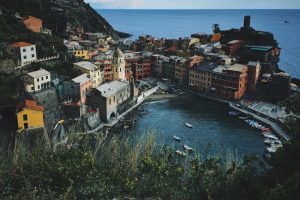
Vernazza: Often considered the most picturesque, featuring a small harbor, medieval castle ruins, and dramatic coastal views from elevated terraces.
Corniglia: Perched 100 meters above sea level, accessible only by steep stairs or shuttle bus, offering spectacular panoramic views and authentic local atmosphere.
Manarola and Riomaggiore: Connected by the famous Via dell’Amore (when open), these villages showcase traditional architecture and terraced vineyard landscapes.
Transportation and Planning
Take an early train from Florence to La Spezia (2.5 hours), then the local Cinque Terre train connecting all five villages. Purchase the Cinque Terre Card for unlimited train travel and hiking trail access. Plan for a full day to properly explore multiple villages.
Arezzo: Antiques and Artistic Treasures
This prosperous city combines Etruscan origins with medieval and Renaissance development, creating a layered historical experience. Famous for monthly antique markets and important artistic treasures, Arezzo offers authentic Tuscan urban culture away from tourist crowds.
Main Attractions
Basilica of San Francesco: Houses Piero della Francesca’s masterwork fresco cycle “Legend of the True Cross,” considered among Renaissance painting’s greatest achievements.
Piazza Grande: This sloping medieval square hosts the monthly Antique Fair and features diverse architectural styles spanning several centuries.
Cathedral and Diocesan Museum: Contains important artwork including stained glass windows by Guillaume de Marcillat and Piero della Francesca’s “Magdalene.”
Cortona: Etruscan Walls and “Under the Tuscan Sun” Fame
Perched on hillsides overlooking the Chiana Valley, Cortona gained international recognition through Frances Mayes’ memoir “Under the Tuscan Sun.” Beyond literary fame, this ancient city offers genuine Etruscan heritage, medieval architecture, and spectacular countryside views.
Notable Sights
MAEC (Museum of Etruscan Academy): Displays exceptional Etruscan artifacts, including the famous bronze chandelier and numerous archaeological treasures illustrating ancient civilization.
Santa Margherita Sanctuary: Reached by steep streets or city bus, this hilltop church offers panoramic views across Lake Trasimeno and the Chiana Valley.
Piazza della Repubblica: The heart of civic life, surrounded by medieval buildings, cafes, and shops selling local crafts and regional products.
Practical Tips for Day Trip Success
Advance Planning
Reservations: Book winery visits, restaurant tables, and museum entries in advance, especially during peak seasons and weekends.
Weather Contingencies: Prepare for variable weather conditions, particularly in hilltop locations where temperatures can be significantly cooler than Florence.
Opening Hours: Verify attraction and restaurant opening times, as many businesses close for afternoon riposo periods or on specific weekdays.
Cultural Sensitivity
Dress Codes: Modest attire is required for church visits, including covered shoulders and long pants or skirts.
Meal Timing: Restaurants typically serve lunch 12:30-2:30 PM and dinner 7:30-10:00 PM, with limited options available between service periods.
Local Customs: Learn basic Italian phrases and observe local etiquette to enhance interactions with residents and shopkeepers.
Seasonal Considerations and Special Events
Spring (March-May)
Ideal weather conditions with blooming landscapes, comfortable temperatures, and fewer crowds. Many festivals and outdoor events begin, though some mountain areas may still experience occasional cool weather.
Summer (June-August)
Peak tourist season with longest daylight hours but also highest temperatures and largest crowds. Many towns host summer festivals, outdoor concerts, and extended museum hours.
Autumn (September-November)
Harvest season offers wine festivals, truffle hunting, and spectacular foliage colors. Comfortable temperatures and fewer tourists create ideal exploration conditions.
Winter (December-February)
Quieter period with shorter days and cooler temperatures, but also authentic local atmosphere, seasonal festivals, and cozy indoor dining experiences.
Budget-Friendly Day Trip Strategies
Transportation Savings
Group train tickets, advance booking discounts, and regional pass options can significantly reduce transportation costs. Consider combining multiple destinations in single trips when geographically practical.
Meal Planning
Pack picnic lunches for countryside excursions, take advantage of aperitivo offerings with complimentary snacks, and seek out local trattorie away from main tourist areas for authentic, affordable dining.
Free Attractions
Many churches, outdoor markets, scenic viewpoints, and historic town centers offer exceptional experiences without admission fees. Walking tours and hiking trails provide budget-friendly exploration options.
Tuscany’s diverse landscape and rich cultural heritage ensure every day trip from Florence reveals new treasures and creates lasting memories. Whether you’re drawn to medieval hilltop towns, world-class wineries, coastal beauty, or artistic masterpieces, the region’s compact geography allows comprehensive exploration while returning to Florence’s comfortable accommodations each evening.
The key to successful day tripping lies in matching destinations to personal interests, allowing adequate time for meaningful exploration rather than rushing between multiple locations, and remaining flexible enough to discover unexpected delights along the way. Each journey beyond Florence’s city limits opens new chapters in understanding Tuscany’s enduring appeal and timeless beauty.
Start planning your Tuscan adventures today, and prepare to be captivated by landscapes, culture, and experiences that have enchanted travelers for centuries. Whether you choose wine country roads, coastal cliff paths, or medieval village streets, unforgettable discoveries await just beyond Florence’s ancient walls.