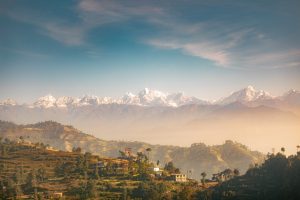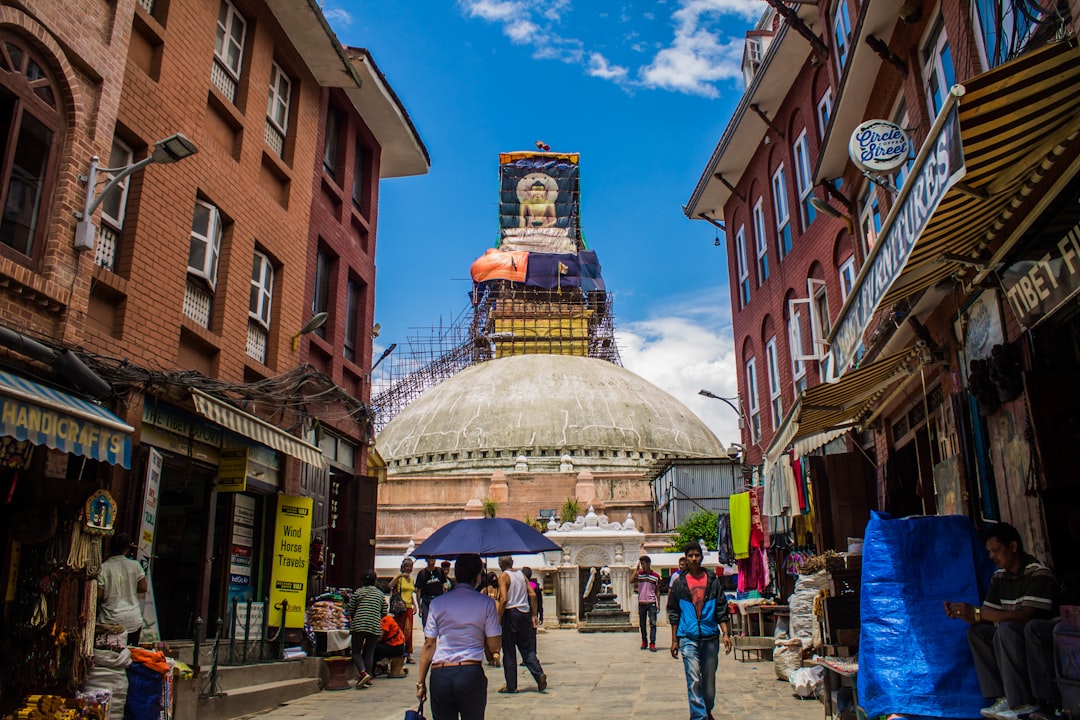
Planning a trip to Nepal? You’re in for an absolute treat! This incredible Himalayan nation offers everything from world-class trekking and mountaineering to rich cultural experiences and spiritual journeys. But here’s the thing – timing your visit can make or break your Nepalese adventure. Don’t worry though, I’ve got you covered with everything you need to know about when to visit this amazing country.
Nepal’s diverse geography creates distinct climate zones, each with its own personality and appeal. Whether you’re dreaming of crystal-clear mountain views, vibrant festivals, or simply want to avoid the crowds, understanding Nepal’s seasonal rhythms will help you plan the perfect trip.
Understanding Nepal’s Climate and Geography
Before diving into the best times to visit, let’s get familiar with Nepal’s unique geography. This landlocked country is roughly the size of Arkansas but packs incredible diversity into its borders. From the tropical Terai plains in the south to the towering Himalayas in the north, Nepal experiences dramatic climate variations within relatively short distances.
The Three Main Climate Zones
Terai Region (Southern Plains): Hot and humid with tropical weather year-round. This area experiences temperatures that can soar above 40°C (104°F) in summer.
Hill Region (Middle Mountains): Temperate climate with mild summers and cool winters. This includes popular destinations like Kathmandu, Pokhara, and most trekking areas.
Mountain Region (High Himalayas): Alpine and arctic conditions with extreme cold and unpredictable weather patterns. Home to the world’s highest peaks including Mount Everest.
Nepal’s Four Distinct Seasons
Spring (March to May): The Golden Season
Spring is arguably Nepal’s most spectacular season, and for good reason! This is when the country truly comes alive after the cold winter months.
Weather Highlights:
- Clear, stable weather with minimal rainfall
- Comfortable temperatures ranging from 15-25°C (59-77°F) in Kathmandu
- Excellent visibility for mountain views
- Rhododendrons (Nepal’s national flower) bloom throughout the hills
What to Expect: Spring offers the perfect balance of warm days and cool nights. The air is crisp and clear, making it ideal for photography enthusiasts. You’ll witness the spectacular sight of rhododendron forests painting the hillsides in vibrant reds, pinks, and whites.
Best for: Trekking, mountaineering, cultural tours, and festival experiences.
Summer/Monsoon (June to August): The Green Season
Don’t let the word “monsoon” scare you away! While this season brings challenges, it also offers unique experiences and significant advantages for certain types of travelers.
Weather Highlights:
- Heavy rainfall, especially in the afternoons and evenings
- Warm temperatures around 20-30°C (68-86°F)
- High humidity levels
- Lush, green landscapes
- Frequent cloud cover obscuring mountain views
What to Expect: The monsoon transforms Nepal into a verdant paradise. Rice terraces shimmer emerald green, waterfalls cascade down every cliff face, and the countryside buzzes with agricultural activity. However, be prepared for muddy trails, leeches in forested areas, and potential flight delays.
Best for: Budget travelers, cultural immersion, photography of landscapes, and experiencing authentic local life.
Autumn (September to November): Peak Season Excellence
Autumn is Nepal’s crown jewel season – the time when everything aligns perfectly for an incredible experience.
Weather Highlights:
- Crystal-clear skies and exceptional visibility
- Mild, comfortable temperatures (10-25°C or 50-77°F)
- Minimal rainfall
- Stable weather patterns
- Perfect mountain views
What to Expect: Post-monsoon clarity creates some of the most spectacular mountain views you’ll ever see. The air is clean, the weather is stable, and the countryside is still lush from the recent rains. This is peak trekking season, so expect crowds on popular trails.
Best for: Trekking, mountaineering, cultural tours, and first-time visitors to Nepal.
Winter (December to February): The Quiet Season
Winter in Nepal offers a completely different but equally rewarding experience, especially for those seeking solitude and unique perspectives.
Weather Highlights:
- Clear, crisp weather with excellent visibility
- Cold temperatures, especially at night (0-20°C or 32-68°F in valleys)
- Minimal rainfall
- Snow at higher elevations
What to Expect: Winter brings incredibly clear skies and some of the best mountain views of the year. However, high-altitude treks become challenging due to snow and extreme cold. Lower elevation areas remain pleasant during the day.
Best for: Budget travelers, cultural tours, lower-altitude treks, and those seeking fewer crowds.
Festival Calendar: Experiencing Nepal’s Cultural Richness
Nepal’s festival calendar is packed with colorful celebrations that offer incredible insights into the country’s rich cultural heritage. Timing your visit around these festivals can add an unforgettable dimension to your trip.
Major Festivals by Season
Spring Festivals:
- Holi (March): The festival of colors where everyone throws colorful powder and water
- Bisket Jatra (April): Bhaktapur’s most important festival with chariot processions
- Buddha Jayanti (May): Celebrating Buddha’s birthday with special ceremonies
Autumn Festivals:
- Dashain (September/October): Nepal’s biggest festival celebrating the victory of good over evil
- Tihar (October/November): The festival of lights, similar to Diwali
- Chhath (October/November): A beautiful festival honoring the sun god
Winter/Spring Festivals:
- Maghe Sankranti (January): Celebrating the winter solstice with special foods
- Shivaratri (February/March): Lord Shiva’s festival with massive celebrations at Pashupatinath
Activity-Specific Best Times
Trekking Adventures
Prime Trekking Seasons:
- October to December: Perfect conditions with clear skies and stable weather
- March to May: Excellent visibility with blooming rhododendrons
Popular Trek Recommendations by Season:
- Everest Base Camp: Best in October-November and March-May
- Annapurna Circuit: Excellent year-round except during heavy monsoon
- Langtang Valley: Great in spring for rhododendrons, autumn for views
Cultural Tours and Sightseeing
Cultural experiences are possible year-round, but certain seasons offer distinct advantages:
- October to March: Clear skies enhance mountain backdrops for cultural sites
- Festival seasons: September-November and March-May for major celebrations
- Monsoon season: Great for experiencing local life and fewer tourist crowds
Wildlife Watching
Nepal’s national parks offer fantastic wildlife experiences, but timing matters:
- October to March: Best for Chitwan and Bardia National Parks
- Dry season advantages: Animals gather near water sources, making spotting easier
- Clear weather: Better for jungle activities and elephant rides
Practical Travel Tips by Season
Budget Considerations
Peak Season Pricing (October-November, March-May):
- Higher accommodation rates
- Premium trekking guide fees
- Increased flight costs
- Advance booking essential
Off-Season Savings (June-September, December-February):
- Significant discounts on hotels (up to 50%)
- Negotiable trekking costs
- Cheaper domestic flights
- Last-minute booking opportunities
Packing Essentials by Season
Spring/Autumn Packing:
- Layered clothing for temperature variations
- Light rain jacket for occasional showers
- Comfortable hiking boots
- Sunscreen and sunglasses
Monsoon Packing:
- High-quality rain gear
- Quick-dry clothing
- Waterproof bags for electronics
- Anti-leech socks for jungle areas
Winter Packing:
- Warm layers including down jacket
- Thermal underwear
- Warm sleeping bag for trekking
- Sun protection (snow reflection)
Health and Safety Considerations
Altitude Sickness Prevention:
- Allow proper acclimatization time
- Stay hydrated and avoid alcohol
- Consider altitude sickness medication
- Plan rest days in your itinerary
Monsoon Health Tips:
- Use insect repellent to prevent mosquito-borne diseases
- Stick to bottled or purified water
- Be cautious with street food
- Carry basic medications for stomach issues
Regional Variations: Choosing Your Destination
Kathmandu Valley
The cultural heart of Nepal is accessible year-round, but each season offers different experiences:
- Spring: Perfect weather for temple hopping and cultural sites
- Monsoon: Fewer crowds but occasional flooding in some areas
- Autumn: Ideal conditions with clear mountain views from the valley rim
- Winter: Cool but comfortable, great for museum visits and indoor activities
Pokhara and Lake Regions
This adventure hub offers different appeals throughout the year:
- Clear season (Oct-May): Stunning Annapurna reflections in Phewa Lake
- Monsoon: Green hillsides but obscured mountain views
- Best for paragliding: October-April with stable weather conditions
Everest Region
The world’s most famous trekking destination has specific seasonal considerations:
- Pre-monsoon (March-May): Warmer temperatures but increasing afternoon clouds
- Post-monsoon (September-November): Crystal clear views but colder temperatures
- Winter challenges: Extreme cold and potential flight cancellations to Lukla
Insider Tips for Different Types of Travelers
First-Time Visitors
If this is your first trip to Nepal, consider these recommendations:
- Best months: October-November or March-April
- Ideal duration: 10-14 days to experience mountains and culture
- Must-do activities: Kathmandu cultural tour + short Annapurna trek
- Pro tip: Book accommodations in advance during peak seasons
Budget Travelers
Maximize your rupees with these timing strategies:
- Sweet spot: June-August for maximum savings
- Shoulder season: December-February for moderate prices
- Money-saving tips: Use local transportation and stay in teahouses
- Negotiation opportunities: Off-season allows for better deals
Serious Trekkers
For those planning challenging high-altitude adventures:
- Prime windows: October-November and April-May
- Avoid: December-February for high passes and technical climbs
- Weather monitoring: Check forecasts religiously before departing
- Flexibility: Build extra days into your itinerary for weather delays
Making Your Final Decision
Choosing the best time to visit Nepal ultimately depends on your priorities, budget, and the type of experience you’re seeking. Here’s a quick decision framework to help you:
Choose Spring (March-May) if you want:
- Rhododendron blooms and mild weather
- Good trekking conditions without peak season crowds
- Cultural festivals like Holi
- Excellent mountain visibility
Choose Autumn (September-November) if you want:
- The absolute best weather and clearest skies
- Prime trekking conditions
- Major festivals like Dashain and Tihar
- Don’t mind paying peak season prices
Choose Monsoon (June-August) if you want:
- Budget-friendly travel
- Lush, green landscapes
- Authentic local experiences
- Don’t mind rain and limited mountain views
Choose Winter (December-February) if you want:
- Clear mountain views without crowds
- Lower-altitude cultural experiences
- Budget-conscious travel
- Don’t mind cold temperatures
Conclusion
Nepal is truly a year-round destination, but the “best” time depends entirely on what you hope to experience. Whether you’re drawn by the crystal-clear autumn skies perfect for mountain photography, the vibrant spring rhododendrons, the cultural richness of festival seasons, or the budget-friendly monsoon period, Nepal has something incredible to offer.
Remember that weather patterns can be unpredictable, especially with changing climate conditions, so always check current forecasts and be prepared for surprises. Most importantly, approach your Nepal adventure with flexibility and an open mind – some of the most memorable experiences often come from unexpected moments and weather conditions.
Whatever time you choose to visit, Nepal will reward you with breathtaking landscapes, warm hospitality, and memories that will last a lifetime. Start planning your adventure today, and get ready to discover why this small Himalayan nation captures the hearts of travelers from around the world!