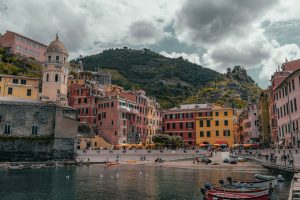
Italy’s countryside represents one of Europe’s most captivating destinations, where centuries-old villages nestle among rolling hills, vineyards stretch to the horizon, and timeless landscapes tell stories of ancient civilizations. Beyond the bustling cities of Rome, Florence, and Venice lies a world of authentic Italian experiences waiting to be discovered.
The Italian countryside offers travelers an opportunity to immerse themselves in local culture, savor traditional cuisine, and witness landscapes that have inspired artists for generations. From the sun-drenched hills of Tuscany to the mystical valleys of Umbria, each region presents its unique character and charm.
The Allure of Italian Countryside Tourism
Italian countryside tourism has experienced remarkable growth in recent years, as travelers increasingly seek authentic experiences away from crowded tourist hotspots. This trend, known as “slow tourism,” emphasizes quality over quantity, encouraging visitors to spend more time in fewer places to truly appreciate their surroundings.
The countryside offers several advantages over urban destinations:
- Authentic cultural experiences: Interact with locals who maintain traditional ways of life
- Culinary excellence: Taste farm-to-table cuisine and regional specialties
- Natural beauty: Enjoy pristine landscapes and outdoor activities
- Historical significance: Explore medieval villages and ancient ruins
- Value for money: Experience luxury at more affordable prices than major cities
Tuscany: The Crown Jewel of Italian Countryside
Tuscany remains the most celebrated region for countryside exploration, offering a perfect blend of natural beauty, cultural heritage, and gastronomic excellence. The region’s diverse landscapes include rolling hills, cypress-lined roads, medieval hilltop towns, and world-renowned wine regions.
Must-Visit Tuscan Villages
San Gimignano stands as one of Tuscany’s most iconic destinations, known for its medieval towers that create a distinctive skyline. This UNESCO World Heritage site offers visitors a glimpse into medieval life, with its well-preserved architecture and narrow cobblestone streets. The town’s famous Vernaccia wine and saffron production add to its cultural significance.
Montepulciano perches dramatically on a hilltop, surrounded by vineyards producing the renowned Vino Nobile di Montepulciano. The town’s Renaissance architecture and underground wine cellars make it a paradise for both history enthusiasts and wine lovers. Visitors can explore ancient Etruscan remains and enjoy panoramic views of the Val d’Orcia.
Pienza represents the ideal Renaissance city, designed by Pope Pius II in the 15th century. This small but perfectly formed town showcases harmonious architecture and produces exceptional Pecorino cheese. The surrounding landscape epitomizes the classic Tuscan countryside with its gentle hills and cypress groves.
The Chianti Region
The Chianti Classico region between Florence and Siena offers some of Italy’s most picturesque countryside. The area is characterized by:
- Vine-covered hills and olive groves
- Historic wine estates and castles
- Charming villages like Greve in Chianti and Castellina
- Traditional trattorias serving local specialties
- Scenic driving routes through the countryside
Val d’Orcia Landscape
The Val d’Orcia represents quintessential Tuscany, with its rolling hills, isolated farmhouses, and winding cypress-lined roads. This UNESCO World Heritage site has inspired countless Renaissance paintings and continues to captivate photographers and artists today. Key locations include the thermal springs of Bagno Vignoni and the hilltop town of Montalcino, famous for its Brunello wine.
Umbria: Italy’s Green Heart
Often called “the green heart of Italy,” Umbria offers a more intimate countryside experience compared to its famous Tuscan neighbor. This landlocked region boasts dense forests, medieval hilltop towns, and a spiritual atmosphere that has attracted pilgrims for centuries.
Assisi and Spiritual Tourism
Assisi, the birthplace of Saint Francis, combines religious significance with stunning countryside views. The town’s pink stone buildings harmonize beautifully with the surrounding landscape of olive groves and mountains. Beyond its spiritual importance, Assisi offers excellent hiking trails and traditional Umbrian cuisine.
Orvieto and the Etruscan Legacy
Perched on a volcanic plateau, Orvieto showcases both medieval architecture and ancient Etruscan heritage. The town’s dramatic position offers spectacular views of the surrounding countryside, while its underground tunnels and caves reveal centuries of history. The nearby Orvieto Classico wine region produces exceptional white wines.
Spello and Medieval Charm
Spello exemplifies Umbrian medieval architecture with its flower-adorned streets and Roman ruins. The town hosts the famous Infiorate festival, where residents create elaborate flower carpets along the streets. The surrounding countryside offers excellent hiking opportunities and traditional agriturismos.
Le Marche: The Undiscovered Region
Le Marche (The Marches) remains one of Italy’s best-kept secrets, offering diverse landscapes from Adriatic beaches to Apennine mountains. The region’s countryside features gentle hills, medieval villages, and a strong artisan tradition.
Urbino and Renaissance Heritage
Urbino, birthplace of Raphael, represents one of Italy’s finest examples of Renaissance urbanism. The town’s Ducal Palace houses an exceptional art collection, while the surrounding countryside offers hiking trails and traditional workshops producing ceramics and musical instruments.
The Sibillini Mountains
The Sibillini National Park provides dramatic mountain scenery and outdoor recreation opportunities. The area includes the famous Piano Grande plateau, which transforms into a sea of wildflowers during spring and early summer. Traditional mountain villages like Norcia and Castelluccio offer authentic mountain cuisine and hospitality.
Lazio’s Hidden Countryside Gems
While Rome dominates Lazio’s tourism landscape, the region’s countryside offers remarkable diversity, from volcanic lakes to medieval hilltop towns and coastal landscapes.
Civita di Bagnoregio
Known as “the dying city,” Civita di Bagnoregio sits precariously on an eroding hilltop, accessible only by a narrow pedestrian bridge. This extraordinary location offers visitors a unique glimpse into medieval life, with its ancient buildings and stunning views of the surrounding badlands.
Castelli Romani
The Castelli Romani hills southeast of Rome feature volcanic lakes, vineyards, and charming towns like Frascati and Castel Gandolfo. The area serves as a popular retreat for Romans seeking cooler temperatures and excellent local wines. The landscape combines natural beauty with historical significance, including papal residences and ancient Roman villas.
Planning Your Italian Countryside Adventure
Best Times to Visit
The Italian countryside offers different experiences throughout the year:
- Spring (April-May): Mild weather, blooming flowers, and fewer crowds
- Summer (June-August): Warm weather ideal for outdoor activities, but expect larger crowds
- Autumn (September-October): Harvest season, cooler temperatures, and beautiful fall colors
- Winter (November-March): Quieter periods with potential for truffle hunting and cozy village experiences
Transportation Options
Rental Car: Provides maximum flexibility for exploring remote villages and scenic routes. Essential for accessing many countryside locations not served by public transportation.
Organized Tours: Offer convenience and local expertise, particularly valuable for wine tours and cultural experiences. Many companies specialize in small-group tours focusing on authentic experiences.
Public Transportation: Limited in rural areas but connects major towns. Regional trains and buses provide access to larger countryside destinations.
Accommodation Strategies
Agriturismos represent the quintessential countryside accommodation, offering farm-to-table dining and authentic rural experiences. These working farms provide comfortable accommodations while supporting local agriculture and traditional practices.
Historic Hotels and Villas offer luxury experiences in converted palazzos, monasteries, and aristocratic residences. Many feature spa services, gourmet restaurants, and wine cellars.
Boutique B&Bs provide intimate experiences with personalized service and local insights. Many are family-owned properties showcasing regional architecture and hospitality traditions.
Culinary Experiences in the Countryside
Italian countryside cuisine emphasizes local ingredients, seasonal produce, and traditional preparation methods. Each region offers distinctive specialties reflecting local agriculture and cultural influences.
Wine Tourism
Wine tourism forms an integral part of countryside exploration, with opportunities ranging from casual tastings to comprehensive vineyard tours. Key wine regions include:
- Chianti Classico: Sangiovese-based wines with complex flavors
- Brunello di Montalcino: Premium wines requiring extended aging
- Sagrantino di Montefalco: Umbrian specialty with intense character
- Vermentino: Crisp white wines from coastal regions
- Frascati: Light, refreshing wines from the Roman hills
Local Food Specialties
Each region offers unique culinary specialties reflecting local ingredients and traditions. Tuscany features hearty bread soups, grilled meats, and olive oil tastings. Umbria specializes in truffles, wild boar, and lentils from Castelluccio. Le Marche offers seafood from the Adriatic coast combined with mountain game and vegetables.
Outdoor Activities and Recreation
The Italian countryside provides numerous opportunities for outdoor recreation, catering to various fitness levels and interests.
Hiking and Walking Trails
Well-marked hiking trails connect villages, traverse national parks, and follow ancient pilgrimage routes. Popular options include sections of the Via Francigena pilgrimage route, trails through the Sibillini Mountains, and coastal paths along the Cinque Terre.
Cycling Tours
Cycling offers an eco-friendly way to explore countryside landscapes while enjoying moderate physical activity. Many regions offer bike rental services and guided tours suitable for various skill levels. E-bikes have made cycling accessible to more travelers, allowing exploration of hilly terrain without excessive physical demands.
Photography and Art
The Italian countryside provides endless inspiration for photographers and artists. Golden hour lighting enhances the natural beauty of rolling hills, ancient architecture, and agricultural landscapes. Many locations offer photography workshops and plein air painting experiences.
Cultural Immersion and Local Traditions
Authentic cultural experiences distinguish countryside tourism from conventional sightseeing. Visitors can participate in local traditions, learn traditional crafts, and engage with communities maintaining centuries-old customs.
Festivals and Celebrations
Local festivals provide insights into regional traditions and community life. These events often coincide with agricultural cycles, religious observances, or historical commemorations. Popular festivals include truffle festivals in Umbria, harvest celebrations in wine regions, and medieval reenactments in historic towns.
Artisan Workshops
Many countryside communities maintain traditional craft industries, offering visitors opportunities to observe and learn traditional techniques. Examples include ceramic production in Deruta, leather working in Florence’s surroundings, and wine making throughout various regions.
Sustainable Tourism Practices
Sustainable tourism practices help preserve Italy’s countryside for future generations while supporting local communities and economies.
Supporting Local Businesses
Choosing locally-owned accommodations, restaurants, and tour operators ensures tourism revenue benefits rural communities directly. Shopping at local markets and purchasing regional products supports traditional agriculture and craftsmanship.
Environmental Responsibility
Travelers can minimize their environmental impact by choosing eco-friendly accommodations, using public transportation when possible, and respecting natural environments. Many agriturismos implement sustainable practices including organic farming, renewable energy, and waste reduction programs.
Hidden Gems and Off-the-Beaten-Path Destinations
Beyond well-known destinations, Italy’s countryside conceals numerous hidden gems offering authentic experiences without crowds.
Abruzzo’s Wild Landscapes
Abruzzo combines mountain wilderness with medieval villages, offering excellent hiking opportunities and traditional mountain cuisine. The region’s national parks protect diverse ecosystems while historic towns like Santo Stefano di Sessanio provide unique accommodation experiences.
Molise’s Authentic Culture
Italy’s smallest region, Molise, remains largely undiscovered by international tourists. The area offers authentic cultural experiences, traditional festivals, and pristine natural environments. Villages like Agnone maintain ancient crafts including bell-making traditions dating back centuries.
Basilicata’s Dramatic Landscapes
Basilicata features diverse landscapes from mountains to coastal areas, with the famous Sassi di Matera representing one of the world’s oldest continuously inhabited settlements. The region offers unique accommodation experiences in cave dwellings and traditional masserias.
Practical Tips for Countryside Exploration
Language Considerations
While English is spoken in major tourist areas, rural regions may require basic Italian phrases for effective communication. Learning essential words for directions, food items, and polite conversation enhances the travel experience and demonstrates respect for local culture.
Technology and Connectivity
Internet connectivity may be limited in remote areas, so travelers should plan accordingly. Downloading offline maps, translation apps, and travel guides ensures access to essential information regardless of connectivity issues.
Health and Safety
The Italian countryside is generally very safe, but travelers should take standard precautions including appropriate hiking gear, sun protection, and emergency contact information. Travel insurance covering outdoor activities provides additional peace of mind.
Budget Considerations and Value
Countryside tourism often provides excellent value compared to major cities, with opportunities for various budget levels from backpacking to luxury experiences.
Cost-Effective Strategies
Traveling during shoulder seasons, choosing agriturismos over hotels, and preparing some meals independently can significantly reduce costs. Many free activities include hiking, village exploration, and photography.
Luxury Options
High-end countryside experiences include luxury villa rentals, Michelin-starred restaurants, private wine tours, and spa treatments. These options provide exceptional value compared to equivalent urban luxury experiences.
The Italian countryside offers an unparalleled opportunity to experience authentic Italy away from crowded tourist destinations. From Tuscany’s iconic landscapes to lesser-known regions like Molise and Basilicata, each area provides unique attractions and cultural experiences. Whether seeking culinary adventures, outdoor activities, historical exploration, or simply peaceful relaxation, Italy’s countryside villages and landscapes deliver unforgettable memories.
The key to successful countryside exploration lies in embracing slow travel principles, allowing sufficient time to appreciate each destination’s unique character. By supporting local businesses, respecting cultural traditions, and practicing sustainable tourism, visitors contribute to preserving these remarkable landscapes and communities for future generations.
Plan your Italian countryside adventure today and discover the authentic heart of Italy that continues to inspire travelers, artists, and dreamers from around the world. The rolling hills, ancient villages, and warm hospitality await your exploration.