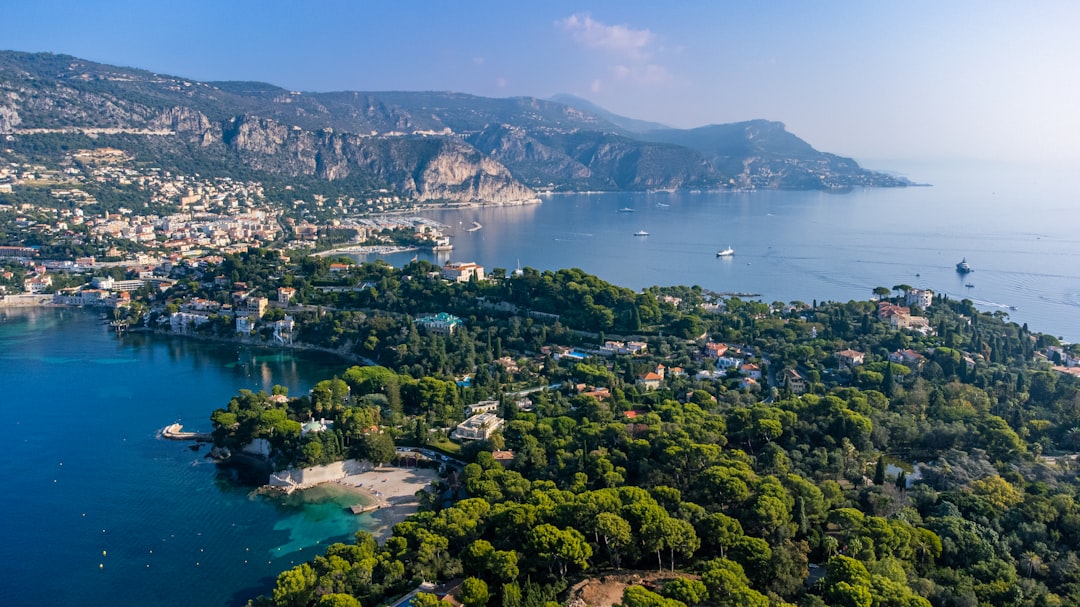
While the French Riviera is renowned for its glittering beaches, luxury resorts, and celebrity hotspots like Cannes and Nice, the region’s true treasures lie tucked away in the hills and valleys behind the coastline. These hidden villages, known as “villages perchés” (perched villages), offer an authentic glimpse into Provençal life, stunning Mediterranean views, and centuries of fascinating history.
Far from the crowded boulevards and tourist-packed promenades, these secret gems provide visitors with an opportunity to experience the French Riviera as it existed long before the jet-set era. Each village tells its own unique story through narrow cobblestone streets, ancient stone houses, and breathtaking vistas that stretch across the azure Mediterranean.
What Makes French Riviera’s Hidden Villages Special
The hidden villages of the French Riviera represent a perfect marriage of natural beauty and human ingenuity. Built on strategic hilltop positions during medieval times, these settlements were designed as defensive fortifications against pirates and invaders who threatened the Mediterranean coast.
Architectural Heritage
These villages showcase remarkable architectural preservation, featuring:
- Medieval stone construction using local limestone and granite
- Narrow winding streets designed to confuse potential invaders
- Ancient ramparts and fortifications that still stand today
- Traditional Provençal houses with terracotta tile roofs
- Historic churches and chapels dating back centuries
Cultural Significance
Beyond their architectural beauty, these villages serve as living museums of Provençal culture. Many have maintained traditional crafts, local markets, and festivals that have been celebrated for generations. The slower pace of life in these communities offers a stark contrast to the bustling coastal cities below.
Top 12 Hidden Villages to Explore
1. Èze Village
Perched dramatically on a rocky outcrop 427 meters above the Mediterranean, Èze is perhaps the most famous of the Riviera’s hidden villages. This medieval eagle’s nest offers spectacular panoramic views and houses the renowned Jardin Exotique, featuring rare succulents and cacti from around the world.
Key attractions include the ruins of a 12th-century castle, narrow cobblestone streets lined with artisan boutiques, and the Fragonard perfume factory where visitors can learn about traditional perfume-making techniques. The village’s strategic position made it an important stronghold during the Middle Ages, and its well-preserved architecture reflects this rich history.
2. Saint-Paul-de-Vence
This fortified medieval village has attracted artists for decades, including Pablo Picasso, Marc Chagall, and Yves Klein. The village’s ramparts dating from the 16th century encircle a maze of galleries, studios, and cafés that continue to draw creative minds from around the world.
The famous Fondation Maeght, located just outside the village walls, houses one of Europe’s most important collections of modern art. Visitors can spend hours wandering the sculpture garden and viewing works by Miró, Giacometti, and other masters while enjoying views of the surrounding countryside.
3. Gourdon
Known as the “Eagle’s Nest of the Riviera,” Gourdon sits 758 meters above sea level and offers some of the most breathtaking views in the region. On clear days, visitors can see from the Italian Alps to the Massif de l’Estérel, with the Mediterranean stretching endlessly to the horizon.
The village’s 12th-century castle houses a museum of decorative arts, while the surrounding area offers numerous hiking trails through fragrant pine forests and dramatic gorges. Gourdon’s position made it virtually impregnable during medieval times, and the village has retained much of its original character.
4. Biot
Famous for its traditional glassblowing industry, Biot has been creating beautiful glassware since the 1950s. The village’s narrow streets are lined with galleries and workshops where visitors can watch master craftsmen at work and purchase unique pieces.
The Musée National Fernand Léger celebrates the work of the famous cubist painter, while the village’s pottery workshops continue centuries-old traditions. Biot’s location in a valley surrounded by hills creates a microclimate perfect for growing flowers, making it a center for the region’s perfume industry.
5. Tourrettes-sur-Loup
Known as the “City of Violets,” this charming village is famous for its violet cultivation and stunning cliff-edge location. The houses built directly into the ramparts create a dramatic silhouette against the sky, while the medieval streets wind between ancient stone buildings.
Every March, the village celebrates the Violet Festival, showcasing products made from these delicate flowers, including perfumes, candies, and liqueurs. The surrounding countryside offers excellent hiking opportunities and spectacular views of the Loup Valley below.
6. Mougins
This hilltop village became a haven for artists in the 20th century, attracting Pablo Picasso, who spent his final years here. The village’s perfectly preserved medieval center is now home to numerous art galleries, gourmet restaurants, and luxury boutiques.
Mougins is particularly famous for its culinary scene, with several Michelin-starred restaurants calling the village home. The annual Festival of Gastronomy celebrates the region’s exceptional cuisine, attracting food lovers from around the world.
7. Peillon
Considered one of France’s most beautiful villages, Peillon appears to grow organically from the rocky mountainside. This remarkably well-preserved medieval settlement has no modern intrusions, creating an authentic atmosphere of stepping back in time.
The village’s church contains beautiful 15th-century frescoes, while the narrow streets offer glimpses of traditional Provençal life. Peillon’s remote location has helped preserve its character, making it a perfect destination for those seeking tranquility and authentic beauty.
8. La Turbie
Dominated by the impressive Trophy of Augustus, a Roman monument built in 6 BC, La Turbie offers a unique blend of ancient history and stunning views. The village sits on the Grande Corniche road, providing spectacular vistas of Monaco and the Mediterranean coast.
The Roman trophy commemorates Emperor Augustus’s victories over Alpine tribes, and the accompanying museum provides fascinating insights into Roman history in the region. The village’s position on the ancient Roman road connecting Italy to Gaul makes it an important historical site.
9. Coaraze
Known as the “Village of the Sun,” Coaraze is famous for its sundials created by renowned artists including Jean Cocteau. The village’s unique location at the confluence of three valleys creates stunning panoramic views and a microclimate that bathes the settlement in golden light.
The medieval streets wind past ancient houses decorated with colorful shutters and flower-filled balconies. Coaraze’s olive groves and terraced gardens demonstrate the traditional agricultural practices that have sustained these mountain communities for centuries.
10. Saorge
This amphitheater-shaped village clings to a mountainside in the Roya Valley, creating one of the most dramatic settings on the Riviera. The baroque church and 17th-century monastery add architectural interest to the already spectacular natural setting.
Saorge’s terraced gardens and olive groves cascade down the hillside, demonstrating the ingenious agricultural techniques developed by mountain communities. The village’s position on ancient salt trading routes contributed to its historical importance and wealth.
11. Lucéram
This medieval village in the Alpes-Maritimes is famous for its Christmas nativity trail and remarkable collection of religious art. The Gothic church contains beautiful altarpieces and frescoes dating from the 15th century.
Surrounded by chestnut and olive groves, Lucéram offers excellent hiking opportunities through the surrounding mountains. The village’s traditional architecture and peaceful atmosphere provide a perfect escape from coastal crowds.
12. Sospel
Situated on the ancient salt road between Nice and Turin, Sospel features a beautiful 13th-century bridge and well-preserved medieval center. The town’s strategic location in the Bévéra Valley made it an important trading post for centuries.
The surrounding mountains offer numerous hiking trails and the opportunity to explore World War II fortifications that are part of the Maginot Line extension. Sospel’s combination of historical significance and natural beauty makes it a fascinating destination for history enthusiasts.
Best Times to Visit These Hidden Villages
Spring (March to May)
Spring offers ideal conditions for exploring these villages, with mild temperatures and blooming wildflowers creating spectacular displays throughout the countryside. This season avoids summer crowds while providing excellent hiking weather and clear views.
Fall (September to November)
Autumn brings warm days and cool evenings, perfect for wandering village streets and enjoying outdoor dining. The harvest season adds special charm, with local festivals celebrating olives, chestnuts, and wine.
Winter (December to February)
While cooler, winter offers crisp, clear days with exceptional visibility and fewer tourists. Christmas markets and seasonal decorations add magical atmosphere to many villages.
Transportation and Access
Getting There
Most hidden villages are accessible by car, though parking can be limited during peak seasons. Public transportation options include:
- Regional buses connecting major villages to coastal cities
- Organized tours offering convenient access to multiple villages
- Private transfers for personalized exploration
Driving Tips
Mountain roads can be narrow and winding, requiring careful driving. Many villages have restricted vehicle access in historic centers, with parking available outside the medieval walls. GPS systems may not always reflect current road conditions or restrictions.
Local Culture and Traditions
Traditional Crafts
These villages maintain traditional crafts that have been practiced for generations:
- Pottery and ceramics using local clay and traditional glazing techniques
- Glassblowing creating unique art pieces and functional items
- Perfume making using local flowers and herbs
- Olive oil production from ancient groves surrounding the villages
Culinary Specialties
Each village offers unique culinary experiences reflecting local ingredients and traditions. Specialties include olive oil, honey, preserved lemons, traditional breads, and regional wines that showcase the terroir of the Mediterranean hills.
Practical Visiting Tips
What to Bring
- Comfortable walking shoes for cobblestone streets and uneven surfaces
- Sun protection including hats and sunscreen for exposed hilltop locations
- Camera to capture stunning views and architectural details
- Water bottle for hiking and walking in warm weather
Accommodation Options
While some villages offer small hotels and bed-and-breakfasts, many visitors prefer staying in nearby coastal cities and making day trips. This approach provides access to more amenities while allowing exploration of multiple villages.
Conclusion: Discovering Authentic Riviera Magic
The hidden villages of the French Riviera offer an incomparable opportunity to experience the region’s authentic character away from the glittering superficiality of the coast. These medieval settlements, perched dramatically on hillsides and nestled in valleys, provide insights into centuries of Mediterranean history, culture, and tradition.
Whether you’re drawn by the artistic heritage of Saint-Paul-de-Vence, the dramatic views from Gourdon, or the traditional crafts of Biot, each village offers its own unique rewards. The combination of stunning natural settings, remarkable architecture, and living cultural traditions creates experiences that remain vivid long after returning home.
Planning a journey to these hidden gems requires some effort and flexibility, but the rewards far exceed the challenges. In an age of mass tourism and commercialized attractions, these villages provide something increasingly rare: authentic encounters with timeless beauty and enduring traditions that connect us to the deeper spirit of the Mediterranean.