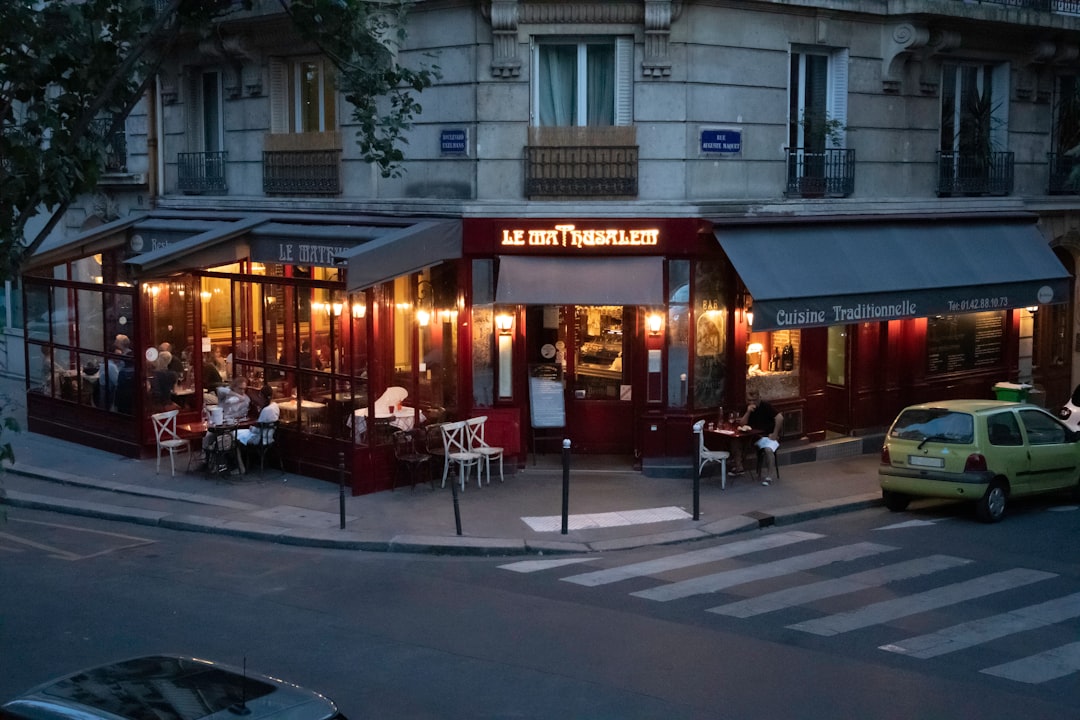
France has long been considered the culinary capital of the world, and in 2026, the country continues to evolve its rich gastronomic traditions while embracing modern trends. If you’re planning a trip to France or simply want to understand authentic French dining culture, learning how to eat like a local is essential for experiencing the true heart of French cuisine.
This comprehensive guide will take you beyond the typical tourist restaurants and into the world of genuine French dining, where meals are celebrations, conversations flow as freely as wine, and every bite tells a story of centuries-old culinary heritage.
Understanding French Meal Structure and Timing
French dining culture in 2026 maintains its traditional structure, though some modern adaptations have emerged. Understanding when and how French locals eat is crucial to experiencing authentic cuisine.
Traditional French Meal Times
Breakfast (Le Petit Déjeuner): Typically served between 7:00-9:00 AM, French breakfast remains light and simple. Locals usually enjoy:
- Fresh croissants or pain au chocolat from the local boulangerie
- Strong coffee (café noir) or café au lait
- Fresh bread with butter and jam
- Fresh fruit juice, often orange or grapefruit
Lunch (Le Déjeuner): Served between 12:00-2:00 PM, lunch is traditionally the main meal of the day. In 2026, while some urban professionals have adopted shorter lunch breaks, many French locals still dedicate 1-2 hours to this meal.
Dinner (Le Dîner): Evening meals typically begin between 7:30-8:30 PM, later in southern France. This is when families gather and restaurants come alive with local diners.
Modern Adaptations in 2026
While traditional timing remains important, French dining culture has adapted to modern lifestyles. Many restaurants now offer:
- Extended lunch hours to accommodate flexible work schedules
- Earlier dinner service for families with children
- Weekend brunch culture, especially in major cities like Paris and Lyon
- Sustainable and locally-sourced menu options reflecting environmental consciousness
French Dining Etiquette: The Unwritten Rules
Mastering French dining etiquette is essential for eating like a local. These customs reflect respect for food, fellow diners, and French culture itself.
Table Manners and Behavior
Bread Etiquette: Always place bread directly on the table or on the designated bread plate, never on your main plate. Tear bread with your hands rather than cutting it with a knife.
Wine Appreciation: If you’re unfamiliar with wine, ask your server for recommendations based on your meal. Never fill your own glass before filling others’, and always wait for everyone to be served before drinking.
Conversation Flow: French meals are social events. Engage in conversation, but avoid controversial topics during dining. Food, travel, and culture are always safe subjects.
Interaction with Restaurant Staff
French service culture emphasizes respect and formality:
- Always greet servers with “Bonjour” or “Bonsoir”
- Make eye contact when ordering and thanking staff
- Avoid snapping fingers or calling out to get attention
- Say “L’addition, s’il vous plaît” when requesting the check
- Tipping is appreciated but not mandatory (5-10% is standard)
Where Locals Actually Eat: Finding Authentic French Restaurants
In 2026, distinguishing between tourist traps and authentic local establishments requires knowing what to look for and where to search.
Identifying Authentic Local Restaurants
Menu Indicators:
- Handwritten menus that change seasonally
- Limited menu options (usually indicates fresh, quality ingredients)
- Menus written in French without English translations
- Reasonable prices that locals can afford regularly
- Daily specials based on market availability
Location Clues:
- Restaurants in residential neighborhoods rather than tourist areas
- Establishments frequented by French families and older locals
- Places recommended by local shopkeepers, not guidebooks
- Restaurants that fill up with locals during traditional meal times
Types of Authentic French Dining Establishments
Bistros: Casual neighborhood restaurants serving traditional French comfort food. Look for classics like coq au vin, bouillabaisse, or cassoulet.
Brasseries: Lively establishments serving both meals and drinks, often with extended hours. Perfect for experiencing French café culture.
Auberges: Rural inns offering regional specialties and traditional cooking methods. Essential for experiencing countryside French cuisine.
Marchés (Markets): Local food markets where vendors often serve prepared foods. This is where you’ll find the freshest ingredients and most authentic street food.
Regional Specialties: Eating Like a Local Across France
France’s diverse regions each offer unique culinary traditions. Understanding regional specialties helps you eat authentically wherever you travel.
Northern France: Hearty Comfort Foods
Normandy and Brittany:
- Fresh seafood including oysters, mussels, and sea bass
- Crêpes and galettes made with local buckwheat
- Apple-based dishes and calvados (apple brandy)
- Rich dairy products including famous Camembert cheese
Alsace:
- German-influenced dishes like choucroute (sauerkraut with sausages)
- Excellent white wines, particularly Riesling and Gewürztraminer
- Tarte flambée (thin-crust pizza-like dish)
- Foie gras and other preserved meats
Southern France: Mediterranean Flavors
Provence:
- Herb-rich dishes featuring rosemary, thyme, and lavender
- Bouillabaisse (traditional fish stew) in coastal areas
- Ratatouille made with fresh local vegetables
- Rosé wines perfect for warm weather dining
Languedoc:
- Cassoulet (white bean stew with duck or lamb)
- Regional wines from smaller, family-owned vineyards
- Fresh produce from local markets
- Traditional bread baked in wood-fired ovens
Central and Eastern France: Rich Traditions
Burgundy:
- World-renowned wines paired with local cuisine
- Coq au vin prepared with local Burgundy wine
- Escargot (snails) prepared in garlic butter
- Beef bourguignon slow-cooked to perfection
Lyon: Known as France’s gastronomic capital
- Traditional bouchons (typical Lyonnaise restaurants)
- Specialties like quenelle de brochet (pike dumplings)
- Saucisson (dry sausages) and other charcuterie
- Local Beaujolais wines
Shopping and Eating Like a Local: Markets and Specialty Shops
French locals shop for food daily, visiting specialized shops that have operated for generations. Understanding this culture is key to eating authentically.
Essential French Food Shops
Boulangerie: The neighborhood bakery is central to French life. Visit twice daily – morning for fresh bread and pastries, afternoon for tomorrow’s bread.
Fromagerie: Cheese shops where experts help you select perfect cheeses for your meal and wine pairing. Don’t be afraid to ask for tastings.
Charcuterie: Delicatessens specializing in prepared meats, pâtés, and terrines. Perfect for picnic supplies or appetizers.
Poissonnerie: Fish shops offering the freshest daily catch. Vendors can clean and prepare fish according to your preferences.
Market Culture in 2026
French markets continue to thrive in 2026, adapting to modern needs while maintaining traditional charm:
- Organic and locally-sourced products have become more prominent
- Many vendors accept contactless payments alongside traditional cash
- Seasonal produce remains the focus, with vendors educating customers about optimal ripeness and preparation
- Small-batch artisanal products from local producers are increasingly popular
French Food Trends in 2026
While respecting tradition, French cuisine continues evolving. Understanding current trends helps you experience contemporary local dining.
Sustainability and Local Sourcing
Environmental consciousness has significantly influenced French dining culture:
- Farm-to-table restaurants emphasizing local ingredients
- Reduced meat consumption with more plant-based options
- Zero-waste cooking techniques and composting programs
- Seasonal menus that change based on local harvests
Technology Integration
French restaurants have embraced technology while maintaining personal service:
- QR code menus for contactless ordering (optional, not mandatory)
- Online reservation systems for popular establishments
- Social media presence showcasing daily specials
- Digital wine lists with detailed tasting notes
Fusion Influences
France’s multicultural population has enriched traditional cuisine:
- North African influences, particularly in urban areas
- Asian fusion techniques applied to French ingredients
- International wine selections alongside French vintages
- Global spices incorporated into traditional dishes
Wine Culture: Drinking Like a French Local
Wine is integral to French dining culture. Understanding wine etiquette and selection helps you dine authentically.
Wine Selection Principles
Regional Pairings: French locals typically choose wines from their region or wines that complement their meal’s origin.
Occasion Appropriateness: Different wines suit different occasions – light wines for lunch, fuller-bodied options for dinner.
Budget Considerations: Expensive doesn’t always mean better. Many excellent French wines are reasonably priced for regular consumption.
Wine Ordering Etiquette
- Ask servers for recommendations based on your food choices
- Don’t hesitate to try wines by the glass to explore different options
- Understand that French portions are smaller than American servings
- Water is typically served alongside wine, not instead of it
Seasonal Eating: Adapting to French Food Rhythms
French cuisine follows natural seasons, and locals adapt their eating habits accordingly.
Spring (March-May)
- Fresh asparagus and early vegetables
- Light seafood dishes
- Young wines and rosés
- Outdoor dining begins in warmer regions
Summer (June-August)
- Peak market season with abundant fresh produce
- Grilled meats and fresh salads
- Chilled rosé wines and light reds
- Extended dining hours and outdoor seating
Autumn (September-November)
- Harvest season celebrations
- Heartier dishes with root vegetables
- New wine releases and harvest festivals
- Game meats and preserved foods
Winter (December-February)
- Comfort foods and warm dishes
- Rich stews and braised meats
- Full-bodied red wines
- Holiday specialties and traditional desserts
Common Mistakes to Avoid
Understanding what not to do is equally important for eating like a local:
Tourist Trap Indicators
- Restaurants with multiple language menus displayed outside
- Aggressive hosts trying to pull you inside
- Photos of food on menus (uncommon in authentic establishments)
- Restaurants located directly on major tourist streets
- Establishments advertising “traditional French food” in English
Cultural Missteps to Avoid
- Rushing through meals – French dining is meant to be leisurely
- Ordering cappuccino after dinner (coffee should be simple espresso)
- Asking for substitutions or modifications to traditional dishes
- Eating bread before the meal arrives
- Being loud or disruptive in restaurants
Building Relationships with Local Food Vendors
Developing relationships with local food vendors enhances your authentic dining experience:
Regular Patronage Benefits
- Vendors remember your preferences and make personalized recommendations
- Access to special products not displayed publicly
- Invitations to private tastings or special events
- Better prices and priority service during busy periods
Communication Tips
- Learn basic French phrases for food shopping
- Show genuine interest in products and preparation methods
- Ask for advice on wine pairings and cooking techniques
- Respect vendors’ expertise and trust their recommendations
Conclusion: Embracing the French Art of Living
Eating like a local in France in 2026 goes beyond simply choosing the right restaurants or ordering appropriate dishes. It’s about embracing the French philosophy that meals are sacred moments for connection, conversation, and celebration of life’s pleasures.
By understanding traditional customs while remaining open to modern adaptations, respecting regional differences, and building genuine relationships with local vendors, you’ll experience French cuisine as locals do – not just as sustenance, but as an expression of culture, creativity, and community.
Remember that authentic French dining is about quality over quantity, taking time to savor each bite, and appreciating the craftsmanship behind every dish. Whether you’re enjoying a simple breakfast croissant from your neighborhood boulangerie or indulging in a multi-course dinner at a family-owned bistro, approach each meal with curiosity, respect, and an open heart.
The key to eating like a French local is understanding that food is never just about feeding the body – it’s about nourishing relationships, honoring traditions, and creating memories that last long after the last bite. Bon appétit!