Australia consistently ranks among the world’s most desirable travel destinations, yet many travelers question whether this vast continent truly justifies the time, expense, and effort required to visit. With its reputation for stunning natural beauty, unique wildlife, and vibrant cities, Australia presents an compelling case for inclusion on any serious traveler’s bucket list.
The question “Is Australia worth visiting?” deserves a thorough examination of what this remarkable country offers, from its iconic landmarks to hidden gems, practical considerations, and the experiences that set it apart from other destinations worldwide.
Table of Contents
Australia’s Unparalleled Natural Beauty
Australia’s landscape diversity stands as one of its most compelling attractions. The continent encompasses virtually every type of terrain imaginable, creating opportunities for experiences unavailable elsewhere on Earth.
Iconic Natural Landmarks
The Great Barrier Reef represents one of the planet’s most significant natural wonders. Stretching over 2,300 kilometers along Queensland’s coast, this UNESCO World Heritage site offers unparalleled diving and snorkeling experiences. Marine biologists consider it the world’s largest coral reef system, home to thousands of species found nowhere else on Earth.
Uluru (Ayers Rock) provides a spiritual and geological marvel in the heart of the continent. This massive sandstone monolith rises 348 meters above the surrounding desert, creating breathtaking sunrises and sunsets that transform the rock’s appearance throughout the day.
The Twelve Apostles along the Great Ocean Road showcase dramatic limestone formations carved by millions of years of ocean erosion. These towering sea stacks create one of the world’s most photographed coastal drives, stretching 243 kilometers through Victoria’s pristine coastline.
Diverse Ecosystems and Climates
Australia’s size enables travelers to experience tropical rainforests, temperate woodlands, alpine regions, and vast deserts within a single trip. The Daintree Rainforest in Queensland represents the world’s oldest surviving rainforest, while the Australian Alps offer world-class skiing and mountaineering opportunities.
The continent’s isolation has preserved unique ecosystems that exist nowhere else globally, making Australia a living laboratory of evolution and biodiversity.
Extraordinary Wildlife Encounters
Australia’s fauna represents perhaps its most distinctive selling point for international visitors. The continent’s evolutionary isolation has produced an remarkable array of endemic species that captivate wildlife enthusiasts worldwide.
Iconic Australian Animals
Visitors can encounter kangaroos and koalas in their natural habitats throughout the continent. These marsupials, along with wombats, Tasmanian devils, and echidnas, represent unique evolutionary adaptations found nowhere else on Earth.
The marine environment offers equally spectacular wildlife viewing opportunities. Whale watching along Australia’s coastline provides encounters with humpback whales, southern right whales, and blue whales during their annual migrations. The waters around Australia also host dolphins, dugongs, and marine turtles.
Birdwatching Paradise
Australia’s avian diversity includes over 800 species, with approximately half being endemic. Colorful parrots, distinctive kookaburras, and the impressive wedge-tailed eagle create opportunities for both casual observers and serious ornithologists.
The country’s varied habitats support everything from tropical cassowaries in the rainforest to penguins along southern coastlines, ensuring memorable wildlife encounters across all regions.
World-Class Cities and Cultural Experiences
Australia’s urban centers rival any global metropolis for cultural richness, dining excellence, and quality of life, providing perfect counterpoints to the natural attractions.
Sydney: The Harbor City
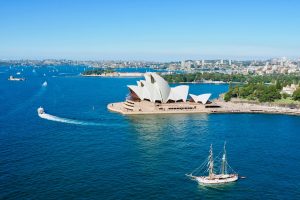
Sydney combines architectural marvels like the Opera House and Harbour Bridge with pristine beaches, world-class restaurants, and vibrant neighborhoods. The city’s harbor ranks among the world’s most beautiful, offering countless vantage points for photography and sightseeing.
Bondi Beach and surrounding coastal areas provide urban beach experiences that seamlessly blend city convenience with natural beauty, creating opportunities for surfing, swimming, and coastal walks within minutes of the central business district.
Melbourne: Cultural Capital
Melbourne consistently ranks among the world’s most livable cities, renowned for its coffee culture, street art, and sophisticated dining scene. The city’s laneways hide boutique shops, galleries, and cafes that reflect Australia’s creative spirit and multicultural influences.
Melbourne’s events calendar includes major sporting competitions, music festivals, and cultural exhibitions that attract international attention and provide visitors with world-class entertainment options.
Perth, Brisbane, and Adelaide
Australia’s other capital cities each offer distinct personalities and attractions. Perth provides access to pristine beaches and nearby Rottnest Island, home to the photogenic quokka. Brisbane serves as the gateway to tropical Queensland and the Great Barrier Reef, while Adelaide anchors renowned wine regions and food experiences.
Adventure Tourism and Outdoor Activities
Australia’s outdoor recreation opportunities cater to every skill level and interest, from extreme adventures to leisurely nature appreciation.
Water-Based Activities
The continent’s 25,760-kilometer coastline provides endless opportunities for surfing, diving, fishing, and sailing. World-renowned surf breaks like Bells Beach and Pipeline attract professionals and enthusiasts from around the globe.
Diving experiences range from the Great Barrier Reef’s tropical waters to the kelp forests of South Australia, offering encounters with whale sharks, manta rays, and unique temperate species.
Land-Based Adventures
Hiking and bushwalking opportunities span from day walks to multi-week expeditions. The Overland Track in Tasmania, the Grampians in Victoria, and numerous national parks provide well-maintained trails through spectacular scenery.
Rock climbing, mountain biking, and four-wheel driving cater to adventure seekers, with destinations like the Blue Mountains, Flinders Ranges, and Red Centre offering world-class outdoor experiences.
Rich Aboriginal Culture and History
Australia’s Indigenous heritage represents the world’s oldest continuous culture, spanning over 65,000 years. This cultural depth adds profound meaning to any Australian visit.
Cultural Learning Opportunities
Aboriginal art, storytelling, and cultural centers throughout Australia provide insights into traditional ways of life, spiritual beliefs, and artistic expressions that predate most world civilizations.
Rock art sites like those in Kakadu National Park showcase artistic traditions that span millennia, offering visitors glimpses into humanity’s longest-running cultural narrative.
Contemporary Indigenous Experiences
Modern Aboriginal-owned tourism enterprises provide authentic cultural exchanges while supporting Indigenous communities. These experiences range from guided walks with traditional knowledge sharing to contemporary art galleries and cultural performances.
Practical Considerations for Visiting Australia
Understanding the practical aspects of Australian travel helps determine whether the destination aligns with individual travel preferences and budgets.
Travel Costs and Budget Planning
Australia ranks among the world’s more expensive destinations, particularly for accommodation and dining in major cities. However, various budget options exist, including hostels, camping, and self-catering accommodations that can significantly reduce costs.
Transportation expenses vary considerably depending on travel style. Domestic flights connect major cities efficiently, while rental cars provide flexibility for exploring rural areas and national parks.
Distance and Time Considerations
Australia’s size requires careful planning to maximize limited vacation time. The distance between major attractions can span thousands of kilometers, making itinerary planning crucial for efficient travel.
International visitors should consider minimum stay durations of two weeks to justify the long-distance travel required from most countries. Shorter visits risk spending more time in transit than actually experiencing the destination.
Seasonal Planning
Australia’s location in the Southern Hemisphere means seasons opposite to those in North America and Europe. Understanding regional climate variations helps optimize timing for specific activities and destinations.
The tropical north experiences distinct wet and dry seasons, while southern regions offer more temperate conditions year-round. Planning around these patterns ensures better weather and enhanced experiences.
Unique Australian Experiences You Can’t Find Elsewhere
Several experiences available in Australia exist nowhere else on Earth, providing compelling reasons for travel regardless of cost or distance considerations.
Endemic Wildlife Interactions
Observing kangaroos, koalas, and Tasmanian devils in their natural environments provides wildlife encounters impossible to replicate elsewhere. These animals have evolved in isolation, creating behaviors and adaptations that fascinate biologists and tourists alike.
Geological Wonders
Australia’s ancient geological formations tell Earth’s early history through accessible landscapes. The Pilbara region contains some of the planet’s oldest rocks, while formations like the Bungle Bungle Range showcase geological processes spanning billions of years.
Cultural Fusion
Australia’s multicultural society creates unique cultural combinations, particularly evident in food, arts, and urban design. This cultural melting pot produces innovations and experiences that reflect global influences adapted to Australian conditions.
Food and Wine Excellence
Australia’s culinary scene has evolved into a world-renowned destination for food and wine enthusiasts, offering experiences that justify travel for gastronomic purposes alone.
Wine Regions
Australian wine regions like the Barossa Valley, Hunter Valley, and Margaret River produce world-class wines while offering scenic landscapes and sophisticated tasting experiences. These regions combine viticulture with tourism infrastructure that rivals any wine destination globally.
Innovative Cuisine
Australian chefs have developed distinctive culinary styles that incorporate native ingredients, Asian influences, and contemporary techniques. Cities like Melbourne and Sydney feature restaurants that compete with any global dining destination.
Comparing Australia to Other Destinations
Evaluating Australia’s worth requires comparison with alternative destinations that might offer similar experiences or better value propositions.
Value Proposition Analysis
While Australia’s costs exceed many destinations, the quality and uniqueness of experiences often justify the investment. Few destinations offer comparable wildlife encounters, natural diversity, and cultural richness within a single country.
The country’s political stability, excellent infrastructure, and English-speaking population reduce travel stress and increase accessibility for many international visitors.
Experience Density
Australia’s vast distances mean lower experience density compared to smaller countries, requiring more time and money to see major attractions. However, this same vastness provides opportunities for solitude and pristine natural experiences increasingly rare in more crowded destinations.
Making the Decision: Is Australia Right for You?
Determining Australia’s worth depends on individual travel priorities, budgets, and expectations.
Ideal Candidates for Australian Travel
Australia particularly appeals to travelers seeking wildlife experiences, outdoor adventures, cultural diversity, and natural beauty. Those interested in unique ecosystems, marine environments, and geological formations will find exceptional value in Australian destinations.
Travelers with generous time allowances and budgets will maximize their Australian investment, while those with limited resources might consider focusing on specific regions rather than attempting comprehensive coverage.
Alternative Considerations
Budget-conscious travelers might consider New Zealand for similar English-speaking convenience and natural beauty, or Southeast Asian destinations for wildlife and cultural experiences at lower costs.
However, Australia’s unique offerings—particularly its endemic wildlife and geological formations—remain irreplaceable for travelers seeking experiences unavailable elsewhere.
Conclusion
Australia undeniably merits consideration as a premier travel destination, offering experiences that combine natural wonders, unique wildlife, sophisticated cities, and rich cultural heritage. While the financial investment and travel time requirements are substantial, the continent provides irreplaceable encounters with endemic species, pristine environments, and geological formations that exist nowhere else on Earth.
For travelers prioritizing unique experiences over budget considerations, Australia delivers exceptional value through its combination of natural beauty, wildlife encounters, and cultural richness. The decision ultimately depends on individual priorities, available resources, and travel objectives, but Australia’s distinctive offerings ensure that those who make the journey rarely regret their investment in this remarkable destination.
Whether Australia is worth visiting depends on your personal travel philosophy, but for those seeking truly unique experiences in pristine natural settings, few destinations can match what the Land Down Under offers to adventurous travelers.