
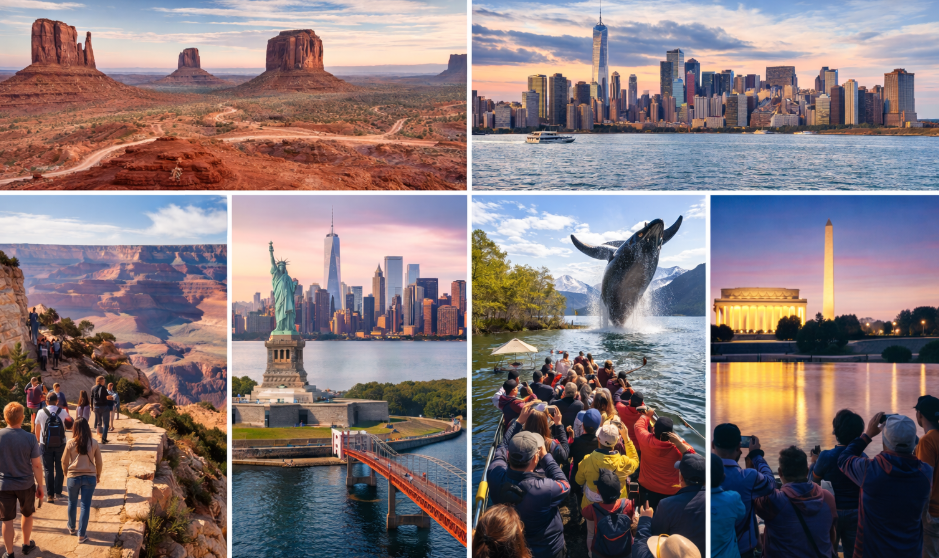
The United States consistently ranks among the world’s most visited destinations, drawing approximately 80 million international visitors annually before the pandemic reshaped global travel. Yet for many prospective travelers, the question remains: Is the USA worth visiting? With vast distances to cover, complex visa requirements, and a reputation for high costs, America demands significant investment of both time and money. This comprehensive guide examines every angle of this question, helping you decide whether the land of opportunity deserves a place on your travel itinerary.
The short answer is yes, unequivocally. The United States offers experiences impossible to replicate anywhere else on Earth, from natural wonders spanning every climate zone to cultural diversity that brings the entire world together in one nation. However, the longer answer requires understanding what makes America unique, what challenges you might face, and how to maximize value from your American adventure. Let’s explore both the compelling reasons to visit and the practical considerations that will shape your trip.
Table of Contents
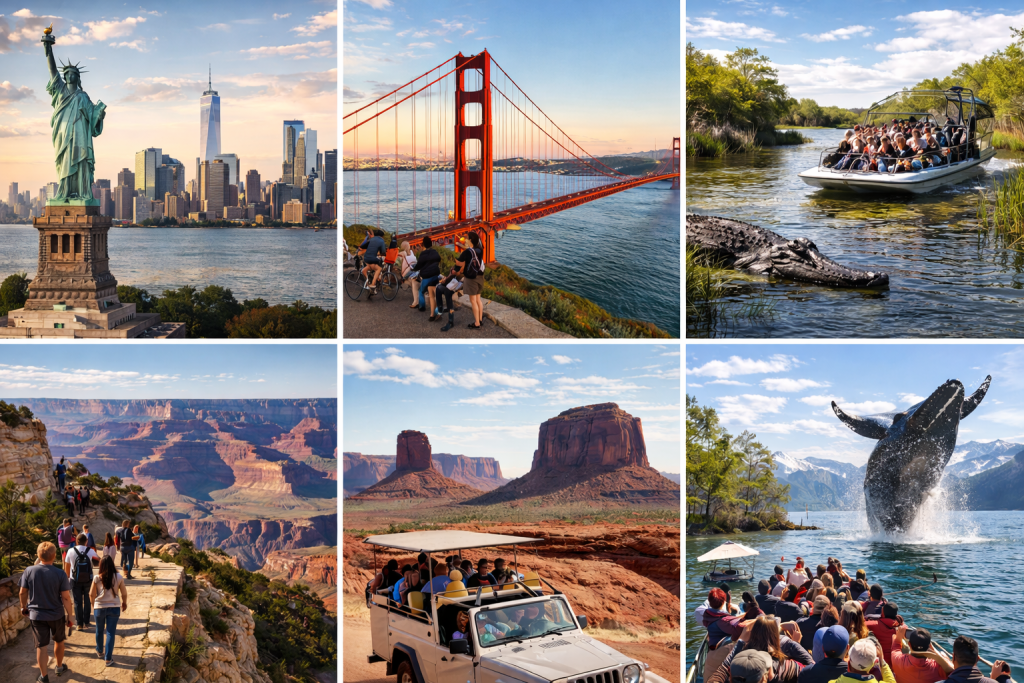
Why America Captures the Global Imagination
Before examining specific attractions, it’s worth understanding why the USA holds such powerful allure for international travelers. Unlike smaller nations where tourism centers on a handful of famous sites, America offers essentially unlimited variety. You could spend a lifetime exploring and never experience it all.
The country spans nearly 10 million square kilometers across six time zones, encompassing every possible landscape and climate. Tropical beaches in Hawaii and Florida give way to alpine peaks in Colorado and Alaska. Desert Southwest canyons carved over millions of years transition into temperate rainforests of the Pacific Northwest. Arctic tundra in Alaska contrasts with subtropical swamps in Louisiana. No other single country contains this range of natural environments.
Beyond geography, America’s cultural diversity reflects its immigrant heritage. Every major world cuisine has a presence here, often with regional variations that have evolved over generations. Music genres from jazz to country to hip-hop originated in American cities and continue evolving today. The entertainment industry based in Hollywood and New York shapes global popular culture. Sports traditions unique to America, from baseball to American football to basketball, offer distinctive spectator experiences. This cultural richness means that whatever your interests, America likely has something compelling to offer.
Natural Wonders: Landscapes Beyond Imagination
The United States contains 63 designated national parks, more than any other country, plus hundreds of national monuments, forests, and protected areas. These landscapes represent some of Earth’s most spectacular natural features, and experiencing them firsthand justifies an American visit for many travelers.
The Grand Canyon: Incomprehensible Scale
No photograph adequately captures the Grand Canyon. This 446-kilometer-long chasm carved by the Colorado River over six million years reveals nearly two billion years of Earth’s geological history in its layered rock walls. Standing at the rim, watching shadows shift across formations a mile deep and up to 29 kilometers wide, creates an almost spiritual experience of confronting nature’s immense power and time scales. Travelers consistently describe the Grand Canyon as exceeding all expectations, precisely because its scale simply cannot be conveyed through images or descriptions.
Yellowstone: Where the Earth Lives
Yellowstone National Park contains half of all known geothermal features on Earth, including the iconic Old Faithful geyser, the prismatic colors of Grand Prismatic Spring, and the terraced formations of Mammoth Hot Springs. Walking these landscapes, you witness the planet’s inner workings expressed through boiling mudpots, steaming fumaroles, and erupting geysers. The park also supports remarkable wildlife populations, with bison, elk, wolves, and grizzly bears visible to patient observers. Nowhere else on Earth offers this combination of geological spectacle and wilderness experience.
Beyond the Famous Parks
While the Grand Canyon and Yellowstone attract the most attention, dozens of equally spectacular landscapes await discovery. Utah’s Mighty Five parks showcase red rock canyons, natural stone arches, and otherworldly hoodoo formations. Yosemite’s granite cliffs and waterfalls inspired the conservation movement. Alaska’s Denali National Park protects North America’s highest peak and pristine wilderness larger than some countries. Hawaii Volcanoes National Park offers opportunities to witness active volcanic activity and walk on land still being created. The Florida Everglades preserve unique subtropical wetland ecosystems unlike anything elsewhere in North America.
These natural wonders alone justify American travel for many visitors. The National Park Service manages these areas for public benefit, with infrastructure that makes spectacular landscapes accessible while preserving their wild character.
Urban Diversity: Cities Like Nowhere Else
America’s cities each possess distinctive personalities shaped by geography, history, and the immigrant communities that built them. Unlike European cities where centuries of gradual development created similar urban patterns, American cities developed rapidly during different eras with different influences, creating remarkable variety.
New York City: The World’s Capital
New York requires no introduction yet somehow exceeds expectations for most first-time visitors. The density, energy, and diversity of Manhattan create an environment that exists nowhere else. Broadway theater represents the pinnacle of live performance. World-class museums including the Metropolitan Museum of Art, MoMA, and the Guggenheim contain collections rivaling any European capital. The Statue of Liberty and Ellis Island tell the immigrant story that shaped modern America. Central Park demonstrates how green space can flourish within intense urban development. Walking New York’s neighborhoods reveals distinct communities where you can circle the globe through cuisine and culture in a single day.
Los Angeles: Entertainment and Lifestyle
Los Angeles sprawls across a vast coastal basin where the entertainment industry intersects with beach culture, creating something uniquely Californian. Beyond Hollywood and its studio tours, LA offers the Getty Center’s art collections, the La Brea Tar Pits’ prehistoric discoveries, and beach communities from Santa Monica to Malibu. The city’s diverse neighborhoods reflect waves of immigration from Latin America, Asia, and beyond. The surrounding region provides easy access to desert landscapes, mountain skiing, and wine country, demonstrating California’s remarkable geographic diversity.
Chicago: Architecture and Culture on the Lake
Chicago rebuilt after its devastating 1871 fire to become a showcase of American architecture. The city’s skyline represents a living museum of building design, from early skyscrapers to contemporary towers. Architecture cruises on the Chicago River rank among America’s most acclaimed tours. Beyond architecture, Chicago offers world-class museums, a renowned restaurant scene, and passionate sports culture. The city’s position on Lake Michigan provides urban beaches and recreational spaces rare among major American cities.
Beyond the Famous Three
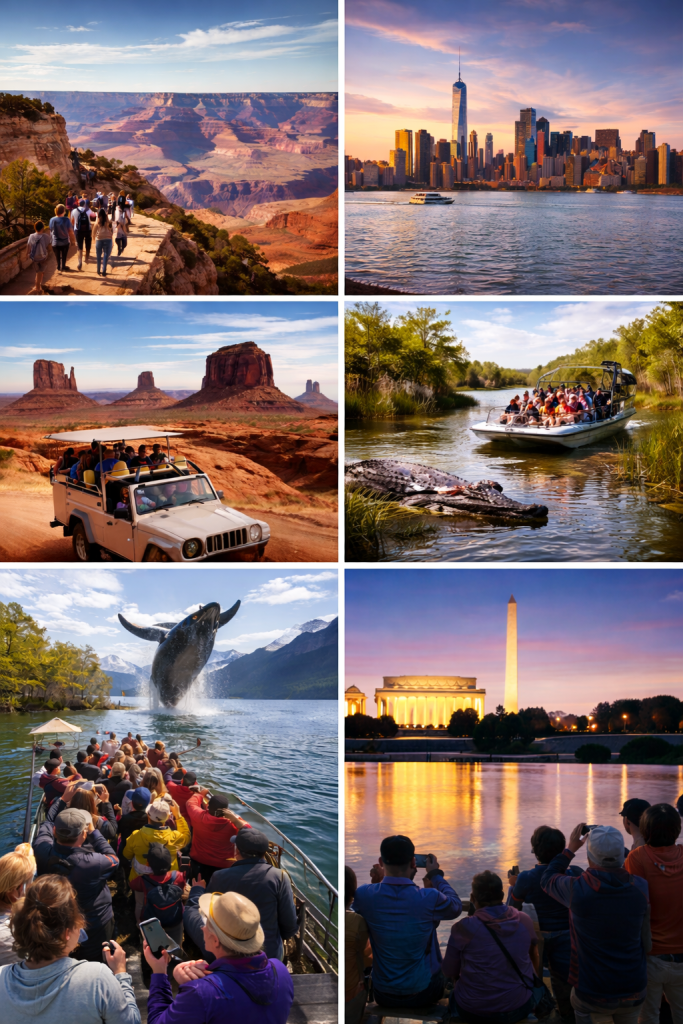
San Francisco packs remarkable diversity into a compact peninsula, with its iconic Golden Gate Bridge, cable cars, and neighborhoods from Chinatown to the Castro. Washington D.C. concentrates American political power and free Smithsonian museums along the National Mall. New Orleans preserves French and Creole heritage through unique architecture, cuisine, and a jazz culture found nowhere else. Boston’s Freedom Trail walks through Revolutionary War history. Miami blends Latin American influences with Art Deco architecture and beach culture. Las Vegas creates adult fantasy from the Nevada desert. Each major American city offers experiences unavailable elsewhere.
Cultural Experiences: America’s Living Heritage
Beyond landscapes and cities, America offers cultural experiences reflecting its diverse heritage and continuing evolution.
Music History and Living Traditions
American music genres have shaped global popular culture, and visiting their birthplaces provides unique experiences. New Orleans remains the home of jazz, with live music in venues from Preservation Hall to countless neighborhood clubs. Memphis claims both blues heritage at Beale Street and rock history at Sun Studio, where Elvis Presley first recorded. Nashville’s Grand Ole Opry and honky-tonks on Broadway celebrate country music’s continuing evolution. Detroit’s Motown Museum tells the story of soul music’s golden age. Austin’s live music scene earned its reputation as America’s music capital. These aren’t museum experiences but living traditions where you can witness emerging artists alongside veterans.
Sports Culture
Americans approach sports with intensity foreign visitors often find surprising. Attending major league games provides cultural immersion beyond the athletic competition. Baseball’s leisurely pace and traditional ballparks create summer rituals dating back generations. American football’s autumn Sundays bring communities together around television and tailgate parties. Basketball’s fast-paced action fills arenas with passionate crowds. College sports in many regions generate fervor exceeding professional leagues. Even visitors unfamiliar with these sports often find the atmosphere and traditions memorable.
Entertainment Industry Access
Hollywood and Broadway represent entertainment industry centers with public-facing experiences. Studio tours at Universal, Warner Bros., and other facilities reveal filmmaking’s technical artistry. Broadway shows represent live theater’s highest production values. Television show tapings offer behind-the-scenes glimpses of familiar programs. The Academy Museum in Los Angeles and numerous other venues celebrate cinema history. For anyone interested in film, television, or theater, America offers unparalleled access.
Museums and Cultural Institutions
America’s museums rival any in the world, and many offer free or low-cost admission. The Smithsonian Institution operates nineteen museums and galleries in Washington D.C., all free, covering natural history, American history, art, air and space, and more. New York’s museum collections include the Metropolitan Museum of Art’s encyclopedic holdings, the Museum of Natural History’s extensive exhibits, and specialized institutions from the Tenement Museum to the Intrepid. Chicago’s Museum Campus clusters natural history, aquarium, and planetarium experiences. Virtually every American city maintains quality museums reflecting local history and culture.
The Practical Reality: Costs, Logistics, and Planning
While America’s attractions justify visiting, practical considerations significantly impact the experience. Understanding these realities helps you plan effectively and set realistic expectations.
Understanding American Travel Costs
America can be expensive, but costs vary dramatically based on destinations and choices. Major cities like New York, San Francisco, and Los Angeles rank among the world’s most expensive places to stay. Rural areas and smaller cities offer significantly lower prices. Your travel style dramatically affects overall spending.
Budget travelers typically spend $100-150 per day through hostel dormitories, supermarket meals, and free activities in USA. Mid-range travelers spending $200-350 per day can access comfortable hotels, restaurant meals, and paid attractions. Luxury travelers easily spend $500-1,000 or more daily in major destinations.
Accommodation represents the largest variable expense. Budget hostels run $50-80 per night in major cities. Mid-range hotels average $150-200 per night. Luxury properties in popular destinations frequently exceed $400-800 per night. Vacation rentals through platforms like Airbnb offer middle-ground options, particularly for groups or longer stays.
Food costs similarly vary. Supermarket meals and food trucks keep daily food spending under $30. Casual restaurants average $15-25 per meal. Upscale dining in major cities easily reaches $100 or more per person. America’s tipping culture adds 18-20% to restaurant bills, a significant additional expense for international visitors unfamiliar with the custom.
Transportation Considerations
America’s size and car-centric development create transportation challenges unfamiliar to visitors from countries with extensive public transit. Outside major cities, renting a car becomes nearly essential for exploring national parks, scenic routes, and small towns. Car rentals typically run $40-100 per day depending on vehicle type and location, plus fuel, insurance, and parking costs.
Within major cities, public transportation varies dramatically in quality. New York’s subway provides comprehensive coverage. San Francisco, Chicago, and Washington D.C. offer useful systems. Los Angeles and most other cities have limited transit requiring car rentals for efficient travel. Ride-sharing services like Uber and Lyft supplement public transit but add expense.
Domestic flights connect distant cities but add significant costs. Cross-country flights typically run $200-500 roundtrip, with prices spiking during holidays and peak seasons. Train travel on Amtrak offers scenic alternatives for some routes but remains slower and often more expensive than flying.
Entry Requirements and Fees
Visiting America requires navigating visa requirements that vary by nationality. Citizens of 41 countries participate in the Visa Waiver Program, allowing visits up to 90 days with ESTA authorization costing $40. ESTA approval typically takes minutes to hours online. Other nationalities require tourist visas through embassy applications, a process requiring appointments, interviews, and fees now reaching $442 for many applicants.
Additional fees continue accumulating. National park entrance fees run $20-35 per vehicle at most parks, with new surcharges of $100 per person proposed for some popular parks. Resort fees at hotels add $25-50 per night beyond quoted rates. Sales taxes of 4-10% apply to purchases and are not included in displayed prices. These hidden costs surprise visitors accustomed to all-inclusive pricing.
Tipping Culture
American tipping expectations perplex many international visitors. Unlike countries where service charges are included or tipping is optional, American service workers rely on tips as significant income. Current expectations include 18-20% for restaurant servers, $1-2 per drink at bars, $2-5 per bag for hotel porters, and 15-20% for taxi drivers. Failing to tip is considered extremely rude and may result in confrontation. This adds substantial cost beyond displayed prices and requires carrying cash for situations where card tipping isn’t possible.
Weighing the Pros and Cons
Every destination has advantages and drawbacks. Understanding America’s honestly helps you decide whether it matches your travel preferences.
Compelling Reasons to Visit
Unmatched diversity represents America’s greatest strength. No other country offers comparable variety in landscapes, cities, cultures, and experiences within a single visa. A two-week trip can encompass beaches, mountains, deserts, cities, small towns, and multiple distinct regional cultures.
World-class attractions meet or exceed any global destination. The Grand Canyon, New York City, Yellowstone, and other iconic sites deserve their reputations. America consistently delivers the experiences promised in travel guides and popular imagination.
Infrastructure and accessibility make tourism straightforward despite the country’s size. Roads are excellent, English is universal, credit cards work everywhere, and tourism infrastructure is highly developed. You can travel confidently knowing that navigation, communication, and services will function smoothly.
Cultural relevance means America feels familiar even on first visits. American entertainment, music, sports, and brands permeate global culture. Walking New York streets or visiting Hollywood creates recognition and connection often absent when visiting unfamiliar destinations.
Friendly hospitality surprises many visitors expecting American coldness. While urban environments can feel impersonal, Americans generally welcome international visitors with genuine curiosity and helpfulness, particularly in tourist areas and smaller communities.
Legitimate Concerns and Challenges
Expense represents the most common complaint. America is not a budget destination, particularly for visitors from countries with weaker currencies. Major city hotels, restaurant meals with tips, transportation costs, and attraction fees accumulate quickly. Visitors expecting European-style tourism pricing may find American costs prohibitive.
Distances and logistics challenge travelers accustomed to compact destinations. Visiting multiple regions requires extensive driving or expensive flights. A “quick trip” to see both New York and the Grand Canyon involves 3,500 kilometers of travel. Unrealistic itineraries leave visitors exhausted from logistics rather than refreshed from vacation.
Car dependency frustrates visitors from countries with excellent public transit. Outside New York and a handful of other cities, exploring America requires renting cars and navigating unfamiliar highway systems. This adds expense, stress, and limits spontaneity.
Tipping and hidden costs create budgeting challenges. Visitors accustomed to all-inclusive pricing find American customs confusing and expensive. The gap between quoted prices and actual costs frequently exceeds 30% once taxes, tips, and fees accumulate.
Political climate concerns some potential visitors. America’s polarized political environment and policy changes create uncertainty about welcome and treatment. While tourism generally transcends politics, some visitors express concerns about current conditions.
Who Should (and Shouldn’t) Visit America
America rewards certain types of travelers more than others. Understanding fit helps determine whether America belongs on your bucket list.
Ideal for:
First-time long-haul travelers benefit from America’s familiar culture, widespread English, and developed infrastructure. Unlike destinations requiring significant cultural adjustment, America feels accessible while still providing novel experiences.
Road trip enthusiasts find America ideally suited to driving adventures. Excellent highways, diverse landscapes, and roadside culture create memorable journeys impossible in smaller countries.
Outdoor adventurers access world-class hiking, camping, kayaking, and wilderness experiences through the national park system and public lands. America’s protected areas rival any global destination for nature tourism.
Pop culture enthusiasts connect with entertainment industry heritage in Hollywood, Broadway, and music cities. Visiting locations familiar from films, television, and music creates unique recognition experiences.
Families appreciate America’s tourism infrastructure designed for all ages. Theme parks, kid-friendly museums, national park programs, and accommodation options accommodate family travel comfortably.
Consider Alternatives If:
Budget constraints limit spending significantly. Travelers seeking maximum value from limited funds often find Southeast Asia, Latin America, or Eastern Europe more rewarding than America’s high-cost environment.
Compact itineraries appeal more than extensive travel. Visitors with limited time who prefer focusing deeply on single destinations may find America’s vastness frustrating rather than exciting.
Car-free travel is essential. Travelers unable or unwilling to rent cars will struggle outside a handful of cities with adequate public transit.
Authentic local culture matters most. America’s commercial tourism environment and globalized culture may disappoint travelers seeking traditional communities less affected by modern development.
Making America Worth It: Practical Tips for Maximum Value
If you decide America deserves a visit, strategic planning significantly improves the experience and value.
Focus Your Itinerary
Resist the temptation to see everything. America’s vastness means attempting too much guarantees exhaustion without depth. Choose one region or theme and explore thoroughly rather than racing between distant attractions.
For first-time visitors, proven itinerary combinations include: New York plus Niagara Falls and Washington D.C. on the East Coast; Los Angeles, Las Vegas, and the Grand Canyon in the Southwest; San Francisco, Yosemite, and the Pacific Coast Highway in California. Each combination keeps driving reasonable while accessing iconic attractions.
Time Your Visit Strategically
Shoulder seasons offer best value and experience. Late spring (May-June) and early fall (September-October) provide pleasant weather, smaller crowds, and lower prices than summer peaks. National parks become almost unrecognizable between July crowds and September tranquility.
Avoid major holidays when American families travel and prices spike. Thanksgiving week, Christmas through New Year’s, spring break in March, and summer school holidays from late June through early August bring premium pricing and maximum crowds.
Use Discount Strategies
The America the Beautiful Pass provides exceptional value for national park visitors, covering entrance to all national parks and federal recreation areas for $80 per vehicle annually. Visitors planning more than three park visits recoup the cost easily.
CityPASS and similar attraction bundles offer savings in major cities, combining popular venues at discounted rates. Hotel loyalty programs and credit card travel benefits provide upgrades and perks for savvy travelers.
Flight aggregators like Google Flights, Skyscanner, and others identify deals from flexible dates and routes. Booking domestic flights 4-6 weeks in advance typically optimizes pricing.
Embrace Regional Diversity
Each American region offers distinct experiences worth exploring deeply. The Southwest’s desert landscapes differ dramatically from the Pacific Northwest’s temperate rainforests. Southern hospitality and cuisine contrast sharply with Northeast intensity. Hawaiian island culture provides completely different experiences than mainland America. Rather than sampling superficially, immerse yourself in one region’s unique character.
The Verdict: Is America Worth Visiting?
After examining every angle, the answer remains decisively yes for most travelers. America delivers experiences unavailable elsewhere: landscapes of incomprehensible scale, cities of distinctive character, cultural diversity reflecting global immigration, and entertainment industry heritage shaping worldwide popular culture. The country’s tourism infrastructure makes these experiences accessible despite vast distances.
The caveats are real. America is expensive, distances are vast, car dependency limits certain travelers, and hidden costs challenge budgets. Visitors expecting European-style compact exploration or Southeast Asian budget pricing will face adjustment.
However, for travelers with adequate time and budget who embrace driving culture and plan strategically, America delivers exceptional experiences. The Grand Canyon really does exceed photographs. New York’s energy really is unlike anywhere else. National parks really do protect landscapes of global significance. American diversity really does encompass more variety than most countries can match.
America belongs on your bucket list if you value diverse experiences, appreciate natural and urban landscapes, connect with popular culture, and can invest the time and resources required for meaningful exploration. The question isn’t whether America is worth visiting, but rather which part of America to explore first, knowing you’ll likely return to discover more.
Start planning your American adventure. The land of opportunity awaits.
Frequently Asked Questions
Is the USA worth visiting for the first time?
Absolutely. America offers an ideal first long-haul destination due to familiar culture, widespread English, developed infrastructure, and iconic attractions that deliver on their reputation. The diversity of experiences available means first-time visitors consistently find aspects that exceed expectations.
How much does it cost to visit the USA?
Mid-range travelers typically spend $200-350 per person per day including accommodation, food, transportation, and activities. Budget travelers managing $100-150 daily is possible with hostels and careful spending. A comfortable two-week trip typically runs $4,000-7,000 per person including flights. Major cities like New York and San Francisco significantly exceed these averages.
What is the best time to visit the USA?
Late spring (May-June) and early fall (September-October) offer the best combination of pleasant weather, manageable crowds, and reasonable prices across most regions. Specific destinations have optimal windows: national parks are best in shoulder seasons, ski resorts require winter visits, and Alaska is accessible only during summer months.
Is America safe for tourists?
America is generally safe for tourists exercising normal precautions. Crime rates vary significantly by neighborhood, and tourist areas maintain strong safety records. Common-sense precautions regarding valuables, awareness of surroundings, and avoiding isolated areas at night apply as in any destination. Health care is expensive, making travel insurance essential.
How long should I spend in the USA?
Meaningful exploration requires at least two weeks for a single region. Cross-country trips benefit from three weeks or more. Weekend trips work only for single-city visits from nearby countries. Attempting to see too much in limited time guarantees exhaustion without depth. Focus on one region and explore thoroughly rather than racing between distant attractions.
Do I need a visa to visit the USA?
Citizens of 41 Visa Waiver Program countries can visit for up to 90 days with ESTA authorization ($40, approved online in minutes to hours). Other nationalities require tourist visas through embassy applications, involving fees now exceeding $400 for many applicants. Check current requirements with the U.S. State Department before planning.