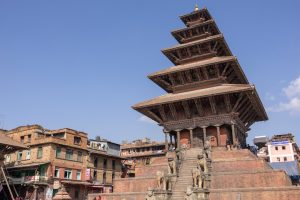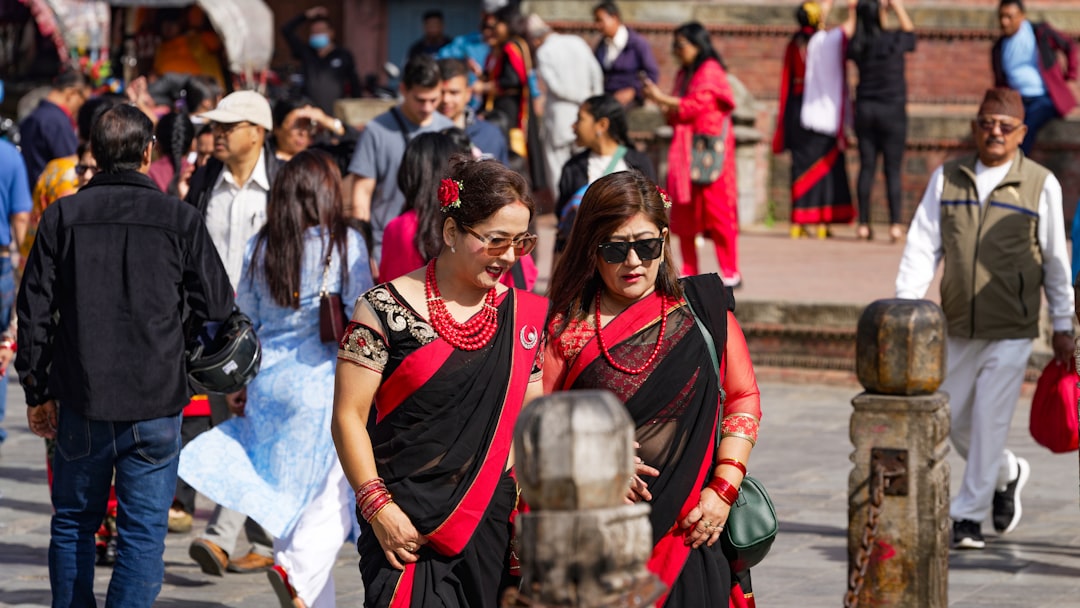
Picture this: you’re standing in the heart of Kathmandu’s Durbar Square, surrounded by thousands of people covered head-to-toe in vibrant colored powder, laughing and celebrating as music fills the air. Welcome to Nepal’s festival season – where ancient traditions meet modern joy, and every month brings a new reason to celebrate!
Nepal isn’t just home to Mount Everest and stunning mountain views; it’s also a cultural treasure trove with some of the most spectacular festivals on the planet. If you’re planning a trip to this incredible country or you’re just curious about Nepalese culture, understanding the festival calendar is like having a golden ticket to authentic local experiences.
In this comprehensive guide, we’ll walk you through Nepal’s festival calendar month by month, highlighting the must-see celebrations that will give you goosebumps and create memories for a lifetime. Trust me, after reading this, you’ll be booking your flight to Nepal faster than you can say “Namaste!”
Why Nepal’s Festivals Are Absolutely Mind-Blowing
Before we dive into the calendar, let’s talk about what makes Nepalese festivals so special. Nepal is a melting pot of Hindu and Buddhist traditions, with over 50 different festivals celebrated throughout the year. These aren’t just religious observances – they’re explosive celebrations of life, community, and cultural heritage.
What sets Nepal’s festivals apart is their incredible diversity and the genuine warmth of the people. Whether you’re a tourist or a local, you’ll be welcomed with open arms to join the festivities. It’s this inclusive spirit that makes experiencing these festivals truly magical.
The Complete Nepal Festivals Calendar: Month by Month
January – February: Starting the Year with Sparkle
Maghe Sankranti (Mid-January)
Kicking off our festival journey is Maghe Sankranti, Nepal’s harvest festival that celebrates the end of winter. Think of it as Nepal’s version of Thanksgiving, but with a lot more color and community bathing in holy rivers! People gather along riverbanks, especially at Devghat, to take ritual baths and enjoy traditional foods like til-ko-laddu (sesame seed sweets).
Saraswati Puja (Late January/Early February)
This beautiful festival honors Saraswati, the goddess of knowledge and arts. Schools and colleges become vibrant hubs of activity as students place their books, musical instruments, and art supplies before the goddess’s statue for blessings. It’s particularly magical to witness in Kathmandu’s educational institutions.
February – March: Love and Colors
Shivaratri (February/March)
One of Nepal’s most significant Hindu festivals, Shivaratri transforms Pashupatinath Temple into a spiritual wonderland. Thousands of devotees, including colorfully dressed sadhus (holy men), gather to worship Lord Shiva. The atmosphere is electric with chanting, bell ringing, and the aromatic smoke of incense.
Holi – The Festival of Colors (March)
If you’ve only heard about one Nepalese festival, it’s probably Holi! This is hands-down one of the most Instagram-worthy and fun festivals you’ll ever experience. For two days, the entire country turns into a massive color fight, with people throwing colored powder (called “abir”) and water balloons at each other.
Pro tip: Wear white clothes that you don’t mind getting permanently stained, and bring waterproof protection for your camera!
March – April: Spring Celebrations
Ghode Jatra (March/April)
This unique festival features a spectacular horse racing event at Kathmandu’s Tundikhel parade ground. According to legend, the horse racing keeps evil spirits at bay. It’s a thrilling combination of traditional ceremony and exciting sports that attracts huge crowds.
Chaitra Dashain (March/April)
A smaller version of the main Dashain festival, Chaitra Dashain is perfect for travelers who want to experience Dashain traditions without the overwhelming crowds of the autumn celebration.
April – May: New Year Vibes
Nepali New Year – Naya Barsa (Mid-April)
April 14th marks the beginning of the Nepali calendar year, and the entire country celebrates with enthusiasm! It’s like New Year’s Eve, Christmas, and a cultural festival all rolled into one. Expect traditional dances, special foods, and a generally festive atmosphere everywhere you go.
Buddha Jayanti (May)
Celebrating the birth of Lord Buddha, this festival is particularly significant in Lumbini, Buddha’s birthplace. Prayer flags flutter in the breeze, monks chant in ancient languages, and the spiritual energy is absolutely palpable.
August – September: Monsoon Festivities
Janai Purnima (August)
This sacred thread festival is when Hindu men change their janai (sacred thread). The atmosphere around temples, especially at Gosaikunda Lake, becomes mystical as thousands of pilgrims gather for this important ritual.
Gai Jatra – The Cow Festival (August/September)
Here’s where things get wonderfully weird! Gai Jatra is both a memorial for those who died in the past year and a comedy festival. Families who lost loved ones participate in processions with cows (or people dressed as cows), while comedians perform satirical acts. It’s a beautiful example of how Nepalese culture blends grief with joy.
Krishna Janmashtami (August/September)
Celebrating Lord Krishna’s birthday, this festival features dramatic reenactments of Krishna’s life, traditional dances, and elaborate decorations at temples. The Patan area becomes particularly vibrant during this time.
September – October: The Festival Season Peak
Teej (September)
This three-day women’s festival is absolutely stunning to witness. Women dress in their finest red saris, fast for their husbands’ long lives, and participate in beautiful traditional dances. The sight of hundreds of women in red flowing through the streets is breathtaking.
Indra Jatra (September)
One of Nepal’s most important festivals, Indra Jatra in Kathmandu’s Durbar Square is like stepping back in time. The festival features masked dances, the worship of the living goddess Kumari, and the erection of a massive wooden pole. It’s eight days of non-stop cultural immersion.
October – November: The Grand Finale
Dashain (September/October)
Save the best for last! Dashain is Nepal’s biggest and most important festival – think Christmas, Thanksgiving, and Easter combined and multiplied by ten. This 15-day celebration honors the goddess Durga and celebrates the victory of good over evil.
During Dashain, the entire country essentially stops. Families reunite, homes are decorated with marigold flowers, and everyone wears new clothes. The highlight is receiving “tika” (a red mark on the forehead) and blessings from elders, followed by delicious feasts.
Tihar – The Festival of Lights (October/November)
Often called “Nepalese Diwali,” Tihar is a five-day festival that’s absolutely magical. Each day honors different animals and deities:
- Day 1: Crows (messengers of death)
- Day 2: Dogs (Yama’s messengers)
- Day 3: Cows (representing prosperity)
- Day 4: Oxen (for hardworking nature)
- Day 5: Brothers (celebrating sibling bonds)
Houses are decorated with oil lamps and colorful rangoli patterns, creating a stunning visual feast that rivals any light festival in the world.
November – December: Winter Celebrations
Chhath (November)
This beautiful four-day festival dedicated to the Sun God involves devotees standing in rivers at dawn and dusk, offering prayers to the rising and setting sun. The devotion and spirituality displayed during Chhath is incredibly moving.
Planning Your Festival Trip to Nepal: Insider Tips
Best Time to Visit for Festivals
While Nepal celebrates festivals year-round, the autumn months (September-November) are festival goldmines. This period includes Dashain, Tihar, and several other major celebrations. Plus, the weather is perfect – clear skies, mild temperatures, and excellent mountain views.
What to Pack for Festival Experiences
Here’s your festival survival kit:
- Comfortable walking shoes – You’ll be doing a lot of standing and walking
- Modest clothing – Respect local customs with covered shoulders and knees
- Waterproof camera protection – Essential for Holi and other messy festivals
- Small denominations of Nepalese rupees – For offerings and small purchases
- Wet wipes and hand sanitizer – Trust me on this one!
Cultural Etiquette During Festivals
Participating respectfully in Nepalese festivals is crucial:
- Always ask permission before taking photos of people
- Remove shoes when entering temples
- Accept food and tika graciously when offered
- Don’t touch religious statues or artifacts
- Follow the lead of locals when participating in rituals
Lesser-Known Festivals Worth Discovering
While the major festivals get all the attention, Nepal has dozens of smaller, equally fascinating celebrations:
Yomari Punhi (December) – A Newari festival featuring delicious yomari (steamed dumplings shaped like fish)
Maghi (January) – Celebrated by the Tharu community with traditional dances and cultural performances
Lhosar (February) – Tibetan New Year celebrated in the mountain regions with colorful ceremonies
Festival Photography: Capturing the Magic
Nepal’s festivals offer incredible photography opportunities, but remember that respect comes first. Some quick tips:
- Early morning and late afternoon provide the best lighting
- Focus on candid moments rather than posed shots
- Capture the details – hands applying tika, colorful rangoli patterns, prayer wheels spinning
- Don’t forget to put the camera down sometimes and just experience the moment!
Food Festivals Within Festivals
Let’s be honest – half the reason to attend Nepalese festivals is the incredible food! Each festival brings its own special dishes:
- Dashain: Mutton curry, rice, and sel roti (traditional ring-shaped bread)
- Tihar: Various sweets, especially kheer and barfi
- Holi: Gujiya (sweet dumplings) and thandai (spiced milk drink)
- Teej: Special fasting foods and red-colored sweets
Making the Most of Your Festival Experience
Stay Connected with Locals
The best festival experiences happen when you connect with local families. Don’t be shy about striking up conversations – Nepalese people are incredibly friendly and often invite travelers to join their celebrations.
Learn Basic Nepali Phrases
A few simple phrases will go a long way:
- “Namaste” – Hello/Goodbye
- “Dhanyabad” – Thank you
- “Subha-kaamna” – Best wishes (perfect for festivals!)
Book Accommodation Early
During major festivals, especially Dashain and Tihar, accommodation fills up quickly. Book at least 2-3 months in advance, and consider staying slightly outside city centers for better availability and prices.
Your Nepal Festival Adventure Awaits!
There you have it – your complete guide to Nepal’s incredible festival calendar! From the colorful chaos of Holi to the spiritual serenity of Buddha Jayanti, Nepal offers festival experiences that will touch your soul and create memories lasting a lifetime.
The beauty of Nepal’s festivals lies not just in their visual spectacle, but in their ability to bring people together. Whether you’re a solo traveler looking for authentic cultural experiences or a family wanting to expose your kids to different traditions, Nepal’s festival calendar has something magical waiting for you.
Remember, festivals in Nepal aren’t just events you observe – they’re experiences you participate in. So pack your sense of adventure, bring an open heart, and get ready to be welcomed into one of the world’s most vibrant and welcoming cultures.
Start planning your Nepal festival adventure today, and prepare to discover why this small Himalayan nation has such a big place in every traveler’s heart. Trust me, once you experience a Nepalese festival, you’ll understand why people keep coming back year after year!
Ready to experience Nepal’s festivals firsthand? Check out local tour operators and start planning your trip around these incredible celebrations. Your Instagram feed (and your soul) will thank you!